

Paper
Alexandra Prokopenko
{
  "authors": [
    "Alexandra Prokopenko"
  ],
  "type": "other",
  "centerAffiliationAll": "dc",
  "centers": [
    "Carnegie Endowment for International Peace",
    "Carnegie Russia Eurasia Center"
  ],
  "collections": [],
  "englishNewsletterAll": "ctw",
  "nonEnglishNewsletterAll": "",
  "primaryCenter": "Carnegie Russia Eurasia Center",
  "programAffiliation": "russia",
  "programs": [
    "Russia and Eurasia"
  ],
  "projects": [],
  "regions": [
    "Russia"
  ],
  "topics": [
    "Economy"
  ]
}
REQUIRED IMAGE
The EU should develop a comprehensive and sustainable strategy to address the issues surrounding European companies’ assets in Russia. Such a strategy should encompass legal, political, and economic considerations with the aim of safeguarding the interests of these firms.

Senior Fellow, Carnegie Russia Eurasia Center
Alexandra Prokopenko is a senior fellow at the Carnegie Russia Eurasia Center.
Recent Work
Alexandra Prokopenko
Alexandra Prokopenko
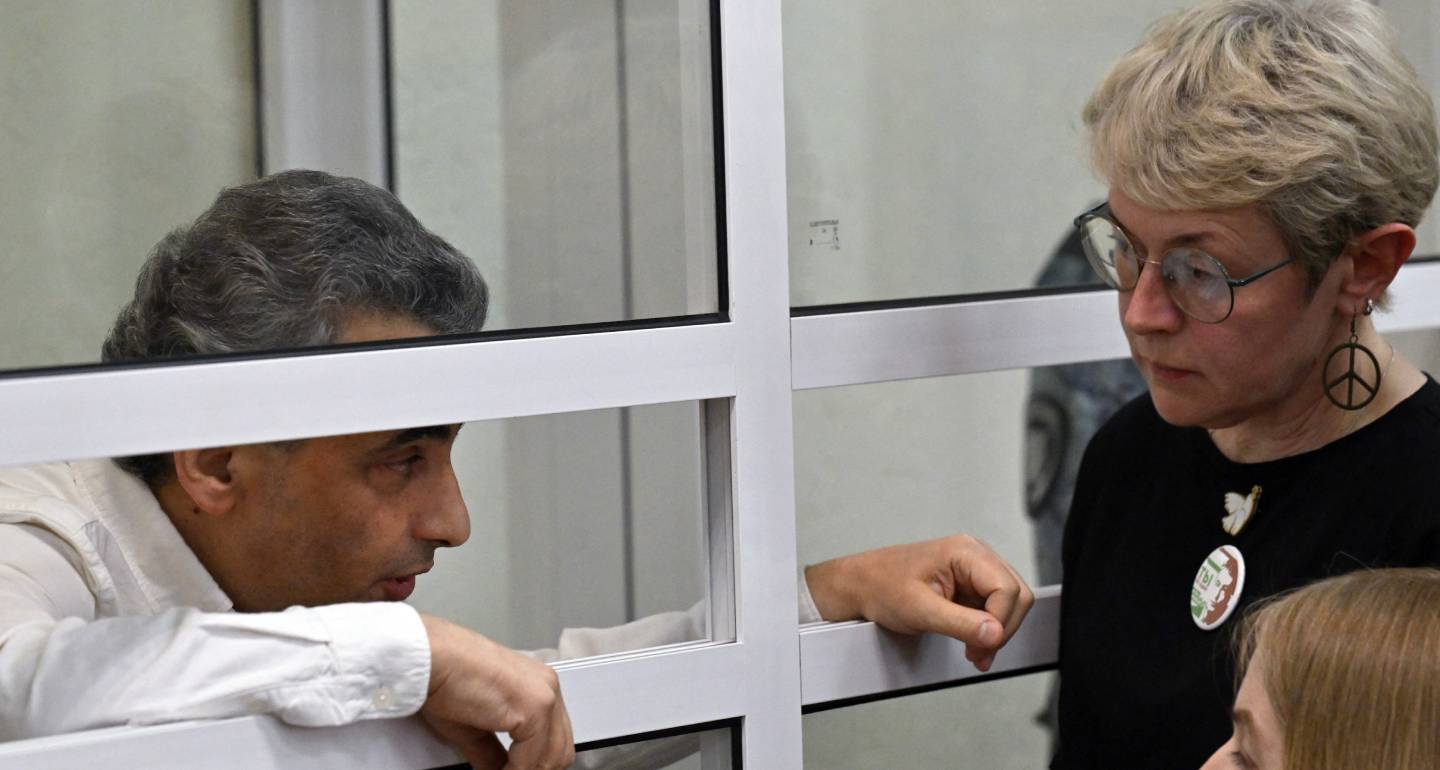
A regime founded on force, coercion, and repression does not want its propaganda, with all its flaws of logic, omissions, and outright lies, to be competing with the most simple of all messages: Thou shalt not kill.

Leonid Bershidsky
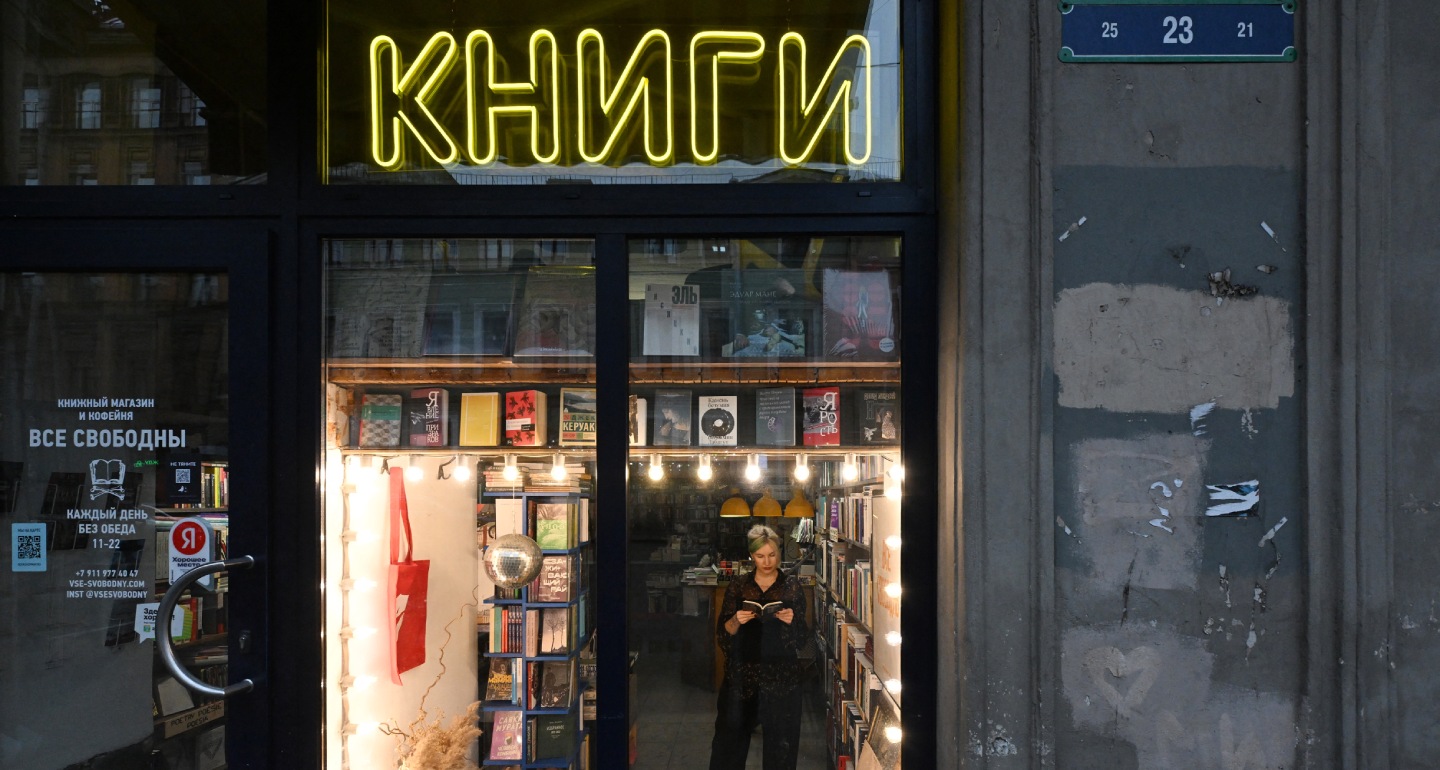
Political pressure and economic headwinds are closely intertwined problems for Russian publishers and booksellers. Together, they risk propelling Russia into a “post-literate” era.
Galina Yuzefovich
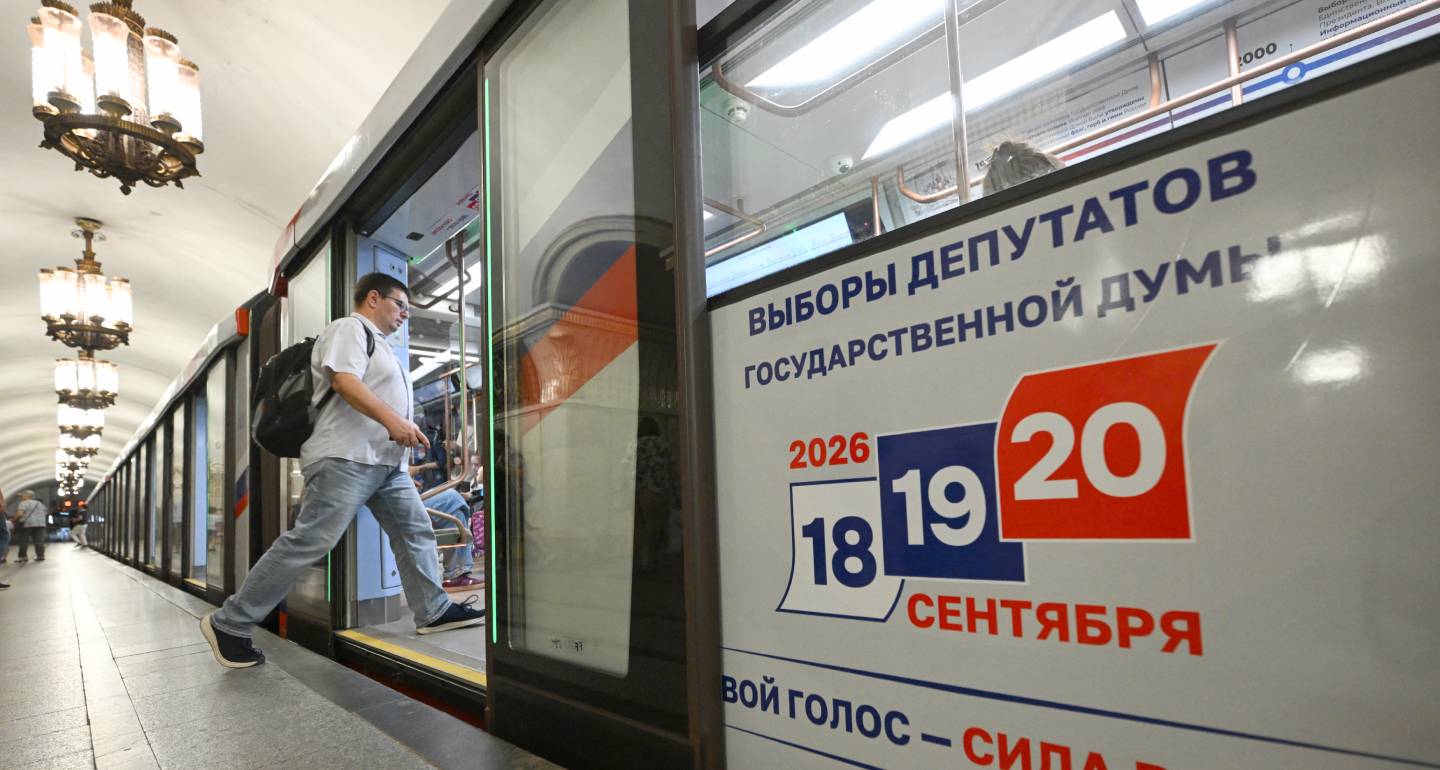
In the discussions made possible by the State Duma election campaign, one question is being asked more and more loudly. “What next?”

Andrey Pertsev
While the Nazis rushed ahead in a revolutionary fervor, Russia’s modern crusaders against enemies of the state work methodically, giving their targets time to adjust to restrictions before closing the loopholes.
Leonid Bershidsky

When faced with fuel shortages in the past, Central Asian governments could always count on additional supplies from Moscow. That safety net no longer exists.

Galiya Ibragimova