

Article
Леонид Гозман, Michael McFaul
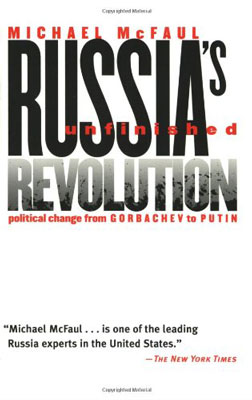
Michael McFaul traces Russia's tumultuous political history from Gorbachev's rise to power in 1985 through the 1999 resignation of Boris Yeltsin in favor of Vladimir Putin.
Source: Ithaca, NY: Cornell University Press, 2001
About the Book
For centuries, dictators ruled Russia. Tsars and Communist Party chiefs were in charge for so long some analysts claimed Russians had a cultural predisposition for authoritarian leaders. Yet, as a result of reforms initiated by Mikhail Gorbachev, new political institutions have emerged that now require election of political leaders and rule by constitutional procedures. Michael McFaul traces Russia's tumultuous political history from Gorbachev's rise to power in 1985 through the 1999 resignation of Boris Yeltsin in favor of Vladimir Putin.
McFaul divides his account of the post-Soviet country into three periods: the Gorbachev era (1985-1991), the First Russian Republic (1991-1993), and the Second Russian Republic (1993-present). The first two were, he believes, failures—failed institutional emergence or failed transitions to democracy. By contrast, new democratic institutions did emerge in the third era, though not the institutions of a liberal democracy. McFaul contends that any explanation for Russia's successes in shifting to democracy must also account for its failures. The Russian/Soviet case, he says, reveals the importance of forging social pacts; the efforts of Russian elites to form alliances failed, leading to two violent confrontations and a protracted transition from communism to democracy.
Having spent a great deal of time in Moscow in the 1990s, McFaul witnessed firsthand many of the events he describes. This experience, combined with frequent visits since and unparalleled access to senior Russian policy makers and politicians, has resulted in an astonishingly well-informed account. Russia's Unfinished Revolution is a comprehensive history of Russia during this crucial period.
Michael McFaul is senior associate in the Russian and Eurasian Program at the Carnegie Endowment for International Peace and teaches political science at Stanford University.
"Both a path-breaking study of Russian politics and a major work on institutional change, Russia's Unfinished Revolution provides the best analytic and theoretical account I have seen of how and why a broad range of actors may come to accept an ambiguous and flawed regime. The access that Michael McFaul has won and the understanding that he has mobilized are nothing short of breathtaking. This is a deeply informative, fascinating, and at time gripping history."
—Larry Diamond, coeditor of the Journal of Democracy
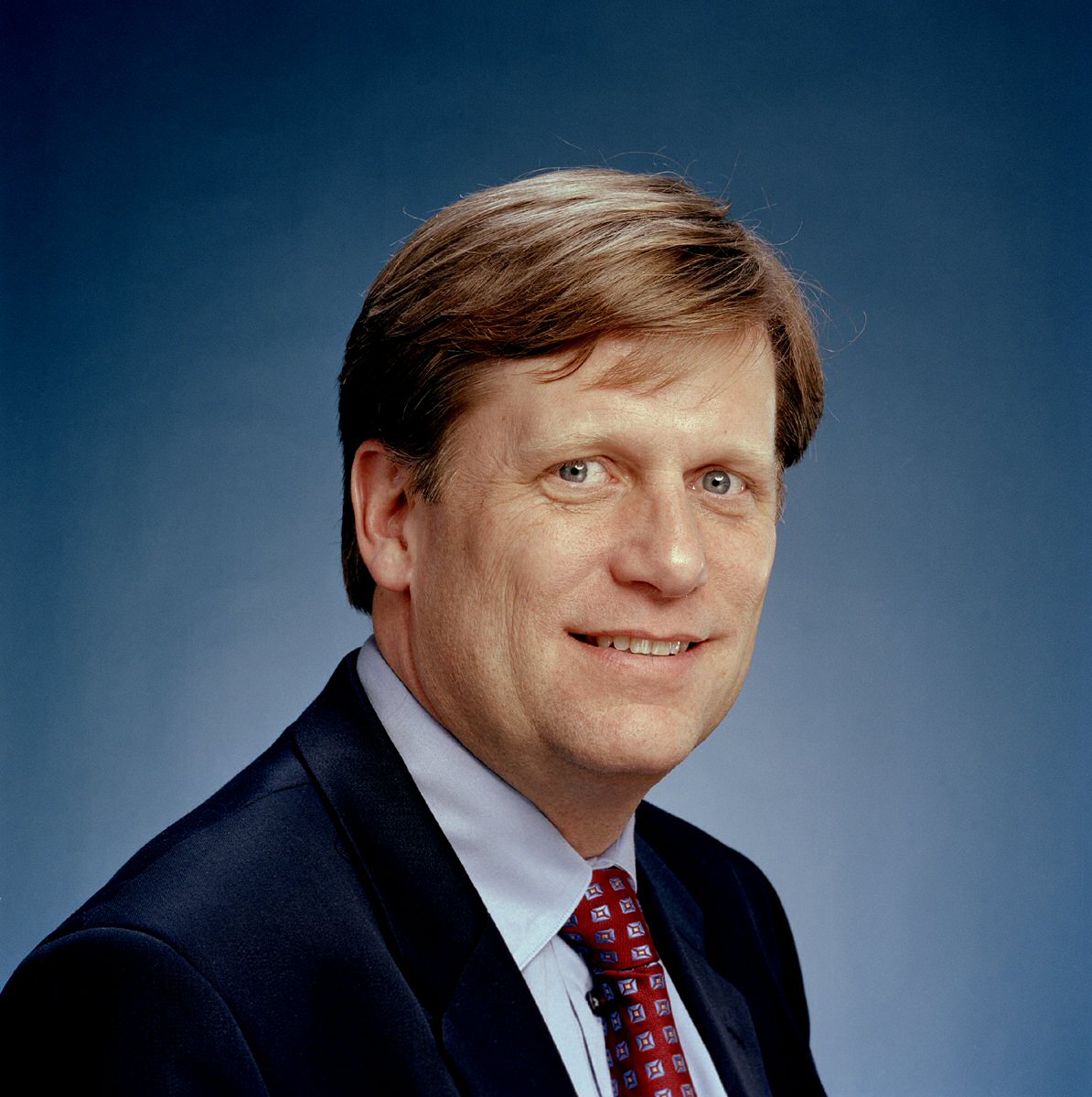
Former Senior Associate
In addition to his role at Carnegie, McFaul is Peter and Helen Bing Senior Fellow at the Hoover Institution and associate professor of political science at Stanford University.
Recent Work
Леонид Гозман, Michael McFaul
Michael McFaul, Sanja Tatic
Carnegie does not take institutional positions on public policy issues; the views represented herein are those of the author(s) and do not necessarily reflect the views of Carnegie, its staff, or its trustees.

If the Russian-speaking community in Latvia cannot articulate their interests without being seen as disloyal, they could end up embracing a pro-Kremlin agenda.

Sergejs Potapkins

Russia’s ruling party would have benefited from Putin appearing as its distant patron, but as an active frontman imposing his views on the public, he has done nothing but harm both the party’s election campaign and the ruling system overall.

Andrey Pertsev

Depleted financial reserves and a shrinking tax base mean it is no longer possible to simultaneously deliver high defense spending, price stability, and economic growth.

Alexandra Prokopenko

In the tenth year of his presidency, President Mirziyoyev’s system is becoming even more personalized than that of his predecessor Karimov.

Galiya Ibragimova

The greater threat to Zelensky comes not from Fedorov alone, but from the convergence between the former defense minister’s political campaign and the anti-corruption investigations moving ever closer to the presidential administration.

Balázs Jarábik