

Commentary
Reestablishing a dialogue with Moscow is not a goal in its own right. The goal is to guarantee the independence of Ukraine and the peace and security of Europe.
Arkady Moshes

REQUIRED IMAGE
Source: Carnegie
Summary
The Bush Administration's Nuclear Posture Review, leaked earlier this year, advocates new nuclear weapons designed to destroy underground bunkers and neutralize caches of chemical and biological weapons. A new approach to developing non-nuclear weapons for attacking underground bunkers and chemical and biological weapons is urgently needed. Research currently is too focused on weapons systems to the neglect of intelligence assets, and non-nuclear weapons are not being sufficiently explored. This new working paper compares the potential of new nuclear weapons with that of innovative non-nuclear weapons, demonstrating that proponents of tactical nuclear weapons have consistently overestimated their destructive potential while underestimating the battlefield problems they would pose. The report's comprehensive review of non-nuclear technologies will be of immense assistance to anyone addressing weapons that might be used in a war with Iraq.
Click on link above for full text of this Carnegie Paper.
About the Author
Michael A. Levi is Director of the Strategic Security Project at the Federation of American Scientists. His current research focuses on nuclear weapons development and on nuclear terrorism. He is a doctoral candidate in physics at Princeton University.
Also published by Carnegie, Deadly Arsenals: Tracking Weapons of Mass Destruction provides the most comprehensive assessment available on WMD, and charts the spread of nuclear, chemical, and biological weapons and missile delivery systems. Click here to read an excerpt.
For more information on weapons of mass destruction, visit the Carnegie Endowment's Non-Proliferation Project page.
A limited number of print copies are available of this report.
Request a copy.
Michael A. Levi
Carnegie does not take institutional positions on public policy issues; the views represented herein are those of the author(s) and do not necessarily reflect the views of Carnegie, its staff, or its trustees.
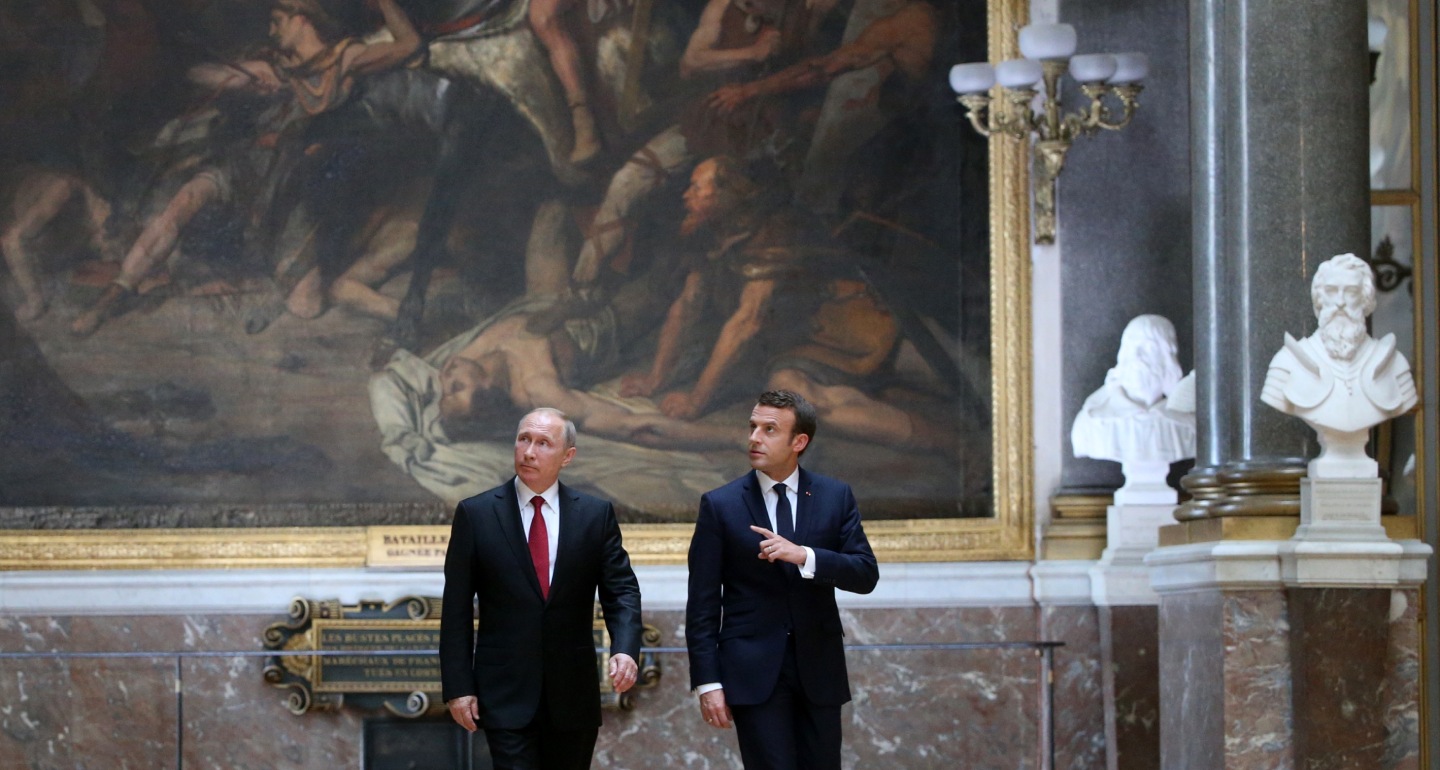
Reestablishing a dialogue with Moscow is not a goal in its own right. The goal is to guarantee the independence of Ukraine and the peace and security of Europe.
Arkady Moshes
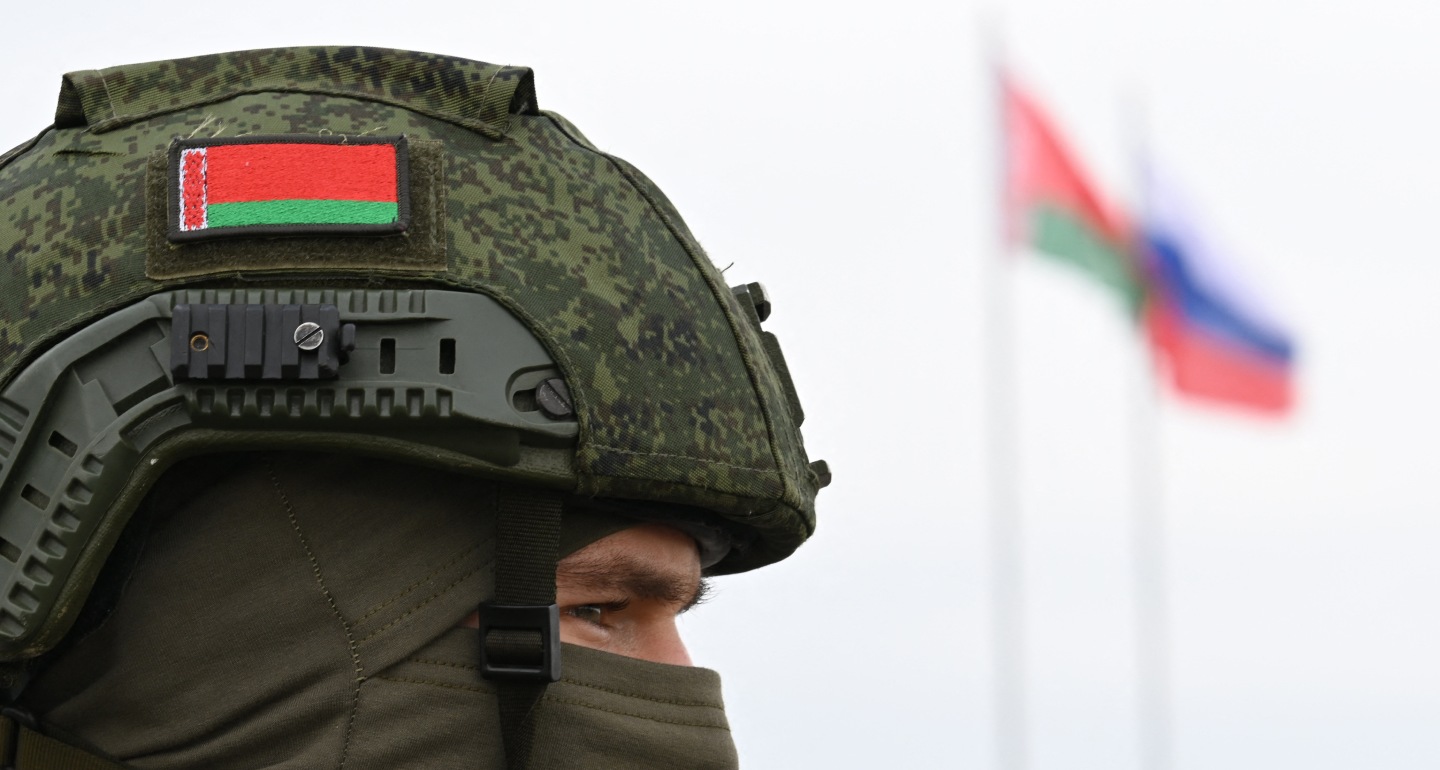
By reminding the world that Lukashenko is a threat to NATO and Ukraine, Kyiv is trying to return the focus to why the Belarusian regime needs to be contained rather than rewarded.

Artyom Shraibman
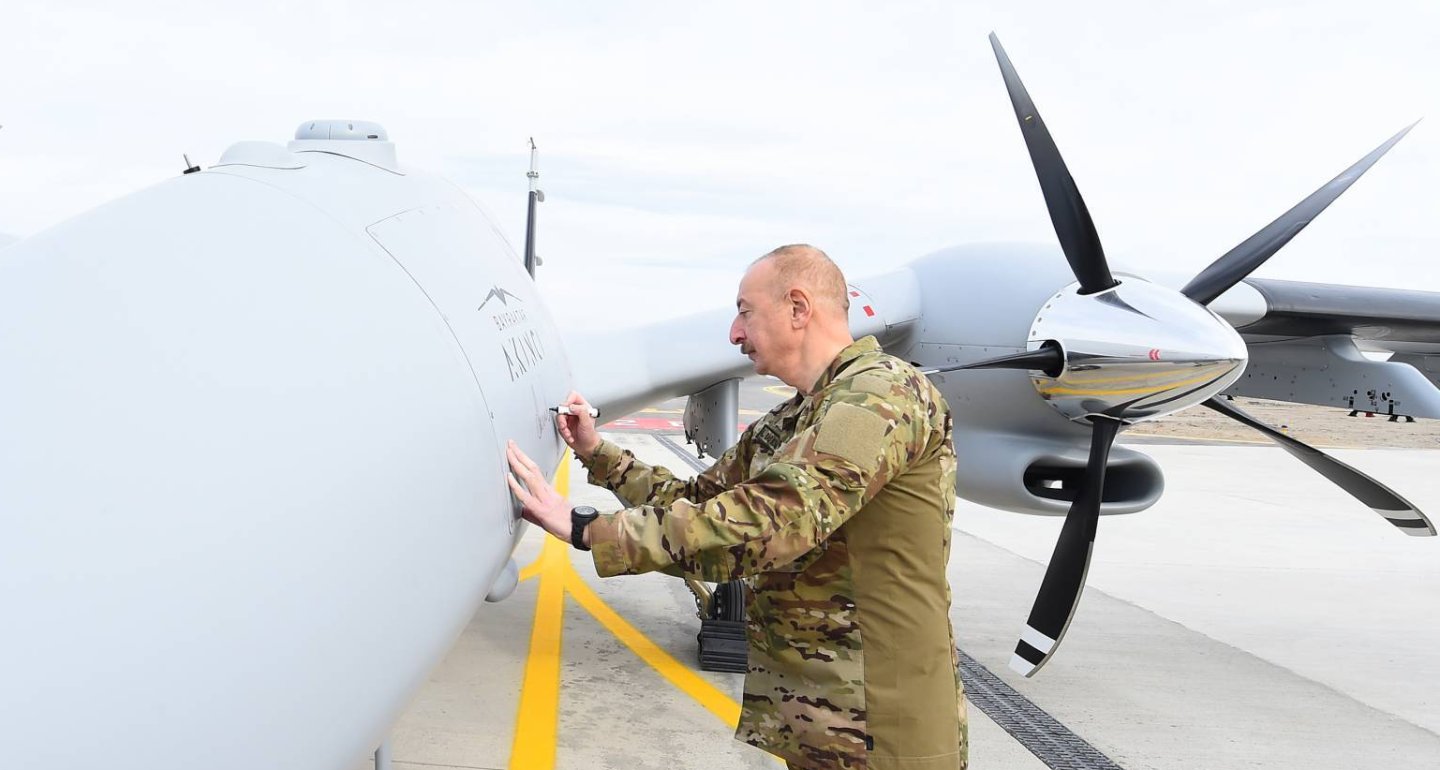
Baku’s backing for Ukraine is less about confronting Russia than about quietly broadening the mix of partners it relies on.

Zaur Shiriyev
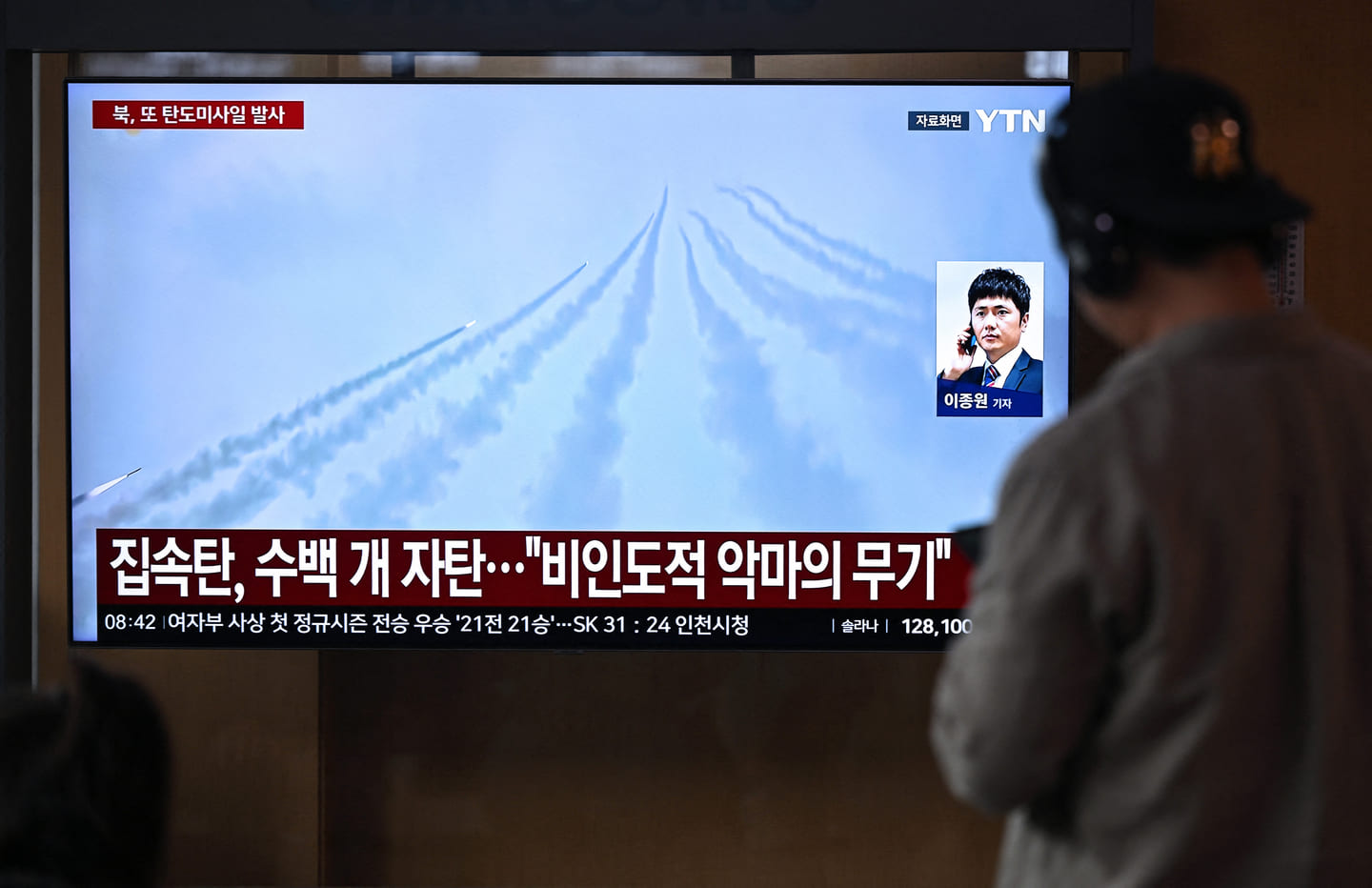
Troubled by the growing salience of nuclear debates in East Asia, Moscow has responded in its usual way: with condemnation and threats. But by exacerbating insecurity, Russia is forcing South Korea and Japan to consider radical security options.

James D.J. Brown
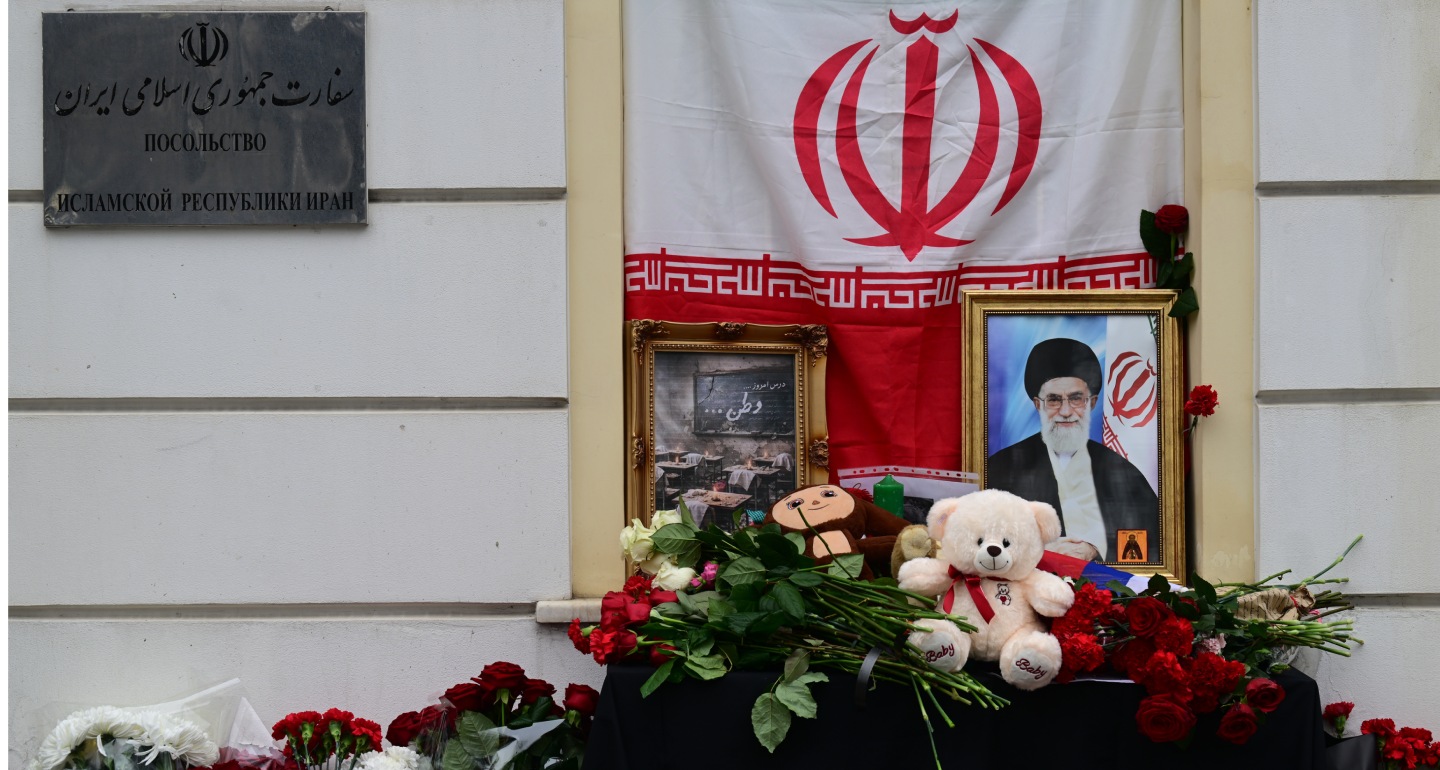
If the regime in Tehran survives, it could be obliged to hand Moscow significant political influence in exchange for supplies of weapons and humanitarian aid.

Nikita Smagin