

Commentary
If it proves impossible for the Russian authorities to avoid a gasoline deficit, the question then becomes how they will organize the distribution of a scarce resource.
Sergey Vakulenko

REQUIRED IMAGE
Within a few years, ten former communist countries are supposed to become members of the European Union (EU). The question immediately arises what this enlargement of the EU will mean to the twelve former Soviet countries of the Commonwealth of Independent States (CIS). The effects will be many and multifaceted, both qualitative and quantitative.
Source: Carnegie
Summary
Within a few years, ten former communist countries are supposed to become members of the European Union (EU). The question immediately arises what this enlargement of the EU will mean to the twelve former Soviet countries of the Commonwealth of Independent States (CIS). The effects will be many and multifaceted, both qualitative and quantitative.
This paper deals with the impact of the current EU enlargement on the CIS countries. The authors discuss the major issues, namely GDP growth, trade, financial flows, migration, and the impact on the overall economic system.
Click on link above for full text of this Carnegie Paper.
About the Authors
Anders Åslund is senior associate in the Russian and Eurasian Program at the Carnegie Endowment. Andrew Warner is an economist at the National Bureau for Economic Research.
A limited number of print copies are available.
Request a copy.

Former Senior Associate, Director, Russian and Eurasian Program
Andrew Warner
Carnegie does not take institutional positions on public policy issues; the views represented herein are those of the author(s) and do not necessarily reflect the views of Carnegie, its staff, or its trustees.
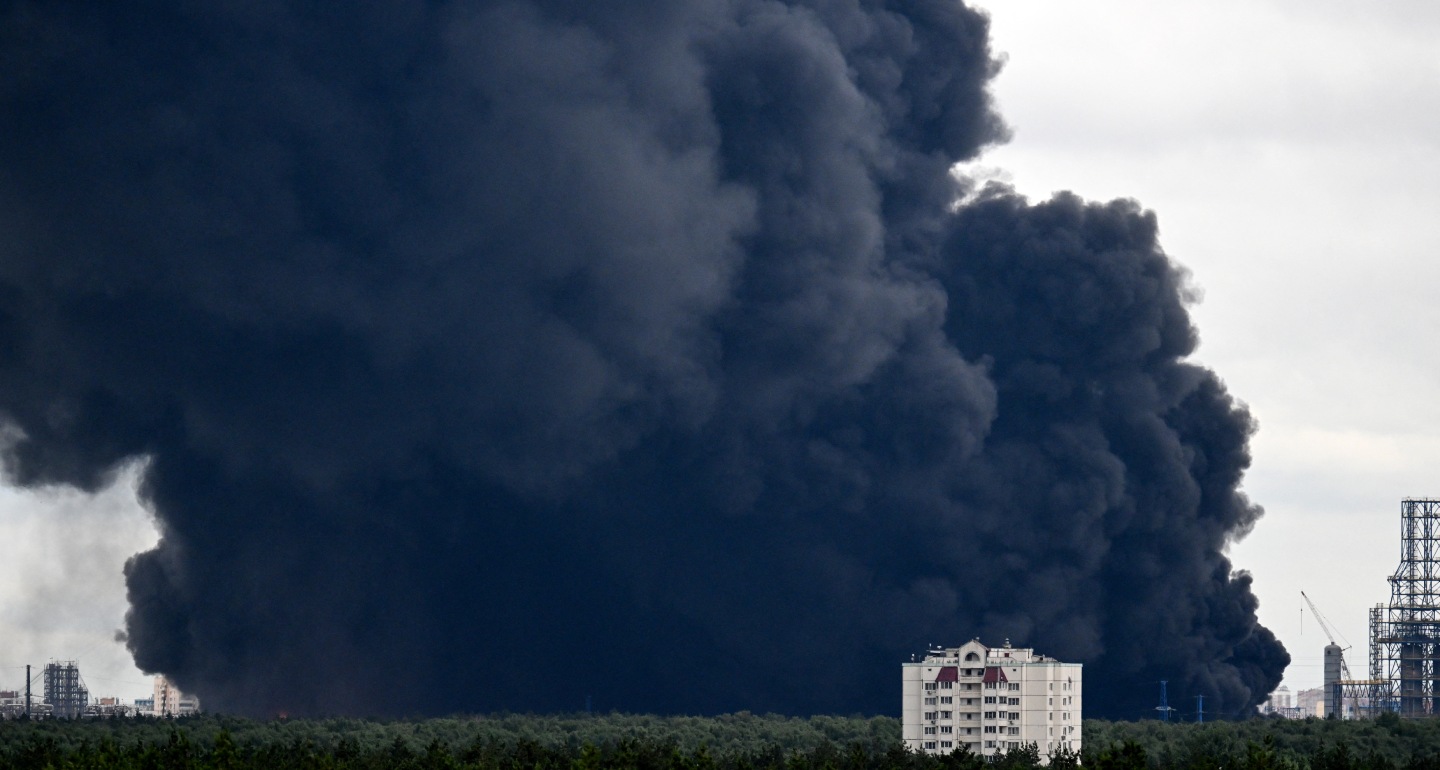
If it proves impossible for the Russian authorities to avoid a gasoline deficit, the question then becomes how they will organize the distribution of a scarce resource.

Sergey Vakulenko
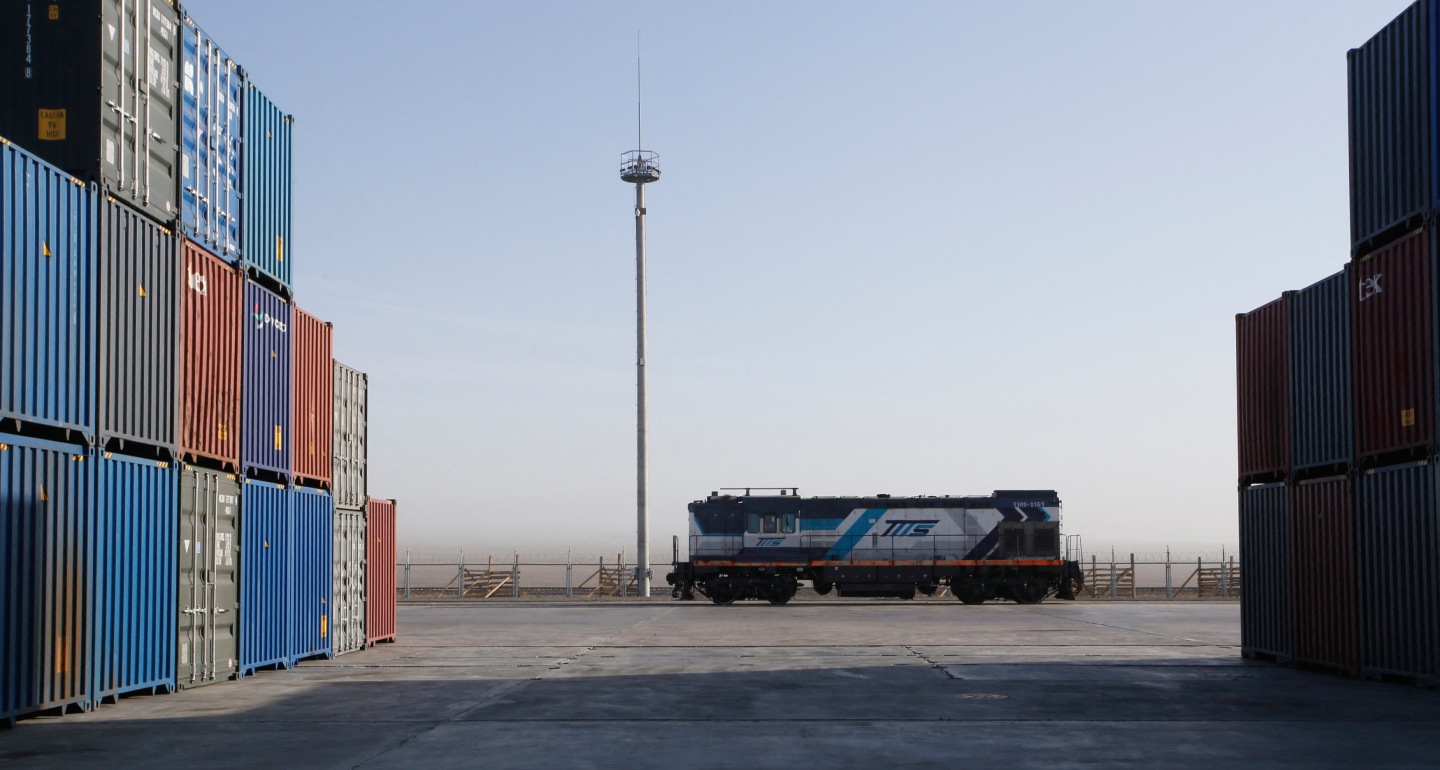
This year’s wars have made alternative routes to transit through Russia no less risky for Central Asian countries.

Galiya Ibragimova
A much-discussed disagreement over internet restrictions in Russia was never an existential threat for Putin: It was about elite groups protecting their interests.

Alexandra Prokopenko
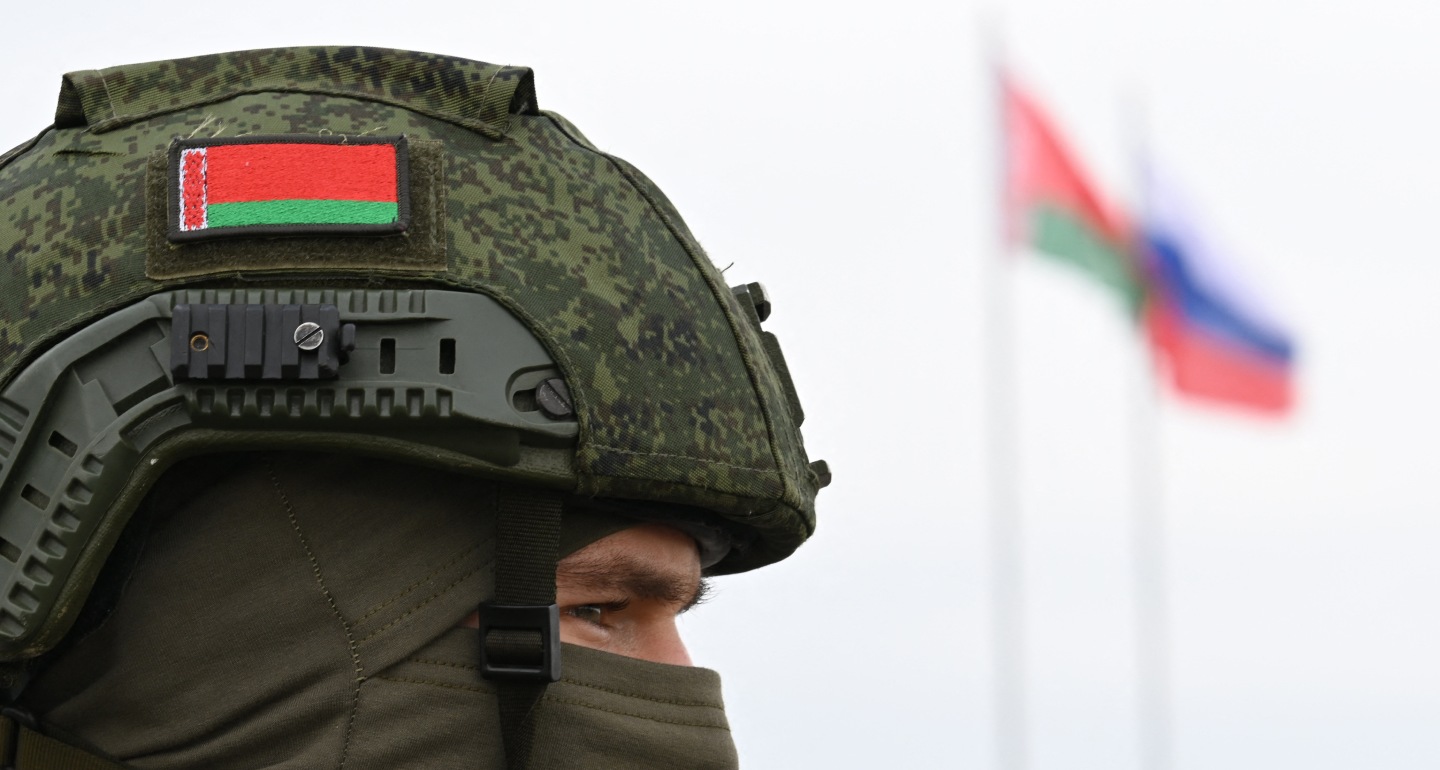
By reminding the world that Lukashenko is a threat to NATO and Ukraine, Kyiv is trying to return the focus to why the Belarusian regime needs to be contained rather than rewarded.

Artyom Shraibman

The demands of the Kremlin’s war in Ukraine, demographic problems, and public hostility toward Central Asians mean Russia does not have enough workers.
Salavat Abylkalikov