

Commentary
Not only does the fighting jeopardize regional security, it undermines Russian attempts to promote alternatives to the Western-dominated world order.
Ruslan Suleymanov

REQUIRED IMAGE
If last week’s startling explosion in North Korea were really a nuclear test, it is certain that the world would know it by now. Thanks to a combination of technological advancements and international cooperation, there are both national and international monitoring systems in place that can detect nuclear tests worldwide. These systems are able to tell us, with scientific precision, whether or not an atmospheric, space-based, underground, or underwater explosion was nuclear in nature.
If last week’s startling explosion in North Korea were really a nuclear test, it is certain that the world would know it by now. Thanks to a combination of technological advancements and international cooperation, there are both national and international monitoring systems in place that can detect nuclear tests worldwide. These systems are able to tell us, with scientific precision, whether or not an atmospheric, space-based, underground, or underwater explosion was nuclear in nature.
The most important tool at the disposal of the international community is the International Monitoring System (IMS) operated by the Preparatory Committee of the Comprehensive Test Ban Treaty Organization (CTBTO). The IMS consists of four types of monitoring facilities. Seismic stations serve to detect underground and underwater nuclear explosions by identifying different types of seismic waves. Hydroacoustic stations, located on both land and sea, monitor underwater activity by detecting sound waves. Infrasound stations are used to detect the low-frequency sound waves produced by explosions. Finally, radionuclide stations provide definitive identification of an atomic blast in any location except the most outer reaches of the atmosphere and space through their ability to detect and obtain minute quantities of unique radioactive isotopes such as the rare gases, argon, xenon and krypton. These are supplemented by a number of laboratories that can further analyze the isotopes detected and obtained by the stations.
At the end of 2003, the IMS consisted of 79 certified and fully operational stations, with another 96 completed and awaiting certification. Ultimately, the CTBTO hopes to have 321 working stations in addition to 16 radionuclide labs in 89 countries, and on all 7 continents. Of the 79 certified and operational stations, 36 are seismic, 4 are hydroacoustic, 17 are infrasound, and 22 are radionuclide. 4 of the radionuclide labs have been completed and certified. The most implemented elements of the IMS, therefore, are those that were charged with determining the nature of the recent North Korean explosion.
The IMS is not the only monitoring network in place, however. Individual states supplement the IMS capabilities with "national technical means" (NTM’s), or independent methods of gathering information on potential nuclear activity, including nuclear tests. The United States, for example, detected the emission of Krypton-85 gas, a byproduct of plutonium reprocessing, through national technical means, which likely included Krypton-85 detectors in South Korea, on ships off the North Korean coast, on spy planes, and perhaps even in Pyongyang. Although much information is classified, the U.S. Atomic Energy Detection System likely uses similar methods to independently identify nuclear tests.
These technologies cannot prevent North Korea, or any other state, from testing a nuclear weapon in the future. Only firm and well-considered diplomacy can accomplish that. But they can either assuage or confirm our fears by efficiently informing us whether or not a nuclear event has occurred.
Carnegie does not take institutional positions on public policy issues; the views represented herein are those of the author(s) and do not necessarily reflect the views of Carnegie, its staff, or its trustees.
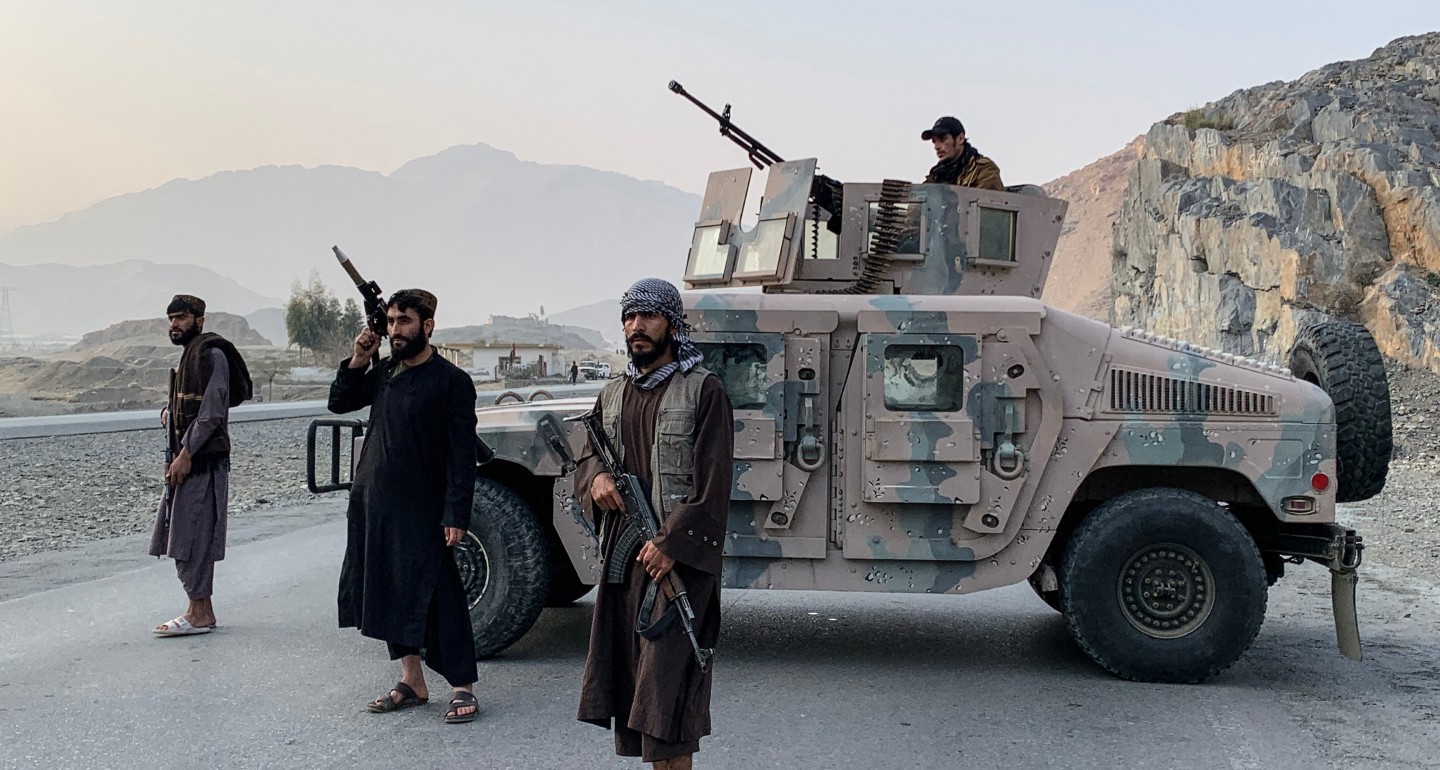
Not only does the fighting jeopardize regional security, it undermines Russian attempts to promote alternatives to the Western-dominated world order.

Ruslan Suleymanov
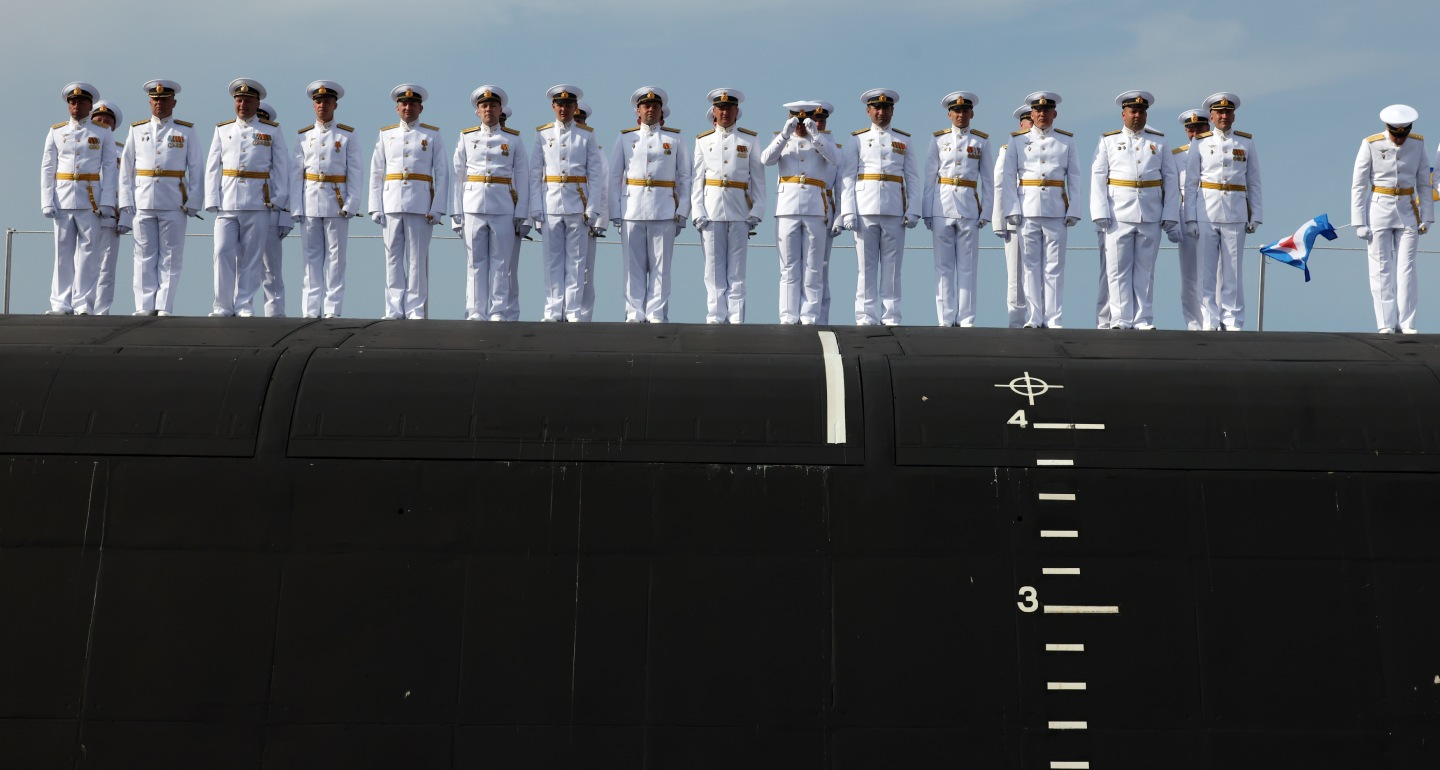
For Putin, upgrading Russia’s nuclear forces was a secondary goal. The main aim was to gain an advantage over the West, including by strengthening the nuclear threat on all fronts. That made growth in missile arsenals and a new arms race inevitable.

Maxim Starchak
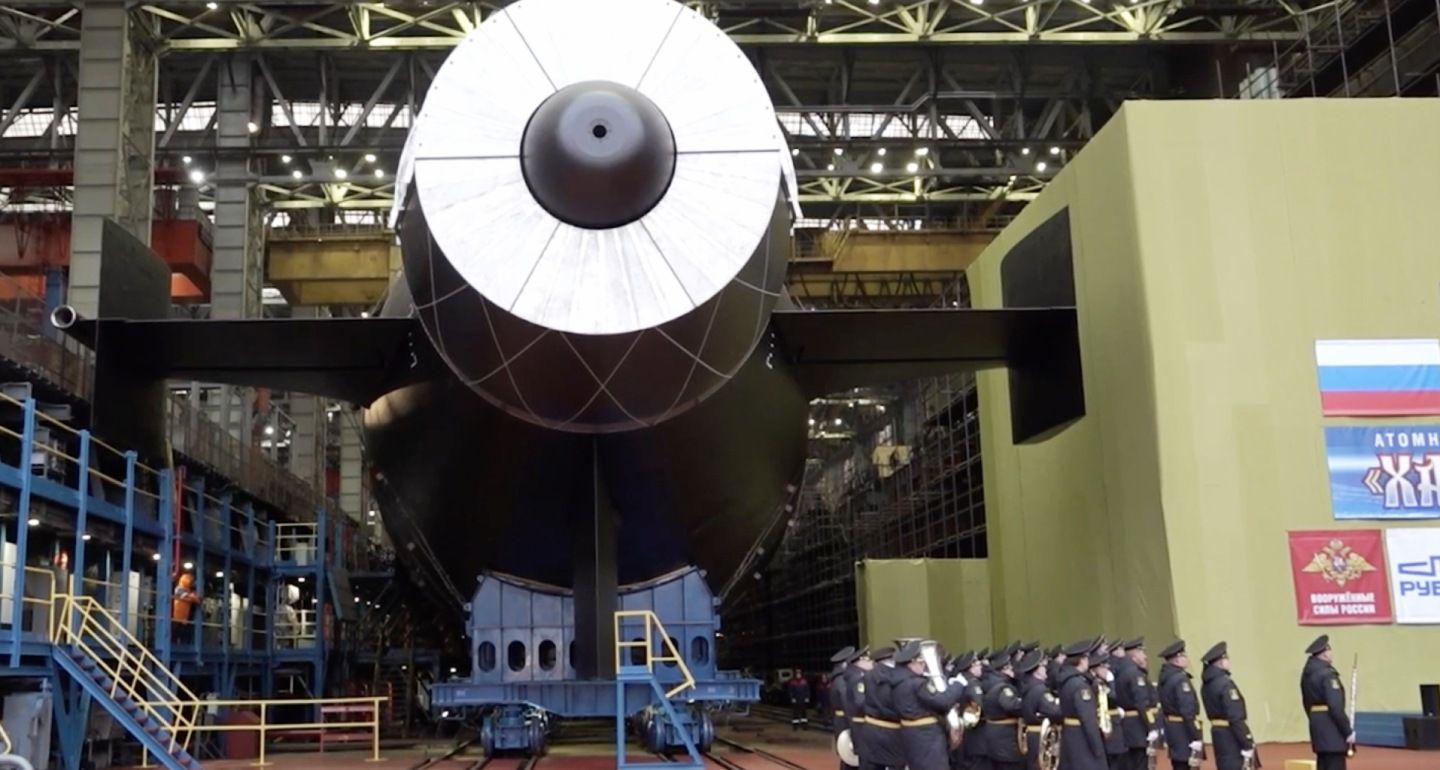
The Kremlin will only be prepared to negotiate strategic arms limitations if it is confident it can secure significant concessions from the United States. Otherwise, meaningful dialogue is unlikely, and the international system of strategic stability will continue to teeter on the brink of total collapse.
Maxim Starchak
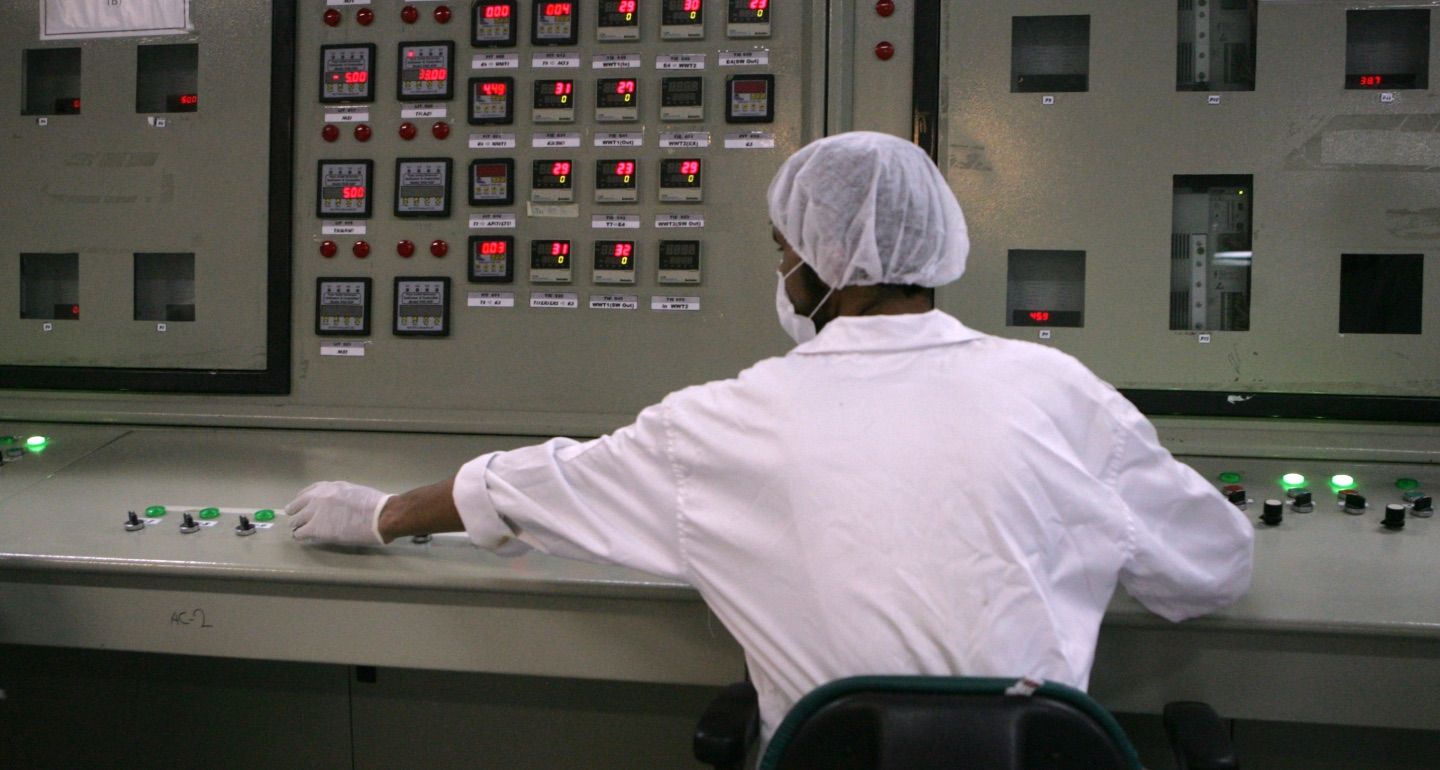
Tehran’s most urgent task is to reduce the risk of further Israeli and U.S. airstrikes. Russia’s role as a deterrent in this respect is more multifaceted than simply supplying weapons, whose real impact will only become apparent many years from now.

Nikita Smagin
The collapse of the Budapest summit is an inevitable result of the Russian system of artificially creating foreign policy crises in order to achieve a desired outcome.

Alexander Baunov