

Research
- +6
Yasmine Farouk, Nathan J. Brown, Maysaa Shuja Al-Deen, …

REQUIRED IMAGE
Source: publisher
Summary
Between 2002 and 2004, the United States accorded new prominence to political and economic reform and democratization as policy goals in the Middle East. Continuing that trend and translating rhetoric into effective strategies both depend on whether reform and democratization become fully integrated into the U.S. policy agenda in the region.
Click on link above for the full text of this Carnegie Paper.
About the Author
Michele Dunne, a visiting scholar at the Carnegie Endowment, is a visiting lecturer at Georgetown University. She served in the Department of State on assignments including the National Security Council Staff, the Secretary of State’s Planning Staff, the U.S. Embassy in Cairo and the U.S. Consulate in Jerusalem.
A limited number of print copies are available.
Request a copy

Former Nonresident Scholar, Middle East Program
Michele Dunne was a nonresident scholar in Carnegie’s Middle East Program, where her research focuses on political and economic change in Arab countries, particularly Egypt, as well as U.S. policy in the Middle East.
Recent Work


Yasmine Farouk, Nathan J. Brown, Maysaa Shuja Al-Deen, …
Robert Springborg, Emile Hokayem, Becca Wasser, …
Carnegie does not take institutional positions on public policy issues; the views represented herein are those of the author(s) and do not necessarily reflect the views of Carnegie, its staff, or its trustees.

If the Russian-speaking community in Latvia cannot articulate their interests without being seen as disloyal, they could end up embracing a pro-Kremlin agenda.

Sergejs Potapkins

Russia’s ruling party would have benefited from Putin appearing as its distant patron, but as an active frontman imposing his views on the public, he has done nothing but harm both the party’s election campaign and the ruling system overall.

Andrey Pertsev

In the tenth year of his presidency, President Mirziyoyev’s system is becoming even more personalized than that of his predecessor Karimov.

Galiya Ibragimova
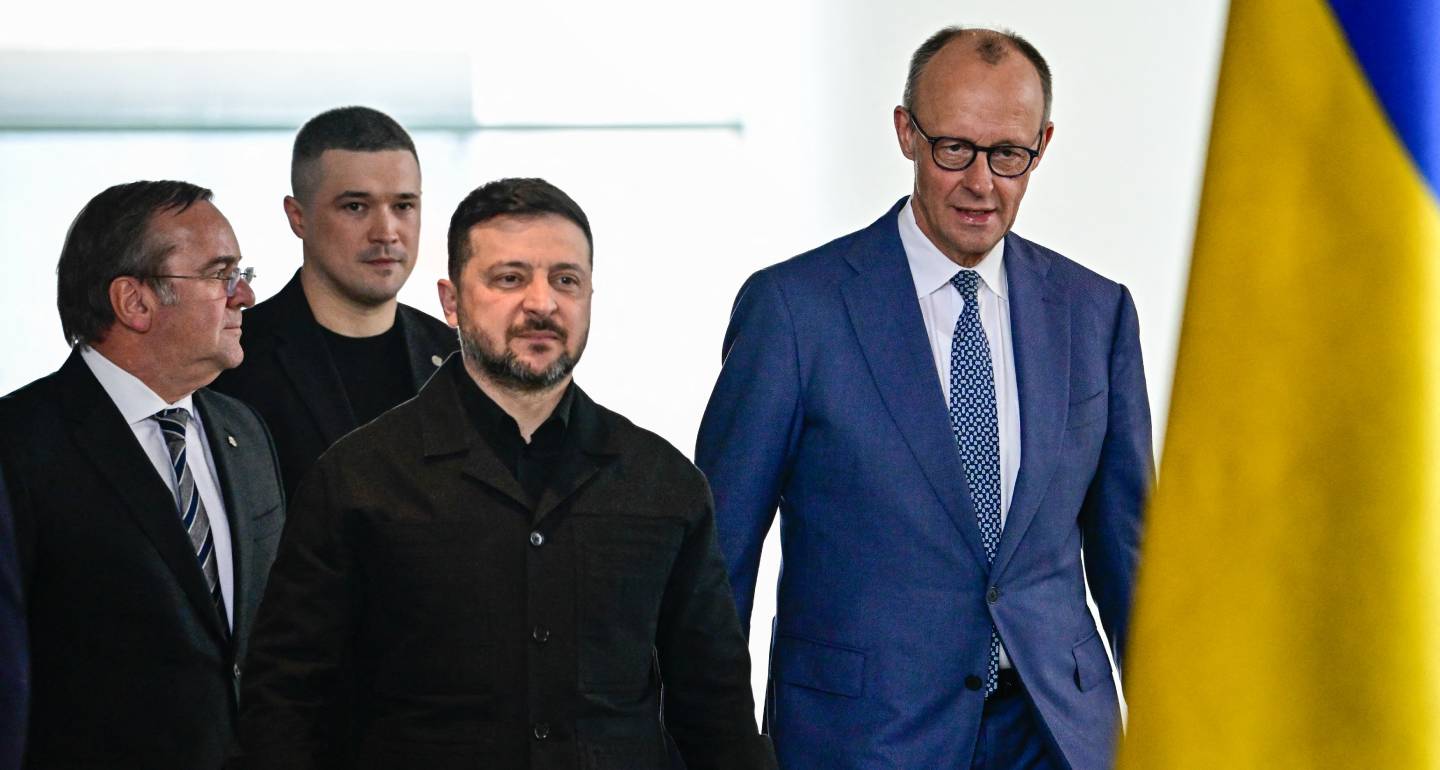
The greater threat to Zelensky comes not from Fedorov alone, but from the convergence between the former defense minister’s political campaign and the anti-corruption investigations moving ever closer to the presidential administration.

Balázs Jarábik
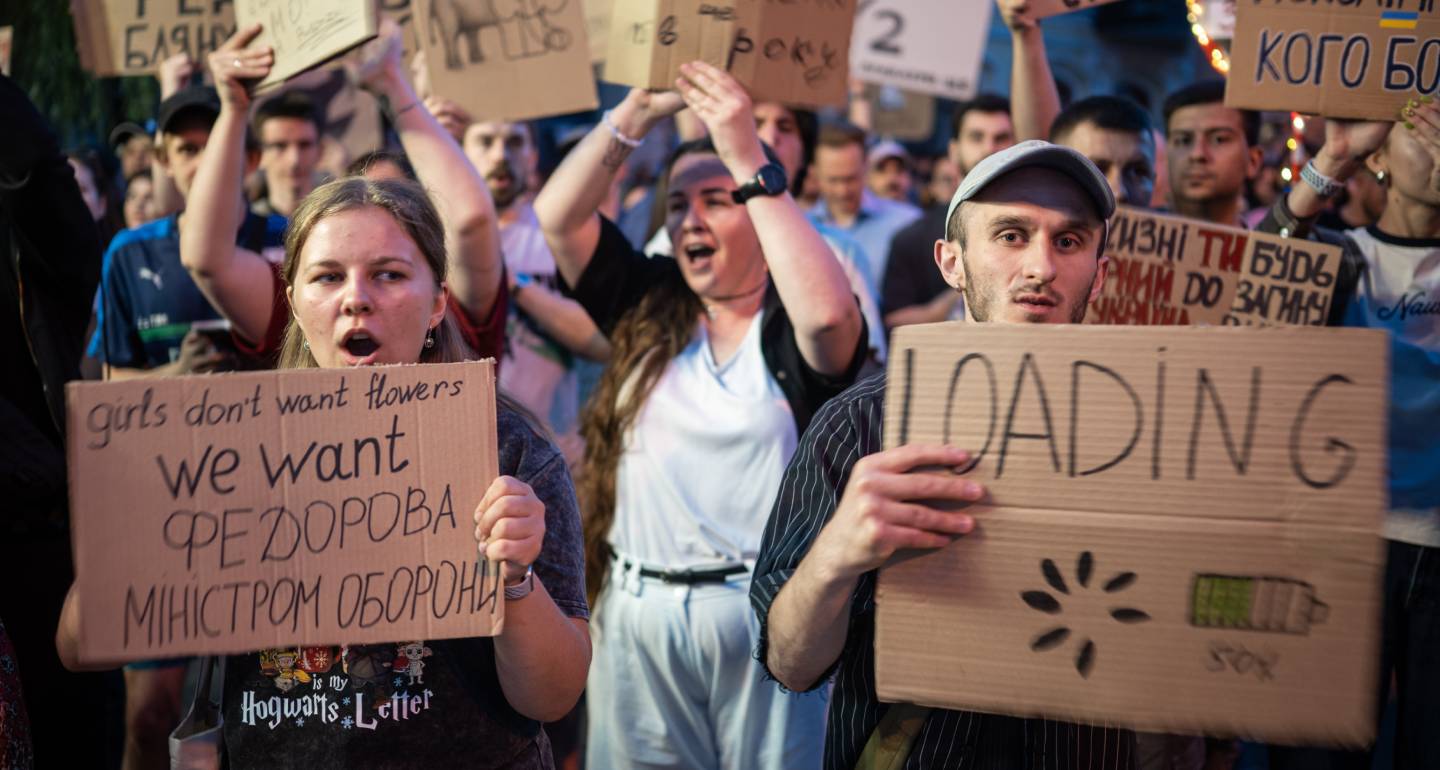
With his public call for new elections in Ukraine, ex-defense minister Mykhailo Fedorov has opened Pandora’s box.

Konstantin Skorkin