

In The Media
David Rothkopf
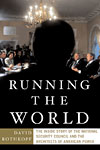
A behind-the-scenes look at "the most powerful committee in the history of the world."
Source: New York, NY: Public Affairs, 2005

A behind-the-scenes look at "the most powerful committee in the history of the world," the small group of men and women who work, often in secret, within the White House to make the most fateful decisions of our time.
Never before in the history of mankind have so few people had so much power over so many. The people at the top of the American national security establishment, the President and his principal advisors, the core team at the helm of the National Security Council, are without question the most powerful committee in the history of the world.Yet, in many respects, they are among the least understood.
A former senior official in the Clinton Administration himself, David Rothkopf served with and knows personally many of the NSC's key players of the past twenty-five years. In Running the World he pulls back the curtain on this shadowy world to explore its inner workings, its people, their relationships, their contributions and the occasions when they have gone wrong. He traces the group's evolution from the final days of the Second World War to the post-Cold War realities of global terror—exploring its triumphs, its human dramas and most recently, what many consider to be its breakdown at a time when we needed it most.
Drawing on an extraordinary series of insider interviews with policy makers including Condoleezza Rice, Colin Powell, Henry Kissinger, senior officials of the Bush Administration, and over 130 others, the book offers unprecedented insights into what must change if America is to maintain its unprecedented worldwide leadership in the decades ahead.
About the Author
David J. Rothkopf, visiting scholar at the Carnegie Endowment for International Peace served as deputy under secretary of commerce during the Clinton Administration, as Chairman and CEO of Intellibridge Corporation, a provider of international analysis to the national security community, and as managing director of Kissinger Associates. A well-known commentator for leading newspapers and magazines, he has taught international relations at Columbia University; written, co-authored or edited five other books on international and information age themes; and is a member of the Council on Foreign Relations and the President's Advisory Council of the U.S. Institute of Peace.
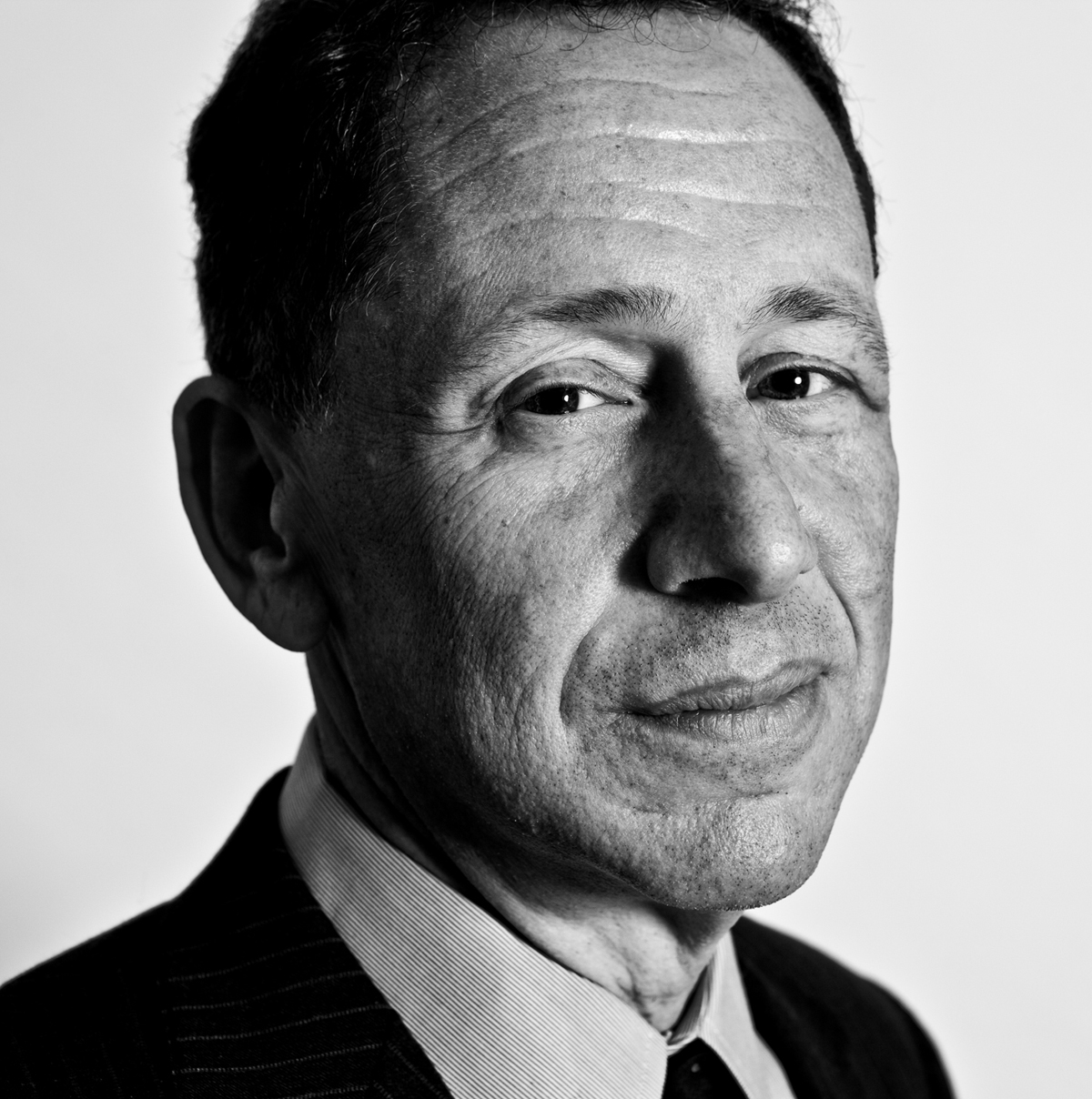
Former Visiting Scholar
David Rothkopf was a visiting scholar at the Carnegie Endowment as well as the former CEO and editor in chief of the FP Group.
Recent Work
David Rothkopf
David Rothkopf
Carnegie does not take institutional positions on public policy issues; the views represented herein are those of the author(s) and do not necessarily reflect the views of Carnegie, its staff, or its trustees.

Without a ceasefire with Ukraine on attacking each other’s energy infrastructure—to which the Kremlin is unlikely to agree—the diesel agreement between Putin and Trump is largely for show, rather than representing a genuine increase in the volumes of Russian diesel on the global market.

Sergey Vakulenko

Russian strikes are weakening the economy sustaining Ukraine’s war effort. Closing the growing funding gap will require more European support and politically contentious reforms in Kyiv.

Balázs Jarábik

Despite a new textbook, an influx of Russian teachers and managers, and an end to the teaching of Ukrainian, the Kremlin is unlikely to have “reprogrammed” locals.

Konstantin Skorkin

Cargo traffic through Russia’s Northern Sea Route has increased because of the disruption caused by the conflict in the Middle East, the Ukraine war, and U.S.-China tensions.

Mikhail Korostikov

Trump has promised Belarus a massive potash deal. But Minsk is seeking something greater: restored Western transit and greater room for maneuver from Russia.
Balázs Jarábik