• Research
  • Politika
  • About
Carnegie Russia Eurasia center logoCarnegie lettermark logo
  • Donate
Managing Relations with the United States
Book

Managing Relations with the United States

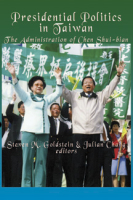
Chen Shui-Bien focused excessively on electoral politics in Taiwan, allowing them to trump a careful consideration of the long-term strategic importance of its delicate relationship with the United States.

Link Copied
By Michael D. Swaine
Published on Jun 30, 2005

Source: EastBridge

Michael Swaine focuses on Taiwan's relationship with the United States.  The Chen administration "traveresed the full spectrum of relations with the United States: from trusted democratic friend and quasi-ally with increasingly convergent views, to highly distrusted and disliked leader, viewed by Washington as potentially disruptive of some vital U.S. interests".  Swaine places the blame for this change squarely at Chen's door.  Electoral politics trumped a careful consideration of the long-term strategic importance of the delicate relationship with the United States.  Although the strains of the relationship were clear, in his second term Chen continued to "push the envelope" on the independence issue.  But, Swaine concludes, the general public, having been to the brink of exacerbated relations with the United States and potential conflict with the Mainland, may become increasingly attracted to a middle course of pragmatism in cross-Strait relations. 

This book is available from EastBridge. 
To order the book from EastBridge, please
click here.

About the Author

Michael D. Swaine

Former Senior Fellow, Asia Program

Swaine was a senior fellow at the Carnegie Endowment for International Peace and one of the most prominent American analysts in Chinese security studies.

    Recent Work

  • Other
    What Kind of Global Order Should Washington and Beijing Strive For?

      Michael D. Swaine

  • Commentary
    A Smarter U.S. Strategy for China in Four Steps

      Michael D. Swaine

Michael D. Swaine
Former Senior Fellow, Asia Program
Michael D. Swaine
East AsiaChinaTaiwan

Carnegie does not take institutional positions on public policy issues; the views represented herein are those of the author(s) and do not necessarily reflect the views of Carnegie, its staff, or its trustees.

More Work from Carnegie Russia Eurasia Center

  • Commentary
    Carnegie Politika
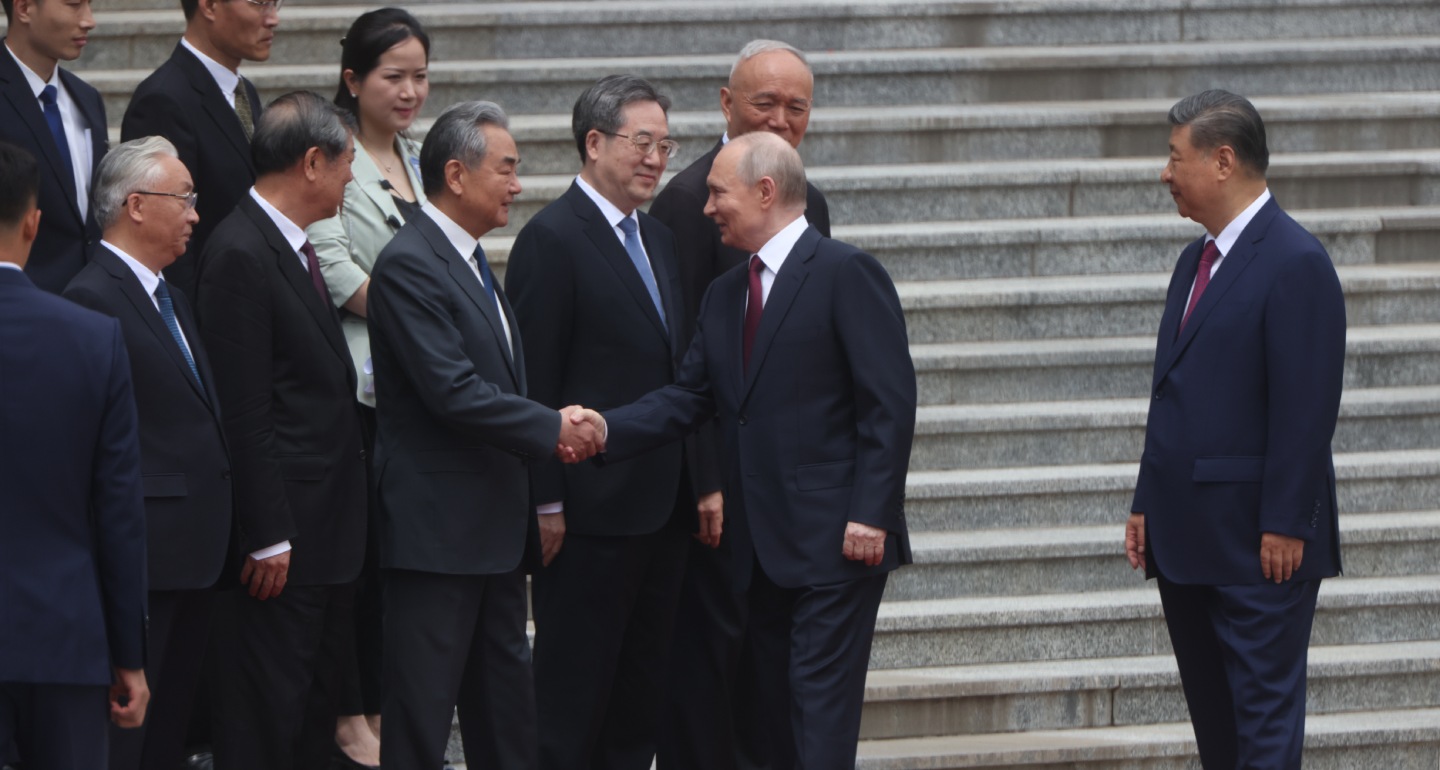
    Why Are China and Russia Not Rushing to Help Iran?

    Most of Moscow’s military resources are tied up in Ukraine, while Beijing’s foreign policy prioritizes economic ties and avoids direct conflict.   

      • Alexander Gabuev

      Alexander Gabuev, Temur Umarov

  • Commentary
    Carnegie Politika
    How Trump’s Wars Are Boosting Russian Oil Exports

    The interventions in Iran and Venezuela are in keeping with Trump’s strategy of containing China, but also strengthen Russia’s position.

      • Mikhail Korostikov

      Mikhail Korostikov

  • Commentary
    Carnegie Politika
    Japan’s “Militarist Turn” and What It Means for Russia

    For a real example of political forces engaged in the militarization of society, the Russian leadership might consider looking closer to home.

      James D.J. Brown

  • Commentary
    Carnegie Politika
    A New World Police: How Chinese Security Became a Global Export

    China has found a unique niche for itself within the global security ecosystem, eschewing military alliances to instead bolster countries’ internal stability using law enforcement. Authoritarian regimes from the Central African Republic to Uzbekistan are signing up.

      Temur Umarov

  • Commentary
    Carnegie Politika
    Is There Really a Threat From China and Russia in Greenland?

    The supposed threats from China and Russia pose far less of a danger to both Greenland and the Arctic than the prospect of an unscrupulous takeover of the island.

      Andrei Dagaev

Get more news and analysis from
Carnegie Russia Eurasia Center
Carnegie Russia Eurasia logo, white
  • Research
  • Politika
  • About
  • Experts
  • Events
  • Contact
  • Privacy
Get more news and analysis from
Carnegie Russia Eurasia Center
© 2026 Carnegie Endowment for International Peace. All rights reserved.