

Paper
Paul Salem
Five months after the end of the war, Lebanon, Israel and the region are still feeling its aftereffects. In Lebanon, the claims of victory were mixed with a sober assessment of the massive socioeconomic losses, and the popular unity during the war was followed by deep division and rising tensions.
Five months after the end of the war, Lebanon, Israel, and the region are still feeling its aftereffects. In Lebanon, the claims of victory were mixed with a sober assessment of the massive socioeconomic losses, and the popular unity during the war was followed by deep division and rising tensions. In Israel, the sense of failure was confirmed with official investigations into the handling of the war, resignations, and political infighting. In the region, popular support for Hizbollah during the war was followed by a more mixed response to its role in the protests that began in December. Syria and Iran also had a mixed response to the war, finding both benefit and loss in its outcome. The U.S. administration also had a mixed reading of the war, feeling that some of its interests had been served and others had been frustrated. Five months after the end of the war, the players are still assessing its effects.
Click on PDF icon above to read the full chapter from a forthcoming book by the Center for Arab Unity Studies.
Senior Fellow at the Middle East Institute
Paul Salem is a senior fellow at the Middle East Institute.
Recent Work
Paul Salem
Paul Salem
Carnegie does not take institutional positions on public policy issues; the views represented herein are those of the author(s) and do not necessarily reflect the views of Carnegie, its staff, or its trustees.
The return of parliamentary politics reflects a broader shift from earlier expectations of a settlement and elections toward the reality of a prolonged war.

Balázs Jarábik
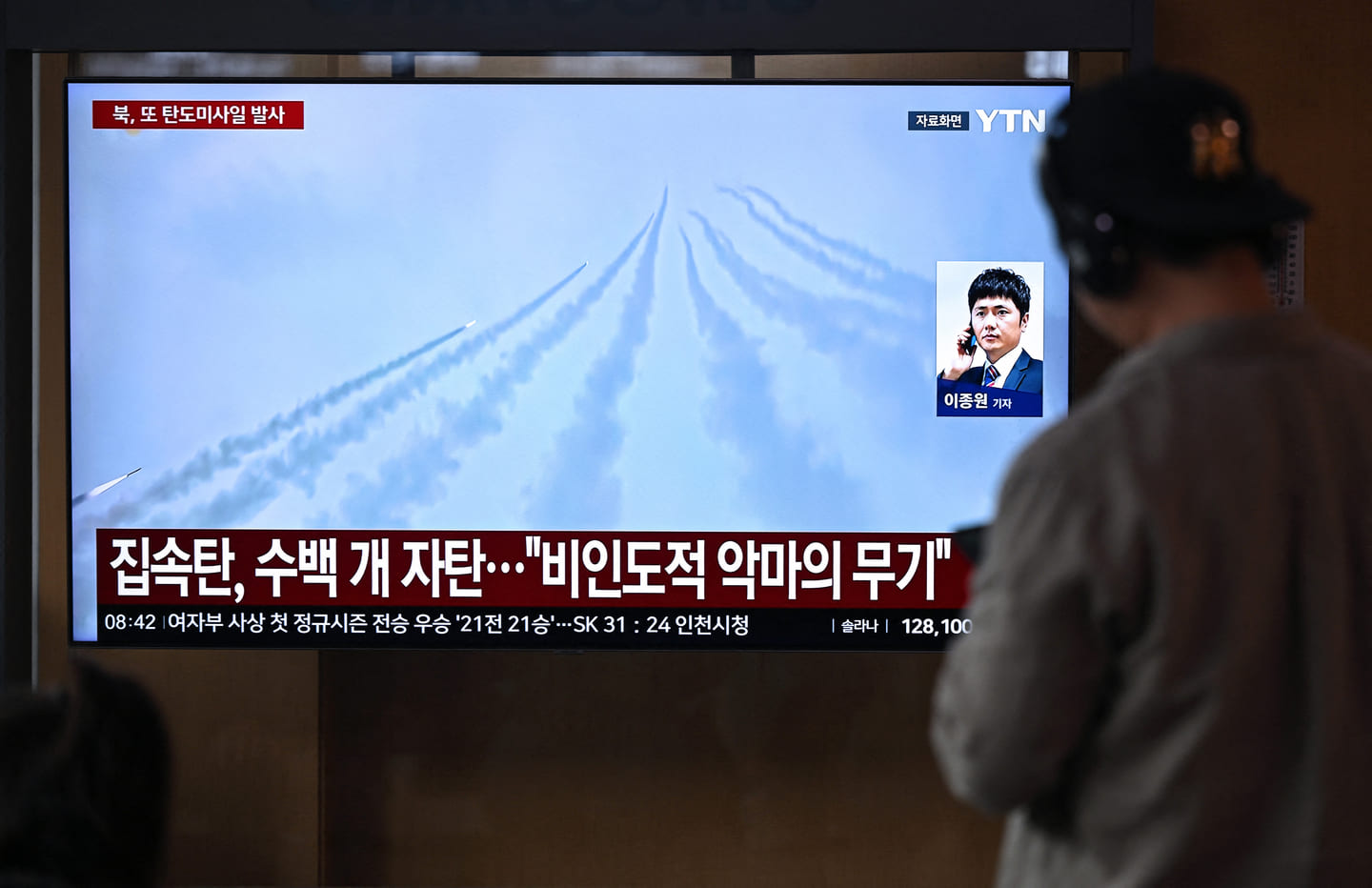
Troubled by the growing salience of nuclear debates in East Asia, Moscow has responded in its usual way: with condemnation and threats. But by exacerbating insecurity, Russia is forcing South Korea and Japan to consider radical security options.

James D.J. Brown
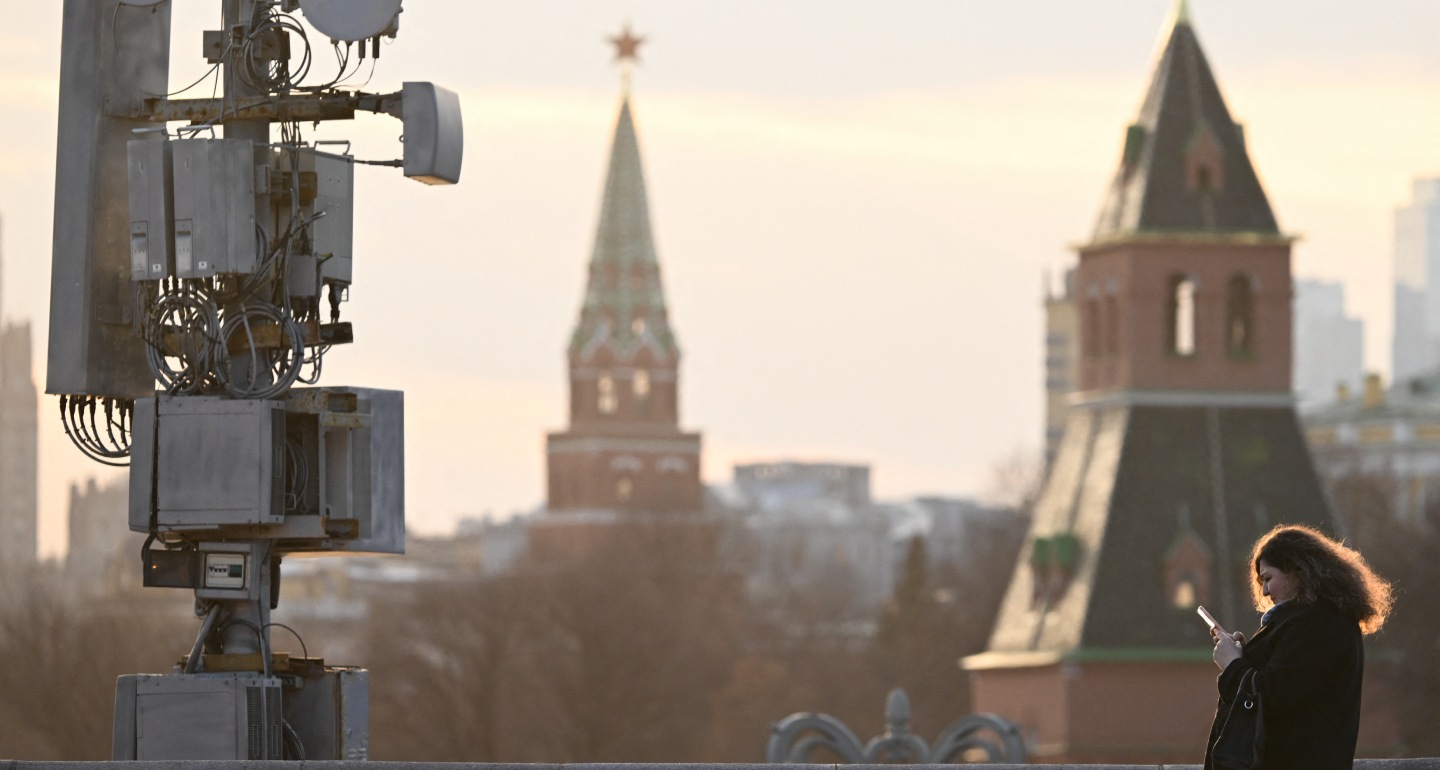
The Russian state has opted for complete ideological control of the internet and is prepared to bear the associated costs.

Maria Kolomychenko
Powerful lobbyists and inertia led to Russia’s coal-mining sector missing an excellent opportunity to solve its structural problems.
Alexey Gusev
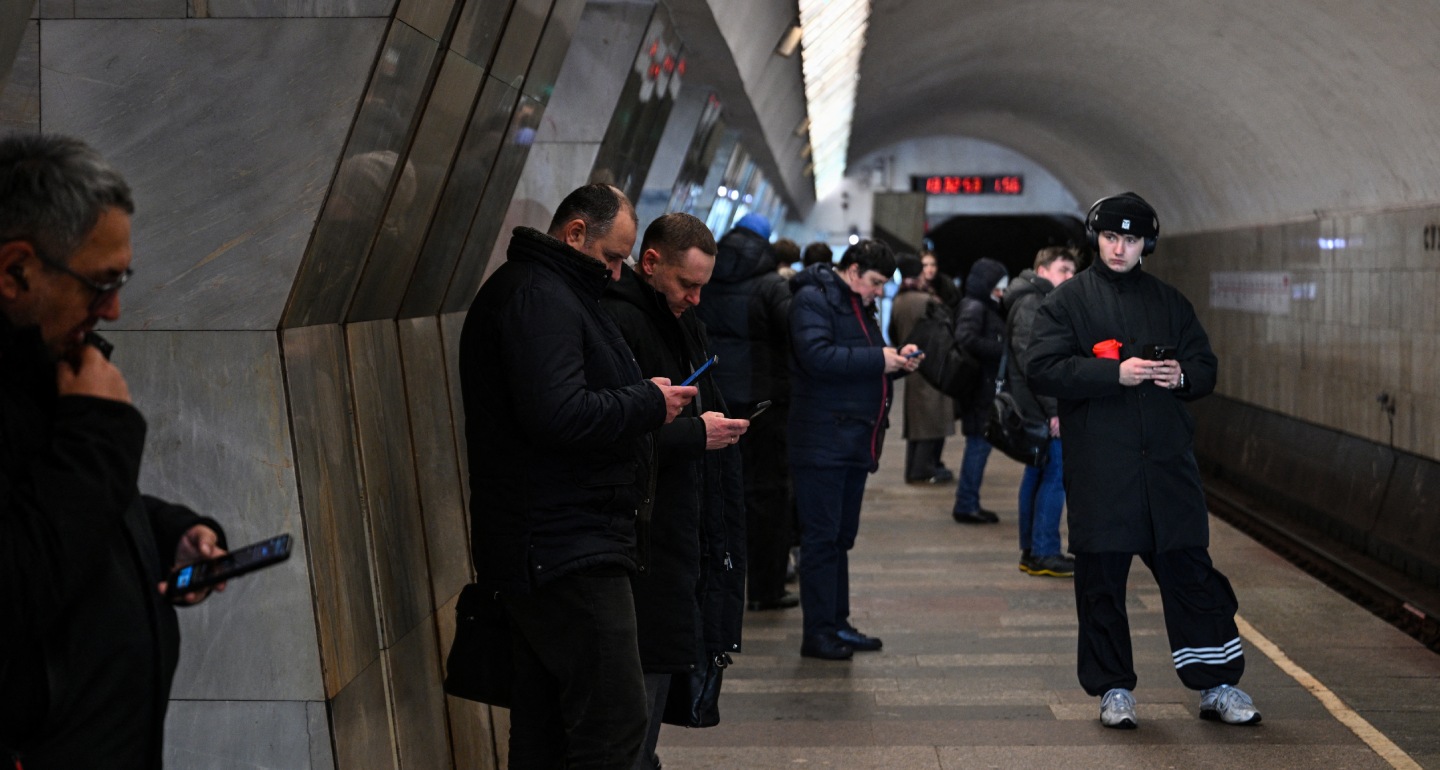
After four years of war, there is no one who can stand up to the security establishment, and President Vladimir Putin is increasingly passive.

Tatiana Stanovaya