

Commentary
Dmitri Trenin
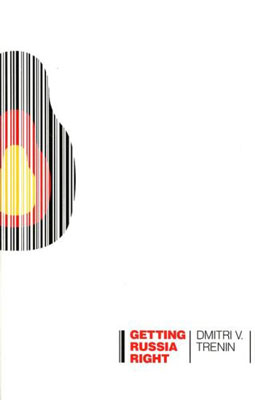
This book sheds new light on our understanding of contemporary Russia, providing Western audiences with an insider’s explanation of how the country has arrived at its current position and how the United States and Europe can deal with it more productively.
Source: Washington

Insightful and optimistic, Getting Russia Right offers policy makers, students, and stakeholders in the U.S.–Russia relationship an understanding of what Russia is—and is not. Russia will matter in the foreseeable future, and Trenin’s innovative and objective analysis provides an understanding that is crucial to rebuilding relationships among the world’s key players.
Dmitri V. Trenin is deputy director of the Carnegie Moscow Center, a senior associate of the Carnegie Endowment, and chair of the Moscow Center’s Foreign and Security Policy Program. He has been with the center since its inception in 1993. He is author of Russia’s Restless Frontier: The Chechnya Factor in Post-Soviet Russia (with Aleksei V. Malashenko, 2004) and The End of Eurasia: Russia on the Border Between Geopolitics and Globalization (2002), both published by the Carnegie Endowment.
“It is a pleasure to read a serious analysis by a Russian of contemporary Russia and its foreign policy that is not distorted by at best thinly veiled imperial nostalgia. One can agree with Trenin on many points and disagree also on many, but throughout one knows that one is dealing with a serious interlocutor, seriously concerned about the future of his important country—and who in some ways foreshadows the kind of elite that eventually will take Russia into the democratic West.”
—Zbigniew Brzezinski, counselor and trustee, Center for Strategic and International Studies, and national security adviser to President Carter from 1977 to 1981
"One could ask for no better guides than Trenin ... combine extraordinary intellectual sophistication and an ability to think outside their national skins with hardheaded realism—analytic skills applied equally well to Western policies toward their country."
—Robert Legvold, Foreign Affairs
"The great merit of Dmitri Trenin is that he offers an analysis of what Vladimir Putin has achieved more convincing than most and suggests the broad outlines of how the new Russia is shaping up: his book should be compulsory reading for any western diplomat or businessman whose business is to engage with Russia."
—Francis Ghilés, Politica Exterior
“Dmitri Trenin distills an enormous amount of wisdom in this concise, well written book. Russia matters, and the West needs to view it as an emerging capitalist society rather than a failed democratic polity. Property rights, a new middle class, and integration into world markets promise a way forward. Everyone interested in Russia should read this excellent book.”
—Joseph S. Nye, Jr., University Distinguished Service Professor, Harvard University, and author of Soft Power: The Means to Success in World Politics
Former Director, Carnegie Moscow Center
Trenin was director of the Carnegie Moscow Center from 2008 to early 2022.
Recent Work
Dmitri Trenin
Dmitri Trenin
Carnegie does not take institutional positions on public policy issues; the views represented herein are those of the author(s) and do not necessarily reflect the views of Carnegie, its staff, or its trustees.

Depleted financial reserves and a shrinking tax base mean it is no longer possible to simultaneously deliver high defense spending, price stability, and economic growth.

Alexandra Prokopenko

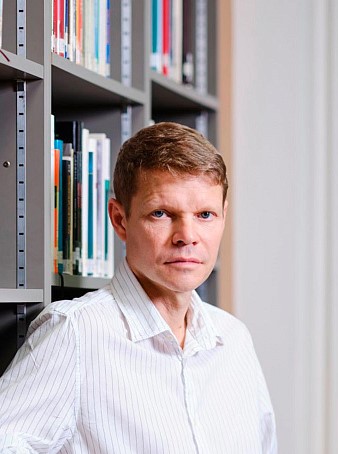
Blurring the line between humans and animals is a long-standing tradition in social utopian prose. In his latest novel, Leonid Bershidsky reminds us that in social experiments, people are often treated no differently than animals.
Alexander Baunov
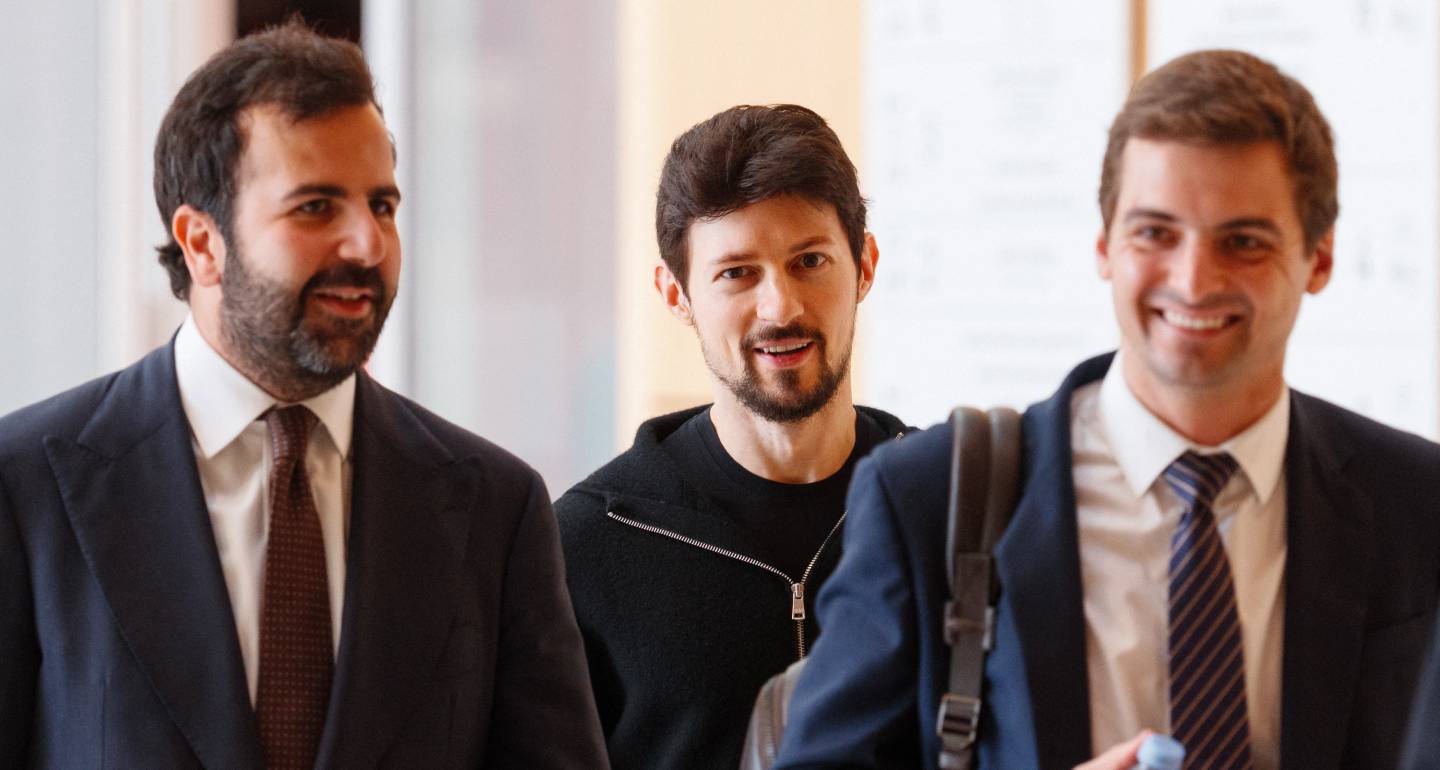
While France and Australia are seeking to establish the legal obligations of messaging apps like Telegram, Russia wants total subordination.

Maria Kolomychenko
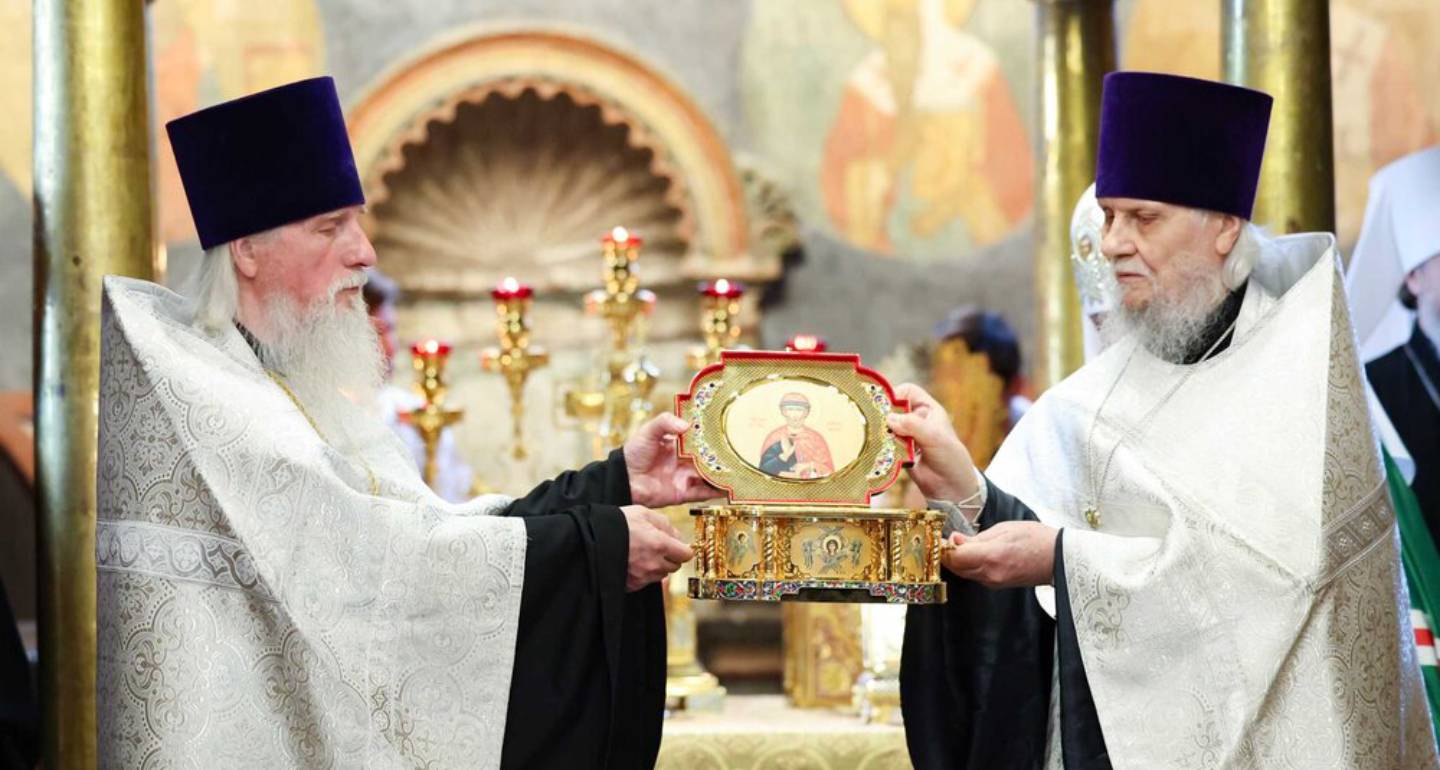
The recent uncovering of Dmitry Donskoy’s relics in the Cathedral of the Archangel is yet another attempt by the Russian Orthodox Church to help the state solve its problems. However, parroting the state’s version of Russian history leaves the Church with no message except “patriotism.”
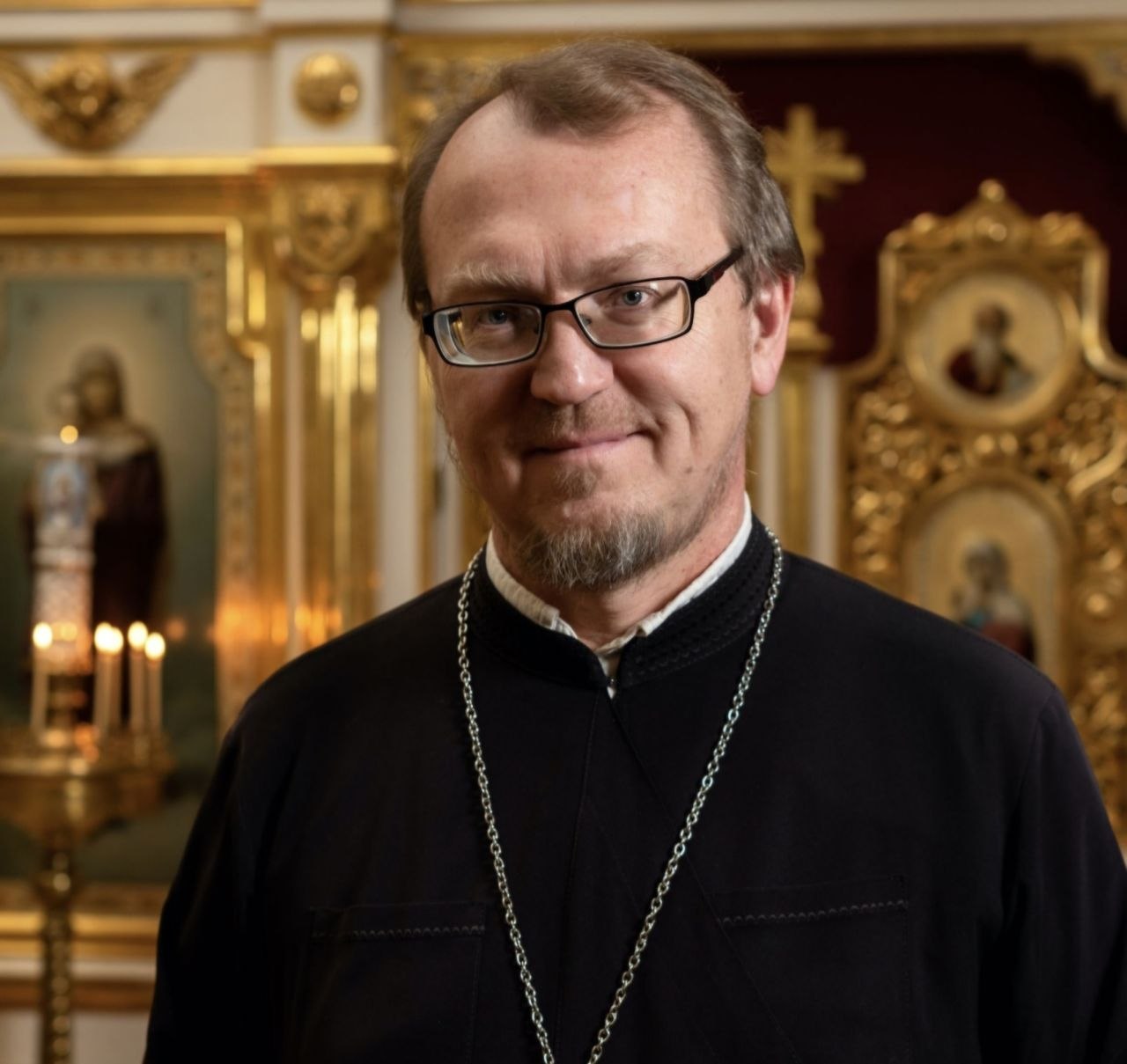
Alexander Zanemonets

With the growth in points of friction between the great powers, organizations like the SCO will continue to play a role in the strategic adaptation of the smaller powers caught between them.

Temur Umarov