

Article
Pierre Goldschmidt
The United States and Russia should agree on concrete actions to strengthen the nonproliferation regime as a follow-up to the April 2008 Strategic Framework Declaration.
Source: CSIS/IFRI Report

The present analysis has identified five areas (among many others) where the United States, Russia, and the European Union should closely cooperate in order to strengthen the nonproliferation regime: enforcing UN Security Council resolutions on Iran; addressing cases of noncompliance; improving security of supply and discouraging the spread of sensitive technologies; strengthening export criteria for the Nuclear Suppliers Group; and preparing the 2010 Nuclear Non-Proliferation Treaty review conference.
This study is part of a series being published by the joint CSIS/IFRI project “Europe, Russia, and the United States: Finding a New Balance,” which seeks to reframe the trilateral relationship for the relevant policymaking communities.

Former Nonresident Senior Associate, Nuclear Policy Program
Goldschmidt was a nonresident senior associate at the Carnegie Endowment.
Recent Work
Pierre Goldschmidt
Pierre Goldschmidt
Carnegie does not take institutional positions on public policy issues; the views represented herein are those of the author(s) and do not necessarily reflect the views of Carnegie, its staff, or its trustees.

Cargo traffic through Russia’s Northern Sea Route has increased because of the disruption caused by the conflict in the Middle East, the Ukraine war, and U.S.-China tensions.

Mikhail Korostikov
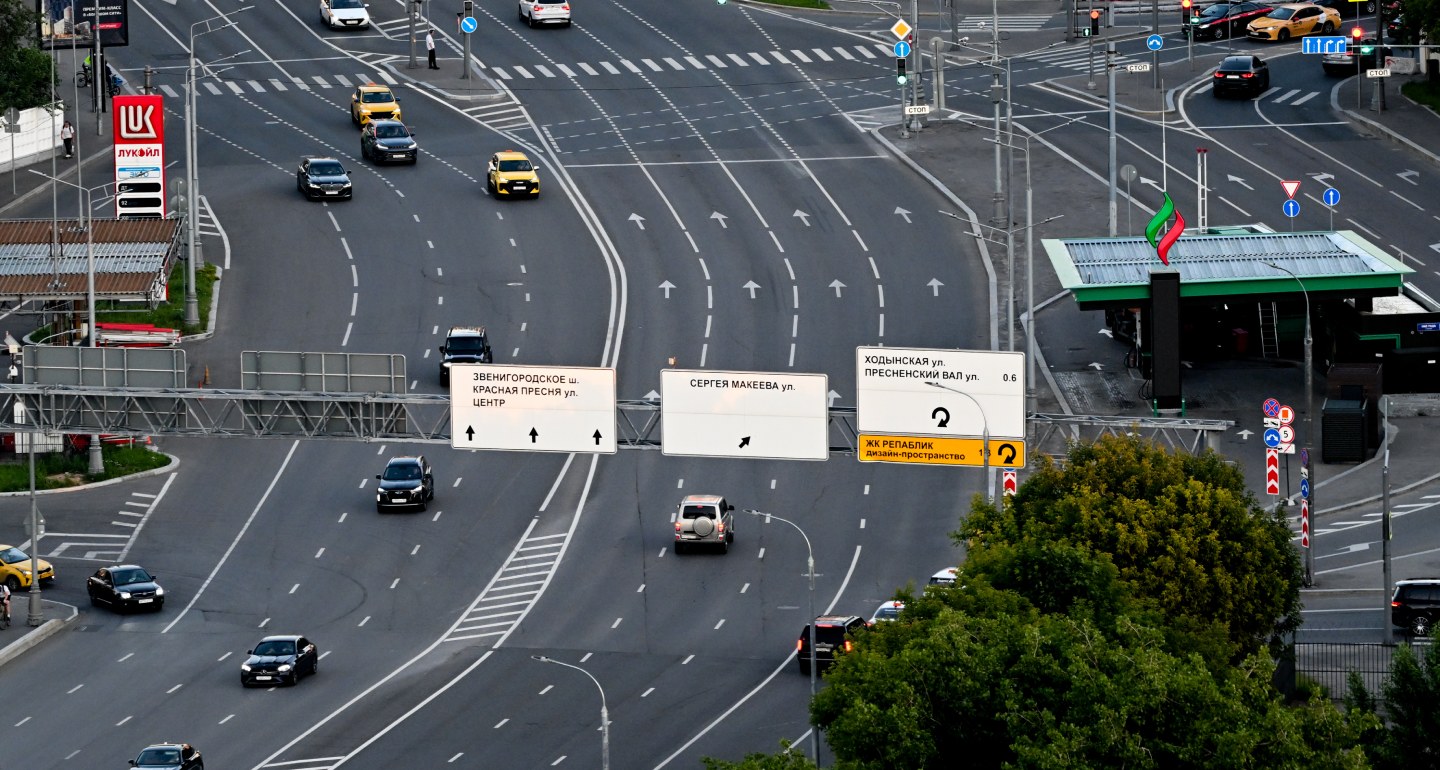
An analysis of traffic accident data suggests that Ukrainian drone attacks caused a material but not disastrous fall in Russian gasoline consumption over the summer.

Sergey Vakulenko

Sergei Kiriyenko used Russia’s parliamentary vote to further hone his strategy of corporate mobilization that is designed to maximize votes for United Russia.

Andrey Pertsev

Trump has promised Belarus a massive potash deal. But Minsk is seeking something greater: restored Western transit and greater room for maneuver from Russia.

Balázs Jarábik

The European far right might fail to steer EU policy in the direction Russia wants, but they will create enough chaos inside Europe to benefit the Kremlin.

Dimitar Bechev