

Other
Sharon Squassoni
Source: Getty
This analysis compares U.S. law, the draft U.S.-India nuclear cooperation agreement, the answers to the questions for the record and Indian official statements on the potential consequences of another Indian nuclear weapons test on U.S.-Indian nuclear cooperation. The answers to the questions for the record reveal gaps in U.S. and Indian interpretations.
On September 2, 2008, Chairman of the House Foreign Affairs Committee Howard Berman released answers to questions for the record submitted to the State Department in October 2007. These answers were previously not released by State Department request. The Arms Control Association held a press conference at the Carnegie Endowment's Washington office on September 2 to discuss some of the issues (http://www.armscontrol.org/node/3336).
This analysis compares U.S. law, the draft U.S.-India nuclear cooperation agreement, the answers to the questions for the record and Indian official statements on the potential consequences of another Indian nuclear weapons test on U.S.-Indian nuclear cooperation. The answers to the questions for the record reveal gaps in U.S. and Indian interpretations.
Given these gaps, it is imperative that the Nuclear Suppliers Group clearly rule out the continuation of nuclear supply to India in the event of an Indian nuclear weapon test, as it considers a potential exemption to its guidelines for nuclear trade with India this week. Half measures, such as required consultations, should be rejected.
The NSG should consider other conditions as well, including a ban on the transfer of sensitive nuclear technology (related to uranium enrichment and spent fuel reprocessing). This analysis does not cover that issue, but the answers to the questions for the record indicate that the U.S. has categorically rejected such transfers. The Nuclear Suppliers Group should follow the U.S. lead here. As long as India is producing fissile material for nuclear weapons, it will be impossible to ensure that cooperation in this area could not help its weapons program. IAEA safeguards do not cover technology, and there are no measures to prevent the transfer of knowledge.
Other conditions, such as India signing the CTBT and halting fissile material production for weapons, are highly desirable and should be pursued, but at a bare minimum, a potential NSG exemption must include a cutoff for tests and a prohibition on sensitive nuclear technology transfers.
Sharon Squassoni is senior associate in the Nonproliferation Program at the Carnegie Endowment for International Peace.

Former Senior Associate, Nuclear Policy Program
Squassoni came to Carnegie from the Congressional Research Service. She also served for nine years in the executive branch. Her last position at the State Department was director of Policy Coordination in the Nonproliferation Bureau.
Recent Work
Sharon Squassoni
Sharon Squassoni
Carnegie does not take institutional positions on public policy issues; the views represented herein are those of the author(s) and do not necessarily reflect the views of Carnegie, its staff, or its trustees.

With the growth in points of friction between the great powers, organizations like the SCO will continue to play a role in the strategic adaptation of the smaller powers caught between them.

Temur Umarov

The demands of the Kremlin’s war in Ukraine, demographic problems, and public hostility toward Central Asians mean Russia does not have enough workers.
Salavat Abylkalikov
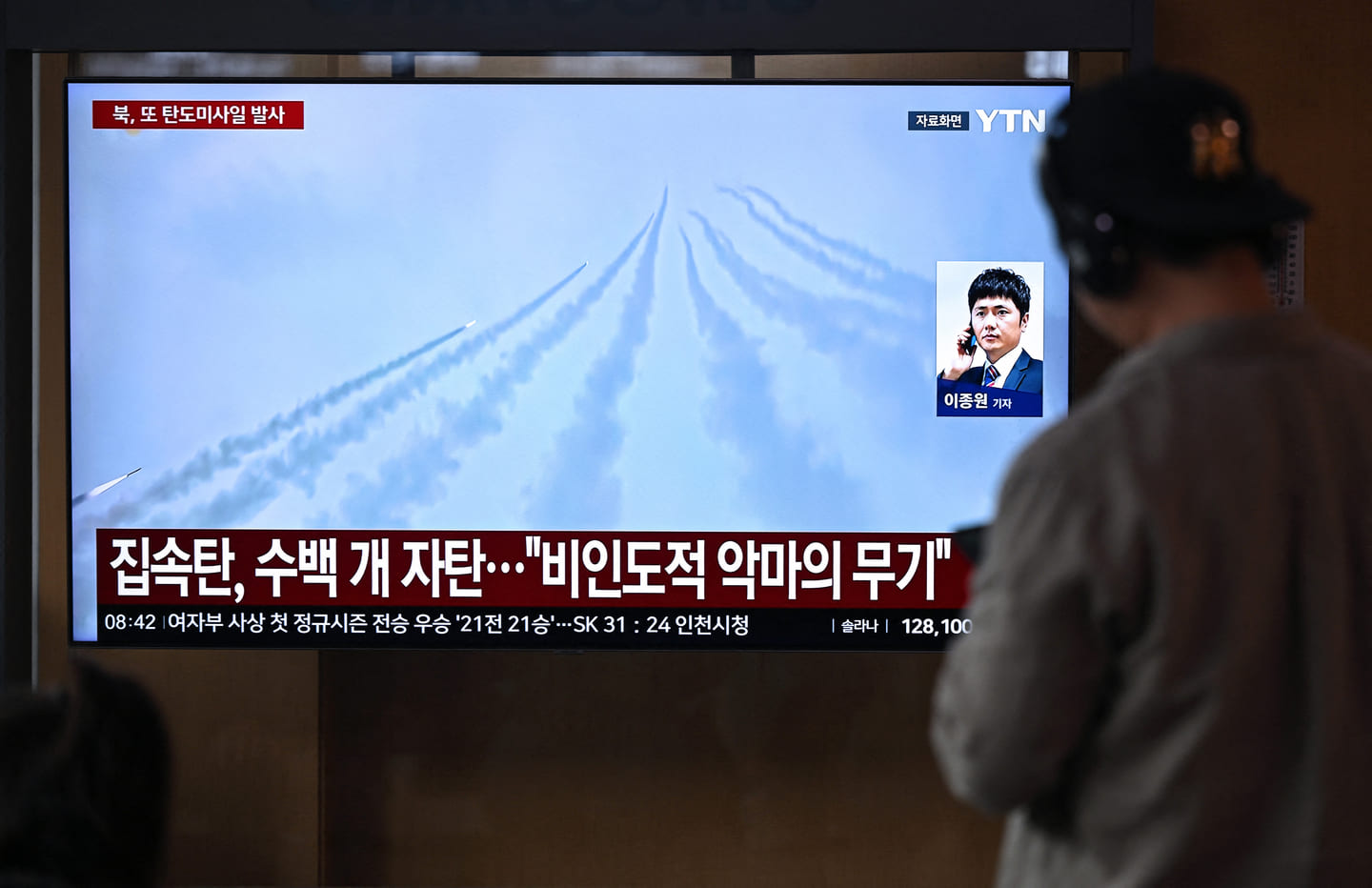
Troubled by the growing salience of nuclear debates in East Asia, Moscow has responded in its usual way: with condemnation and threats. But by exacerbating insecurity, Russia is forcing South Korea and Japan to consider radical security options.

James D.J. Brown
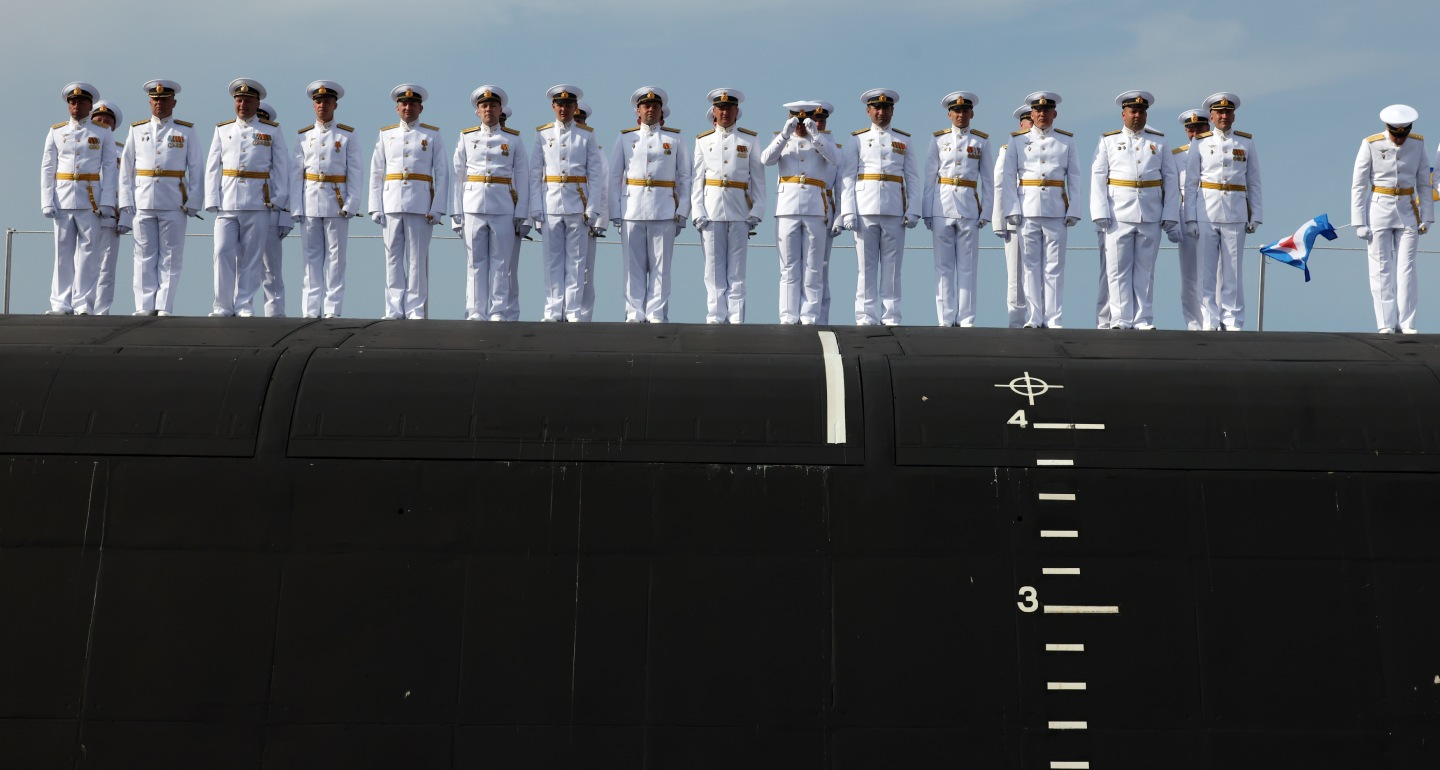
For Putin, upgrading Russia’s nuclear forces was a secondary goal. The main aim was to gain an advantage over the West, including by strengthening the nuclear threat on all fronts. That made growth in missile arsenals and a new arms race inevitable.

Maxim Starchak
The Kremlin will only be prepared to negotiate strategic arms limitations if it is confident it can secure significant concessions from the United States. Otherwise, meaningful dialogue is unlikely, and the international system of strategic stability will continue to teeter on the brink of total collapse.
Maxim Starchak