

Q&A
Deepti Choubey
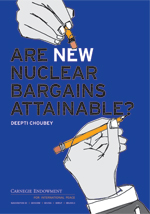
Drawing upon extensive interviews with foreign ministry officials from sixteen non-nuclear-weapon states, Carnegie's Deepti Choubey assesses the level of eroding confidence that non-nuclear-weapon states have about how seriously nuclear-weapon states take their disarmament obligations.
If the United States and other countries with nuclear weapons take action toward further disarmament, they hope that countries without them will support additional efforts to prevent the further spread and use of nuclear weapons.
But non-nuclear-weapon states take a different view. Citing the unfulfilled promises of nuclear-weapon states, they declare such a bargain to be unfair and a misreading of the political landscape.
A better understanding of the views of non-weapon states would provide the next U.S. administration with a serious opportunity to lead the rebuilding of a dangerously damaged nonproliferation regime, explains Deepti Choubey in a new report.
Drawing upon extensive interviews with foreign ministry officials from sixteen non-nuclear-weapon states – including U.S. allies (within and outside of NATO), key leaders of the global south, and members of the Non-Aligned Movement (NAM) – Choubey assesses the level of eroding confidence that non-nuclear-weapon states have about how seriously nuclear-weapon states take their disarmament obligations.
She provides a "reality" check on the environment in which U.S. officials seek to advance their nonproliferation agenda, offers a step-by-step approach to engage states without weapons, and explains what non-nuclear-weapon states want and how they can maximize their own agenda by responding to positive signals from the United States.
Key recommendations:
The next U.S. administration should:
Non-nuclear-weapon states should:
Choubey concludes:
“On both the nonproliferation and disarmament of nuclear weapons, America’s leadership and authority have eroded so far that they have imperiled U.S. national security. There is a way forward, if American policy makers recognize that disarmament is not altruism. Instead, disarmament is vital to U.S. security. Many countries must take corrective action to improve the nonproliferation regime, but the United States has the best capacity to do so. With the alignment of a new U.S. administration, the sheer impact U.S. action can have on the international regime, and the impending 2010 Non-Proliferation Treaty Review Conference, the United States has a serious opportunity to reclaim its leadership.”
A limited number of print copies are available.
Request a copy
About the Author
Deepti Choubey is the deputy director of the Nonproliferation Program. Her research interests include the calculations of non-nuclear-weapon states, the intersection of nuclear nonproliferation and climate-change agendas, and the role of nonproliferation for long-term U.S. foreign policy. Prior to joining the Carnegie Endowment in 2006, Choubey was director of the Peace and Security Initiative (PSI) for the Ploughshares Fund.

Former Deputy Director, Nuclear Policy Program
Choubey was previously the director of the Peace and Security Initiative for the Ploughshares Fund. She also worked for Ambassador Nancy Soderberg in the New York office of the International Crisis Group.
Recent Work
Deepti Choubey
Deepti Choubey
Carnegie does not take institutional positions on public policy issues; the views represented herein are those of the author(s) and do not necessarily reflect the views of Carnegie, its staff, or its trustees.
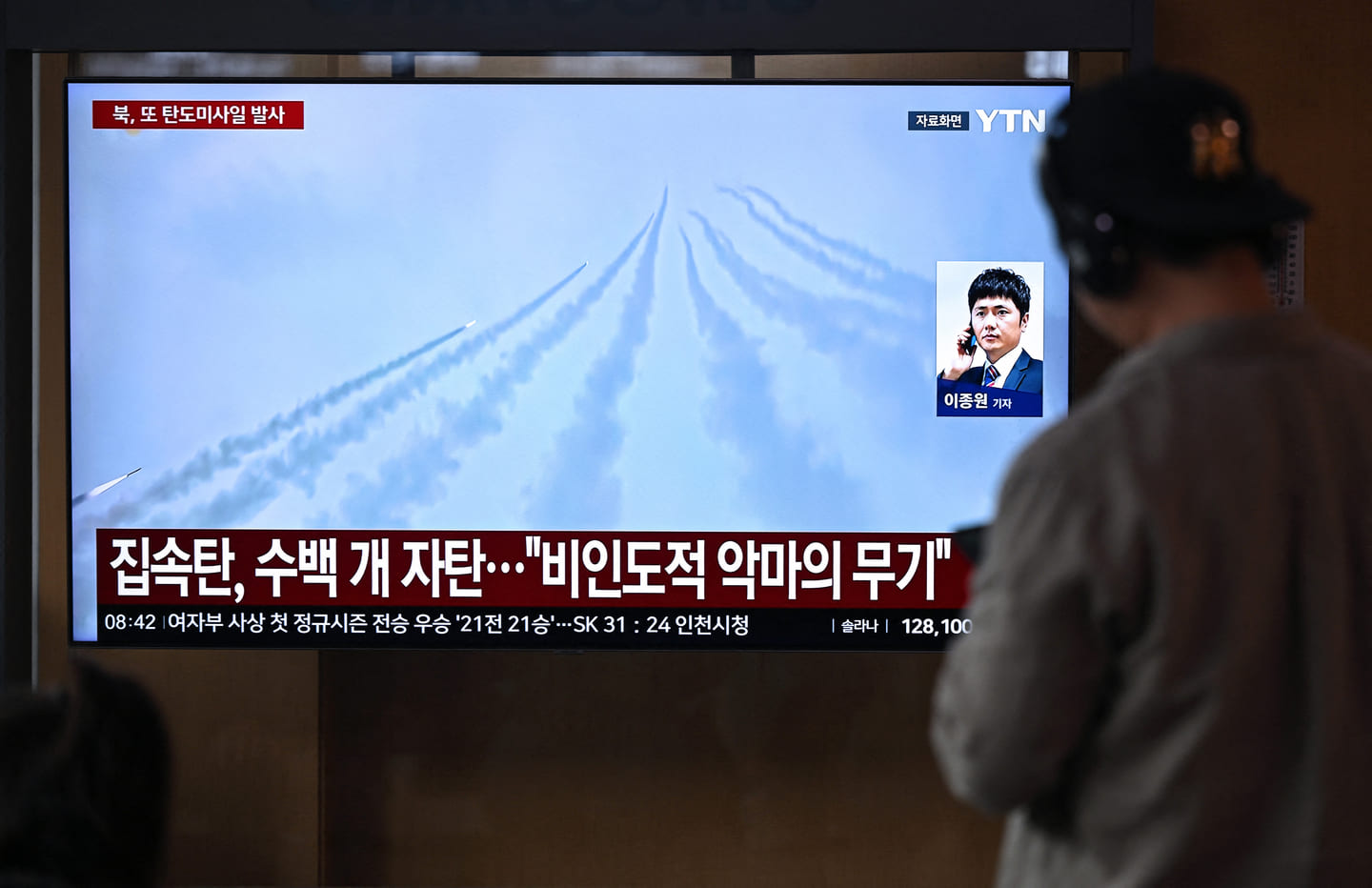
Troubled by the growing salience of nuclear debates in East Asia, Moscow has responded in its usual way: with condemnation and threats. But by exacerbating insecurity, Russia is forcing South Korea and Japan to consider radical security options.

James D.J. Brown
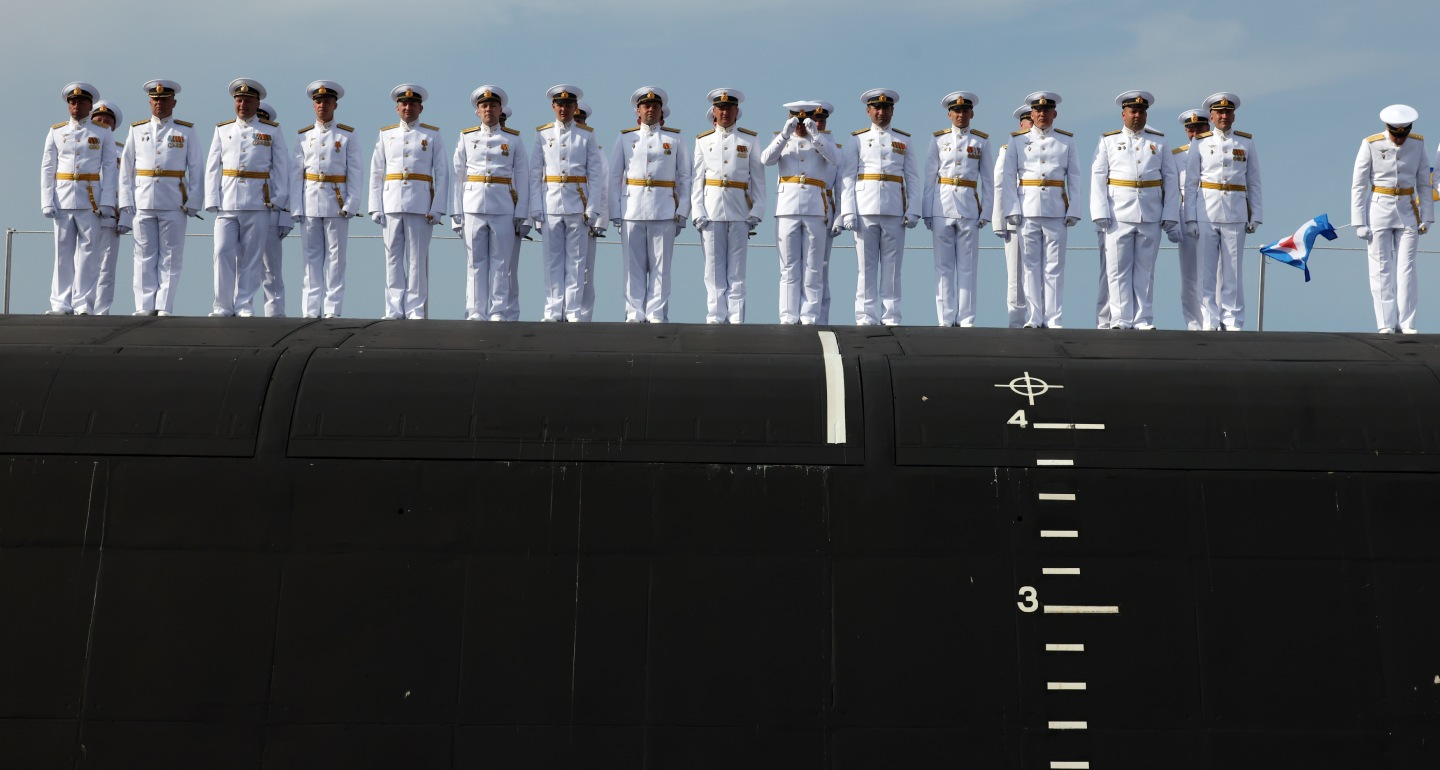
For Putin, upgrading Russia’s nuclear forces was a secondary goal. The main aim was to gain an advantage over the West, including by strengthening the nuclear threat on all fronts. That made growth in missile arsenals and a new arms race inevitable.

Maxim Starchak
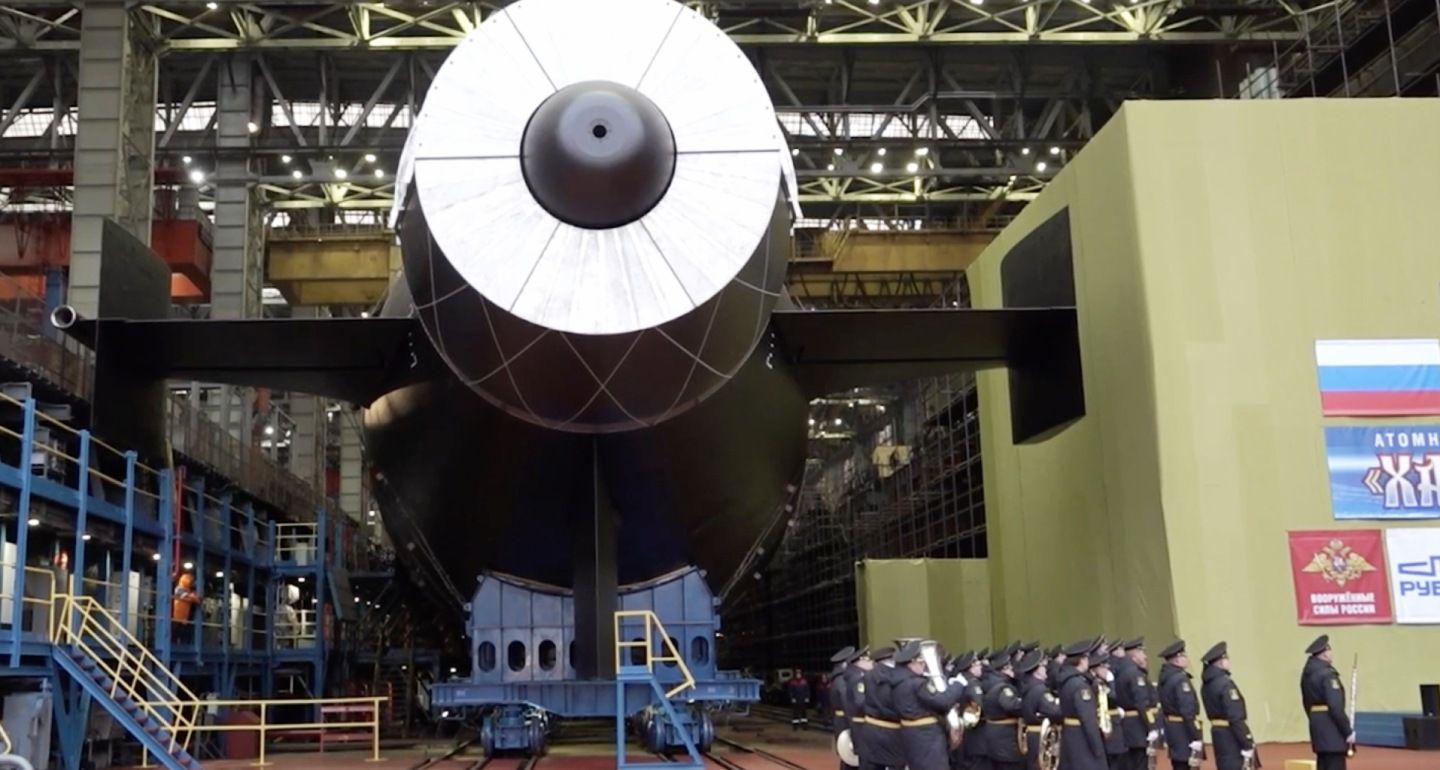
The Kremlin will only be prepared to negotiate strategic arms limitations if it is confident it can secure significant concessions from the United States. Otherwise, meaningful dialogue is unlikely, and the international system of strategic stability will continue to teeter on the brink of total collapse.
Maxim Starchak
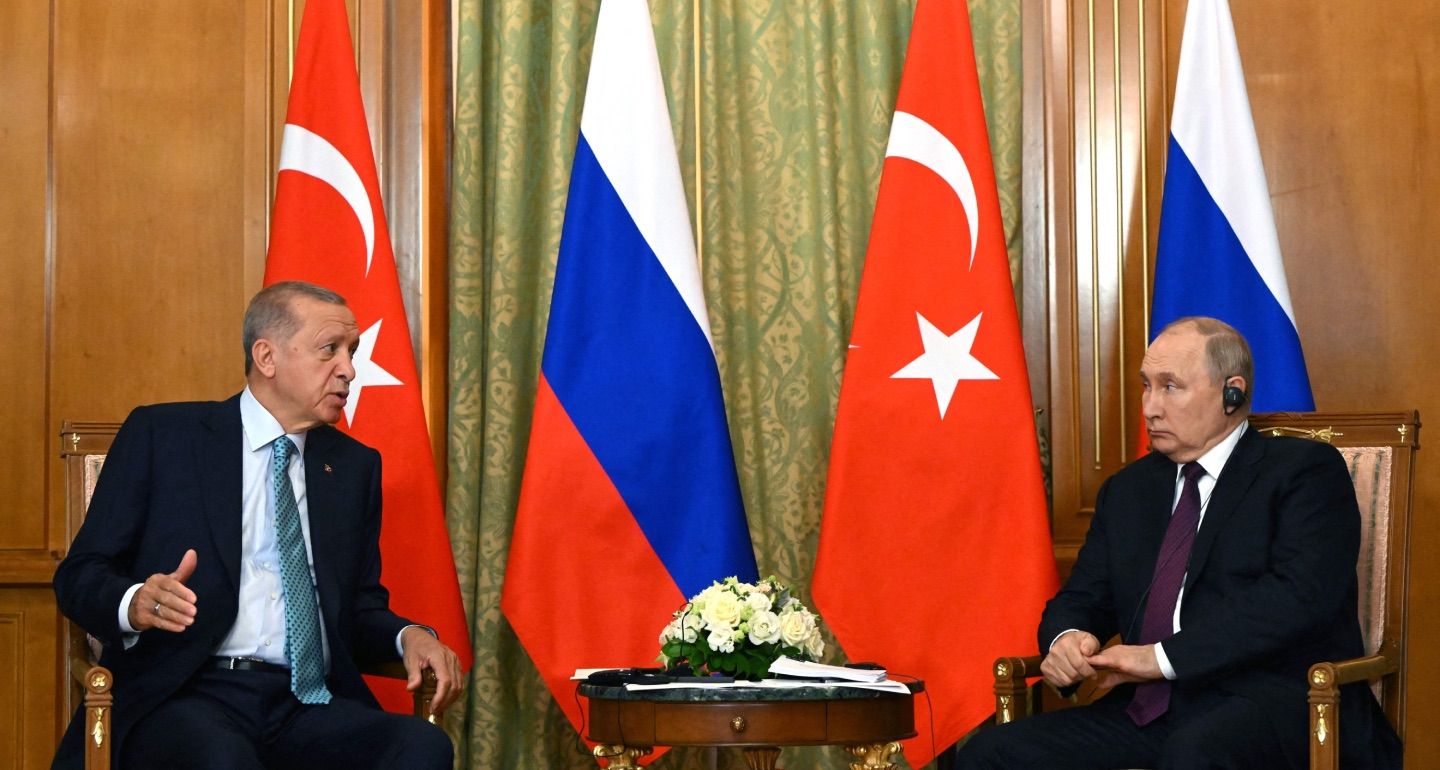
Mutual suspicion between Moscow and Ankara is growing as Türkiye cozies up to Washington and NATO while reducing its dependence on Russian energy.

Ruslan Suleymanov
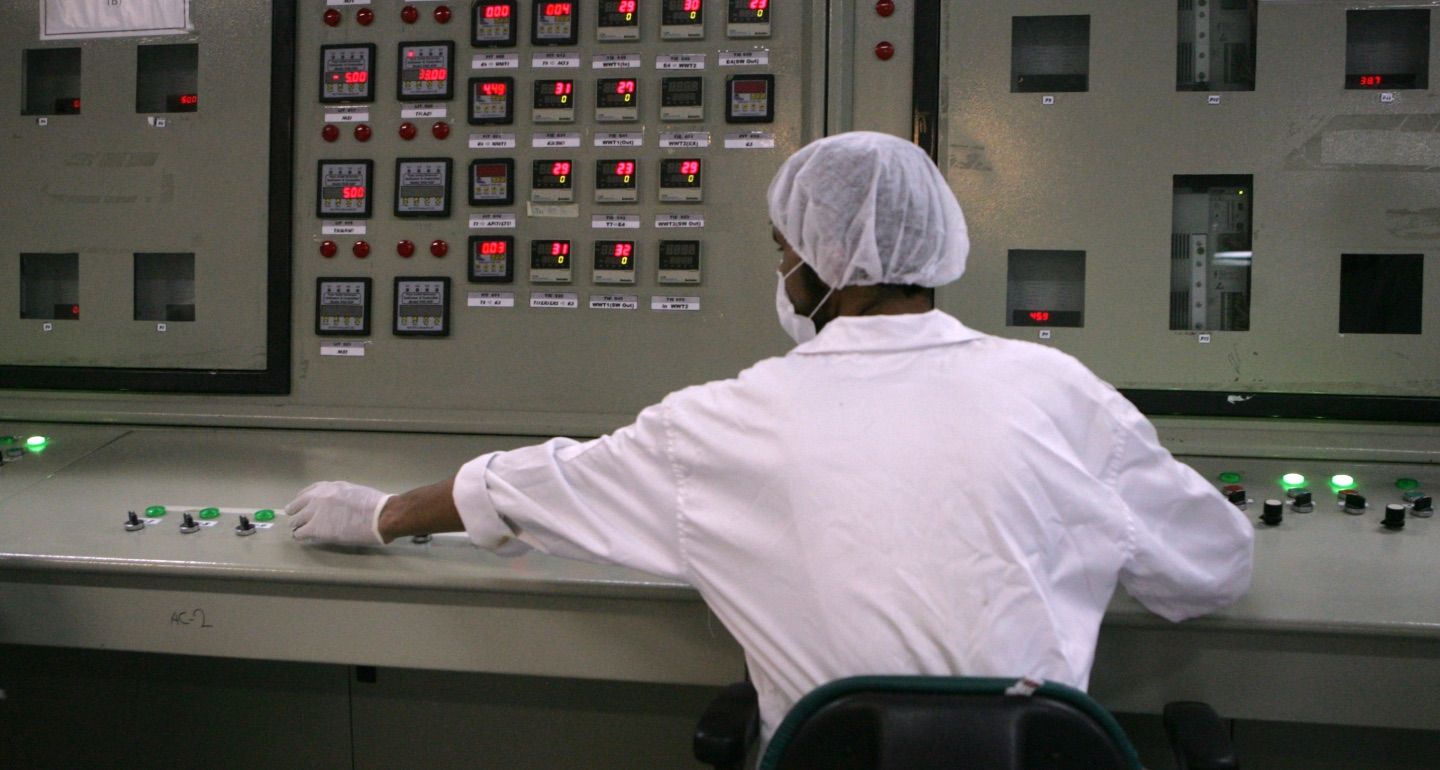
Tehran’s most urgent task is to reduce the risk of further Israeli and U.S. airstrikes. Russia’s role as a deterrent in this respect is more multifaceted than simply supplying weapons, whose real impact will only become apparent many years from now.

Nikita Smagin