

Commentary
An analysis of traffic accident data suggests that Ukrainian drone attacks caused a material but not disastrous fall in Russian gasoline consumption over the summer.
Sergey Vakulenko

In the past three decades, China’s legal system has undergone significant reform. Although a recent study shows improvement, China’s legal reform remains a work in progress.
In the past three decades, China’s legal system has undergone significant reform. But only a few empirical studies have tried to measure whether the reforms are succeeding in protecting the rights of individuals or businesses. To come up with a better understanding of how well China’s revamped legal system is performing in the protection of property rights, Minxin Pei worked with a group of researchers at the Shanghai Academy of Social Sciences to conduct two surveys of litigants in Shanghai covering 214 individuals and 190 companies. Respondents were asked a range of questions about their cases, including their preparations for trials and court proceedings.

Former Adjunct Senior Associate, Asia Program
Pei is Tom and Margot Pritzker ‘72 Professor of Government and the director of the Keck Center for International and Strategic Studies at Claremont McKenna College.
Zhang Guoyan
Pei Fei
Chen Lixin
Carnegie does not take institutional positions on public policy issues; the views represented herein are those of the author(s) and do not necessarily reflect the views of Carnegie, its staff, or its trustees.
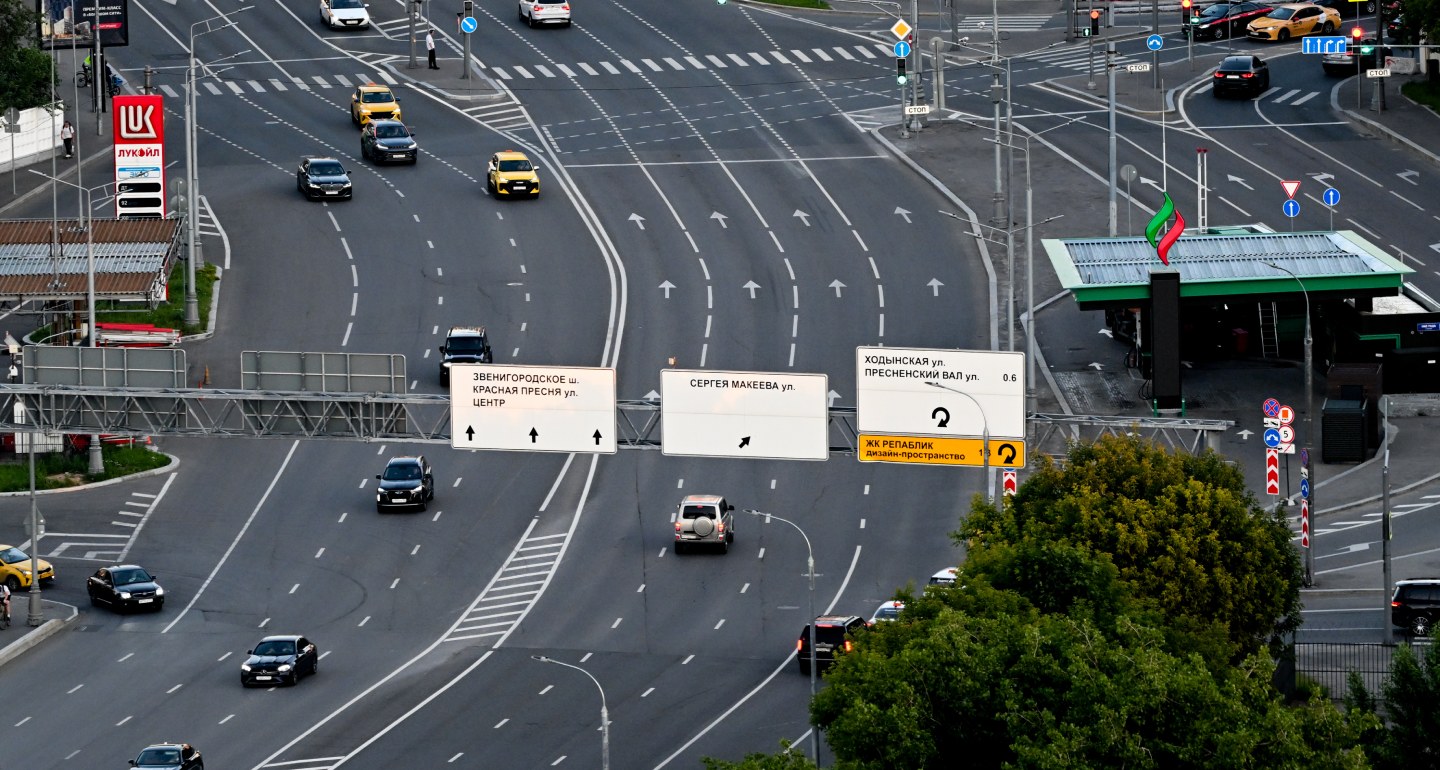
An analysis of traffic accident data suggests that Ukrainian drone attacks caused a material but not disastrous fall in Russian gasoline consumption over the summer.

Sergey Vakulenko

Sergei Kiriyenko used Russia’s parliamentary vote to further hone his strategy of corporate mobilization that is designed to maximize votes for United Russia.

Andrey Pertsev

The European far right might fail to steer EU policy in the direction Russia wants, but they will create enough chaos inside Europe to benefit the Kremlin.

Dimitar Bechev

If the Russian-speaking community in Latvia cannot articulate their interests without being seen as disloyal, they could end up embracing a pro-Kremlin agenda.

Sergejs Potapkins

Russia’s ruling party would have benefited from Putin appearing as its distant patron, but as an active frontman imposing his views on the public, he has done nothing but harm both the party’s election campaign and the ruling system overall.
Andrey Pertsev