

Article
Pierre Goldschmidt
Source: Getty
The International Atomic Energy Agency (IAEA) must reassert its authority to strengthen the dangerously weakened nonproliferation regime and to help prevent future proliferation crises.
Repeated violations of the Nonproliferation Treaty and International Atomic Energy Agency (IAEA) safeguards have been met with ambiguous and inconsistent responses from the international community, creating the impression that states can pursue nuclear weapons programs without meaningful consequences. The IAEA must reassert its full authority, particularly its right to conduct special inspections at undeclared facilities, to strengthen the dangerously weakened nonproliferation regime.
Goldschmidt – former deputy director general and head of the department of safeguards at the IAEA – explains that the deterrence effect of early detection and swift response to noncompliance, essential to preventing proliferation, is no longer sufficiently credible. He recommends concrete steps for the IAEA to reassert its verification authority and for the UN Security Council to improve enforcement mechanisms that would help prevent future proliferation crises.
Key steps for the IAEA:
Key steps for the UN Security Council:
Goldschmidt concludes:
“The international community must reject the recent tendency to accept the idea that, sooner or later, more countries will possess nuclear weapons, and that we can do nothing to stop it. Those who think the nonproliferation regime is failing and those who think it is too valuable to let fail generally agree that there are practical steps that can be taken to dissuade and deter non-nuclear-weapon states from seeking nuclear weapons, if the international community—particularly the nuclear-weapon states—make this a higher priority, and not just in words.”
Former Nonresident Senior Associate, Nuclear Policy Program
Goldschmidt was a nonresident senior associate at the Carnegie Endowment.
Recent Work
Pierre Goldschmidt
Pierre Goldschmidt
Carnegie does not take institutional positions on public policy issues; the views represented herein are those of the author(s) and do not necessarily reflect the views of Carnegie, its staff, or its trustees.
Ongoing uncertainty in the Middle East allows Moscow to both increase its influence in Tehran and continue to enjoy the financial windfall of higher oil prices.

Nikita Smagin

Troubled by the growing salience of nuclear debates in East Asia, Moscow has responded in its usual way: with condemnation and threats. But by exacerbating insecurity, Russia is forcing South Korea and Japan to consider radical security options.

James D.J. Brown
The Russian leadership wants to avoid a dangerous precedent in which it is squeezed out of Iran by the United States and Israel—and left powerless to respond in any meaningful way.
Nikita Smagin
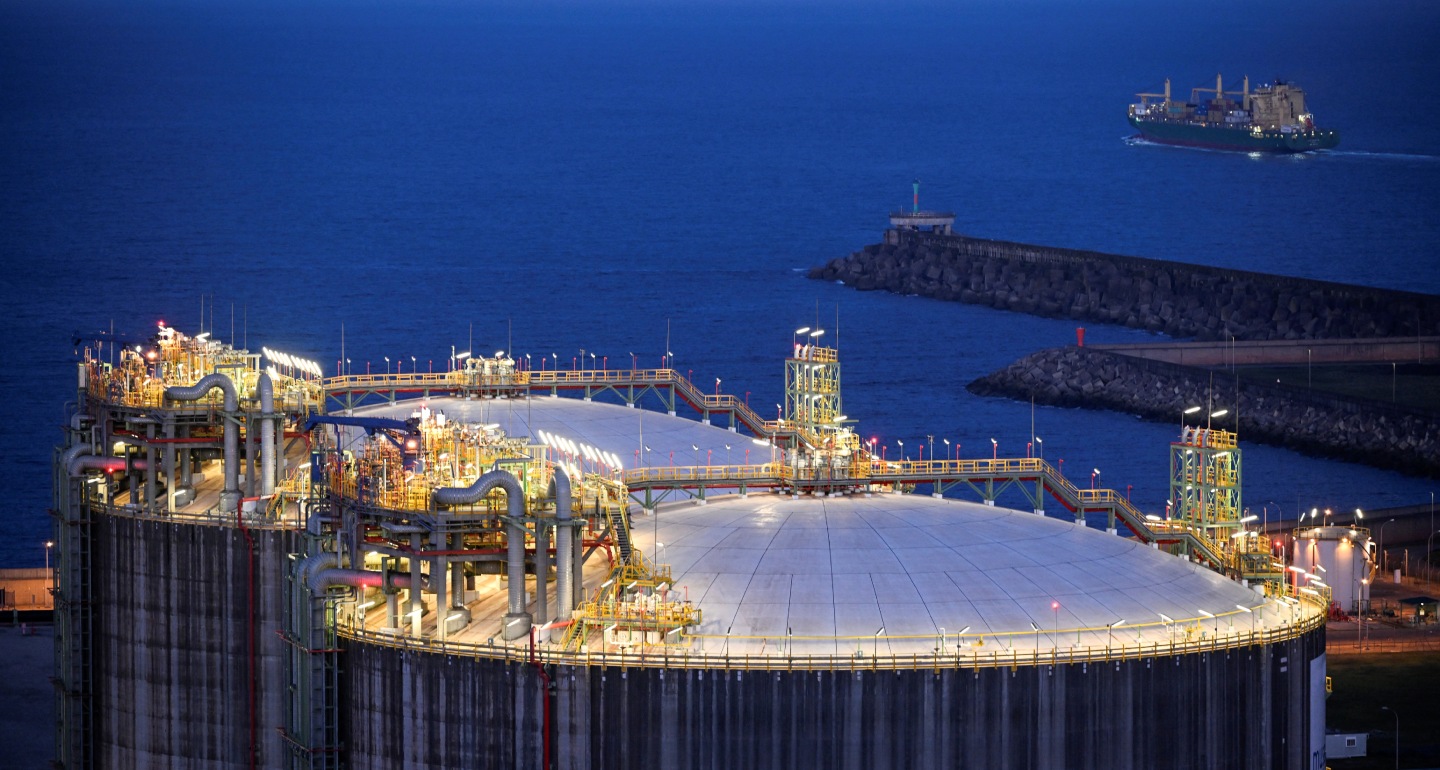
The future trajectory of the U.S.-Iran war remains uncertain, but its impact on global energy trade flows and ties will be far-reaching. Moscow is likely to become a key beneficiary of these changes; the crisis in the Gulf also strengthens Russia’s hand in its relationships with China and India, where advantages might prove more durable.

Sergey Vakulenko
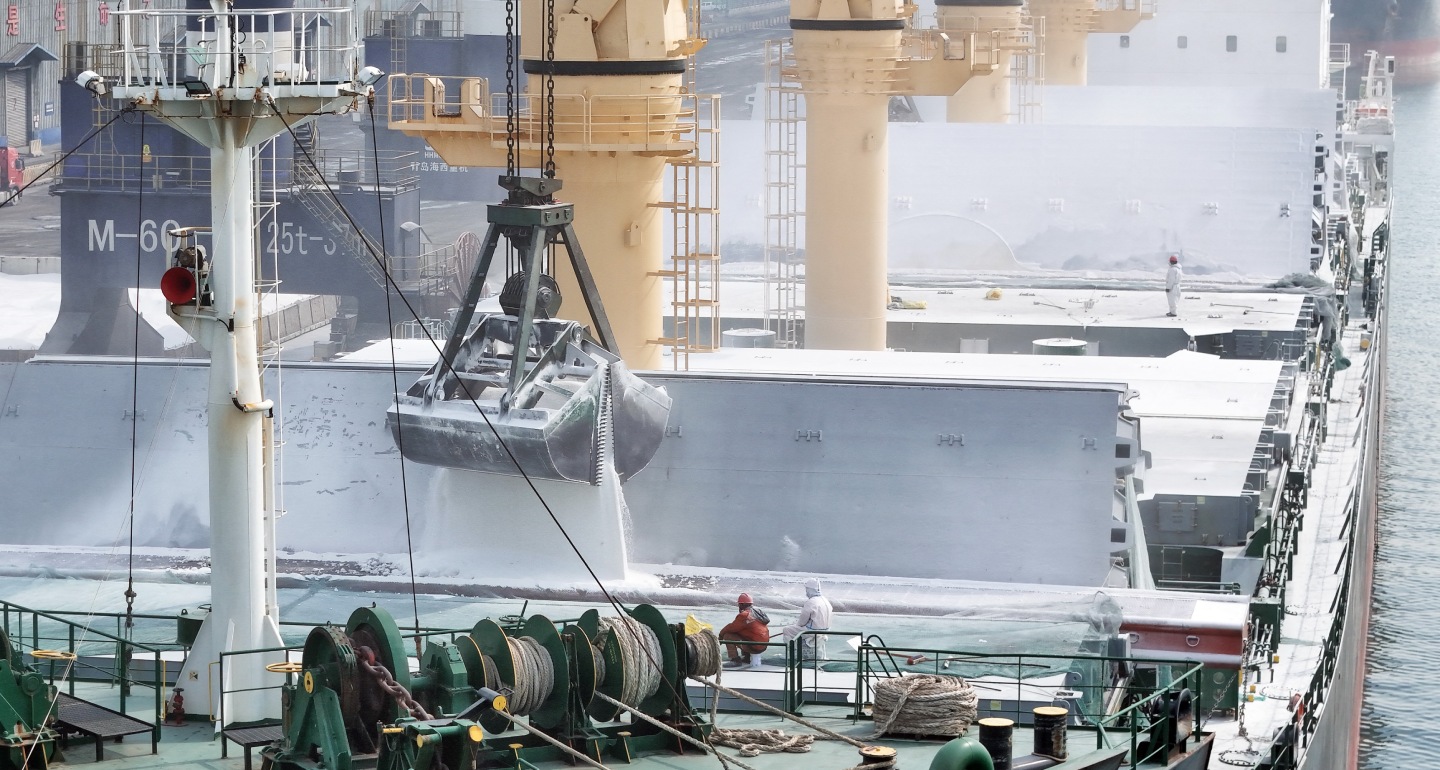
The Kremlin expects to not only profit from rising fertilizer prices but also exact revenge for the collapse of the 2023 grain deal.

Alexandra Prokopenko