

Paper
James M. Acton, Ankit Panda

Source: Getty
Iran's failure to report its new centrifuge facility at Qom to the IAEA violates the terms of the Subsidiary Arrangements of the modified "Code 3.1," which Iran agreed to in 2003.
Update: On 30 September, speaking in New Delhi, the IAEA Director General confirmed that Iran has violated its obligations.[1]

Iran’s basic safeguards obligations are set out in its Safeguards Agreement (INFCIRC/214). This agreement was ratified by the Iranian parliament and entered into force in May 1974.
Like all others, Iran's Safeguards Agreement sets out general principles. It does not contain the exact details of how safeguards are to be applied. These details are included in much more complex Subsidiary Arrangements, which do not require ratification by national legislatures.
The Subsidiary Arrangements specify when a state must report a new facility to the IAEA. "Code 3.1" of the 1976 version of the Subsidiary Arrangements requires states to report on new facilities “normally no later than 180 days before the facility is scheduled to receive nuclear material for the first time.”
It became clear that this requirement did not provide the IAEA with sufficient time to plan and prepare for safeguards. So, in the early 1990s the IAEA modified Code 3.1. The new version requires states to report on a new facility as soon as the decision to construct it is taken.
In February 2003, shortly after its original clandestine centrifuge plant—the one at Natanz—was discovered, Iran agreed to the modified Code 3.1.[2] As is usual, this was accomplished by an exchange of letters.
In March 2007, however, Iran announced to the IAEA that it was suspending the implementation of the modified Code 3.1 and reverting back to the original form. The United States has claimed that Iran started building the Qom facility before this date. If this claim is correct—and the IAEA should try and verify it—then Iran obviously breached its obligations.
However, even if Iran only decided to build the facility after March 2007 then the charge of non-compliance still stands because Iran is not permitted to modify its subsidiary arrangements without the permission of the IAEA. Indeed, when Iran first announced it was "suspending" application of the modified Code 3.1, the IAEA stated that:
In accordance with Article 39 of Iran’s Safeguards Agreement, agreed Subsidiary Arrangements cannot be modified unilaterally; nor is there a mechanism in the Safeguards Agreement for the suspension of provisions agreed to in Subsidiary Arrangements.[3]
Iran justified its action by saying that the modification to Code 3.1 had not been ratified by the Majlis.[4]
The problem with this argument is that, like every other state, Iran did not ask its parliament, the Majlis, to ratify its original Subsidiary Arrangements! To claim that a modification to these arrangements requires ratification is therefore absurd.
Moreover, Iran—like every other state—modifies its Subsidiary Arrangements regularly, without asking for parliamentary ratification. For example, as the size of its enrichment plant at Natanz has grown, Iran has (reluctantly) agreed to various improvements in safeguards. These improvements required modifications of the Subsidiary Arrangements, but Iran did not ask the Majlis to ratify them.
There can be no doubt that since February 2003 Iran has been bound by the modified Code 3.1. It was therefore required to report on its new centrifuge facility as soon as it had decided to build it—before construction had even begun.
Iran's report to the IAEA, which arrived on Monday, clearly violated this requirement.
James M. Acton is an associate in the Nonproliferation Program at the Carnegie Endowment for International Peace.
Notes
1. "IAEA: Iran Broke Law by Not Revealing Nuclear Facility," CNN, September 30, 2009.
2. The modification to Code 3.1 is not, as some have claimed, related to the Additional Protocol (presumably this confusion resulted from the fact that Iran accepted the modification to Code 3.1 at the same time as it announced it would provisionally implement the Additional Protocol). To clarify: the requirement to conclude Subsidiary Arrangements stems from Article 39 of Iran's Comprehensive Safeguards Agreement (INFCIRC/214). The request to states to modify Code 3.1 of the Subsidiary Arrangements is not contained in the Additional Protocol. Indeed, every non-nuclear-weapon state with significant nuclear activities—including those with no Additional Protocol—has now agreed to the modification to Code 3.1.
3. IAEA, "Implementation of the NPT Safeguards Agreement and Relevant Provisions of Security Council Resolutions in the Islamic Republic of Iran," GOV/2007/22, May 23, 2007, para. 14.

Jessica T. Mathews Chair, Co-director, Nuclear Policy Program
Acton holds the Jessica T. Mathews Chair and is co-director of the Nuclear Policy Program at the Carnegie Endowment for International Peace.
Recent Work

James M. Acton, Ankit Panda
James M. Acton
Carnegie does not take institutional positions on public policy issues; the views represented herein are those of the author(s) and do not necessarily reflect the views of Carnegie, its staff, or its trustees.

Ongoing uncertainty in the Middle East allows Moscow to both increase its influence in Tehran and continue to enjoy the financial windfall of higher oil prices.

Nikita Smagin

This year’s wars have made alternative routes to transit through Russia no less risky for Central Asian countries.

Galiya Ibragimova
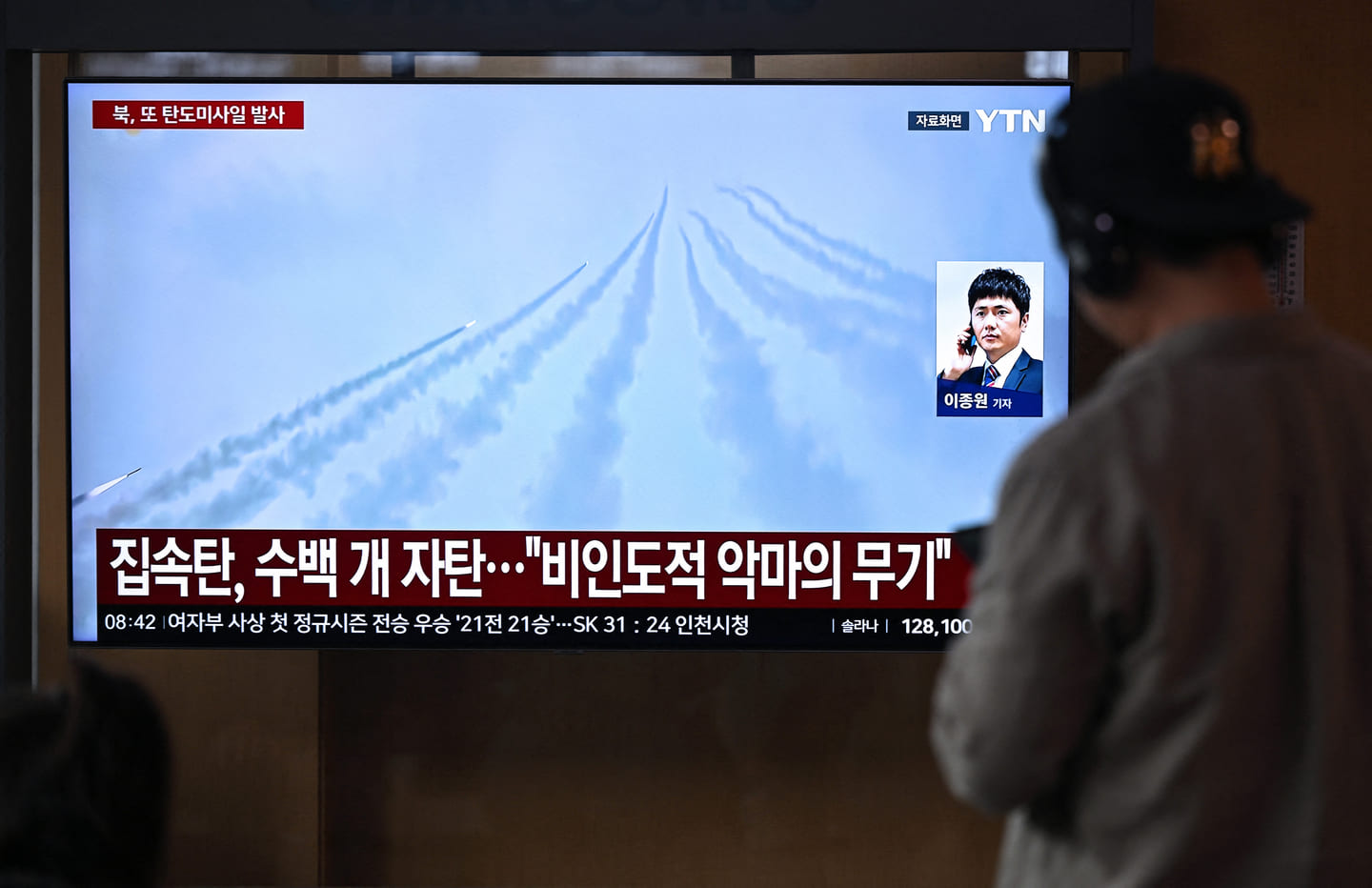
Troubled by the growing salience of nuclear debates in East Asia, Moscow has responded in its usual way: with condemnation and threats. But by exacerbating insecurity, Russia is forcing South Korea and Japan to consider radical security options.

James D.J. Brown

The Russian leadership wants to avoid a dangerous precedent in which it is squeezed out of Iran by the United States and Israel—and left powerless to respond in any meaningful way.
Nikita Smagin
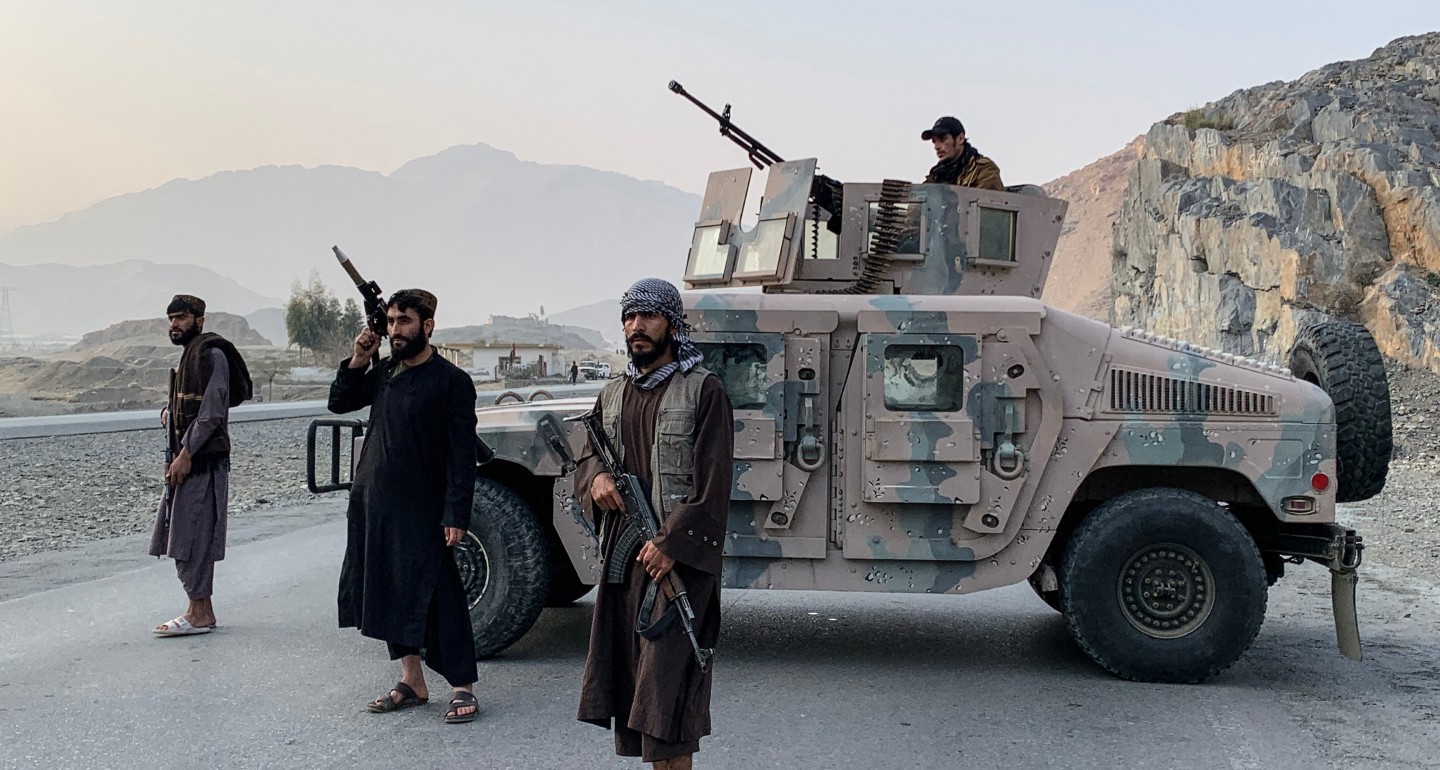
Not only does the fighting jeopardize regional security, it undermines Russian attempts to promote alternatives to the Western-dominated world order.

Ruslan Suleymanov