

Commentary
Ongoing uncertainty in the Middle East allows Moscow to both increase its influence in Tehran and continue to enjoy the financial windfall of higher oil prices.
Nikita Smagin
Source: Getty
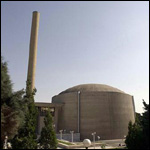
The reported agreement to refuel the Tehran research reactor by shipping Iranian-made low enriched uranium to other states for further enrichment and fuel fabrication could be a good precedent for meeting Iran's future and potentially larger nuclear fuel needs.
Editor's Note: The original posting of this analysis, on October 6, contained an error which is corrected here. UN Security Council resolutions 1737, 1747, and 1803 do allow Iran to import fuel for light water reactors, including the Tehran research reactor.

Given Iran’s numerous legal transgressions, and three UN Security Council resolutions (1737, 1747, and 1803) that prohibit Iran from continuing to enrich uranium, the agreement could be a major gain for Iran and a major concession if it meant that there would be no additional sanctions if Iran continues to enrich. Moreover, helping Iran’s operation of a reactor using uranium enriched to 19.75 percent could strengthen Tehran’s arguments that it should not be blocked from enriching uranium to that level in the future.
These are serious risks. However, the proposed fuel-supply arrangement is intended to establish different precedents. If these are clearly articulated and if the agreement includes two critical additional steps, the net result could be a significant positive precedent and a net nonproliferation gain.
One is that Iran would ship the LEU it produces to other states for further enrichment if necessary. A second should be that all LEU produced in Iran should regularly be sent abroad to be manufactured by foreign entities into fuel loads for the Tehran and Bushehr reactors. Iran should expect that it would be required to send back to Russia or the U.S. all the spent fuel that would be produced from the Tehran reactor as is already the case for Bushehr.
However, for this to happen, three legally binding UN Security Council resolutions would have to be amended. These resolutions require Iran not to export a number of specific items, including LEU, and all member states to prohibit the procurement of such items from Iran.
Amending these Security Council resolutions to allow the supply of fuel enriched to 19.75 percent for a research reactor would be a major concession to Iran and should be acknowledged by Iran as a confidence-building measure. To make such a reversal acceptable, and provide some assurance that Iran’s nuclear program is exclusively for peaceful purposes, the UNSC should also decide in a new Chapter VII resolution that all states will suspend any and all military cooperation with Iran as long as Iran has not ratified the Additional Protocol to its Safeguards Agreement and fully implements these agreements and their Subsidiary Arrangements (including the early provision of design information—Code 3.1—signed in February 2003). In addition Iran, which has threatened to withdraw from the Nuclear Non-Proliferation Treaty (NPT), should be required to place all its sensitive nuclear fuel-cycle facilities under permanent safeguards. Such safeguards—called INFCIRC/66-type—do not expire if and when a state withdraws from the NPT.
None of these measures endanger Iran’s rights to peaceful nuclear technology. But if the much discussed global expansion of nuclear energy is to occur, permanent safeguards on sensitive nuclear facilities will have to become the norm. Nuclear vendors are likely to insist on this in contracts so as to limit the reputational risks that a customer would break out of the NPT and use fuel or equipment supplied by the vendor for manufacturing nuclear weapons. Similar industry interests will augment the IAEA’s and many governments’ insistence that the Additional Protocol be adopted in all states with peaceful nuclear programs.
In short, if handled wisely, the negotiations between Iran and the five permanent members of the Security Council plus Germany can yield several useful precedents, turning what has been a nearly disastrous episode in nuclear history into merely a traumatic one.
If Iran chooses not to accept international cooperation on these most forgiving and fair terms, then it should be left to its self-isolation. This isolation would not be due to a lack of constructive effort by those who were willing to meet Iran halfway in restoring international confidence in the peaceful nature of its nuclear program.
George Perkovich is director of the Nonproliferation Program at the Carnegie Endowment for International Peace. Pierre Goldschmidt is nonresident senior associate at the Carnegie Endowment for International Peace, and former deputy director general of the International Atomic Energy Agency, head of the department of safeguards.

Japan Chair for a World Without Nuclear Weapons, Senior Fellow
George Perkovich is the Japan Chair for a World Without Nuclear Weapons and a senior fellow in the Carnegie Endowment for International Peace’s Nuclear Policy Program. He works primarily on nuclear deterrence, nonproliferation, and disarmament issues.
Former Nonresident Senior Associate, Nuclear Policy Program
Goldschmidt was a nonresident senior associate at the Carnegie Endowment.
Carnegie does not take institutional positions on public policy issues; the views represented herein are those of the author(s) and do not necessarily reflect the views of Carnegie, its staff, or its trustees.

Ongoing uncertainty in the Middle East allows Moscow to both increase its influence in Tehran and continue to enjoy the financial windfall of higher oil prices.

Nikita Smagin
This year’s wars have made alternative routes to transit through Russia no less risky for Central Asian countries.

Galiya Ibragimova
Troubled by the growing salience of nuclear debates in East Asia, Moscow has responded in its usual way: with condemnation and threats. But by exacerbating insecurity, Russia is forcing South Korea and Japan to consider radical security options.

James D.J. Brown
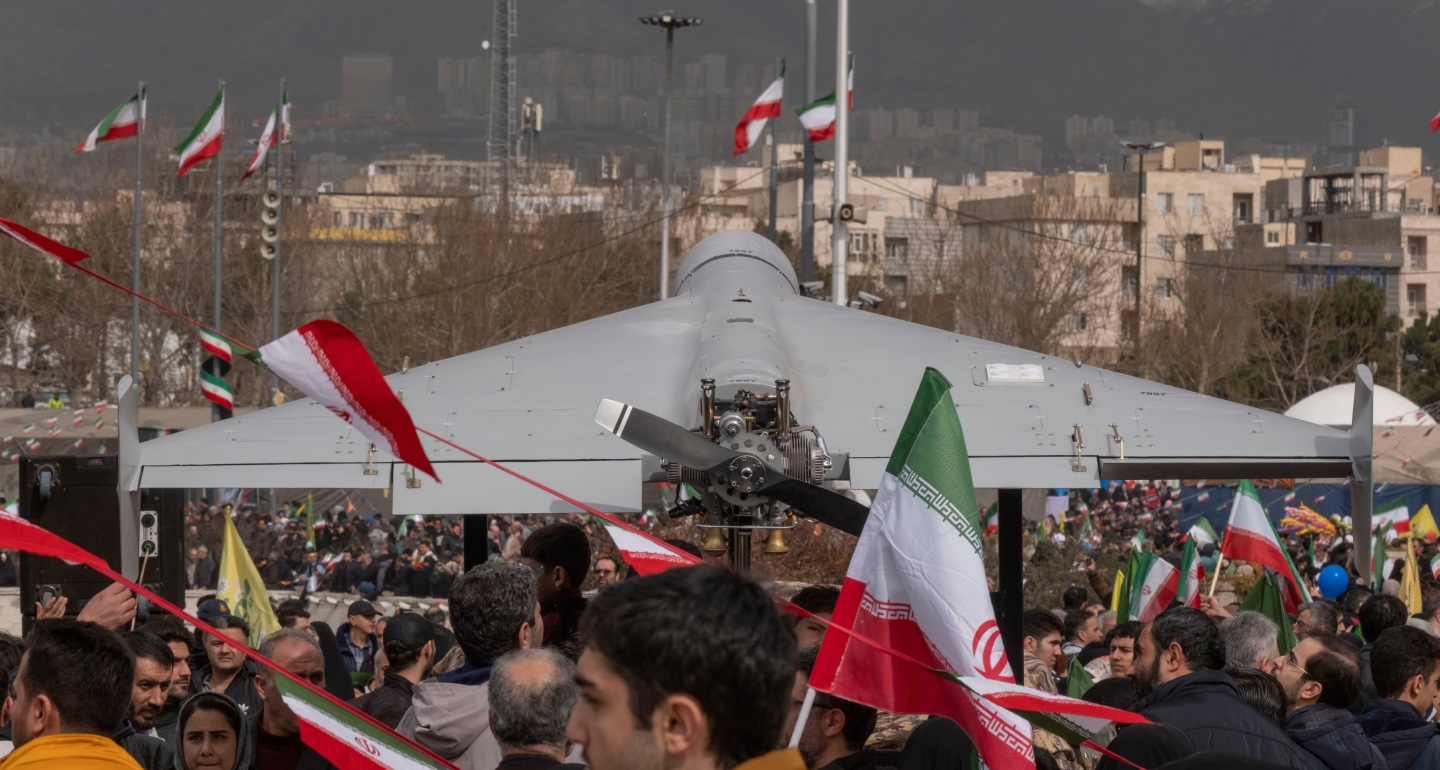
The Russian leadership wants to avoid a dangerous precedent in which it is squeezed out of Iran by the United States and Israel—and left powerless to respond in any meaningful way.
Nikita Smagin
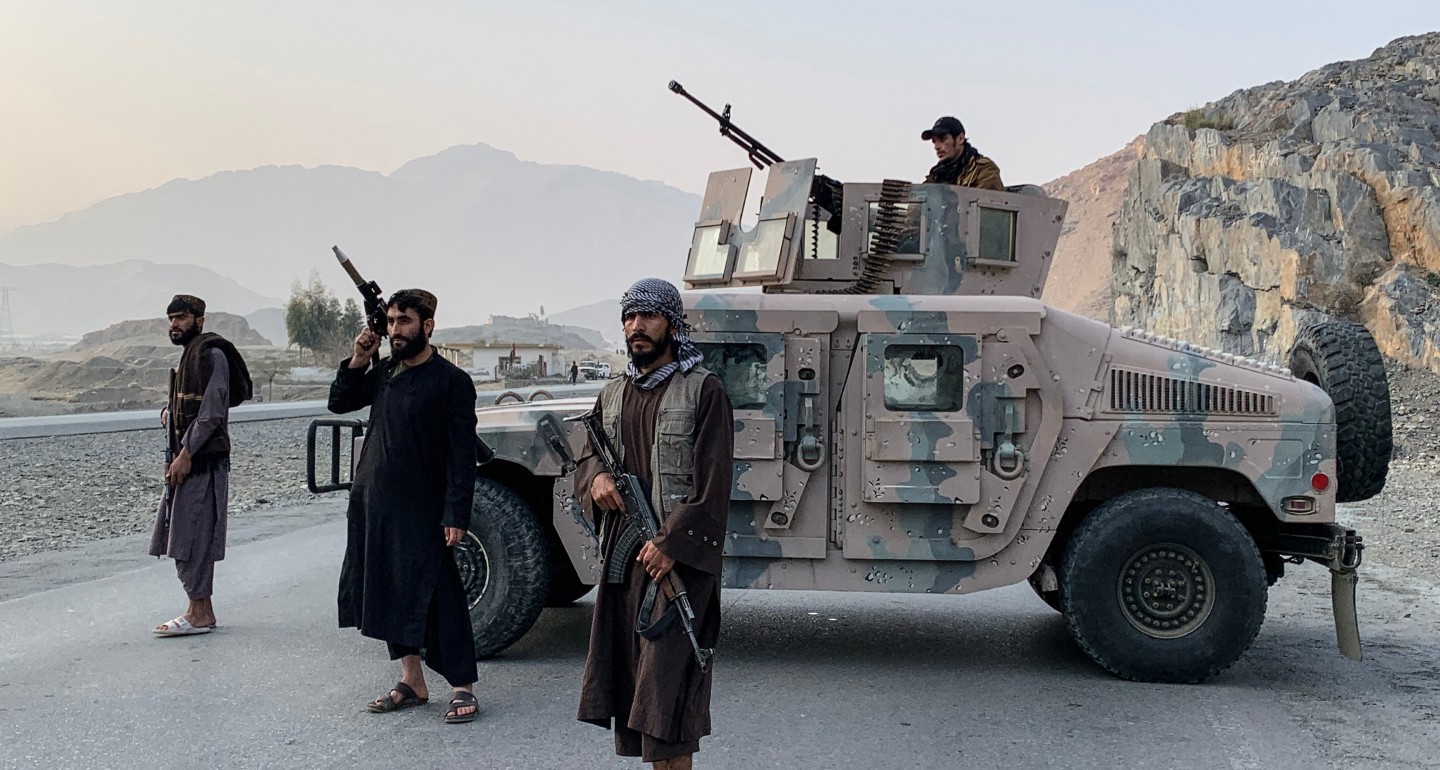
Not only does the fighting jeopardize regional security, it undermines Russian attempts to promote alternatives to the Western-dominated world order.
Ruslan Suleymanov