

Commentary
Russia looks set to reap economic benefits from closer ties with Southeast Asian countries that are keen to find reliable energy suppliers and diversify trade ties.
Alexander Gabuev
Source: Getty
While the WTO Ministerial will not address Doha, it does present an opportunity to strengthen the WTO by increasing transparency, providing better access to data, broadening monitoring, and easing the accession process.
With the Doha Round not even formally on the table, the WTO Ministerial in Geneva on November 30 will be the first since 1998 not to center around negotiations. Instead, ministers will focus on increasing the WTO’s effectiveness. If members can agree to increase transparency in highly politicized decision making, provide better access to data, broaden the WTO’s monitoring function, and ease the accession process, the Ministerial Meeting can nevertheless make a contribution toward a stronger and more stable world trading system.
Doha Still Matters
In one sense, this makes virtue of necessity: the Doha trade round is mired in the misaligned politics of the world’s major countries. While leaders of the G20 ritualistically call for its early conclusion, domestic politics impede some of the most important countries from making the compromises necessary to realize the promise of the draft texts.
Even with Doha off the table, the Ministerial can put in place building blocks for a stronger multilateral system.
This is unfortunate. Concluding a deal is crucial to the system’s credibility and could bring considerable gains. A new World Bank paper enumerates the gains a successful deal would bring to the world economy: a substantial reduction in tariff bindings, greater security of long-term market access through locked-in tariff rates, a ban on export subsidies from the high income countries, and reductions in trade-distorting agriculture subsidies—by 70 percent in the EU and 60 percent in the United States. The average applied farm tariffs that exporters face would fall to 12 percent (from 14.5 percent) and the tariffs on exports of manufactures would be less than 2.5 percent (down from about 3 percent).
An agreement could also prompt substantial gains through trade facilitation. Cotton exporting countries in Africa and elsewhere would benefit from caps on U.S. and European cotton subsidies. The least developed countries (LDCs) would benefit from commitments on “duty free and quota free” market access. A deal could conceivably open up some services markets further. Moreover, a deal might have spin-off effects, promoting more development assistance for trade-related activities. Finally, concluding Doha might help pave the way for multilateral cooperation in other areas. Negotiations are set to continue in the new year, with aspirations of an early conclusion of modalities.
Strengthening the Multilateral System
Even with Doha off the table, the Ministerial can put in place building blocks for a stronger multilateral system. Establishing regular ministerial meetings in a manner that lowers expectations about big trade deals, but allows steady improvement in the institutional underpinnings of multilateral trade policy, is in itself worthwhile. Ministers should meet regularly to review international trade developments and provide oversight to the work of the WTO, much as the governors of the IMF, the World Bank, and other multilateral institutions do for their respective institutions. And there is much work to be done.
The information disclosure policies of WTO members still fall short of the complete transparency necessary for members to fully analyze the effects of trade deals.
One important area is transparency in trade policy making. Others include WTO ministers further empowering their ambassadors to make decisions in the committees and allowing the WTO secretariat to provide independent analysis when making key decisions. Three areas of recent WTO activities underscore the importance of such reforms.
Data: Ending Information Monopolies
Despite progress, the information disclosure policies of WTO members still fall short of the complete transparency necessary for members to fully analyze the effects of trade deals on their economies and their poor. Not all data collected officially are made available publicly. For example, the WTO does not provide access to the members’ national tariff rates at the most disaggregated (i.e., product) levels. As a result, tariff rates remain “confidential” and cannot be used to deeply analyze the effects of liberalization. Even data on border measures and trade flows, which are made public, are often accessible only for onerous fees. Moreover, some data, such as information on non-tariff measures, have yet to be collected systematically. Finally, many data collection efforts have no sustainable sources of funding.
An important corollary is that developing countries—particularly the low-income countries—are at a particular disadvantage because of limited knowledge about extant data sets, imperfect access, and constrained technical capacities.
At the ministerial, WTO members could aid these efforts by simply agreeing to make all the data the WTO collects available in a timely fashion. Also, they could begin to enforce existing notification requirements about tariffs and other border barriers that members routinely flout.
Broadening the Monitoring Mandate: Lessons From the Crisis
When the Great Recession of 2008 broke out, several leading economists warned of the dangers of rising protectionism—and with good cause, given that the 1930s global downturn ushered in a wave of tariff increases that segmented global markets, cut off demand for exporters, and reduced aggregate demand even further. In November 2008, the G20 leaders pledged to avoid such trade-restricting measures, and have reiterated their pledge in all subsequent declarations. However, the G20 countries have not always acted with the conviction expressed in the communiqués. Early counts found that seventeen of them engaged in some form of protectionism.
In spite of the qualms of some of its members, the WTO began to seriously monitor new protectionist measures, collecting information from official and secondary sources and sending lists of reported measures to country delegations for verification. It circulated the first report in February 2009 and issued subsequent reports in June and September 2009. The most recent report was released on November 18. These reports have become the authoritative statement on changes in trade policy around the world and are now formal inputs in the G20 process.
Since the founding of the WTO, members have sought to balance the benefits of entry with the implied costs of accession. Some authors have argued persuasively that the entry terms are growing more severe.
While protectionism has been less extreme than many feared, it is too early to claim success. Trade is beginning to recover, but job creation is lagging, and the combination of rising imports and high unemployment may well lead to greater demands for protection.
The WTO could do more in the fight against protectionism. Members could agree to abide rigorously by notification provisions, which are already in place, but are too frequently treated in a cavalier manner. The Director General’s Annual Report on the Trade Environment presents a candid catalogue of members’ shortcomings in complying with notification requirements. Moreover, staff could be empowered to analyze the economic impact of these restrictions. The WTO could thus usefully enhance its monitoring function.
Sunshine in the Accession Process
At its founding in 1995, the WTO had 128 parties. Since then, 25 new members have acceded. However, the process has become much more complex since the GATT days, when membership involved relatively low administrative costs and policy conditionality. Since the founding of the WTO, members have sought to balance the benefits of entry with the implied costs of accession. Some authors have argued persuasively that the entry terms are growing more severe, with the time to accession lengthening. For example, the seven countries that acceded in the late 1990s took about 65 months on average to move from application to formal accession. The last seven countries, acceding between 2004 and 2008, took an average of 145 months.
Whatever the reasons for the costly delays, it is widely believed that the process lacks sufficient transparency and accountability. One member may hold up the process indefinitely by refusing to complete some step associated with the process, such as the appointment of a chair, or by linking accession to non-trade issues. For example, in the view of some, Ukraine has effectively blocked Montenegro’s admission through grievances with the EU. Many countries, particularly the acceding LDCs, complain that they are being asked to do more than previous new members.
Ministers can take this opportunity to move the multilateral trading system modestly forward with institutional reforms.
Here too ministers could agree to address the lack of transparency, the continually evolving and discretionary standards, and the politicization of the process. At the least, the WTO could provide regular reports on the status of each application and progress in the negotiations, as well as greater clarity on minimum requirements for membership. Establishing nondiscretionary, administrative mechanisms for selecting the chairs of working parties would also help depoliticize the process, while simply setting deadlines for comments to applicant submissions might speed up the accession process.
One Small Step for the System
While the Ministerial is bound to disappoint those wishing to see an early conclusion to the Doha trade round, ministers can take this opportunity to move the multilateral trading system modestly forward with institutional reforms that empower the committees and the secretariat to increase transparency.
Richard Newfarmer is the World Bank's Special Representative to the United Nations and the World Trade Organization.
Richard Newfarmer
The World Bank
Carnegie does not take institutional positions on public policy issues; the views represented herein are those of the author(s) and do not necessarily reflect the views of Carnegie, its staff, or its trustees.
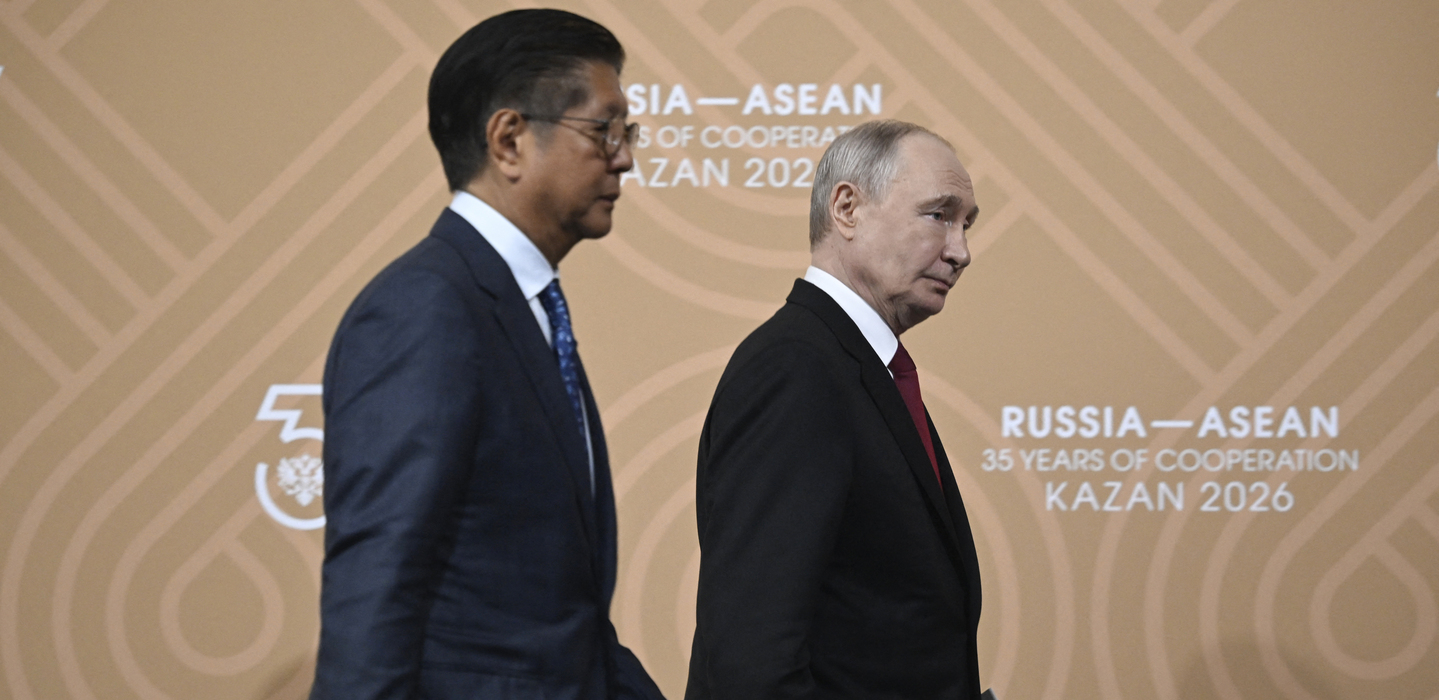
Russia looks set to reap economic benefits from closer ties with Southeast Asian countries that are keen to find reliable energy suppliers and diversify trade ties.

Alexander Gabuev
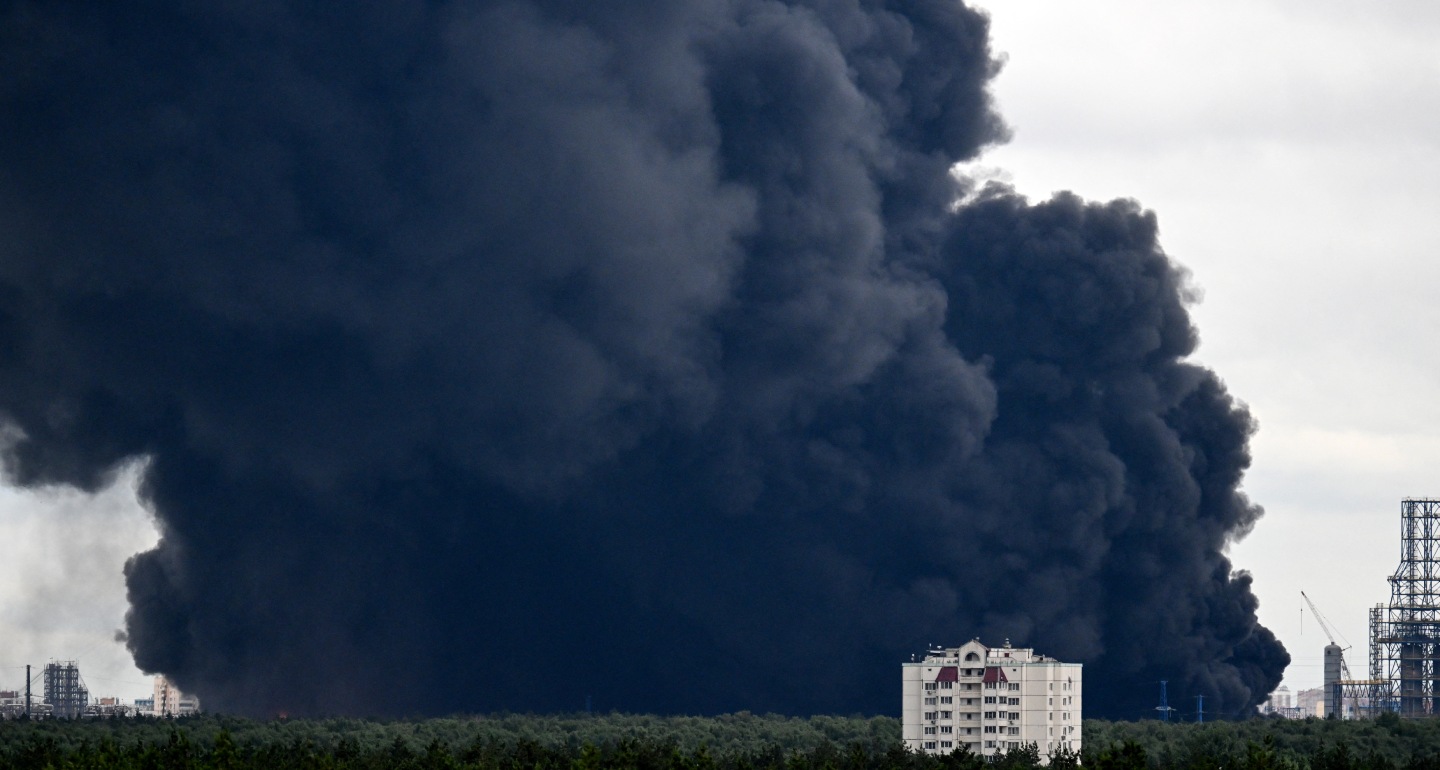
If it proves impossible for the Russian authorities to avoid a gasoline deficit, the question then becomes how they will organize the distribution of a scarce resource.

Sergey Vakulenko
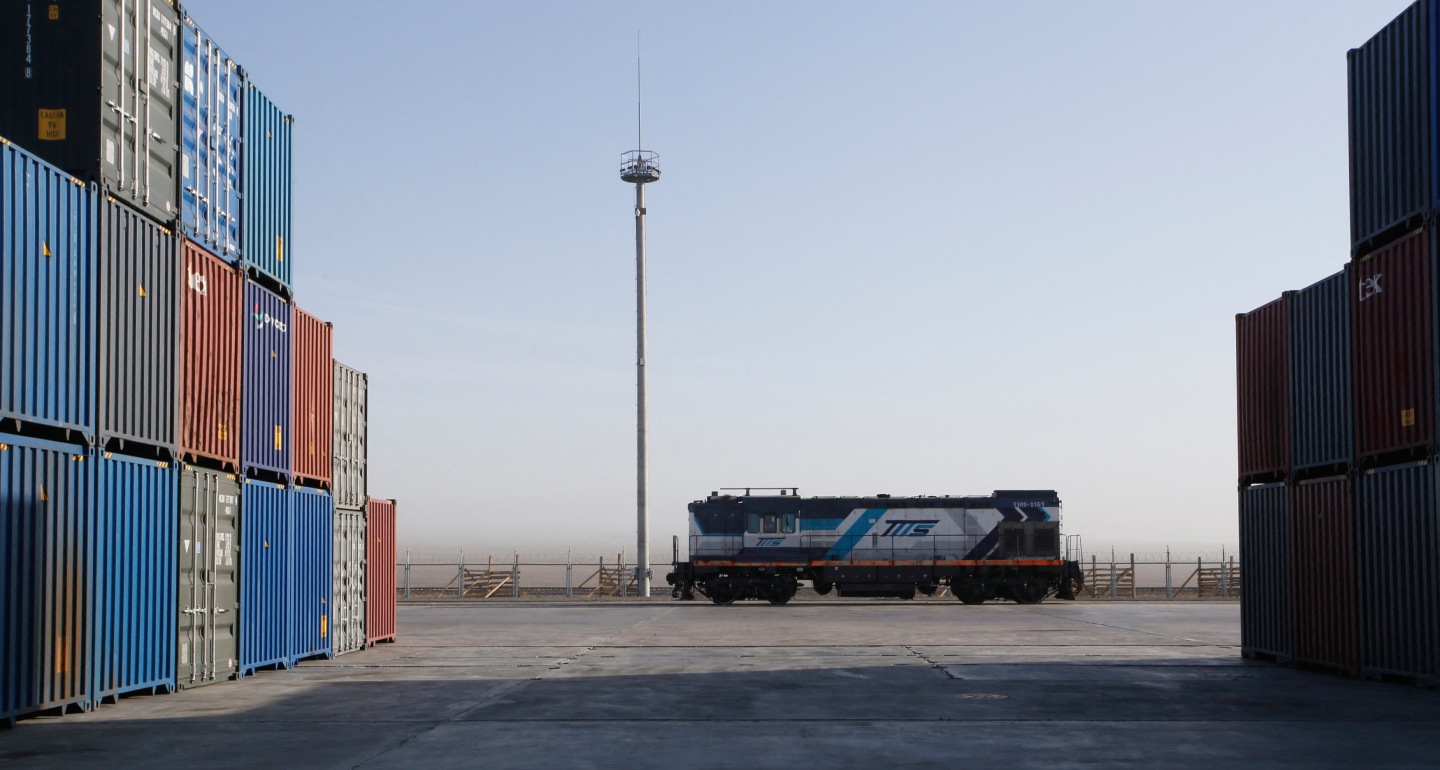
This year’s wars have made alternative routes to transit through Russia no less risky for Central Asian countries.

Galiya Ibragimova
A much-discussed disagreement over internet restrictions in Russia was never an existential threat for Putin: It was about elite groups protecting their interests.

Alexandra Prokopenko

The demands of the Kremlin’s war in Ukraine, demographic problems, and public hostility toward Central Asians mean Russia does not have enough workers.

Salavat Abylkalikov