

Research
- +6
Yasmine Farouk, Nathan J. Brown, Maysaa Shuja Al-Deen, …
Source: Getty
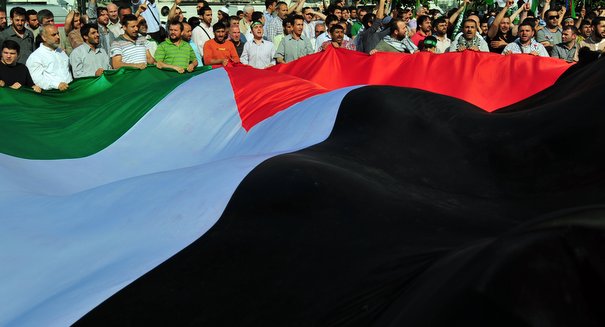
A two-state solution requires reconciliation between Palestinian factions and reunification of the West Bank and Gaza. The United States should support Palestinian institution building and be open to political competition, including elections.
The Israeli raid on the flotilla of humanitarian aid headed for Gaza dealt a blow to chances for a breakthrough in the peace process. As the U.S. administration struggles to keep indirect talks alive, Michele Dunne prescribes a different approach. It is clear that a two-state solution requires reconciliation between Palestinian factions and reunification of the West Bank and Gaza. Dunne recommends that the United States should support Palestinian institution building and be open to political competition, including elections.
“By allowing political competition in the Palestinian territories, the United States can help lay the groundwork necessary for a lasting peace settlement,” writes Dunne. “And Israel can have faith that a Palestinian negotiating partner possesses enough popular support to make agreements and uphold them.”

Former Nonresident Scholar, Middle East Program
Michele Dunne was a nonresident scholar in Carnegie’s Middle East Program, where her research focuses on political and economic change in Arab countries, particularly Egypt, as well as U.S. policy in the Middle East.
Recent Work


Yasmine Farouk, Nathan J. Brown, Maysaa Shuja Al-Deen, …
Robert Springborg, Emile Hokayem, Becca Wasser, …
Carnegie does not take institutional positions on public policy issues; the views represented herein are those of the author(s) and do not necessarily reflect the views of Carnegie, its staff, or its trustees.

Russian strikes are weakening the economy sustaining Ukraine’s war effort. Closing the growing funding gap will require more European support and politically contentious reforms in Kyiv.

Balázs Jarábik

Ex-president Gurbanguly Berdimuhamedov remains interested in politics, but his son Serdar, Turkmenistan’s current president, is becoming increasingly independent and willing to break with his father’s legacy. If their covert rivalry goes too far, both risk losing power.

Galiya Ibragimova

Despite a new textbook, an influx of Russian teachers and managers, and an end to the teaching of Ukrainian, the Kremlin is unlikely to have “reprogrammed” locals.

Konstantin Skorkin

Cargo traffic through Russia’s Northern Sea Route has increased because of the disruption caused by the conflict in the Middle East, the Ukraine war, and U.S.-China tensions.

Mikhail Korostikov

Sergei Kiriyenko used Russia’s parliamentary vote to further hone his strategy of corporate mobilization that is designed to maximize votes for United Russia.

Andrey Pertsev