

Paper
Paul Salem
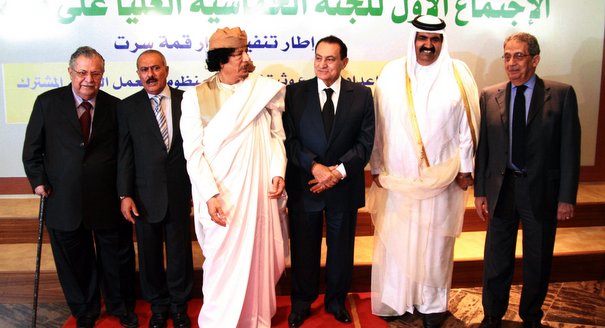
Source: Getty
A formal framework for communication and cooperation in the eastern Middle East could reduce the risks of conflict and encourage stability and economic development in this tense but critical location.
As the United States withdraws its forces from Iraq, there will be competition for regional influence by states in the eastern Middle East, including Turkey, Iran, Syria, Iraq, Saudi Arabia, and the rest of the Gulf countries. A formal framework for communication and cooperation—similar to the Organization for Security and Co-operation in Europe—could reduce the risks of conflict and encourage stability and economic development in this tense but critical location, according to a paper by Paul Salem.
“There are escalating tensions in the eastern Middle East today, but this is precisely why the region’s leaders should increase their communication and interaction,” writes Salem. “Even in the context of unresolved threats, working toward such a framework is possible and necessary. The Helsinki Process and the OSCE were launched during the Cold War to build trust and cooperation in the context of mistrust and mutually perceived threats.”
Senior Fellow at the Middle East Institute
Paul Salem is a senior fellow at the Middle East Institute.
Recent Work
Paul Salem
Paul Salem
Carnegie does not take institutional positions on public policy issues; the views represented herein are those of the author(s) and do not necessarily reflect the views of Carnegie, its staff, or its trustees.
Not only does the fighting jeopardize regional security, it undermines Russian attempts to promote alternatives to the Western-dominated world order.

Ruslan Suleymanov
Disillusioned with the West over Gaza, Arab countries are not only trading more with Russia; they are also more willing to criticize Kyiv.
Ruslan Suleymanov

Baku may allow radical nationalists to publicly discuss “reunification” with Azeri Iranians, but the president and key officials prefer not to comment publicly on the protests in Iran.

Bashir Kitachaev
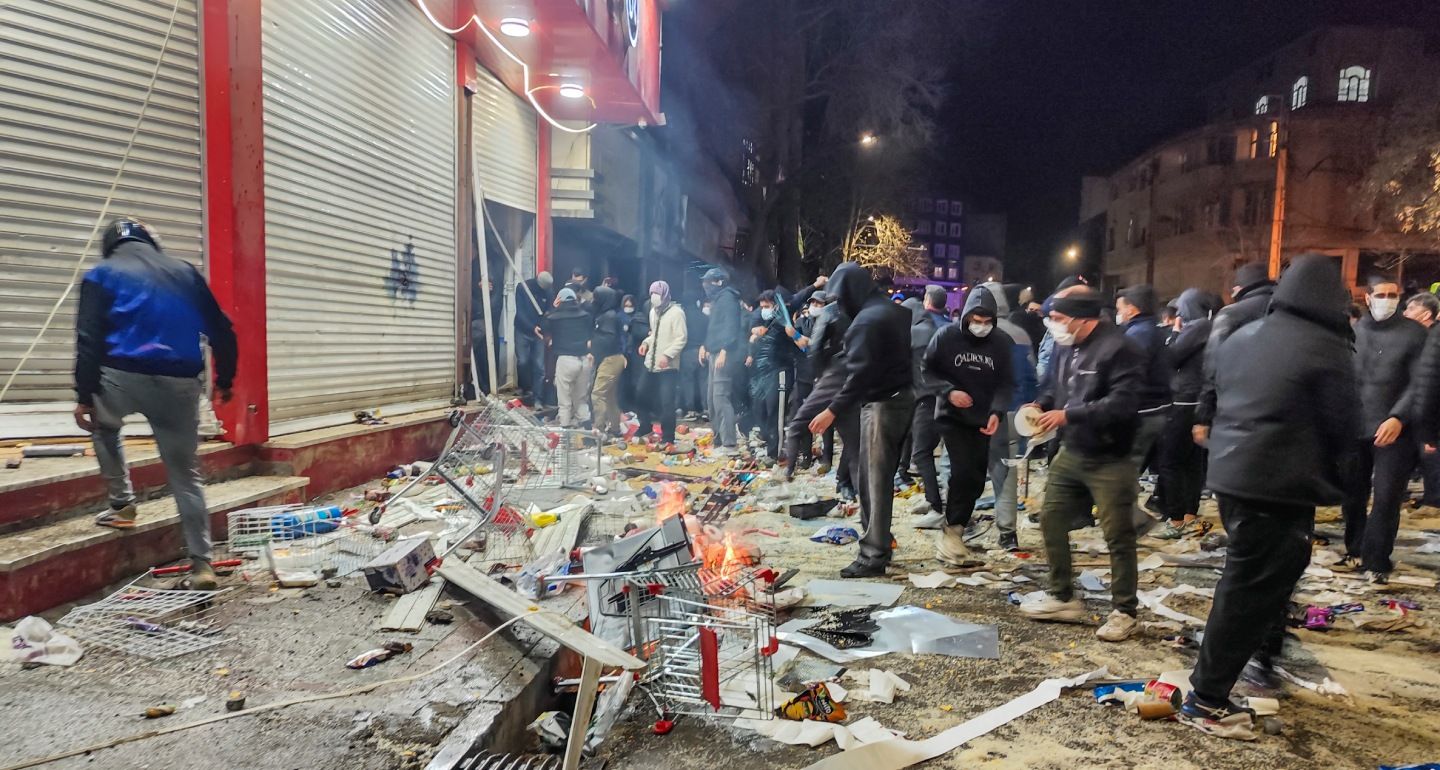
It’s one thing to export Russian helicopters to Iran to fight the insurgency, and it’s easy to imagine Moscow becoming a haven for fleeing Iranian leaders. But it’s very difficult to imagine Russian troops defending the Iranian regime on the ground.

Nikita Smagin
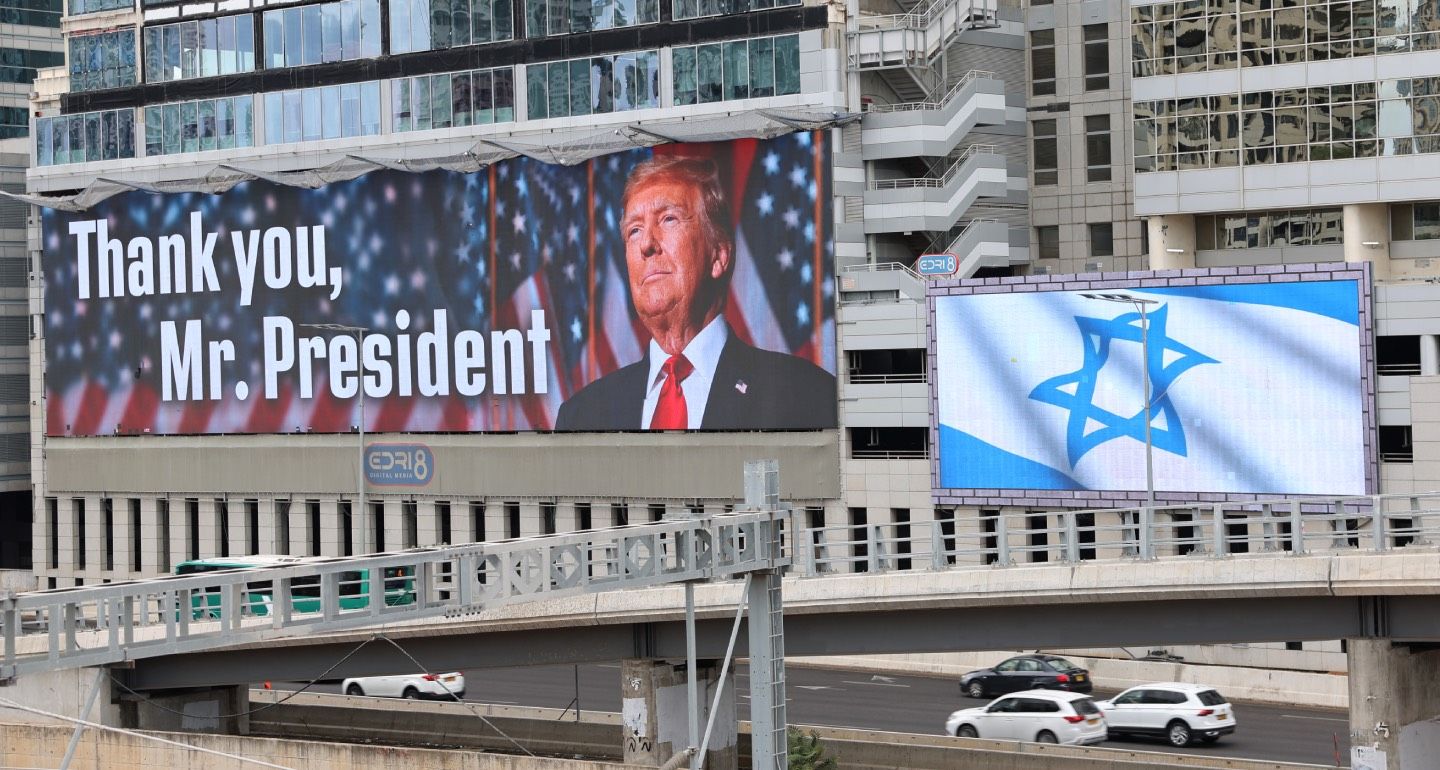
The U.S. president’s successful imposition of a ceasefire on notorious sworn enemies who have both agreed to make concessions only highlights Putin’s intransigence and his lack of competence and reason.
Alexander Baunov