

Commentary
Yukon Huang, Isaac B. Kardon, Matt Sheehan
Source: Getty
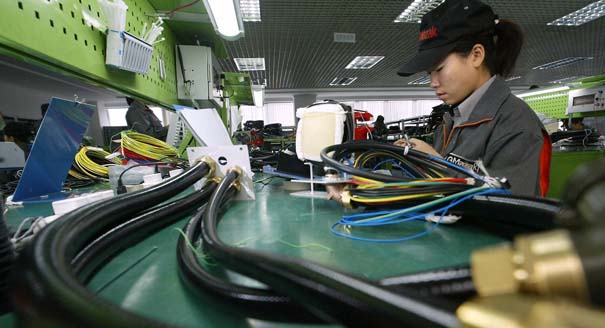
China has capitalized on its huge population and geographic size to become the world’s most efficient assembler and exporter of manufactured goods, but China’s transformation is now reaching a critical turning point.
China has capitalized on its huge population and geographic size to become the world’s most efficient assembler and exporter of manufactured goods, but China’s transformation is now reaching a critical turning point.
In a paper, Yukon Huang explains how China relied on lower transportation costs and a concentration of economic activities to foster rapid—albeit unbalanced—growth. If China builds on its recent success and adopts a more flexible exchange rate system, the four major policy questions that are now dominating the debate over China’s economic future can be answered as follows:
“Forces are now coming into play that will reshape China’s economic landscape during the coming years in ways that should help harmonize the impact on the global economy of China’s growth, which currently is rattling global trade and commodity markets,” writes Huang.

Senior Fellow, Asia Program
Huang is a senior fellow in the Carnegie Asia Program where his research focuses on China’s economy and its regional and global impact.
Recent Work


Yukon Huang, Isaac B. Kardon, Matt Sheehan
Yukon Huang, Genevieve Slosberg
Carnegie does not take institutional positions on public policy issues; the views represented herein are those of the author(s) and do not necessarily reflect the views of Carnegie, its staff, or its trustees.
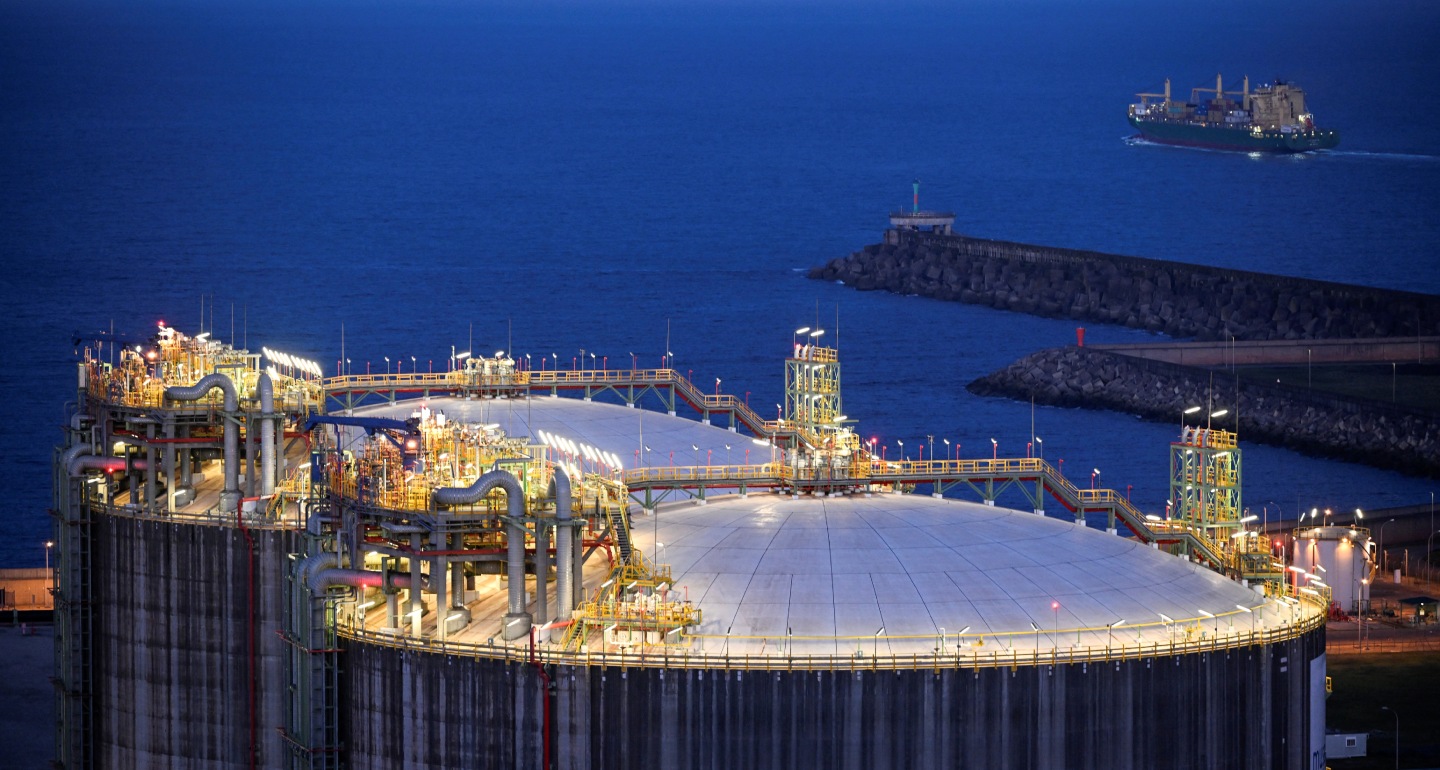
The future trajectory of the U.S.-Iran war remains uncertain, but its impact on global energy trade flows and ties will be far-reaching. Moscow is likely to become a key beneficiary of these changes; the crisis in the Gulf also strengthens Russia’s hand in its relationships with China and India, where advantages might prove more durable.

Sergey Vakulenko
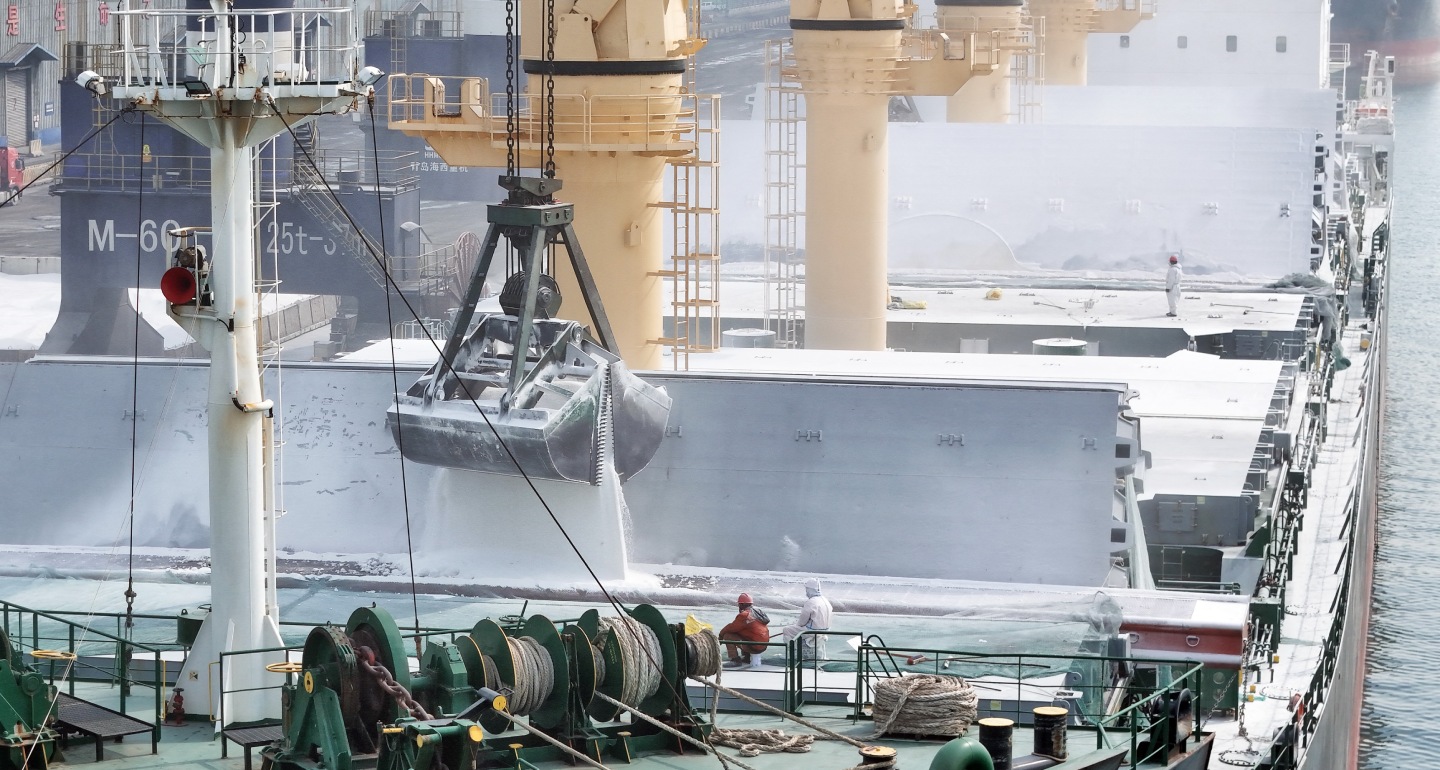
The Kremlin expects to not only profit from rising fertilizer prices but also exact revenge for the collapse of the 2023 grain deal.

Alexandra Prokopenko
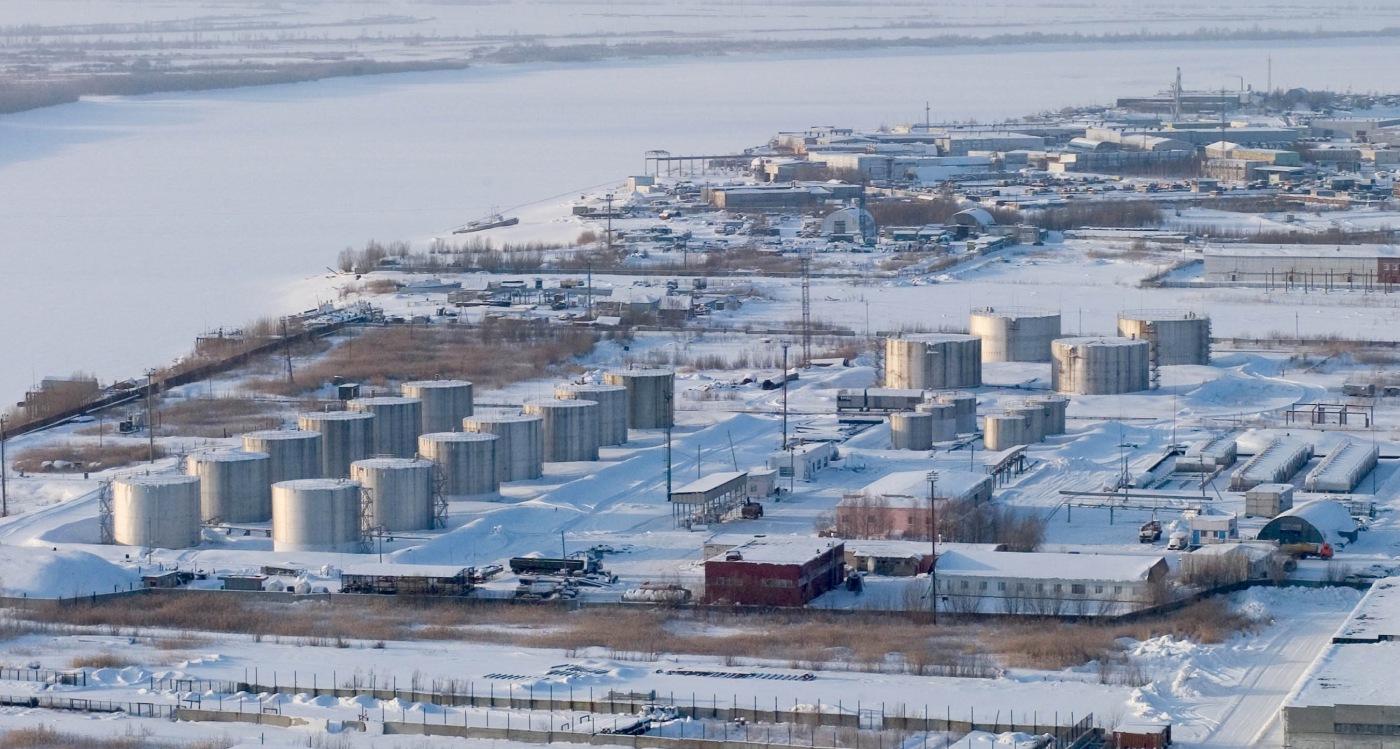
Russian oil production is remarkably resilient to significant price changes, but significant political headwinds may lead to a drop regardless of economics.
Sergey Vakulenko

Most of Moscow’s military resources are tied up in Ukraine, while Beijing’s foreign policy prioritizes economic ties and avoids direct conflict.


Alexander Gabuev, Temur Umarov
With the White House only interested in economic dealmaking, Georgia finds itself eclipsed by what Armenia and Azerbaijan can offer.

Bashir Kitachaev