

Paper
- +4
Dmitri Trenin, Alexey Arbatov, Maria Lipman, …
Source: Getty
Yeltsin was a revolutionary who destroyed the old order rather than building a new system. As a result, his years in power were often turbulent, but ultimately he managed to help Russia avoid collapse and civil war.
Boris Yeltsin would have turned 80 on February 1. Compared to other Russian political leaders, what was Yeltsin’s role in shaping modern Russia?
Yeltsin was certainly a political leader of great significance, but the results of his years in power are problematic. Public opinion takes a consistently negative view of him these days; he was unlucky as a politician because he outlined his time too fast. In his nature and political role, he was above all a revolutionary and destroyer of the old order, but the old order collapsed too fast. Russia needed a leader who could construct a new order, but Yeltsin was not very good at this; it was not his role in history.
Today, many people associate Russia in the 1990s with chaos. How do you view this period, and what were the 1990s like in Russia?
The 1990s certainly were a wild ride, and much of USSR’s achievements which could have been put to use later in modern Russia were destroyed (in particular, in the education, science, and health fields). Crime reached unprecedented levels. Many people, top-class professionals and scientists, were forced to emigrate from Russia. But this is not a reason to pass a “historical verdict” on this period and Russia’s leaders at the time. What is important is to understand why things happened as they did.
Two main reasons form the basis for Russia’s turbulence at the time. First, in the absence of a strong civil society, the ruling group of that time set about building the new Russia in a way that best suited its own interests. These were group and corporate interests, not national interests. This ruling group did not believe in the country (just like today’s ruling class, for all of its patriotic rhetoric), and so busied themselves solely—as they still do—with siphoning off budget funds and taking assets out of the country. Second, the Soviet collapse destroyed the old institutions, but the new ones turned out to be very weak. In this situation any kind of social progress was impossible.
In this turbulent time, Yeltsin played a very positive role. Had it not been for his concept of decentralized government, Russia could have faced the very real risk of collapse, and a bloody collapse at that, like in Yugoslavia. Also, although Yeltsin did not have a very strong grasp of how the social and economic mechanisms of a market-based society should work, he was a true political leader in realizing the importance of balancing interests in a politically and socially divided country. He understood the need not to push ahead with reforms that the majority of the public wasn’t ready for, and he realized the need to integrate defeated opponents into the new political order rather than trying to finish them off. That’s why Russia, for all of its turbulence in the 1990s, managed to preserve stability and avoid civil war.
What is Yeltsin’s legacy?
Yeltsin followed Mikhail Gorbachev in giving the Russian people freedom, but they were not ready for this freedom. This explains why those who value freedom as an enduring value will always honor Yeltsin’s memory, while those who remain slaves at heart will curse him.
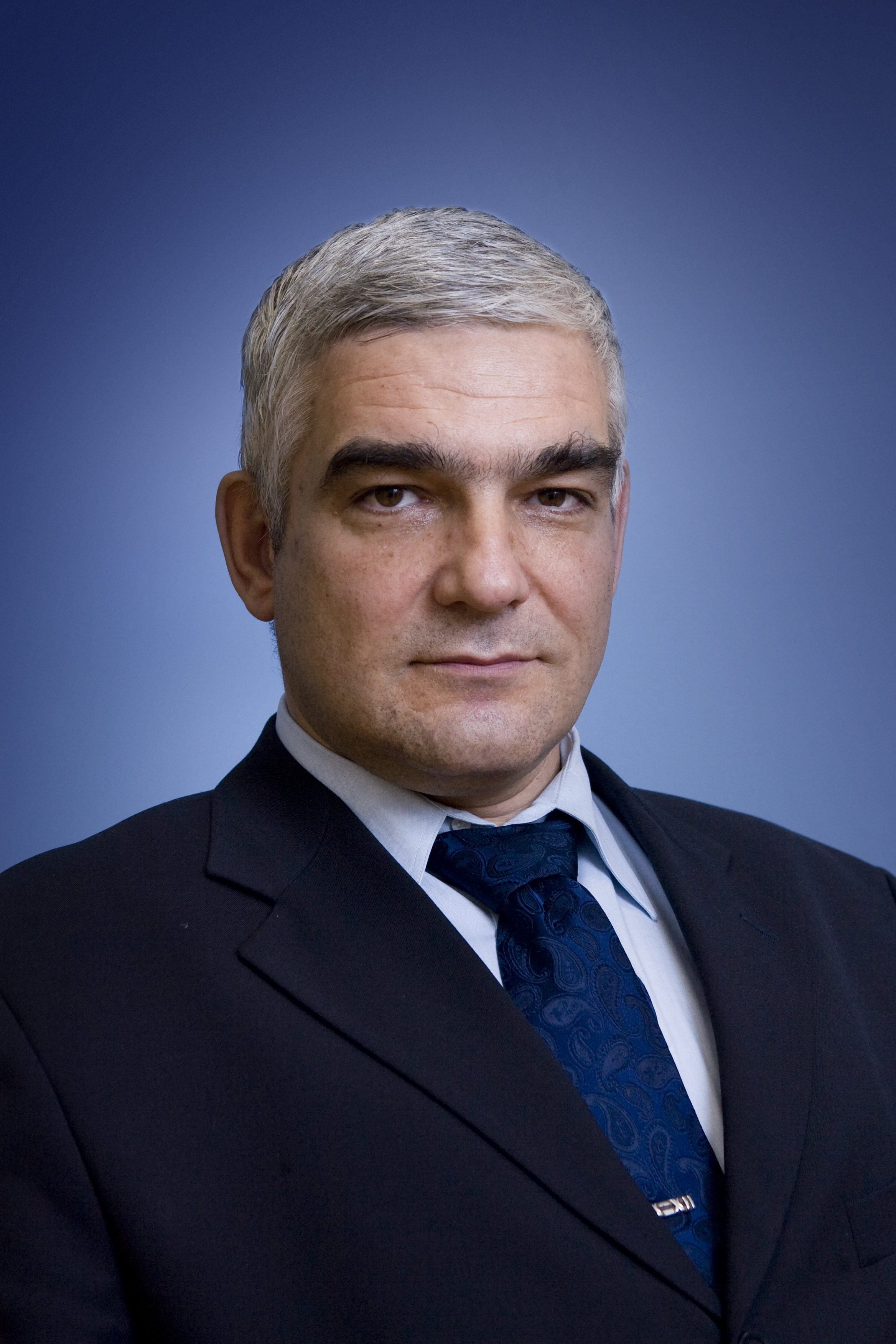
Former Scholar-in-Residence, The East East: Partnership Beyond Borders Program, Moscow Center
Ryabov was chair of the Carnegie Moscow Center’s East East: Partnership Beyond Borders Program. He is also the chief editor of the journal World Economy and International Relations and a leading researcher at the Russian Academy of Sciences’ Institute of World Economy and International Relations.
Recent Work
Dmitri Trenin, Alexey Arbatov, Maria Lipman, …
Andrei Ryabov
Carnegie does not take institutional positions on public policy issues; the views represented herein are those of the author(s) and do not necessarily reflect the views of Carnegie, its staff, or its trustees.
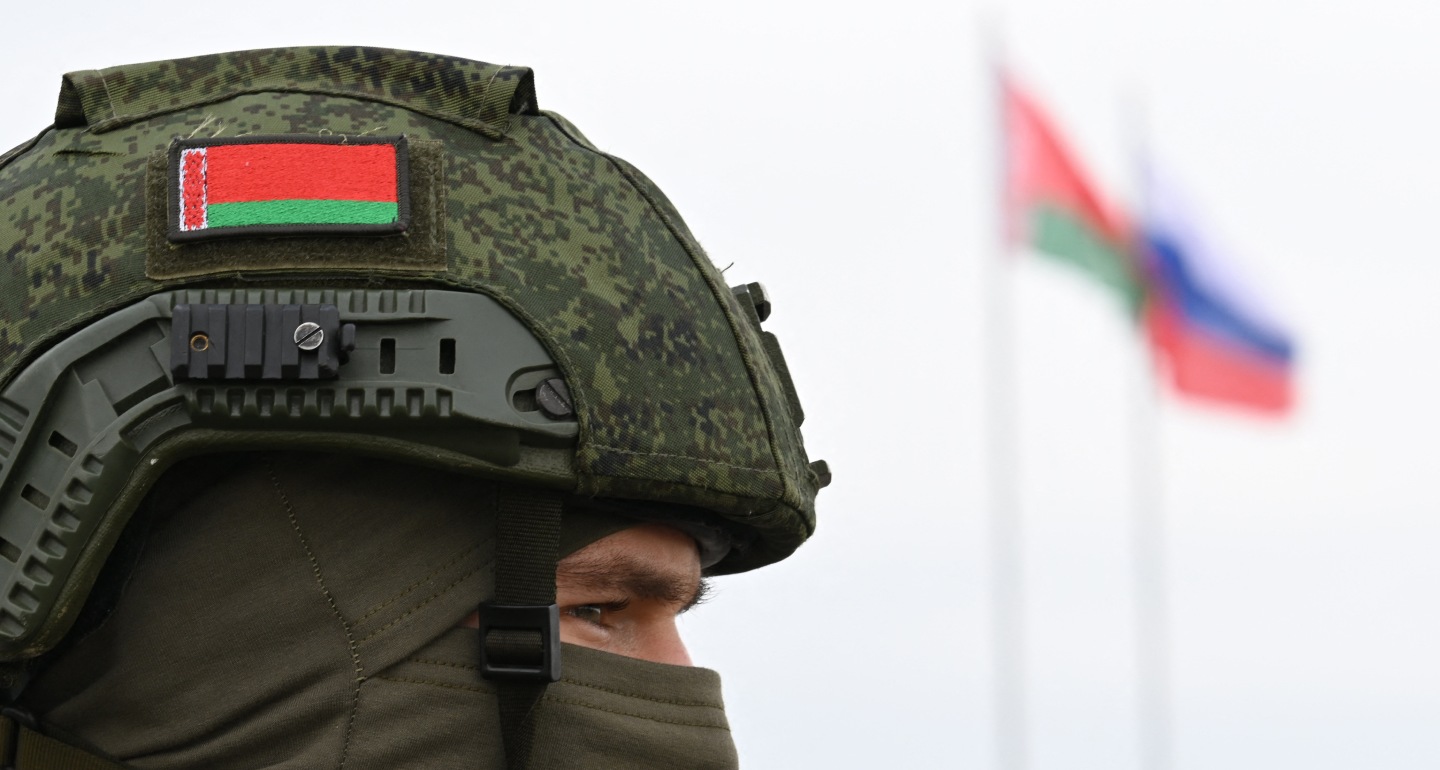
By reminding the world that Lukashenko is a threat to NATO and Ukraine, Kyiv is trying to return the focus to why the Belarusian regime needs to be contained rather than rewarded.

Artyom Shraibman

The demands of the Kremlin’s war in Ukraine, demographic problems, and public hostility toward Central Asians mean Russia does not have enough workers.
Salavat Abylkalikov
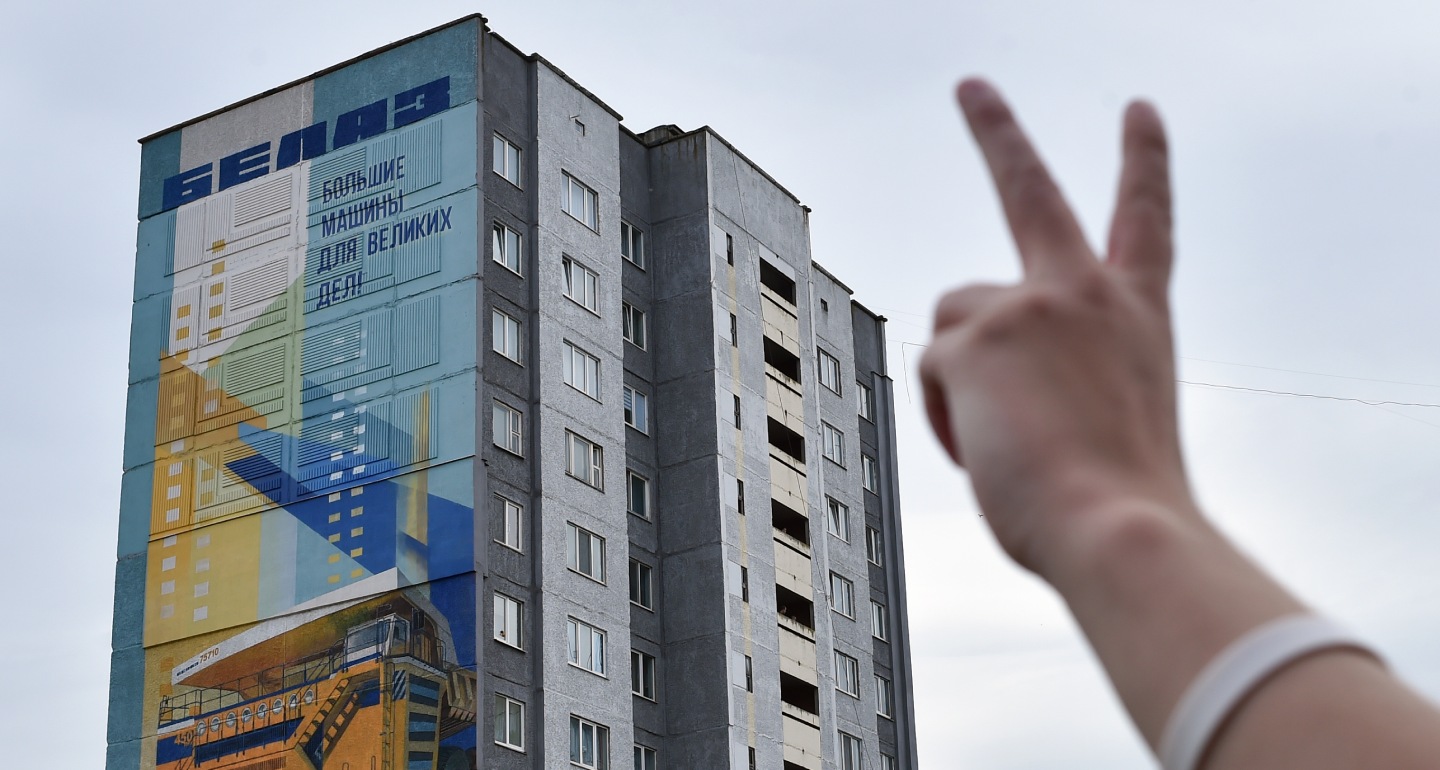
Minsk’s faith in the future of its larger neighbor’s economy is fading as Belarusian firms in Russia see record losses.

Olga Loiko
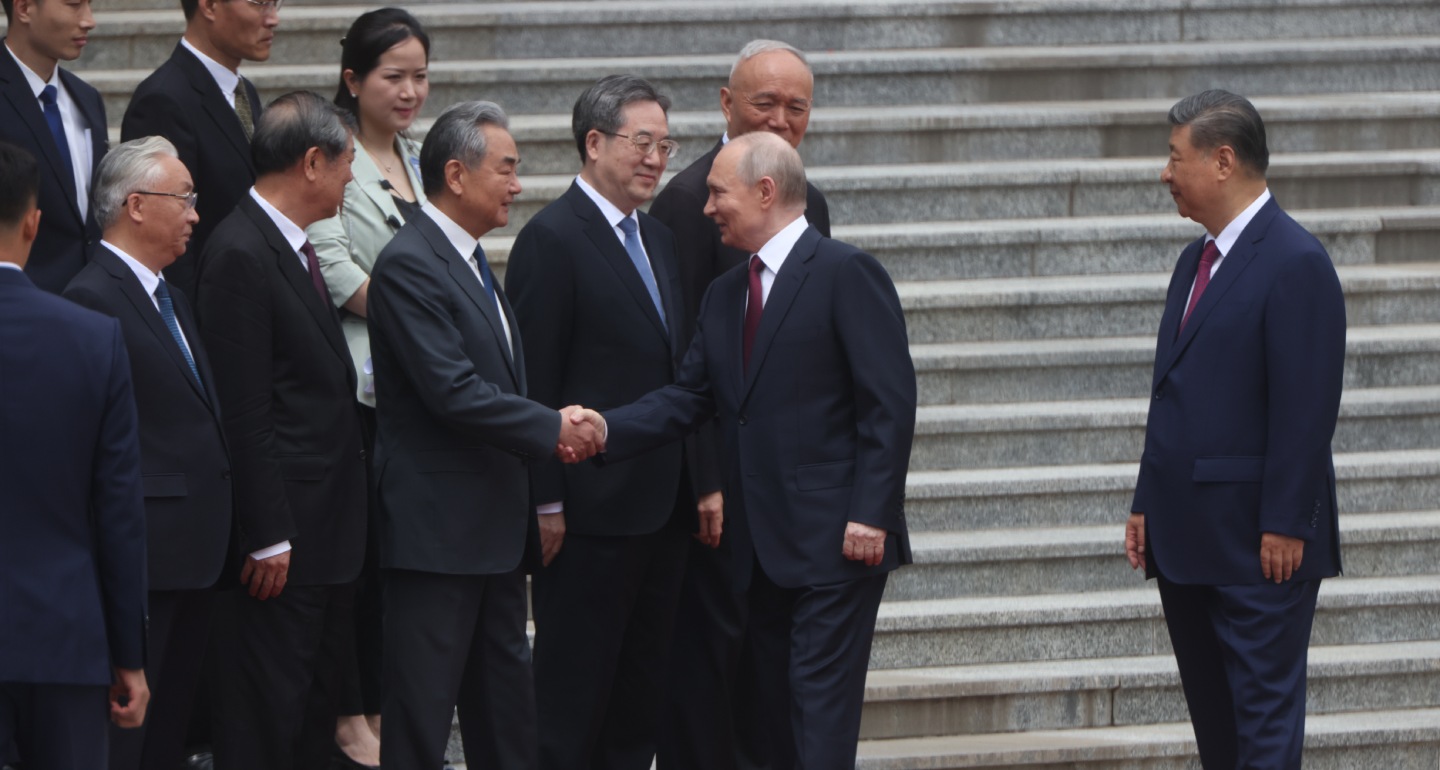
With no key agreement signed on the Power of Siberia 2 gas pipeline, there is a risk that the window of opportunity for Russia will close if Chinese power generation becomes so green that new gas sources are no longer of any interest to Beijing.

Alexander Gabuev
Though Orban is gone, Putin can still count on some like-minded individuals in Central and Eastern Europe. However, they will seek to avoid open confrontation with EU institutions over Ukraine and their ties with Moscow.

Dimitar Bechev