

Commentary
Yezid Sayigh
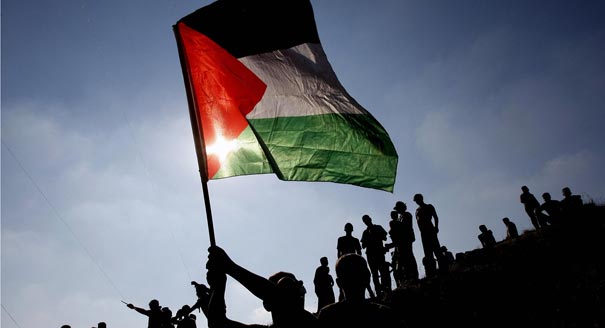
Source: Getty
In both the West Bank and Gaza, security sector rebuilding and restructuring occurs without democratic governance and a constitutional order, which threatens not only the region's long-term security but also the ability to achieve Palestinian statehood.
As rival governments in the West Bank and Gaza have sought to strengthen their respective Palestinian Authority Security Force (PASF) sectors in recent years, they have adopted very different approaches. The Fayyad government in the West Bank largely relies on financial and training support from the West, while the Hamas-ruled Gaza, lacking significant outside help, has been forced to streamline its operations.
Although well-intentioned, Western efforts have hindered—rather than helped—West Bank forces, who have received almost $450 million in assistance from the United States and the European Union since 2007. The West’s limited focus on technical rather than political assistance and disjointed overall approach—along with the lack of coherence and autonomy in the West Bank PASF—are largely responsible for the sector’s failure to develop its own training and planning capabilities.
The Gaza PASF, on the other hand, has benefited from the absence of external support. Hamas, rather than outside donors, chooses how to design its policies and programs and set its priorities. As a result of this sense of ownership and efficient approach, its security sector is more integrated, has a clearer chain of command, and has developed more professional training and planning capabilities than the West Bank sector.
But the fundamental problem in both regions is that security sector rebuilding and restructuring occurs without democratic governance and a constitutional order. While the Fayyad government in the West Bank and the Haniah government in Gaza stress a strict adherence to the rule of law and genuine observance of human rights, their lack of constitutional checks and balances—especially weak legislative and judicial oversight—makes this difficult. Civilian control of the security forces is also growing more tenuous, especially as political infighting grows in the West Bank and Islamization increases in Gaza.
This trend will continue unless a number of steps are taken. These include achieving Palestinian “ownership” of security sector development—especially in the West Bank—reintegrating the West Bank and Gaza PASF, assuring government control of security in both areas, and designing a new national security vision by engaging all relevant stakeholders. Otherwise, growing authoritarianism in the region will threaten not only its long-term security but also the ability to achieve Palestinian statehood.

Senior Fellow, Malcolm H. Kerr Carnegie Middle East Center
Yezid Sayigh is a senior fellow at the Malcolm H. Kerr Carnegie Middle East Center in Beirut, where he leads the program on Civil-Military Relations in Arab States (CMRAS). His work focuses on the comparative political and economic roles of Arab armed forces, the impact of war on states and societies, the politics of postconflict reconstruction and security sector transformation in Arab transitions, and authoritarian resurgence.
Recent Work
Yezid Sayigh
Yezid Sayigh
Carnegie does not take institutional positions on public policy issues; the views represented herein are those of the author(s) and do not necessarily reflect the views of Carnegie, its staff, or its trustees.

Two divergent trends—Putin’s hardline vision of how to prosecute the war in Ukraine, and a growing desire for change in Russia—could tear the regime apart.

Tatiana Stanovaya
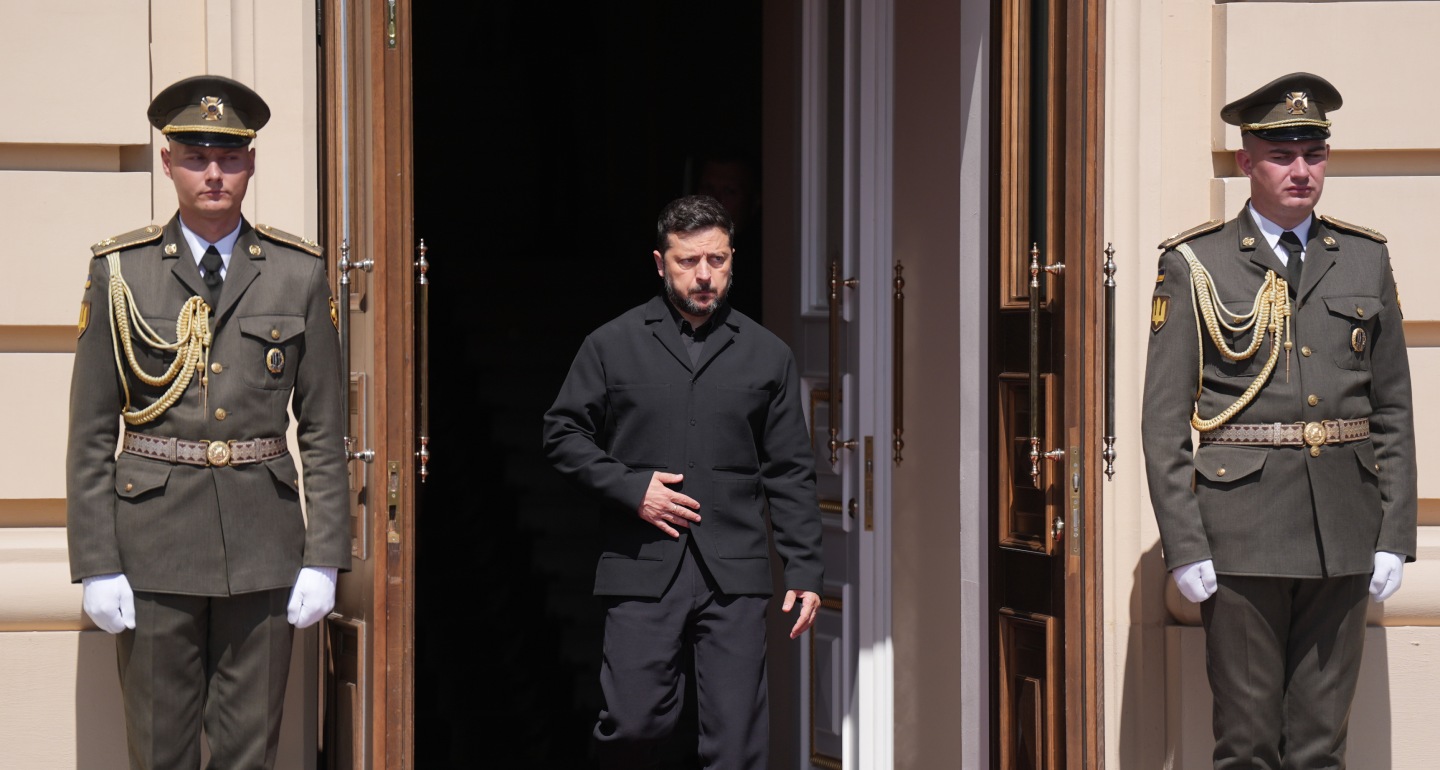
Ultimately, Zelensky sided neither with the reform camp nor with the military establishment as such, but with political control.

Balázs Jarábik
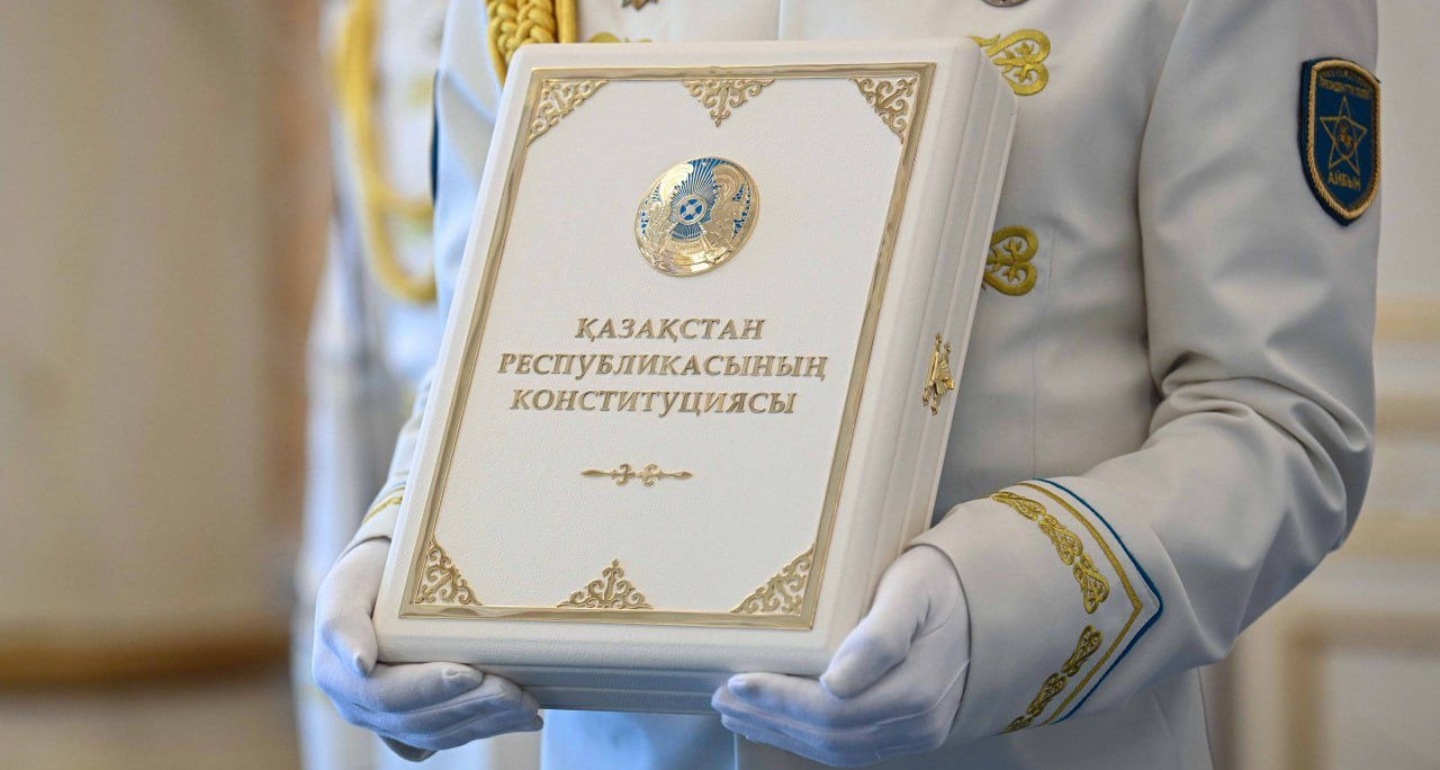
Tokayev’s predecessor, Nursultan Nazarbayev, outlined arrangements for a power transition too soon and in too much detail, ultimately losing control over the process. Tokayev is determined not to meet the same fate.

Temur Umarov
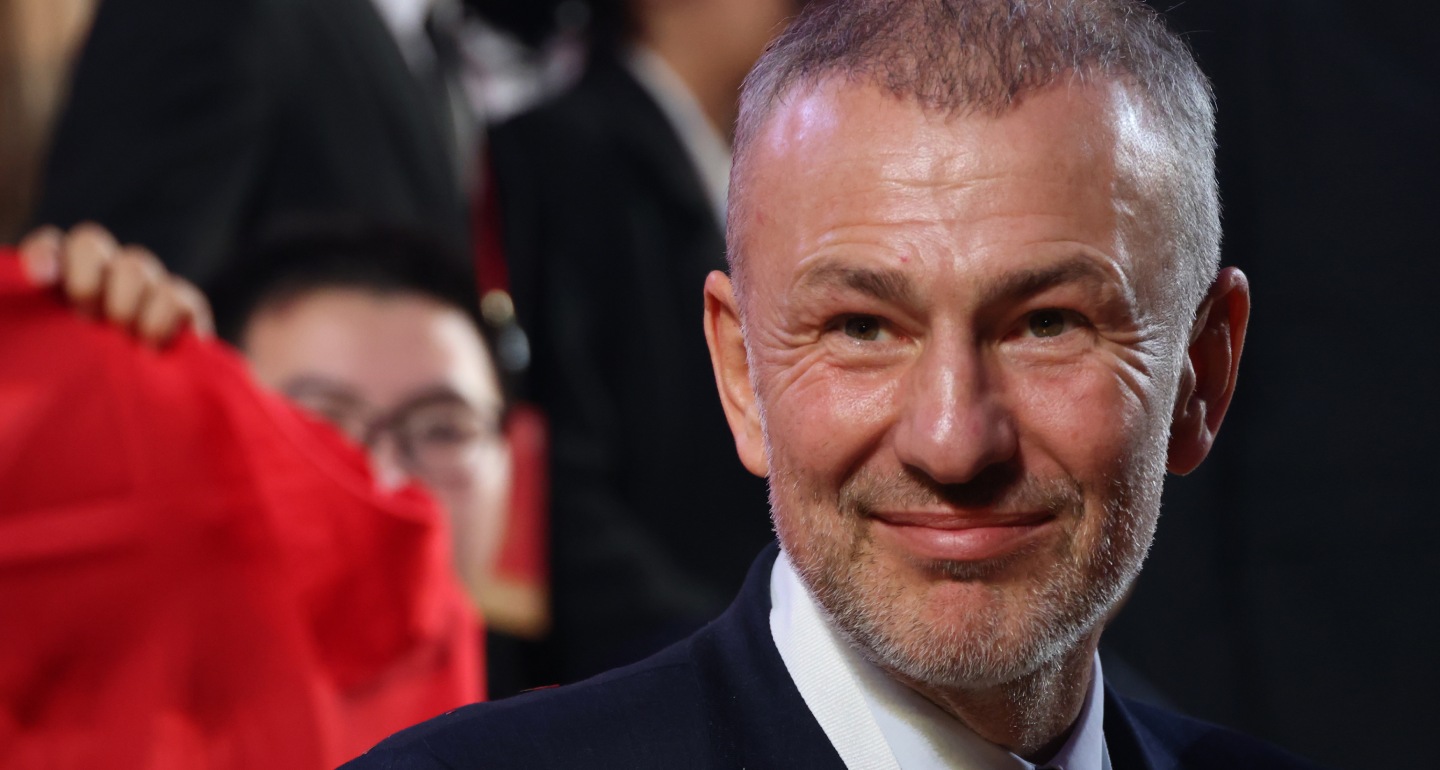
Andrey Melnichenko’s essay offers no answer to the fundamental question of how, under any kind of negotiated settlement, Europe can protect itself from the Russian ressentiment that is inevitable in all scenarios except for an outright victory for Putin.

Leonid Bershidsky

Despite unhappiness on the ground, Moscow is determined to use both carrot and stick to ensure there is record support for United Russia in occupied Ukraine.

Konstantin Skorkin