• Research
  • Politika
  • About
Carnegie Russia Eurasia center logoCarnegie lettermark logo
  • Donate
The Battle of Dubai: The United Arab Emirates and the U.S.-Iran Cold War

Source: Getty

Paper
Malcolm H. Kerr Carnegie Middle East Center

The Battle of Dubai: The United Arab Emirates and the U.S.-Iran Cold War

If the United States and the United Arab Emirates seek to move beyond sanctions and military containment to address the deeper roots of the Iranian threat, they may find they have differing long-term interests.

Link Copied
By Karim Sadjadpour
Published on Jul 27, 2011

Additional Links

Full Text

As the United States seeks to contain Iran’s nuclear ambitions through economic sanctions and diplomatic isolation, the United Arab Emirates (UAE) has come to play a critical yet often ambiguous role. The UAE, namely the emirate of Dubai, is a top source of Iranian imports and a key transshipment point for goods—legal and illegal—destined for the Islamic Republic. Dubai’s bustling and loosely regulated ports have repeatedly frustrated international sanctions against Iran.

At the same time, the government in Abu Dhabi feels acutely threatened by Iran and has consequently forged a strategic alliance with the United States. The UAE spends billions of dollars on U.S. arms and Emirati officials have privately urged the United States to consider all possible options—including military intervention—to stop Iran’s nuclear program. Additionally, the UAE has allowed the United States to use Dubai—home to the world’s second-largest Iranian diaspora community—as a perch to gather information on Iran.

A combination of U.S. pressure and Abu Dhabi’s newfound economic and political clout over Dubai has led the UAE to significantly enhance the enforcement of sanctions in recent years. Yet both the United States and the UAE face serious obstacles in distinguishing between legal and illegal commerce and have felt a backlash from legitimate merchants who feel unfairly targeted.

Few policymakers in Washington or Abu Dhabi believe that sanctions alone will modify Iran’s external behavior or curtail its nuclear ambitions. But if the United States and the UAE seek to move beyond sanctions and military containment to address the deeper roots of the Iranian threat—namely the character of the Iranian regime—they may find they have differing long-term interests.
 
Karim Sadjadpour
Senior Fellow, Middle East Program
Karim Sadjadpour
Middle EastIranUnited Arab EmiratesGulfPolitical ReformForeign PolicyNuclear Policy

Carnegie does not take institutional positions on public policy issues; the views represented herein are those of the author(s) and do not necessarily reflect the views of Carnegie, its staff, or its trustees.

More Work from Carnegie Russia Eurasia Center

  • Commentary
    Carnegie Politika
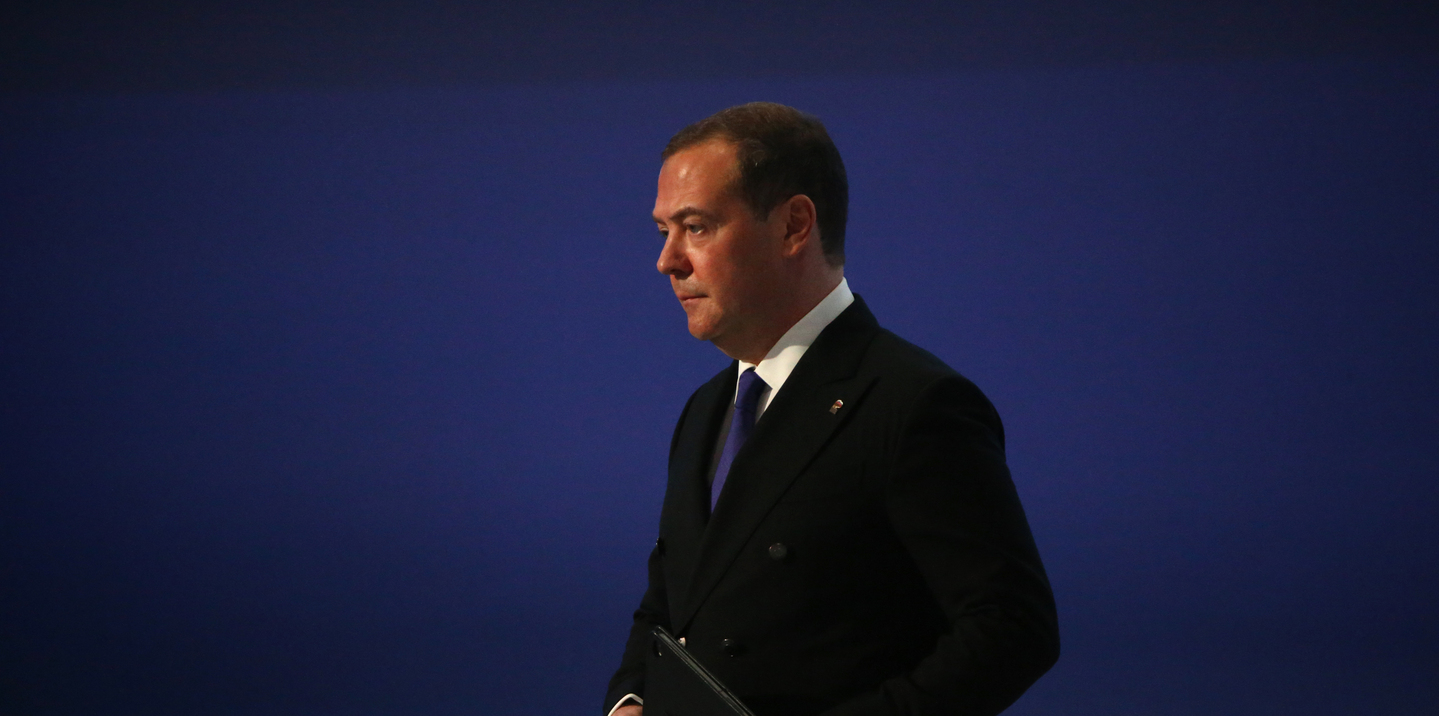
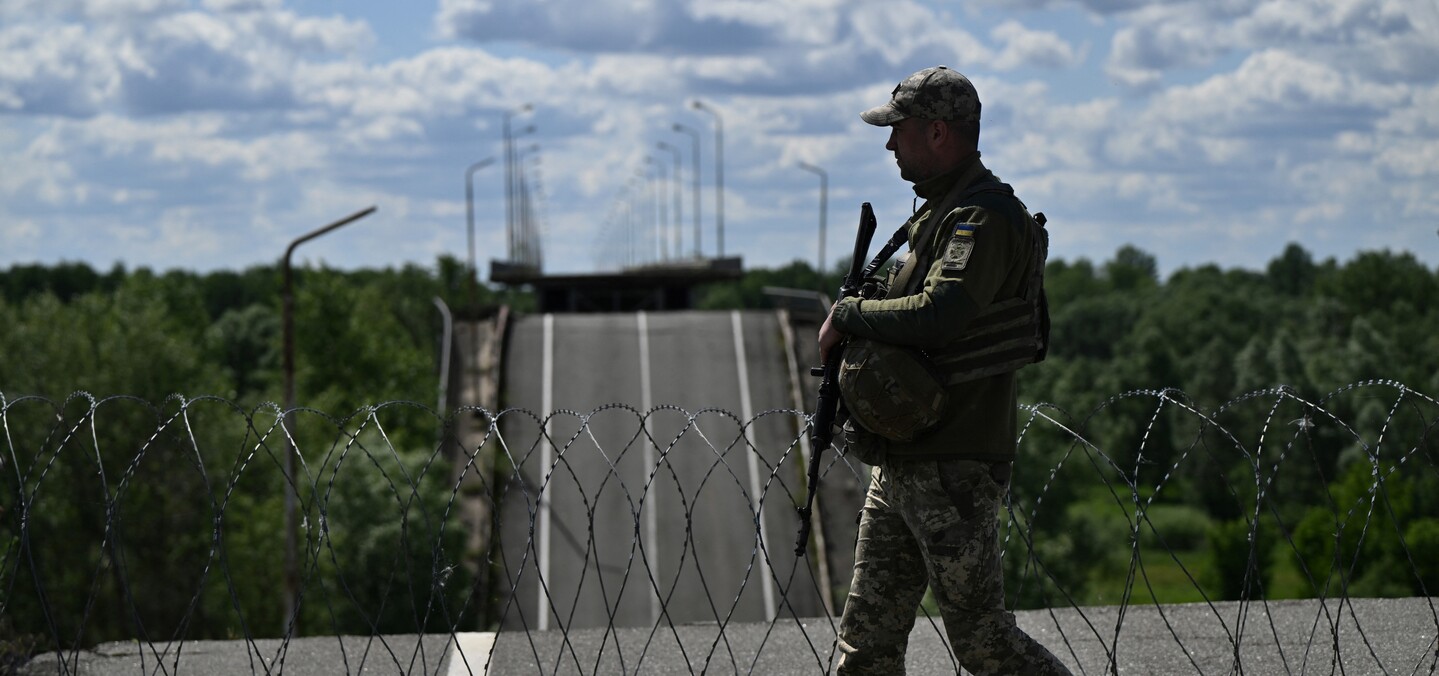
    Signs of an Imminent End to the Ukraine War Are Deceptive

    The main source of Russian aggression is a profound mistrust of the West and the firm belief that it intends to inflict a “strategic defeat” on Russia. As long as this fear persists, the war will not end.

      Tatiana Stanovaya

  • Commentary
    Carnegie Politika
    Where Does the Split in the Ruling Tandem Leave Kyrgyzstan?

    Despite its reputation as an island of democracy in Central Asia, Kyrgyzstan appears to be on the brink of becoming a personalist autocracy.

      Temur Umarov

  • Commentary
    Carnegie Politika
    In Uzbekistan, the President’s Daughter Is Now His Second-in-Command

    Having failed to build a team that he can fully trust or establish strong state institutions, Mirziyoyev has become reliant on his family.

      Galiya Ibragimova

  • Commentary
    Carnegie Politika
    For Putin, Increasing Russia’s Nuclear Threat Matters More Than the Triad’s Modernization

    For Putin, upgrading Russia’s nuclear forces was a secondary goal. The main aim was to gain an advantage over the West, including by strengthening the nuclear threat on all fronts. That made growth in missile arsenals and a new arms race inevitable.

      Maxim Starchak

  • Commentary
    Carnegie Politika
    Japan’s “Militarist Turn” and What It Means for Russia

    For a real example of political forces engaged in the militarization of society, the Russian leadership might consider looking closer to home.

      James D.J. Brown

Get more news and analysis from
Carnegie Russia Eurasia Center
Carnegie Russia Eurasia logo, white
  • Research
  • Politika
  • About
  • Experts
  • Events
  • Contact
  • Privacy
Get more news and analysis from
Carnegie Russia Eurasia Center
© 2026 Carnegie Endowment for International Peace. All rights reserved.