

In The Media
Martha Brill Olcott

In Uzbekistan, Central Asia’s most populous country, Islam has been an ever-present factor in the lives of its people and a contentious force for political officials trying to build a secular government.
Source: Washington

In the Whirlwind of Jihad examines the intertwined and evolving relationships between religion, the state, and society in Uzbekistan from the late 1980s to today, encompassing the period from the collapse of the Soviet Union to the launch of the U.S.-led “war on terror” in neighboring Afghanistan. Martha Brill Olcott, the foremost expert on Central Asia, concludes that in an era of global communication and increased contact with international Islamic communities, a new role for Islam in Uzbekistan will ultimately emerge with implications beyond the country’s borders.

Former Senior Associate, Russia and Eurasia Program and, Co-director, al-Farabi Carnegie Program on Central Asia
Olcott is professor emerita at Colgate University, having taught political science there from 1974 to 2002. Prior to her work at the endowment, Olcott served as a special consultant to former secretary of state Lawrence Eagleburger.
Recent Work
Martha Brill Olcott
Martha Brill Olcott
Carnegie does not take institutional positions on public policy issues; the views represented herein are those of the author(s) and do not necessarily reflect the views of Carnegie, its staff, or its trustees.

The demands of the Kremlin’s war in Ukraine, demographic problems, and public hostility toward Central Asians mean Russia does not have enough workers.
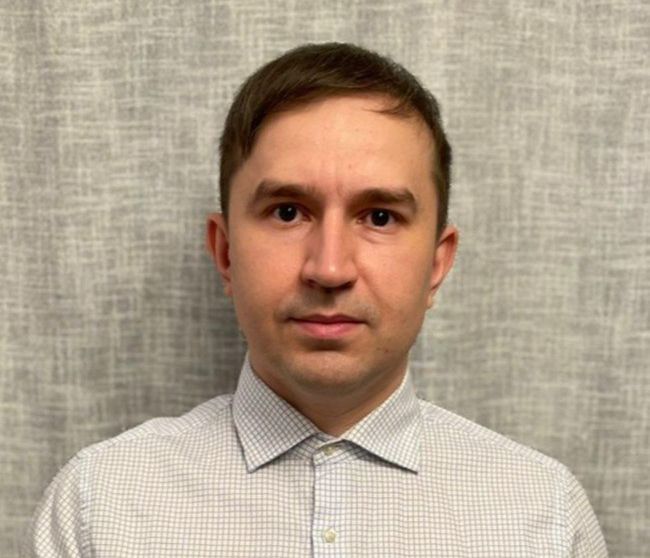
Salavat Abylkalikov
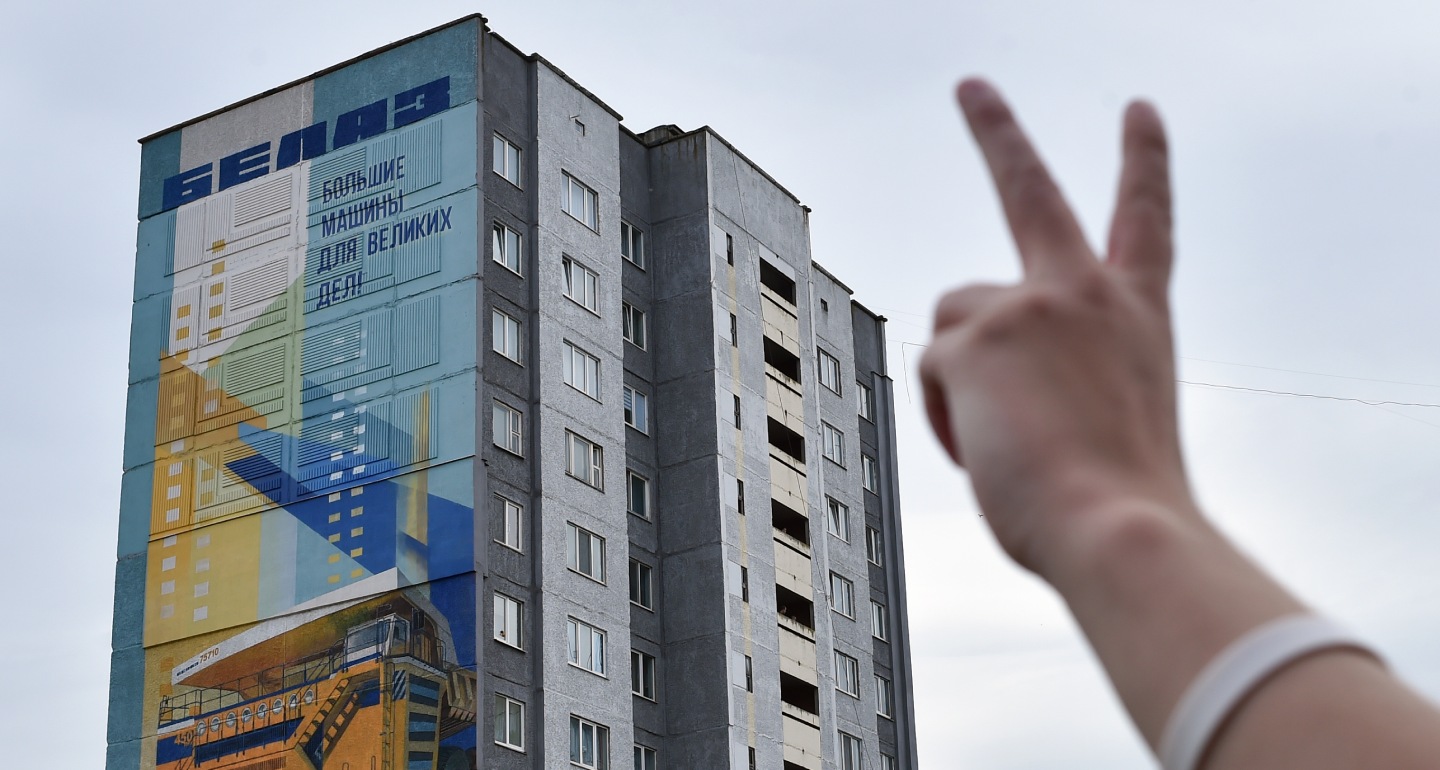
Minsk’s faith in the future of its larger neighbor’s economy is fading as Belarusian firms in Russia see record losses.
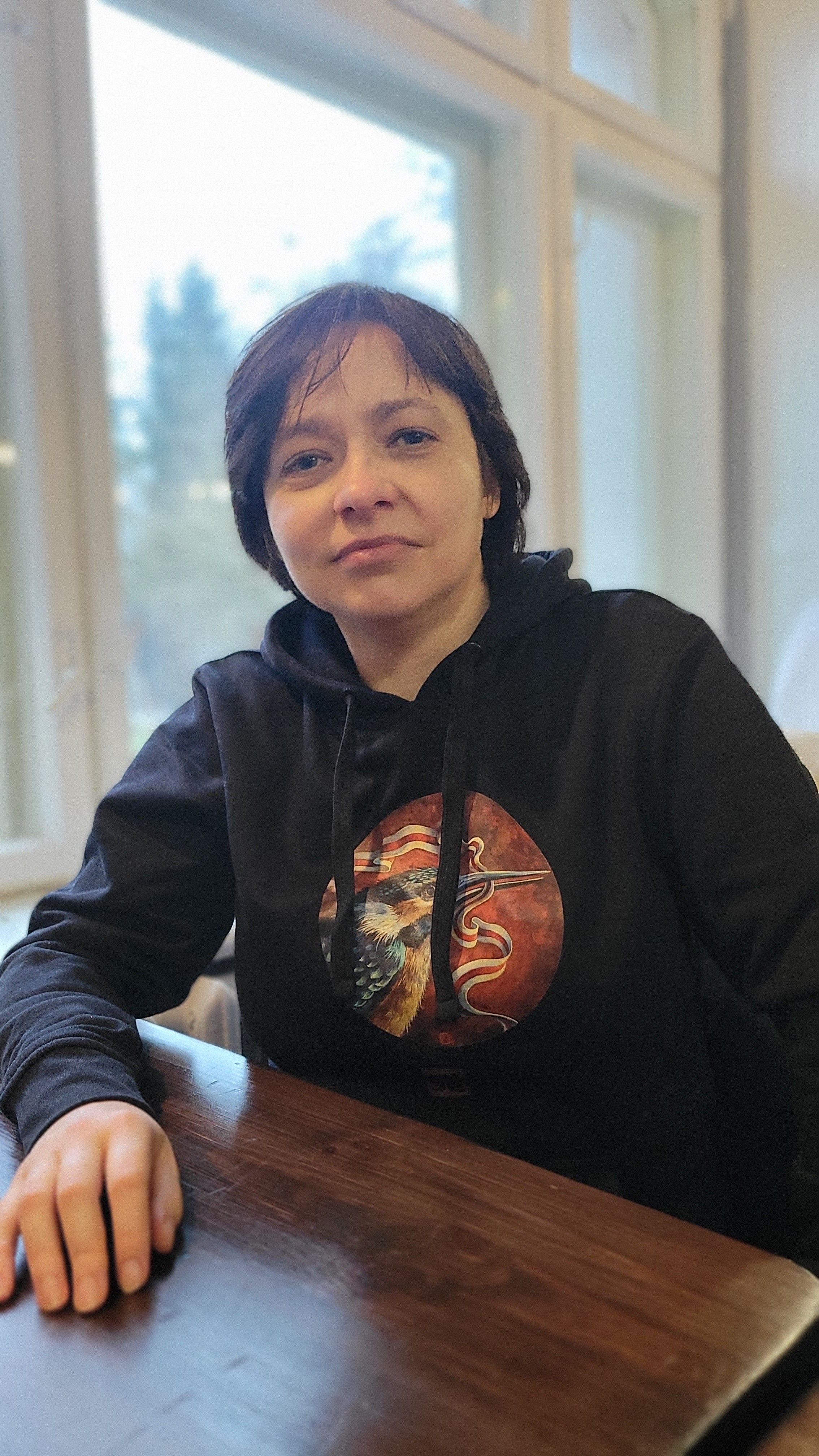
Olga Loiko
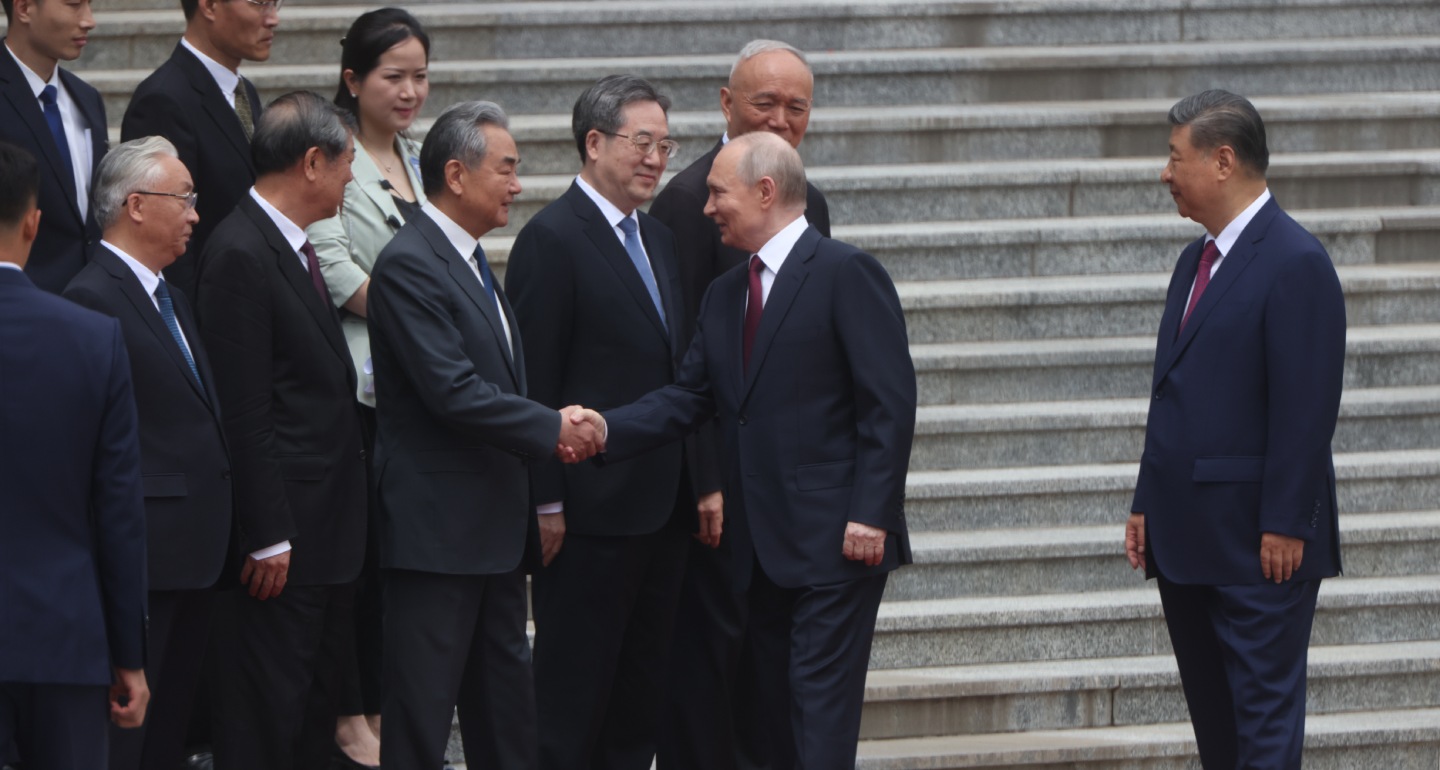
With no key agreement signed on the Power of Siberia 2 gas pipeline, there is a risk that the window of opportunity for Russia will close if Chinese power generation becomes so green that new gas sources are no longer of any interest to Beijing.

Alexander Gabuev
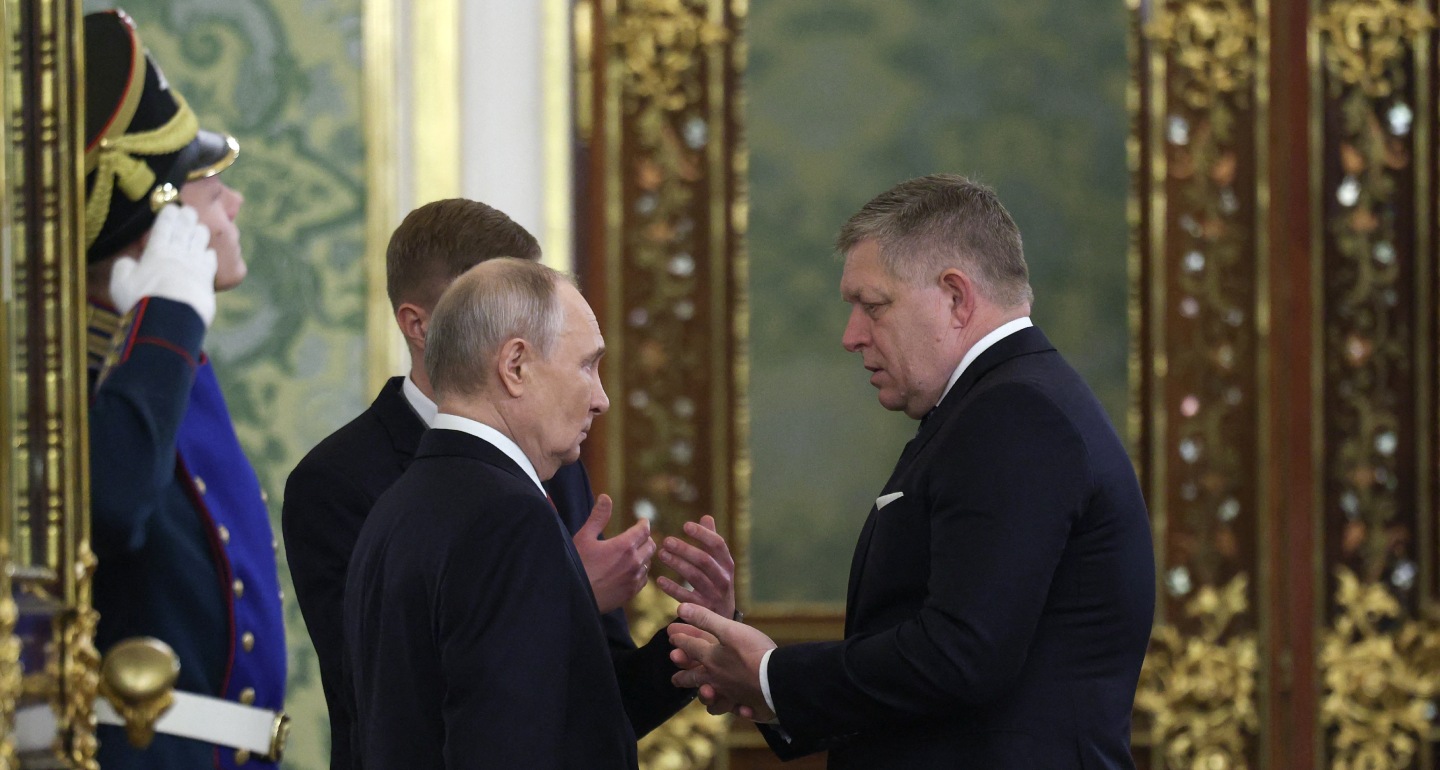
Though Orban is gone, Putin can still count on some like-minded individuals in Central and Eastern Europe. However, they will seek to avoid open confrontation with EU institutions over Ukraine and their ties with Moscow.

Dimitar Bechev

The truth is that Japan’s government is seeking a degree of reengagement but at a vastly reduced level than under Abe. Most significantly, Japan has shown no willingness to ease sanctions.

James D.J. Brown