

In The Media
Petr Topychkanov
Source: Getty
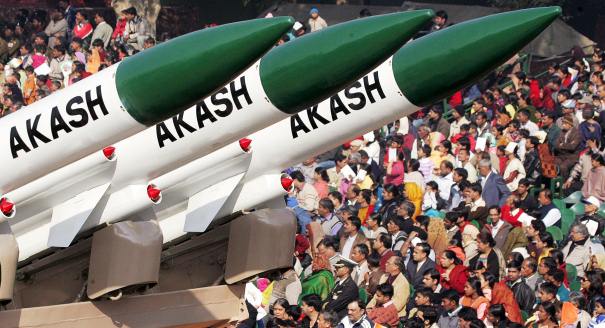
India continues to develop a missile defense system, despite a lack of expert consensus within the country on the value of such a system and despite the fact that uncertainty regarding Indian missile defense adversely affects regional security.
Source: Carnegie Moscow Center Working Paper

Raj Chengappa’s text demonstrates the consequences that could result from further escalation, including large-scale military operations with the use of conventional—and possibly nuclear—forces. For many specialists in India and Pakistan, it is clear that in the event of nuclear war between two powers of such territorial proximity, there cannot be a winner. Significant areas of the South Asian region would be rendered uninhabitable. The entire ecological system of the region would change. The consequences of a nuclear exchange would be felt far beyond South Asia.
According to Raj Chengappa’s scenario, Indian missile defense could save Delhi from a nuclear attack, but it could not prevent a nuclear catastrophe. In fact, for the moment, it is difficult not only to consider Indian missile defense effective, but to see it as a system that really exists. India has not completed a missile defense system by 2012, in part due to its limited resources, scientific and technical difficulties, and obstacles encountered while obtaining the necessary technologies on the international market.
However, an important role was also played by the deficit of expert consensus in India in regard to the expediency of the substantial costs associated with developing missile defense, which, as it seems at the moment, cannot guarantee the country’s protection from missile and nuclear threats. Moreover, it is expected that India’s success in this area will provoke responses on the part of its potential rivals, Pakistan and China, that will require additional spending.
Despite the deficit of consensus, India continues development in the area of missile defense. Prospects for its success are actively discussed in India and abroad. Concerns about the reaction from Pakistan and China are beginning to be substantiated. The persistent uncertainty regarding Indian missile defense continues to adversely affect regional security. As a result, the assessments of missile and nuclear threats in South Asia, the prospects for missile defense in India, and the reactions on the part of its potential adversaries all remain relevant.
Former Fellow, Nonproliferation Program, Moscow Center
Topychkanov was a fellow in the Carnegie Moscow Center’s Nonproliferation Program.
Recent Work
Petr Topychkanov
Petr Topychkanov
Carnegie does not take institutional positions on public policy issues; the views represented herein are those of the author(s) and do not necessarily reflect the views of Carnegie, its staff, or its trustees.
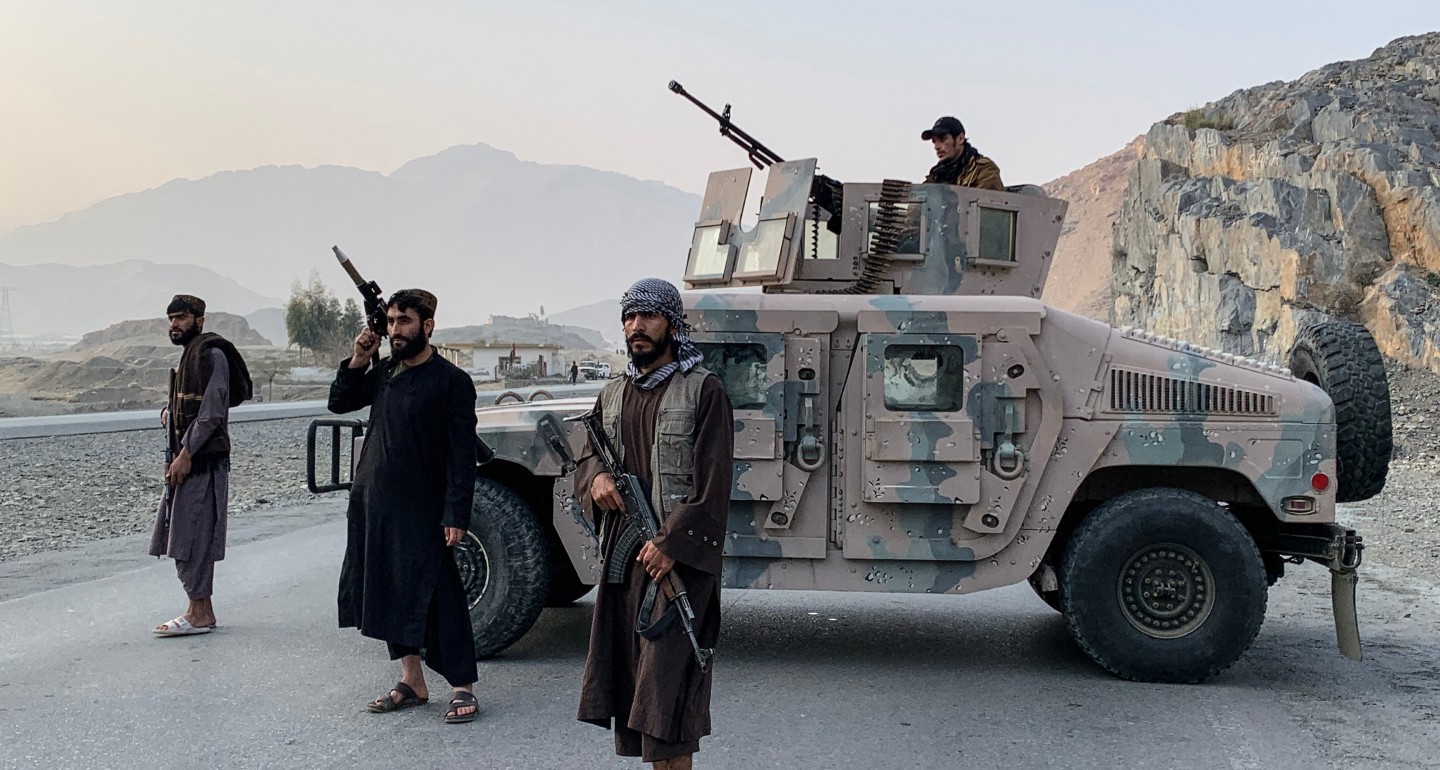
Not only does the fighting jeopardize regional security, it undermines Russian attempts to promote alternatives to the Western-dominated world order.

Ruslan Suleymanov
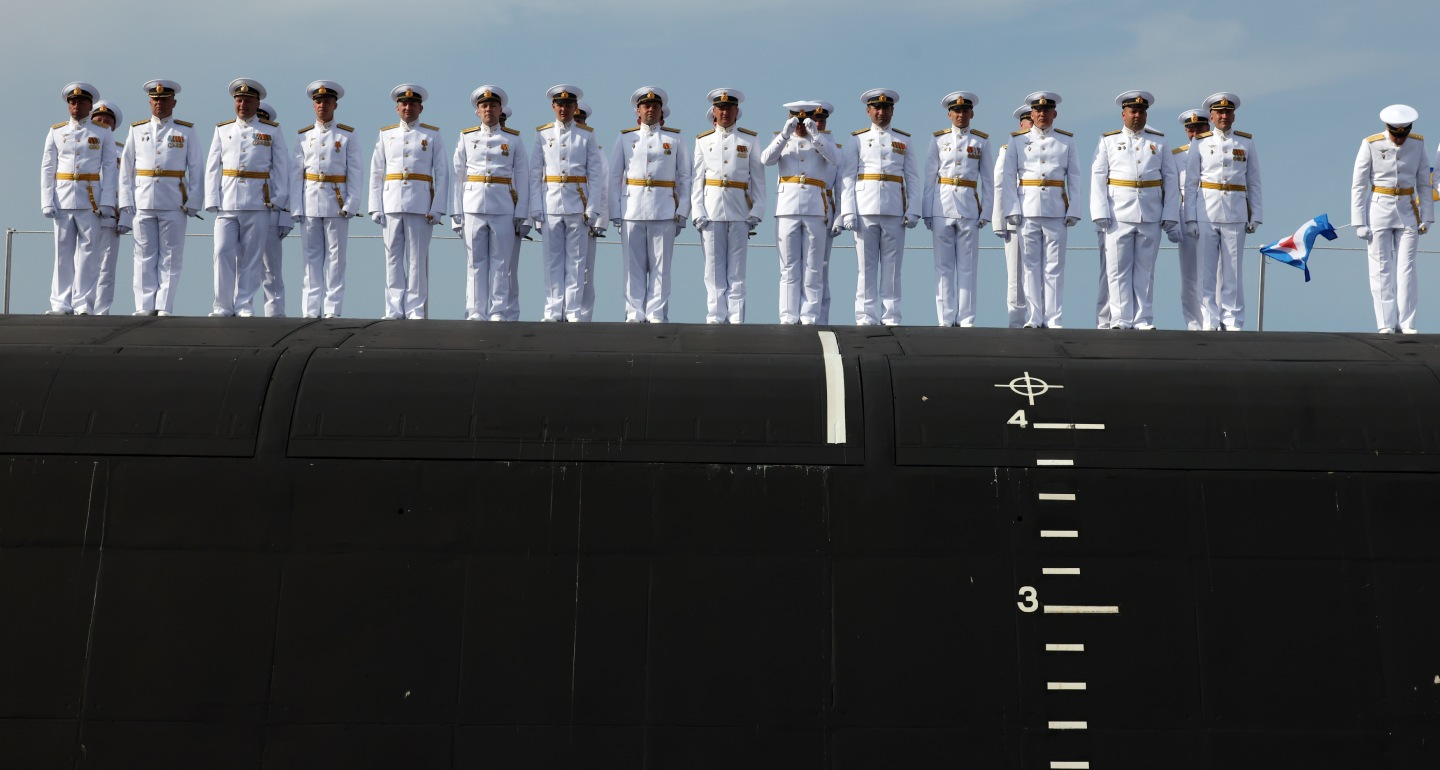
For Putin, upgrading Russia’s nuclear forces was a secondary goal. The main aim was to gain an advantage over the West, including by strengthening the nuclear threat on all fronts. That made growth in missile arsenals and a new arms race inevitable.

Maxim Starchak
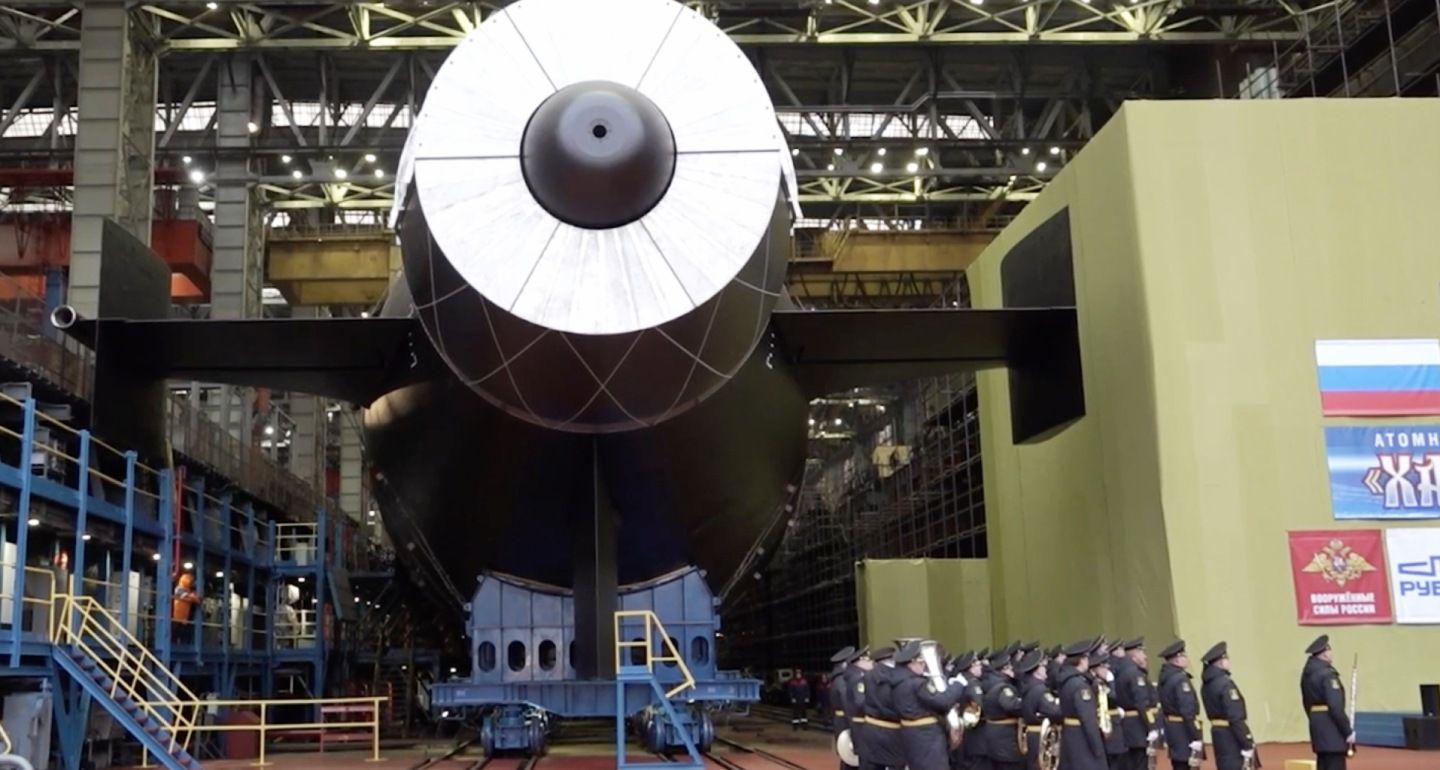
The Kremlin will only be prepared to negotiate strategic arms limitations if it is confident it can secure significant concessions from the United States. Otherwise, meaningful dialogue is unlikely, and the international system of strategic stability will continue to teeter on the brink of total collapse.
Maxim Starchak
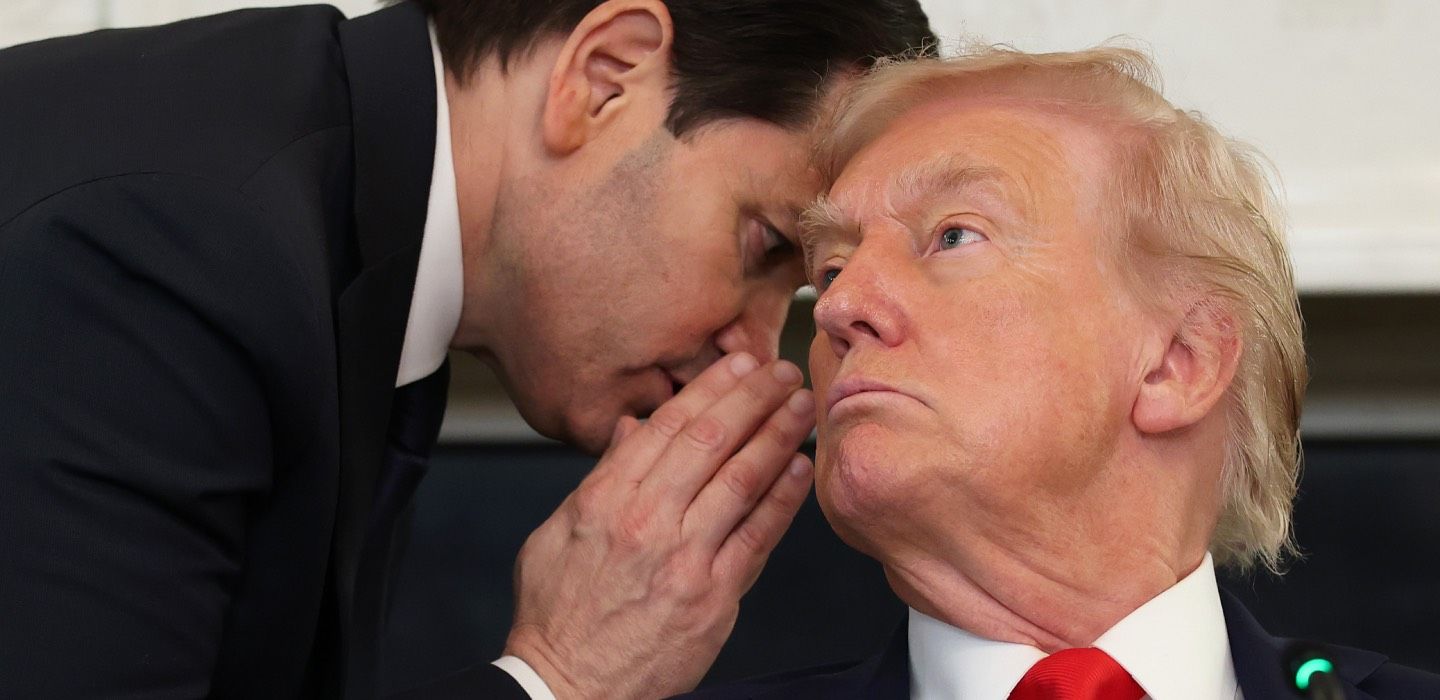
The collapse of the Budapest summit is an inevitable result of the Russian system of artificially creating foreign policy crises in order to achieve a desired outcome.

Alexander Baunov
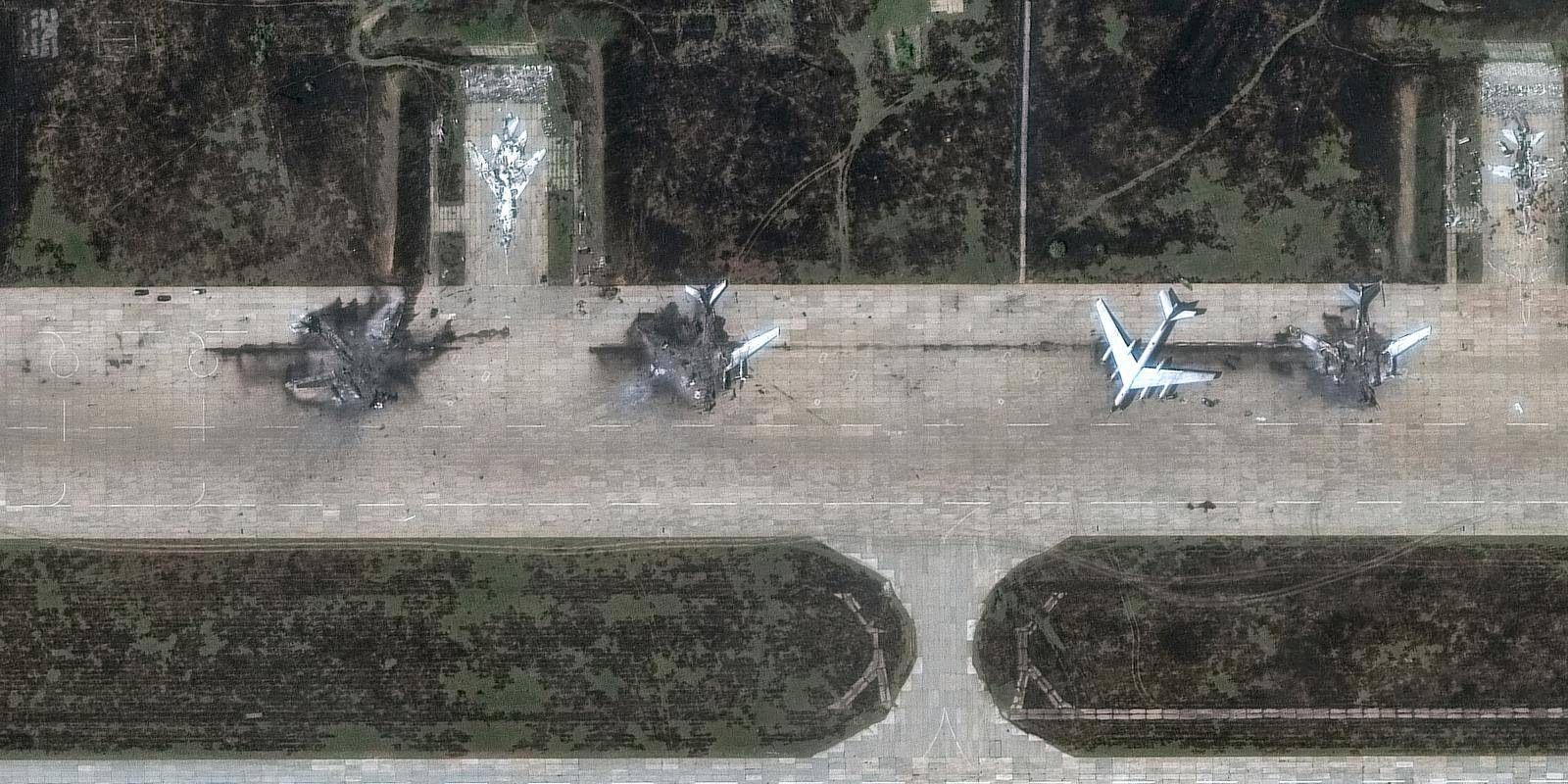
Russia could compensate for “nuclear losses” to its aviation by strengthening other elements of its nuclear triad. At a time when control mechanisms are not functioning, there is a risk of strategic uncertainty emerging over the development trajectory of Russia’s nuclear forces.
Maxim Starchak