

Commentary
Sarah Chayes
Source: Getty
Uzbek officials have deep and valuable insights into Afghanistan. Washington would do well to pay attention.
The United States and Pakistan have just signed a memorandum of understanding detailing conditions for reopening the border with Afghanistan to NATO transit traffic, closed after a friendly fire incident killed 24 Pakistani soldiers last November. Thousands of fuel tankers and gaudily caparisoned cargo trucks are untangling seven-month-old snarls at ports and windswept border posts, to lumber back onto the roads. But that breakthrough should not detract from the importance another of Afghanistan’s neighbors: Uzbekistan.
By demonstrating to U.S. and allied officials the fragility of the critical Pakistan land route, the long blockade abruptly raised interest in Uzbekistan. Negotiating teams from key NATO countries have been cycling through Tashkent to hammer out details of bilateral transit agreements. But Uzbekistan is worthy of attention not just for its infrastructure—the Friendship Bridge across the Amu Darya River and the lone rail link to Afghanistan embedded in its tarmac. Uzbekistan’s president and much of its top leadership have held office since a year after the Soviets departed Afghanistan across that same bridge in 1989. Their personal relationships with key Afghan actors are long-standing and intimate, their insights into Afghan dynamics profound. And they, like many Afghans, seem already to be operating in a post-2014 world. Washington might have something to learn.
U.S. policymakers usually consider Afghanistan in its region by way of a two-state construct: AfPak. Further discussion may bring India into the mix, at least theoretically, and Iran, as a poorly defined threat to stability and the U.S. mission. China looms on the periphery, mainly noted for its ties to Pakistan and its investment potential. Uzbekistan is, at best, an afterthought. And yet, a stroll through back neighborhoods in the Ferghana Valley, watered by canals and shaded by grape arbors vaulting the quiet streets, conjures nothing so much as what Kabul must have looked like before the wars. The cultural commonalities with much of Afghanistan are arresting.While present in fewer numbers than in Pakistan or Iran, Afghans travel and live in Uzbekistan, and those encountered, from senior diplomats to an itinerant rug merchant, are enthusiastic about the country and the role it has played in theirs—in contrast to the attitudes of most Afghans toward Pakistan. That rug merchant boasts of forwarding 2 percent of his profits to Abdul Rashid Dostum, mercurial former Afghan general and warlord, seen as a leader of the ethnic Uzbek community. Every businessman he knows, claims the merchant, even non-Afghan citizens, tithes likewise.
This active involvement in affairs across the border offers insight into the role the Uzbek government may also be playing in Afghanistan. U.S. officials privately bemoan what they describe as Uzbekistan’s standoffish attitude. They measure that by the government’s reluctance to participate in the grandiose international conferences that have punctuated international efforts to stabilize Afghanistan and plan for its future development: Lisbon, Kabul, Bonn, Tokyo. But just because Uzbek officials stay away from these highly orchestrated spectacles (perhaps judging them more flash than bang) does not mean they are not paying attention to their southern neighbor.
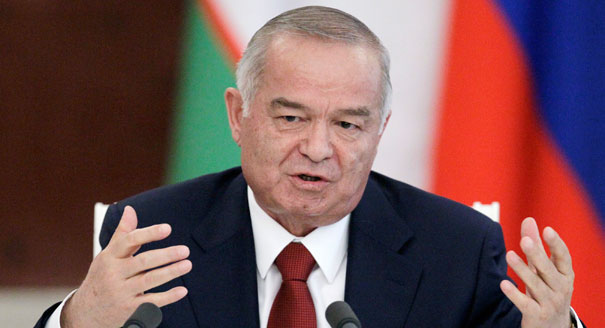
The Uzbek president, Islam Karimov, is believed to set little store by the legitimacy or competence of the Karzai government or its ability to withstand—militarily or diplomatically—the withdrawal of most NATO troops by December 2014. He, like many others, seems to judge disintegration into civil conflict a likely scenario, with combat and extremist incursions potentially swirling up against his border. That outcome would represent a serious national security threat to Uzbekistan.
Karimov’s implacable stance against radical Islam is legendary—though he may underestimate some of its secular drivers, such as the sort of acute corruption seen to characterize his rule. He maintains long-standing ties with key figures from the anti-Taliban fight of the 1990s, some of whom own homes in Uzbekistan. It is hard to believe that he or his people are not deep in discussions with them about contingencies—ignoring Karzai government and international institutions, and functioning, for all intents and purposes, under post-2014 conditions. The mid-July assassination in northern Afghanistan of an ethnic Uzbek former mujahideen commander and key opposition political figure, Ahmad Khan Samanghani, suggests that the Islamist militant side, too, is looking past 2014 and targeting Afghan leaders capable of rallying northern forces against a Taliban advance, whatever their connections to the Karzai government.
Shafiullah Afghan, who was chief of staff to the provincial police chief in Balkh, the Afghan province that neighbors Uzbekistan, in 2004 and 2005, says significant arms shipments were crossing the Friendship Bridge into Afghanistan back then. “We were telling ISAF officers about the ‘sea-cans’ and containers of Kalashnikovs,” he says. Uzbek and Western observers express complete conviction that, in case of serious conflict in Afghanistan, Uzbekistan will support northern, anti-Taliban forces, militarily as well as financially or morally.
Transport of arms or munitions could turn the Friendship Bridge into a legitimate military target from the perspective of Pakistan, which is now recognized as backing Islamist insurgents in Afghanistan.
U.S. officials should be concerned that the Uzbek government, by planning for a contingency it judges to be probable and dangerous, may inadvertently exacerbate the threat. But the embedded opportunity here is the deep experience of Afghanistan that Uzbek officials possess. U.S. policymakers might do well to take time to listen to how Uzbeks see events in Afghanistan playing out, and perhaps to base some contingency planning of their own on the insights. Uzbeks’ relationships and potential leverage with key Afghan interlocutors are also precious assets. What about some quiet meetings in Tashkent with Afghans and Uzbeks, to brainstorm creative ways out of a presaged implosion? In these dangerous days, Uzbekistan is worthy of focus. And the country’s recent withdrawal from the Moscow-dominated Collective Security Treaty Organization can be read as a sign of its interest in engaging.
Former Senior Fellow, Democracy, Conflict, and Governance Program
Sarah Chayes is internationally recognized for her innovative thinking on corruption and its implications. Her work explores how severe corruption can help prompt such crises as terrorism, revolutions and their violent aftermaths, and environmental degradation.
Recent Work
Sarah Chayes
Carnegie does not take institutional positions on public policy issues; the views represented herein are those of the author(s) and do not necessarily reflect the views of Carnegie, its staff, or its trustees.
Not only does the fighting jeopardize regional security, it undermines Russian attempts to promote alternatives to the Western-dominated world order.
Ruslan Suleymanov
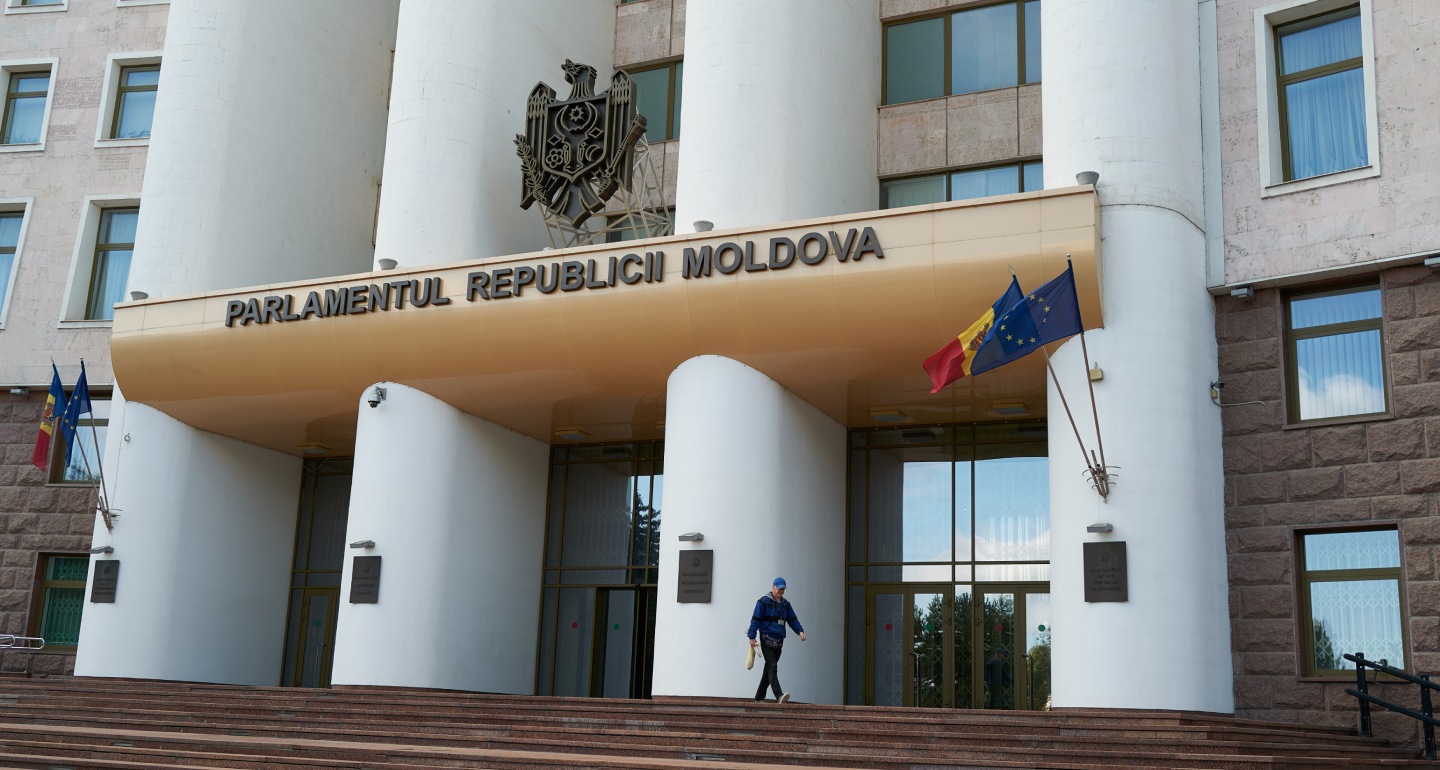
Moldova’s reintegration plan was drawn up to demonstrate to Brussels that Chișinău is serious about the Transnistria issue—and to get the West to react.

Vladimir Solovyov
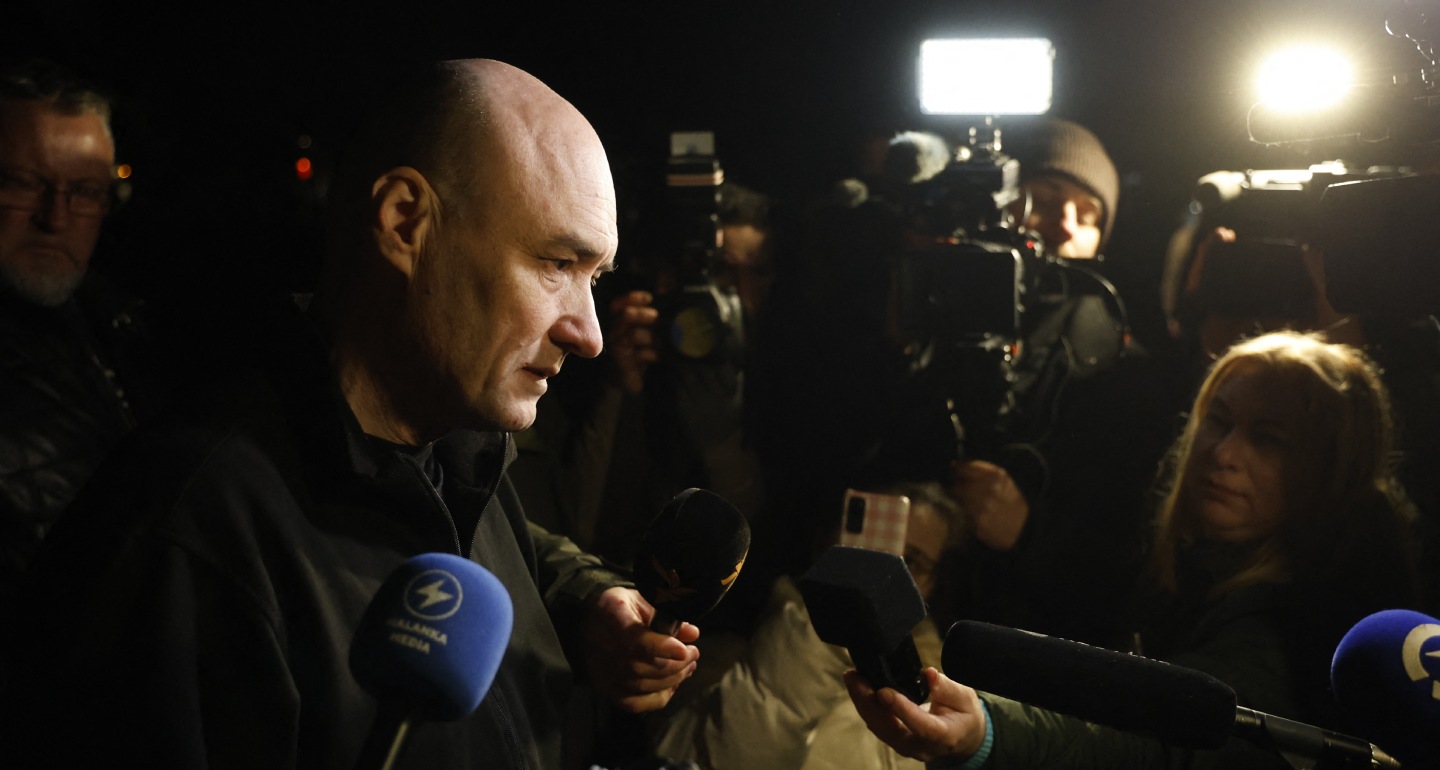
Lukashenko is willing to make big sacrifices for an invitation to Mar-a-Lago or the White House. He also knows that the clock is ticking: he must squeeze as much out of the Trump administration as he can before congressional elections in November leave Trump hamstrung or distracted.

Artyom Shraibman
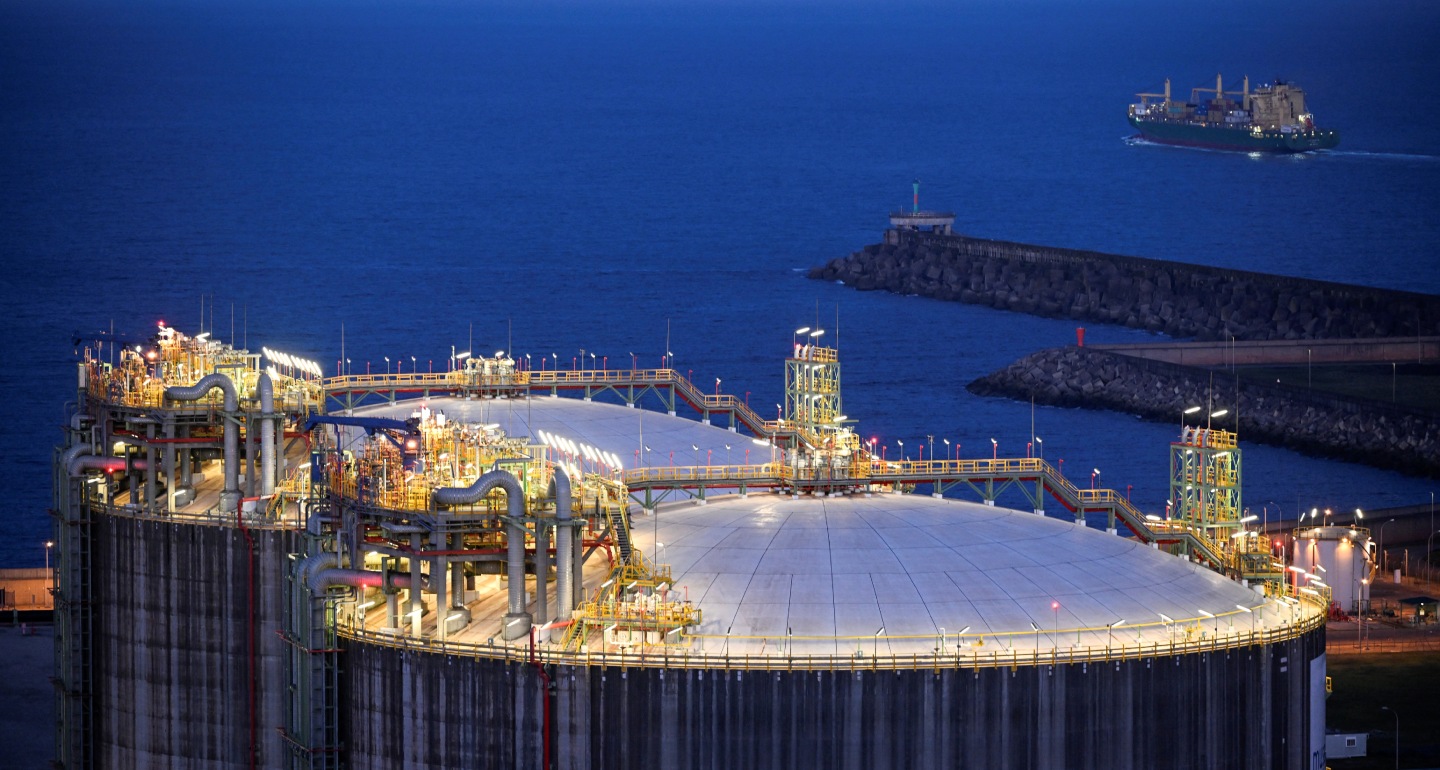
The future trajectory of the U.S.-Iran war remains uncertain, but its impact on global energy trade flows and ties will be far-reaching. Moscow is likely to become a key beneficiary of these changes; the crisis in the Gulf also strengthens Russia’s hand in its relationships with China and India, where advantages might prove more durable.

Sergey Vakulenko
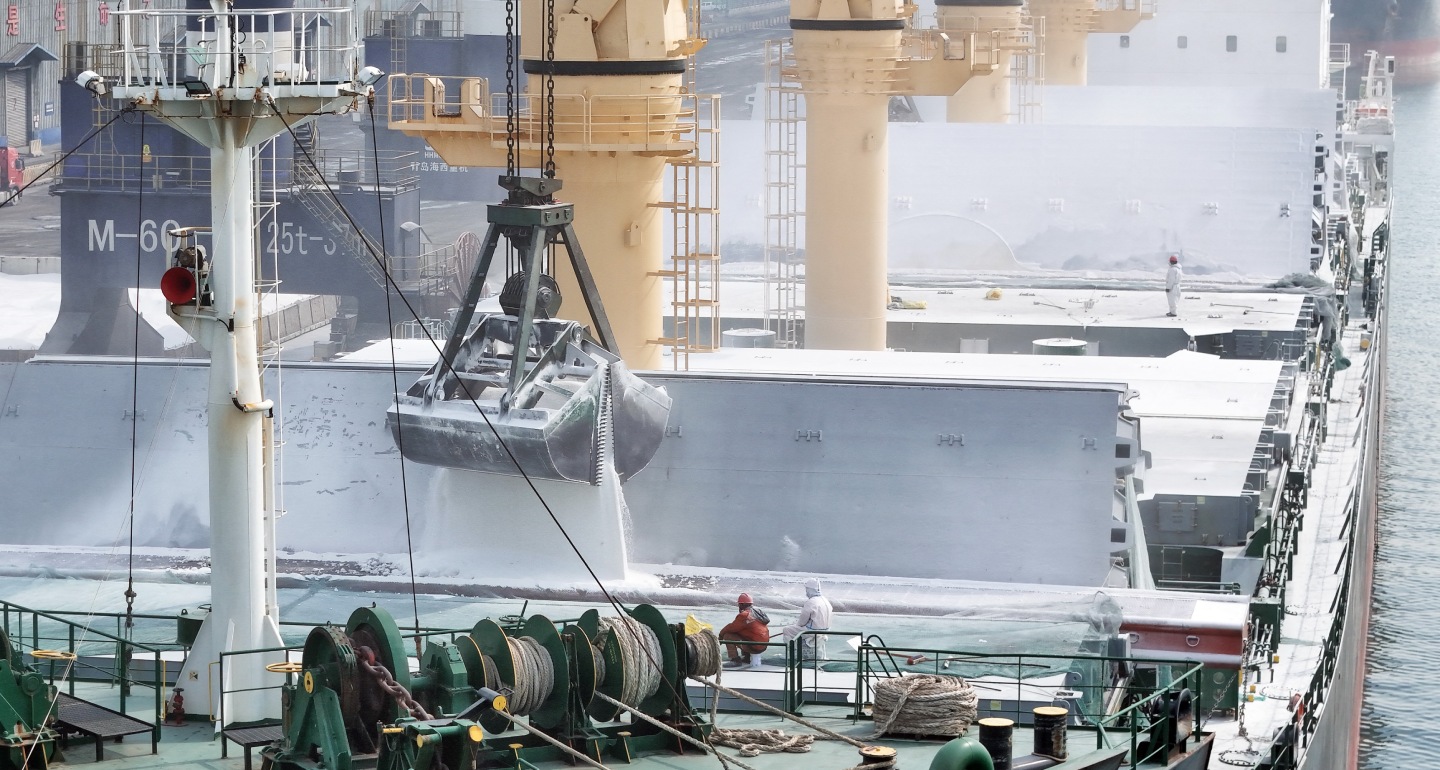
The Kremlin expects to not only profit from rising fertilizer prices but also exact revenge for the collapse of the 2023 grain deal.
Alexandra Prokopenko