

Article
Thomas de Waal
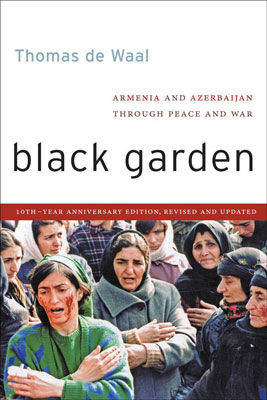
Nearly 20 years since the 1994 ceasefire, Armenia and Azerbaijan have still failed to resolve their dispute and normalize relations.
Source: NYU Press
Ten years after its initial release, Black Garden remains the definitive account of war and peace between Armenia and Azerbaijan, and the conflict over Nagorny Karabakh. Based on the author’s extensive experience in the region, Black Garden is the product of more than 120 original interviews in the South Caucasus, Moscow, and Washington, and a unique collection of historical primary sources. De Waal reveals a fascinating historical context for the conflict, including how it precipitated the end of the Soviet Union and thrust an entire region into disarray. Now nearly 20 years since the 1994 ceasefire, Yerevan and Baku have still failed to resolve the dispute and normalize relations.
The revised and updated 10th year anniversary edition includes a new forward and an expanded conclusion that analyzes the reasons for the intractability of the conflict and the prospects for its resolution.
This edition has also been expanded to cover regional developments up to 2012, including the election of new presidents in countries, Azerbaijan’s oil boom, and the new arms race in the region.

Senior Fellow, Carnegie Europe
Thomas de Waal is a senior fellow at Carnegie Europe, specializing in Eastern Europe and the Caucasus.
Recent Work
Thomas de Waal
Thomas de Waal
Carnegie does not take institutional positions on public policy issues; the views represented herein are those of the author(s) and do not necessarily reflect the views of Carnegie, its staff, or its trustees.
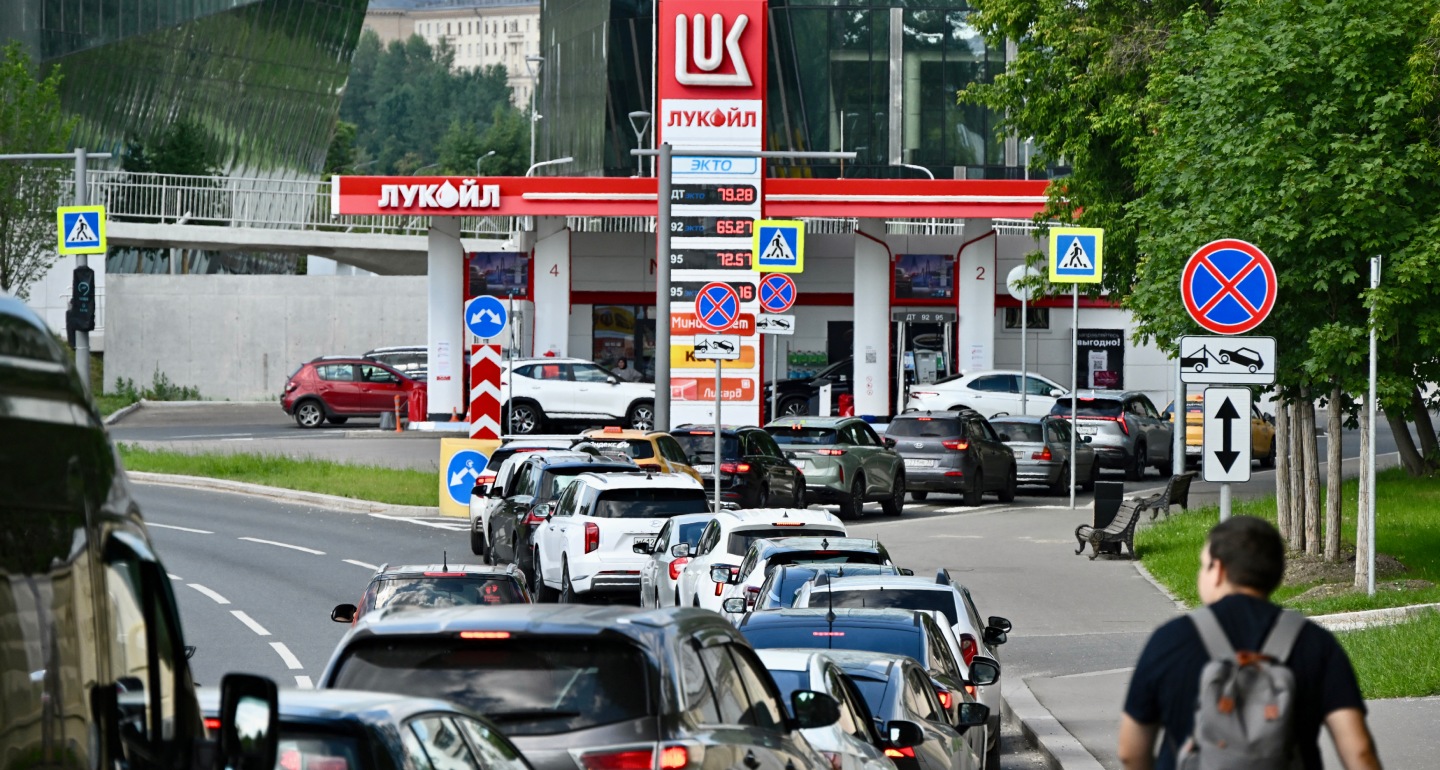
Official discussions about mini oil refineries are unlikely to come to anything—but the mere fact they’re happening reveals the regime is failing to deliver a functioning economy.

Sergey Vakulenko
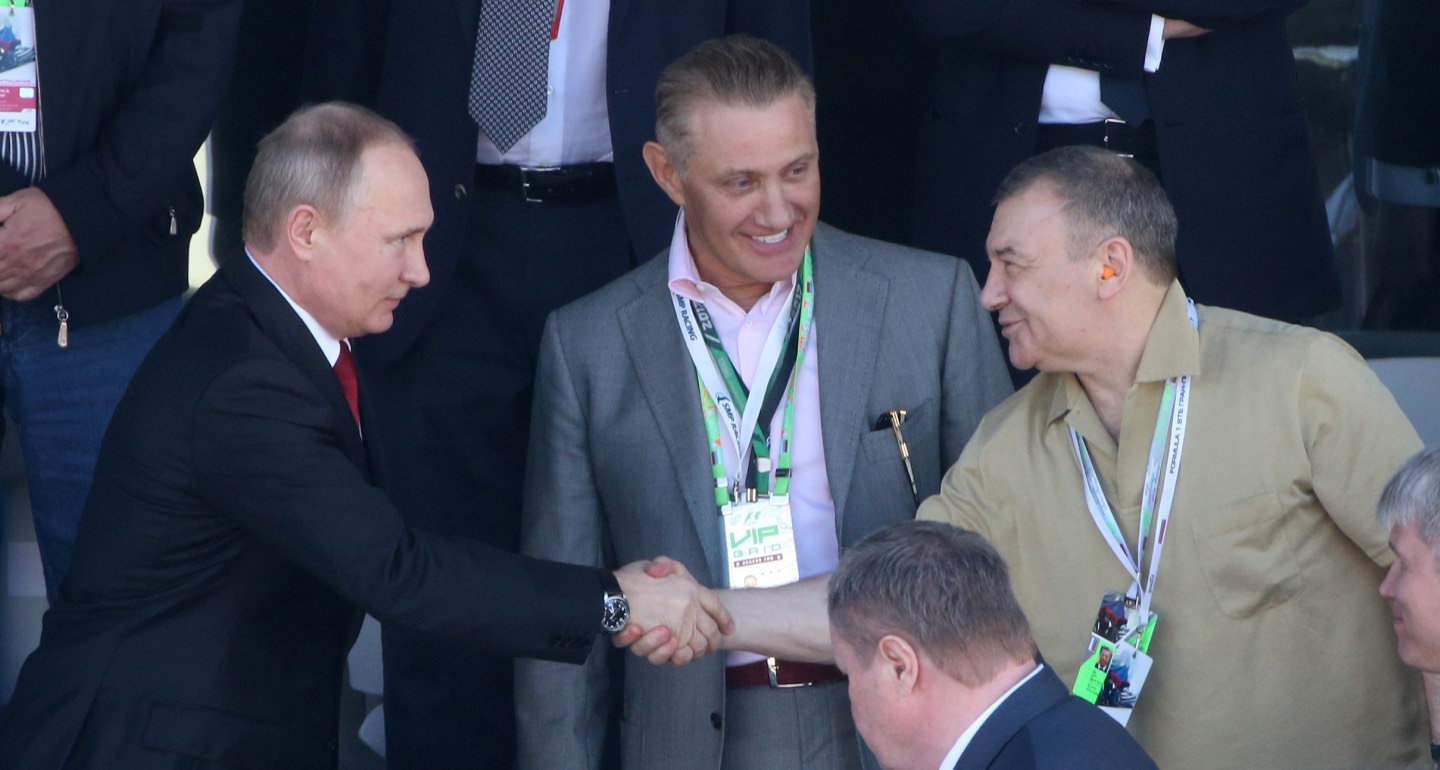
The security forces are targeting Arkady and Boris Rotenberg’s patronage network—and in Putin’s Russia, it’s extremely hard to stop a purge once it’s under way.

Mikhail Komin

Andrey Melnichenko’s essay offers no answer to the fundamental question of how, under any kind of negotiated settlement, Europe can protect itself from the Russian ressentiment that is inevitable in all scenarios except for an outright victory for Putin.

Leonid Bershidsky

Despite unhappiness on the ground, Moscow is determined to use both carrot and stick to ensure there is record support for United Russia in occupied Ukraine.

Konstantin Skorkin
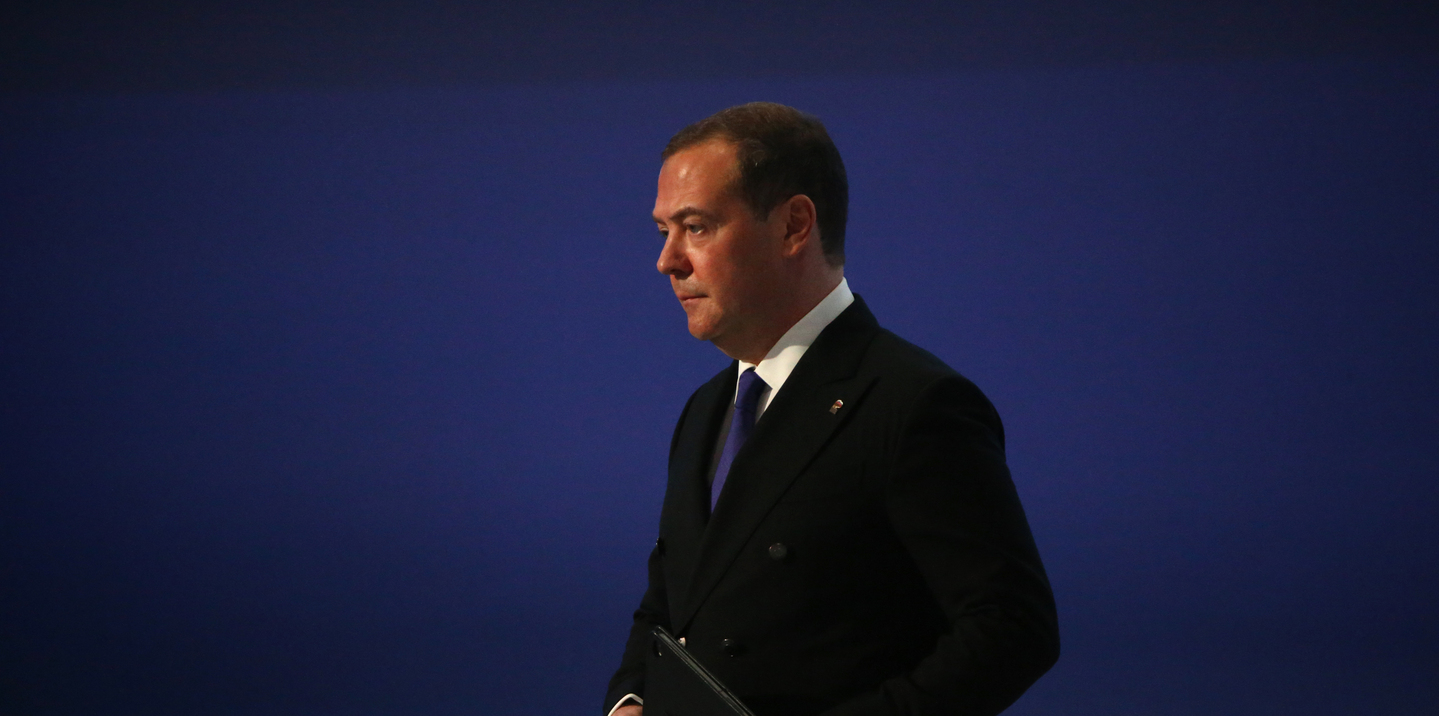
Medvedev’s defeat in the battle for the position of speaker appears to signal that the long process of his marginalization in Russian politics has passed the point of no return.

Andrey Pertsev