

Commentary
Alexey Malashenko
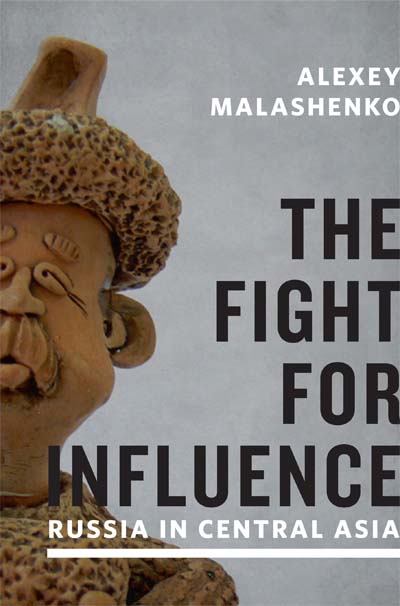
It is time for Moscow to rethink its approach to Central Asia.
Russian influence in Central Asia is waning. Since attaining independence, Kazakhstan, Kyrgyzstan, Tajikistan, Turkmenistan, and Uzbekistan have forged their own paths—building relationships with outside powers and throwing off the last vestiges of Soviet domination. But in many ways, Moscow still sees Central Asia through the lens of the Soviet Union, and it struggles to redefine Russian relations with the region.
Alexey Malashenko offers a comprehensive analysis of Russian policies and prospects in Central Asia. It is clear that Russian policy in the former Soviet space is entering uncharted territory. But does the ruling establishment understand the fundamental shifts under way? It is time for Moscow to rethink its approach to Central Asia.
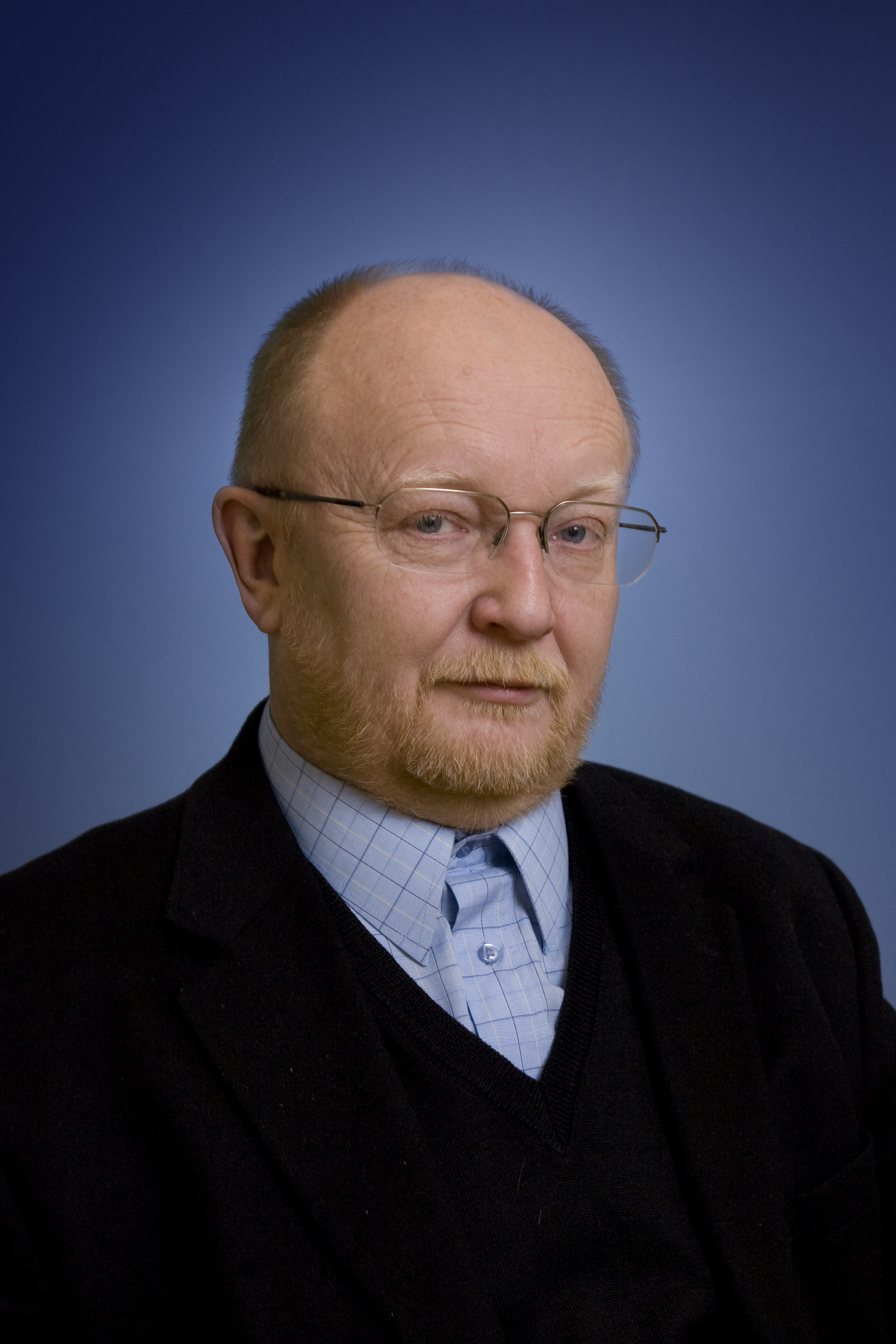
Former Scholar in Residence, Religion, Society, and Security Program
Malashenko is a former chair of the Carnegie Moscow Center’s Religion, Society, and Security Program.
Recent Work
Alexey Malashenko
Alexey Malashenko
Carnegie does not take institutional positions on public policy issues; the views represented herein are those of the author(s) and do not necessarily reflect the views of Carnegie, its staff, or its trustees.
Blurring the line between humans and animals is a long-standing tradition in social utopian prose. In his latest novel, Leonid Bershidsky reminds us that in social experiments, people are often treated no differently than animals.

Alexander Baunov

In the tenth year of his presidency, President Mirziyoyev’s system is becoming even more personalized than that of his predecessor Karimov.

Galiya Ibragimova

While France and Australia are seeking to establish the legal obligations of messaging apps like Telegram, Russia wants total subordination.

Maria Kolomychenko
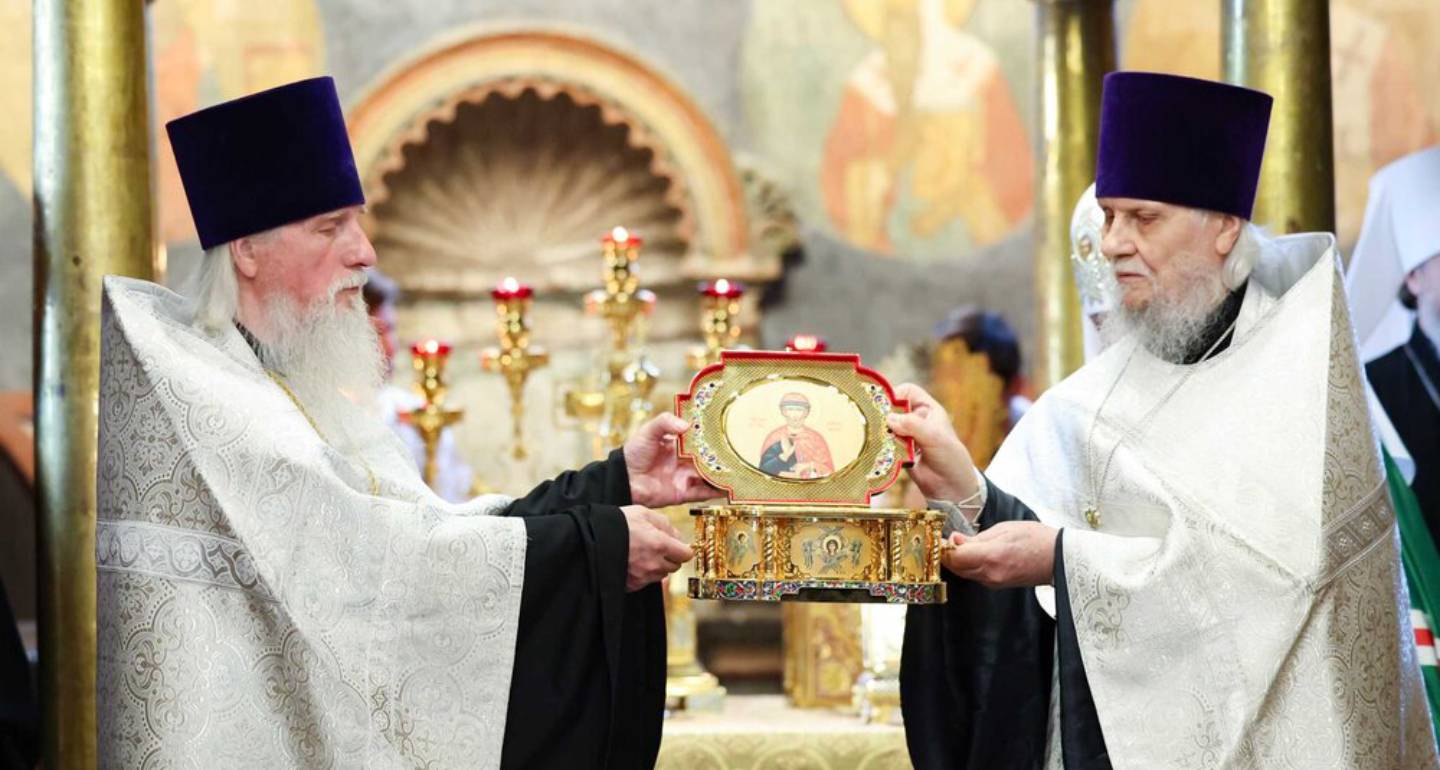
The recent uncovering of Dmitry Donskoy’s relics in the Cathedral of the Archangel is yet another attempt by the Russian Orthodox Church to help the state solve its problems. However, parroting the state’s version of Russian history leaves the Church with no message except “patriotism.”
Alexander Zanemonets

With the growth in points of friction between the great powers, organizations like the SCO will continue to play a role in the strategic adaptation of the smaller powers caught between them.

Temur Umarov