

Paper
Richard Youngs, Thomas Carothers
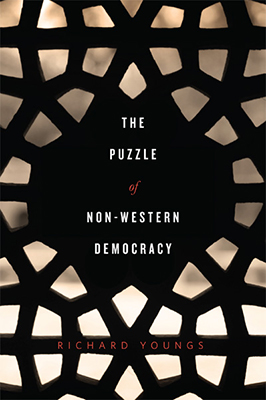
The nature of today’s global politics calls for democratic renewal—and this renewal must look beyond the standard practices of Western democracy.
Calls for different models of democracy are becoming more prominent and widespread. The future of global politics will depend greatly on whether and how democracy can be made more effective, participative, and accountable. Many politicians, diplomats, and experts today argue in favor of non-Western models of democracy. Yet it remains unclear what such models should look like. It is more useful to think in terms of specific areas of democratic variation that can encourage democratic renewal—outside, but also within, the West.
Thinking about democratic variation should proceed along five axes. They are personal rights; economic justice; power-sharing mechanisms; alternative forms of civic action and representation; and legal pluralism.
Western and non-Western democracies (like Brazil, India, Indonesia, and South Africa) can and should cooperate on democratic variation. Rising democracies offer several advantages in encouraging political reform, but it is not yet clear if they have useful models of democracy to share with the rest of the world.
Mutual, two-way learning is required between Western and non-Western governments and civil society actors in pursuit of better-quality democracy. The supposed division between Western and non-Western political values is less than clear-cut. In the future there must be a greater variety of democratic forms—but this variety is unlikely to split neatly along a Western versus non-Western divide.
In this fresh, thoughtful, and timely work, Richard Youngs makes an original, thought-provoking, and profoundly clarifying contribution to the debate over “non-Western democracy.” He provides a rigorously analytical approach in a work of impressive scholarship that will be of enormous value to scholars, students, and practitioners around the world.
—Larry Diamond, senior fellow at Stanford University
In this nuanced and insightful book, Richard Youngs explores how understandings of democracy are changing and provides innovative ideas that should push Western analysts and diplomats toward a necessary rethink of democracy support.
—Ivan Krastev, chairman of the Center for Liberal Strategies, Sofia, Bulgaria
A well-timed assessment of an issue that is acquiring renewed visibility, offering an evenhanded agenda for more varied and tolerant forms of democracy.
—Laurence Whitehead, senior research fellow at Nuffield College, University of Oxford
Stimulating and much-needed insight into democratic experiments outside the West, with a well-informed account of the political realities that condition variations in democracy.
—Amr Hamzawy, professor of public policy at the American University in Cairo and former member of the Egyptian parliament

Senior Fellow, Democracy, Conflict, and Governance Program
Richard Youngs is a senior fellow in the Democracy, Conflict, and Governance Program, based at Carnegie Europe. He works on EU foreign policy and on issues of international democracy.
Recent Work

Richard Youngs, Thomas Carothers
Richard Youngs
Carnegie does not take institutional positions on public policy issues; the views represented herein are those of the author(s) and do not necessarily reflect the views of Carnegie, its staff, or its trustees.
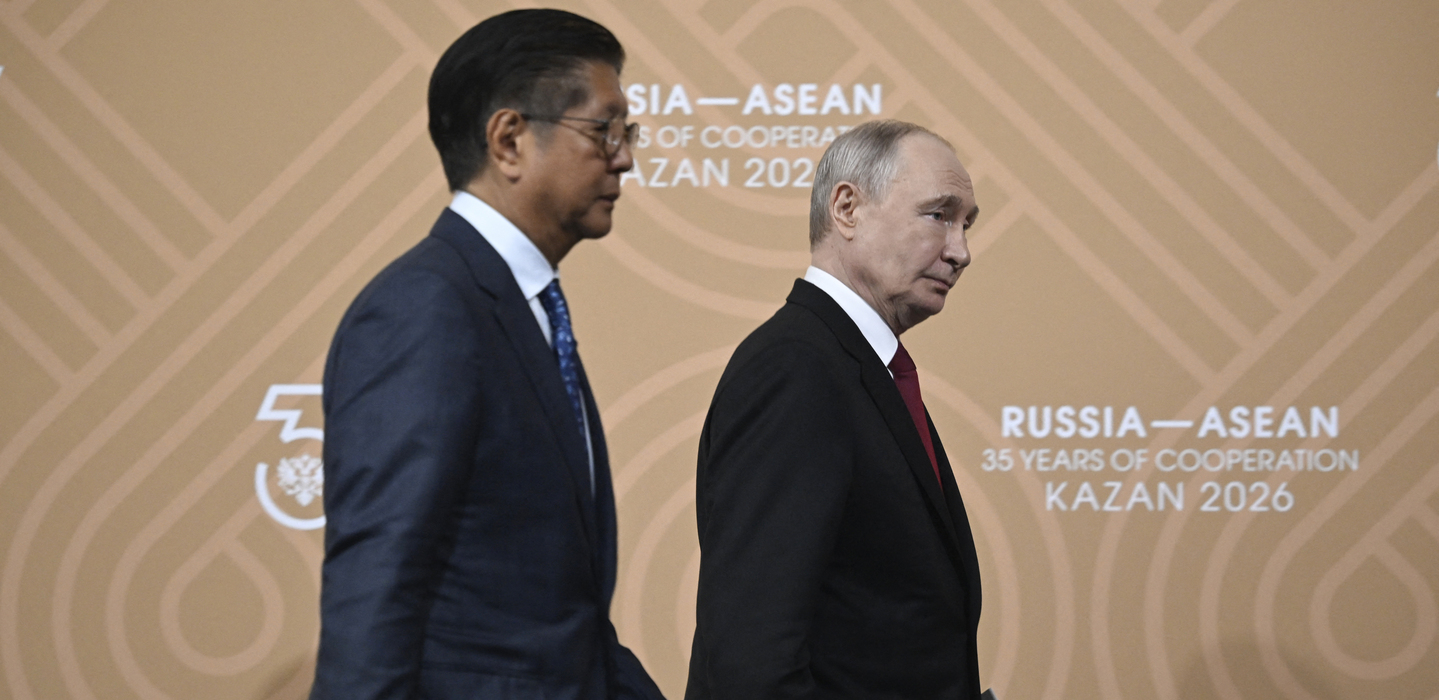
Russia looks set to reap economic benefits from closer ties with Southeast Asian countries that are keen to find reliable energy suppliers and diversify trade ties.

Alexander Gabuev
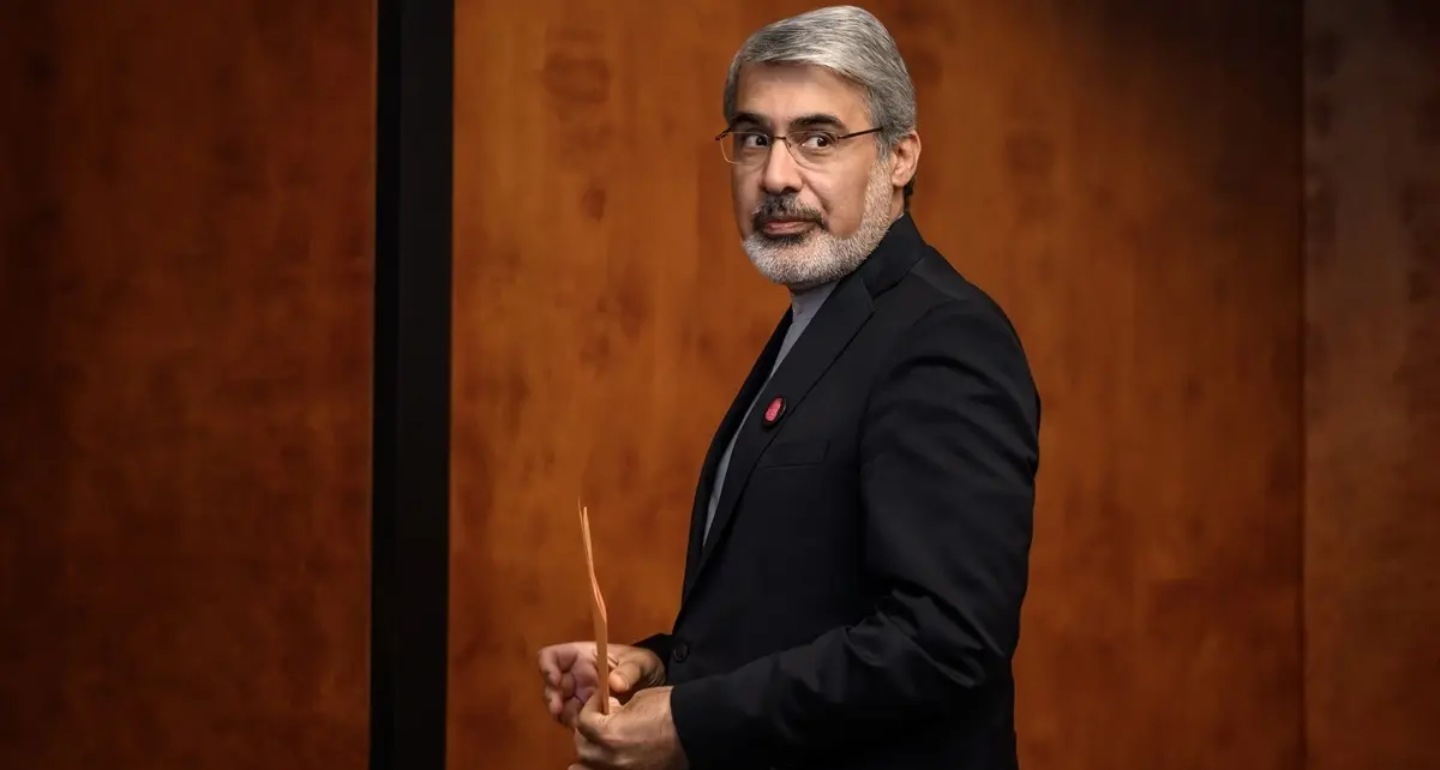
Ongoing uncertainty in the Middle East allows Moscow to both increase its influence in Tehran and continue to enjoy the financial windfall of higher oil prices.

Nikita Smagin
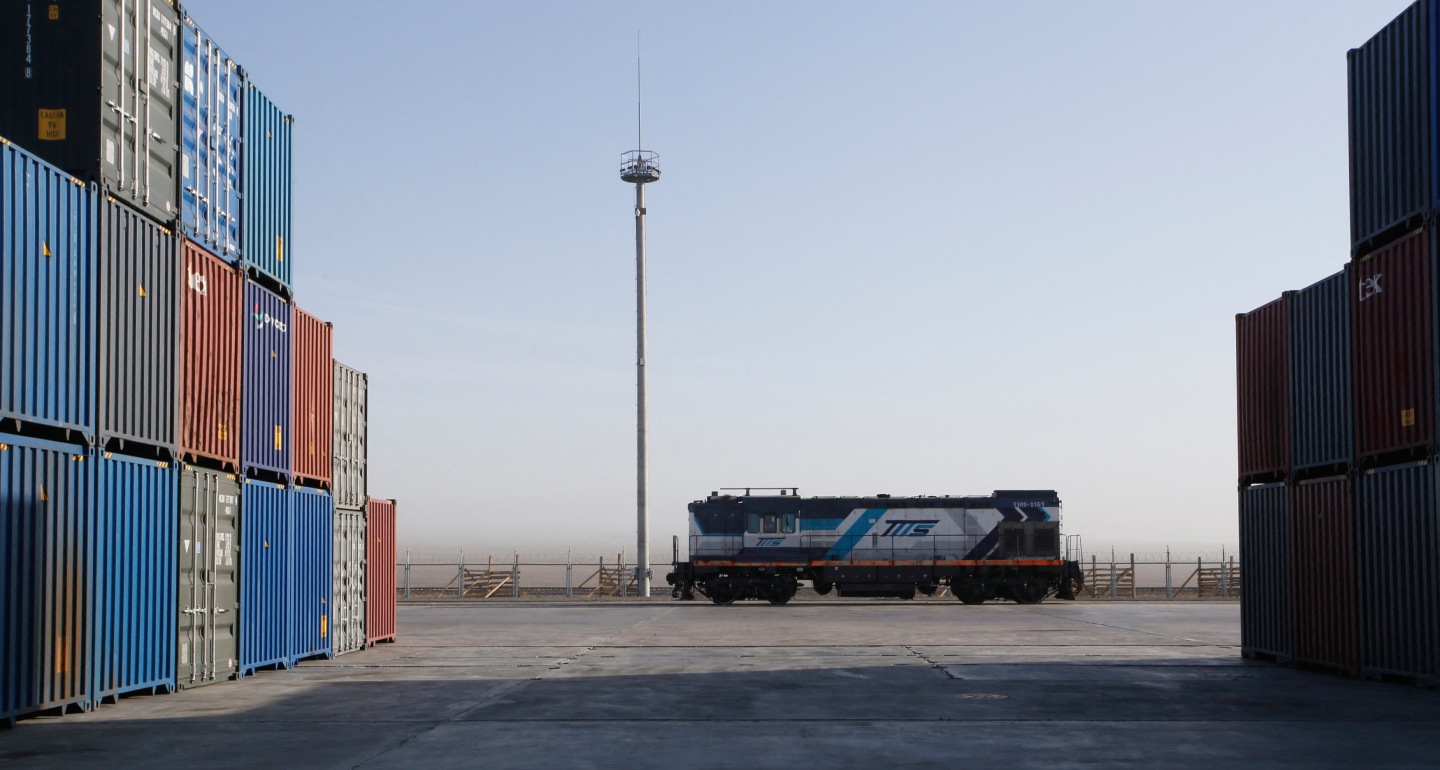
This year’s wars have made alternative routes to transit through Russia no less risky for Central Asian countries.

Galiya Ibragimova
Reestablishing a dialogue with Moscow is not a goal in its own right. The goal is to guarantee the independence of Ukraine and the peace and security of Europe.
Arkady Moshes
The ruling elites in contemporary Russia are not a political class, but a community of managers who are not subject to competition or public accountability. The state is becoming an operating apparatus without any internal autonomy.

Alexandra Prokopenko