

Commentary
Russia looks set to reap economic benefits from closer ties with Southeast Asian countries that are keen to find reliable energy suppliers and diversify trade ties.
Alexander Gabuev
The Western Pacific is experiencing a fundamental and potentially destabilizing military and economic power transition driven primarily by China’s economic and military rise and a corresponding relative decline in American power
The Western Pacific is experiencing a fundamental and potentially destabilizing military and economic power transition driven primarily by China’s economic and military rise and a corresponding relative decline in American power. Efforts by the United States or China to secure future predominance will prove futile and dangerous, given a host of security, economic, and diplomatic factors. Instead, creating a stable de facto balance of power is necessary and feasible for both countries. This shift could take the form of a more durable balance that would necessitate major regional changes that would be difficult to achieve, or a more feasible but less stable balance involving more modest adjustments. The incremental, conditional process this would entail involves developing domestic consensus, securing allied and friendly support, deepening U.S.-China dialogue, and achieving interlinked changes in several existing regional security policies.

Former Senior Fellow, Asia Program
Swaine was a senior fellow at the Carnegie Endowment for International Peace and one of the most prominent American analysts in Chinese security studies.
Wenyan Deng
Former Junior Fellow, Asia Program
Aube Rey Lescure
Former Research Assistant, Asia Program
Carnegie does not take institutional positions on public policy issues; the views represented herein are those of the author(s) and do not necessarily reflect the views of Carnegie, its staff, or its trustees.
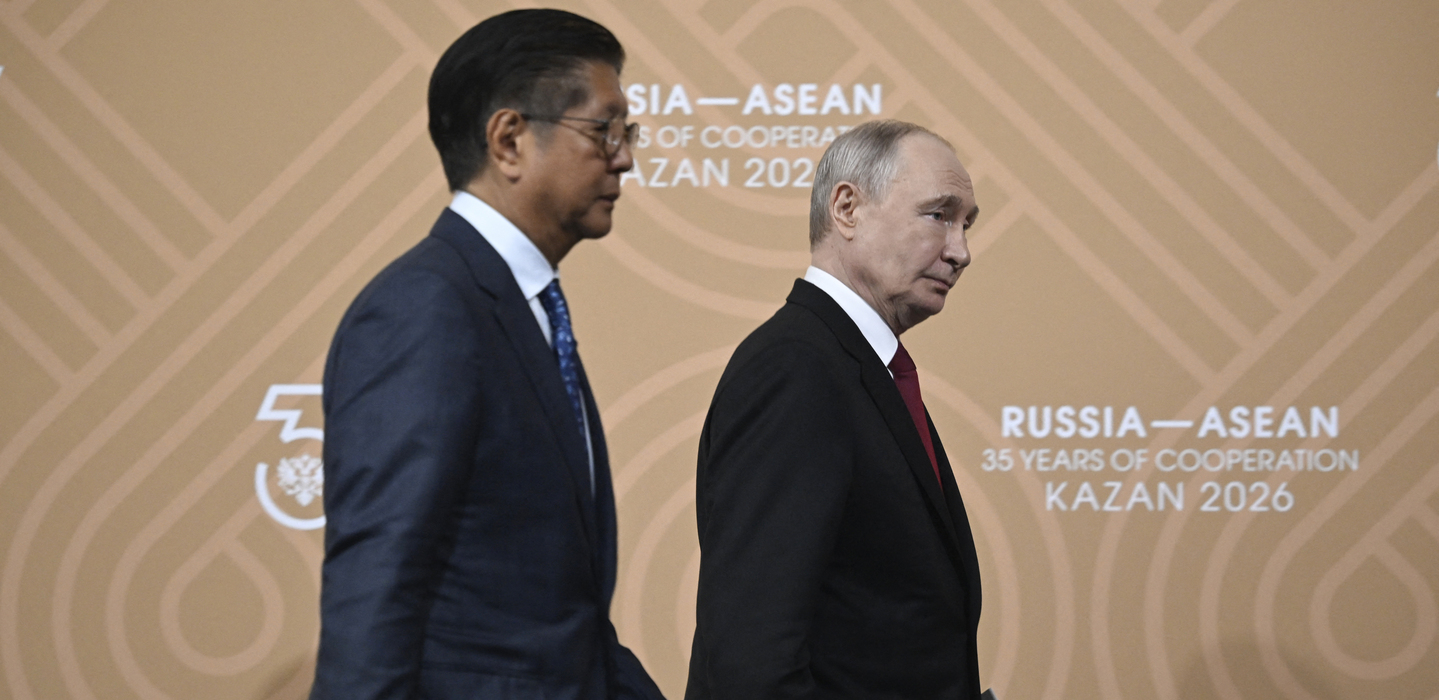
Russia looks set to reap economic benefits from closer ties with Southeast Asian countries that are keen to find reliable energy suppliers and diversify trade ties.

Alexander Gabuev

Ongoing uncertainty in the Middle East allows Moscow to both increase its influence in Tehran and continue to enjoy the financial windfall of higher oil prices.

Nikita Smagin
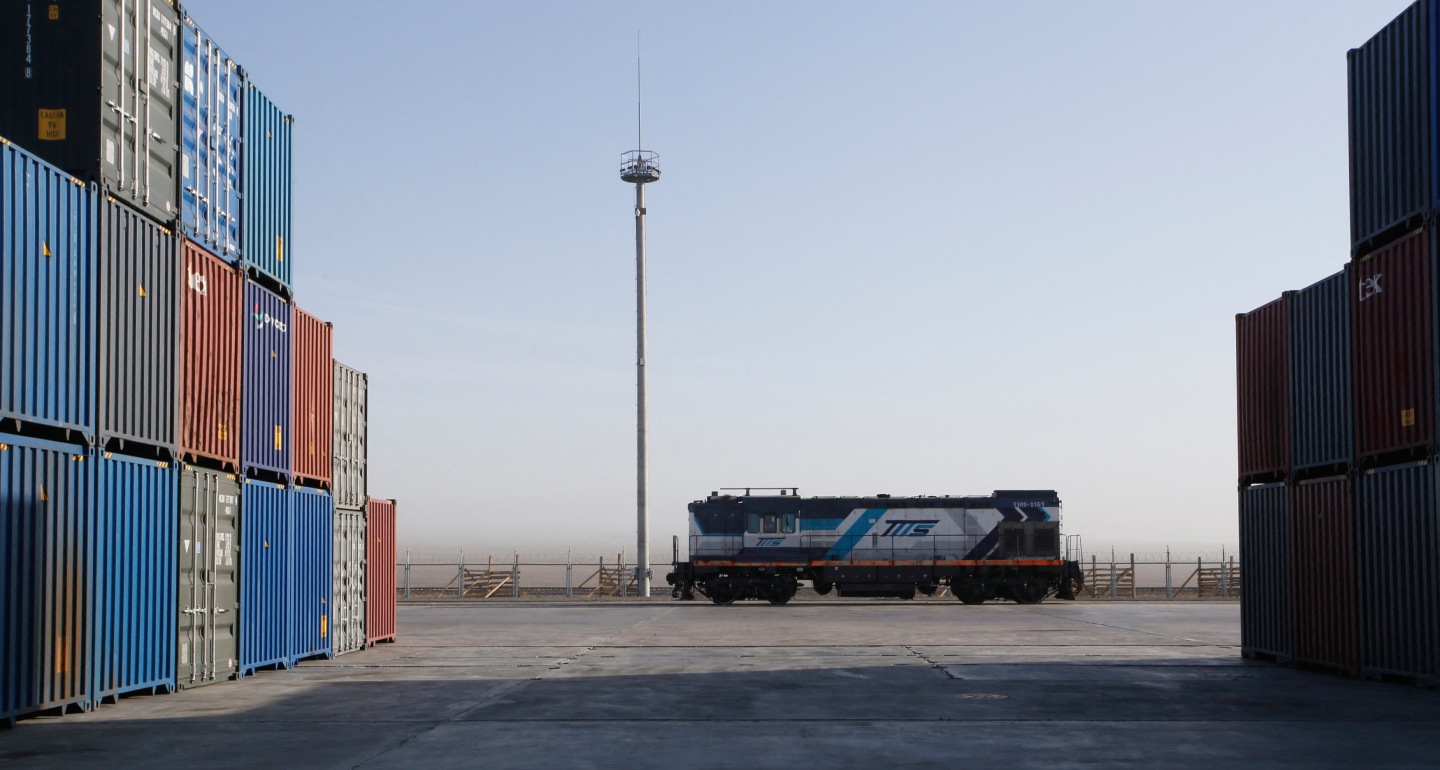
This year’s wars have made alternative routes to transit through Russia no less risky for Central Asian countries.

Galiya Ibragimova
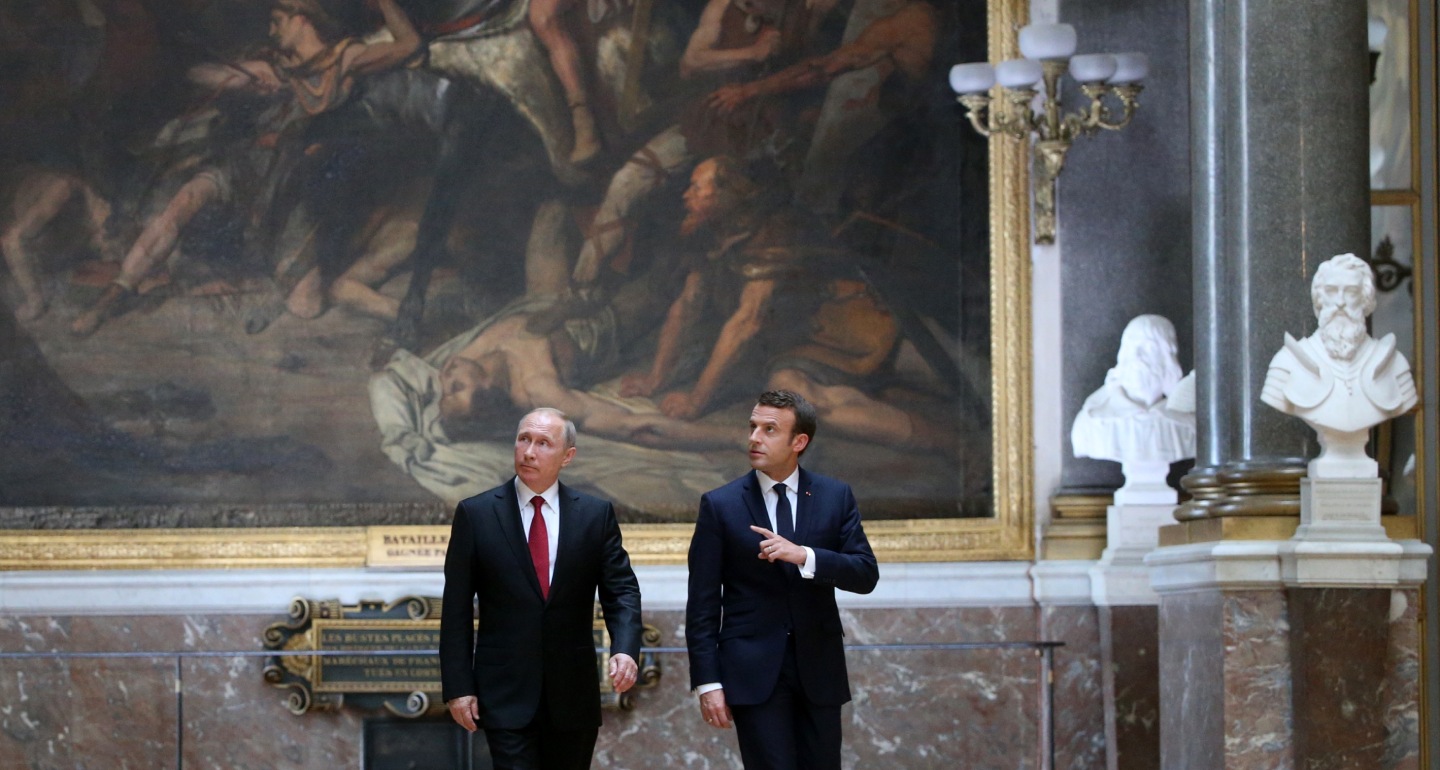
Reestablishing a dialogue with Moscow is not a goal in its own right. The goal is to guarantee the independence of Ukraine and the peace and security of Europe.
Arkady Moshes
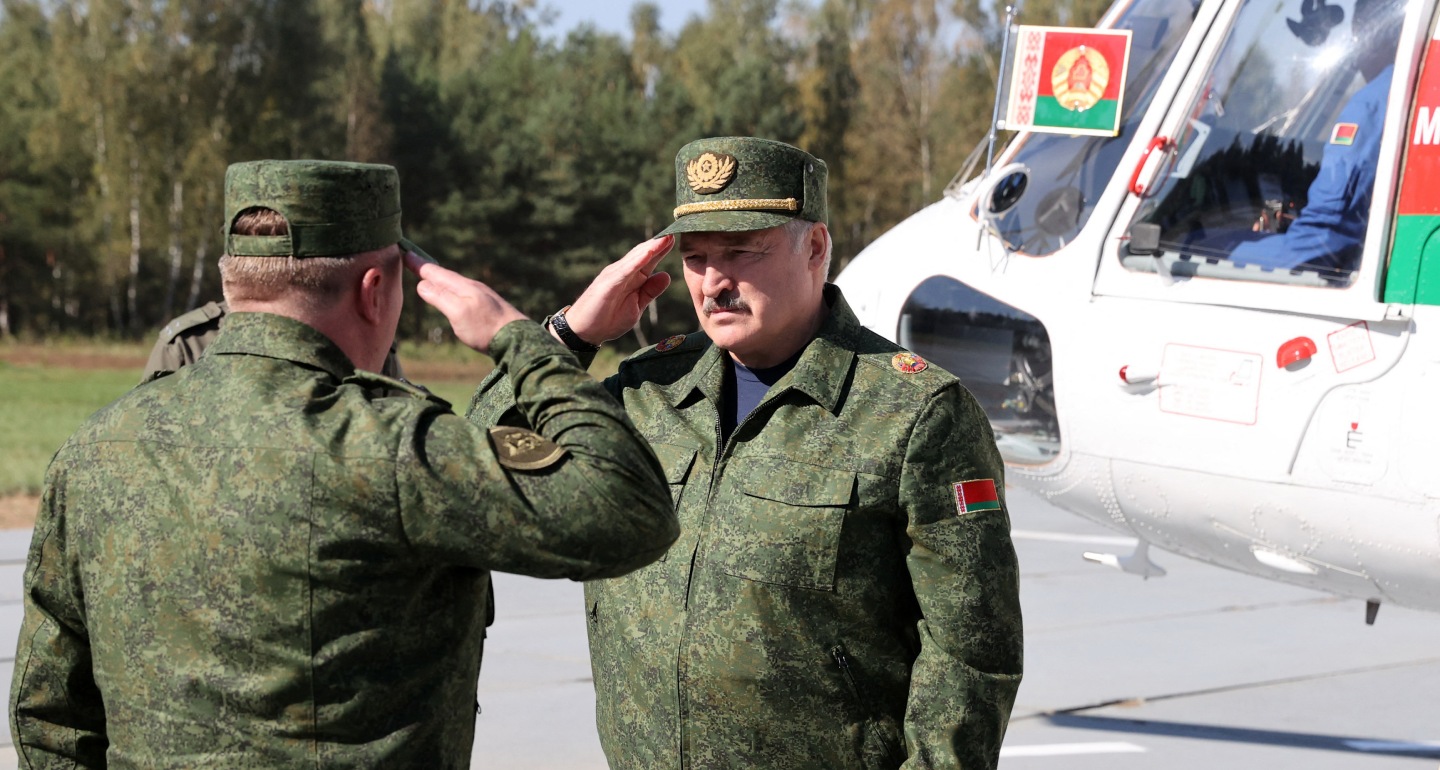
Ukraine’s increasingly confrontational posture on Belarus reflects Kyiv’s effort to shape the emerging regional order in Eastern Europe. Kyiv wants to limit European normalization with Minsk—and any future rapprochement with Russia.

Balázs Jarábik