

Commentary
Yukon Huang, Isaac B. Kardon, Matt Sheehan
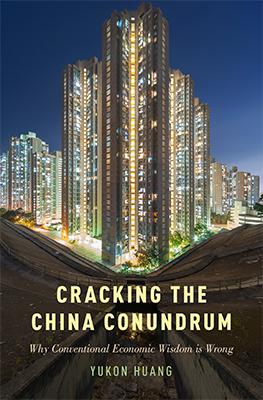
China generates widely varying views on its economic and political prospects. This book is about why there are such differences and why the conventional wisdom is so often wrong.
Source: Oxford University Press
China’s rise is altering global power relations, reshaping economic debates, and commanding tremendous public attention. Despite extensive media and academic scrutiny, the conventional wisdom about China’s economy is often wrong. Cracking the China Conundrum provides a holistic and contrarian view of China's major economic, political, and foreign policy issues.
Yukon Huang trenchantly addresses widely accepted yet misguided views in the analysis of China’s economy. He examines arguments about the causes and effects of China’s possible debt and property market bubbles, trade and investment relations with the Western world, the links between corruption and political liberalization in a growing economy and Beijing’s more assertive foreign policies. Huang explains that such misconceptions arise in part because China’s economic system is unprecedented in many ways—namely because it’s driven by both the market and state—which complicates the task of designing accurate and adaptable analysis and research. Further, China’s size, regional diversity, and uniquely decentralized administrative system poses difficulties for making generalizations and comparisons from micro to macro levels when trying to interpret China’s economic state accurately.
This book not only interprets the ideologies that experts continue building misguided theories upon, but also examines the contributing factors to this puzzle. Cracking the China Conundrum provides an enlightening and corrective viewpoint on several major economic and political foreign policy concerns currently shaping China’s economic environment.

Senior Fellow, Asia Program
Huang is a senior fellow in the Carnegie Asia Program where his research focuses on China’s economy and its regional and global impact.
Recent Work


Yukon Huang, Isaac B. Kardon, Matt Sheehan
Yukon Huang, Genevieve Slosberg
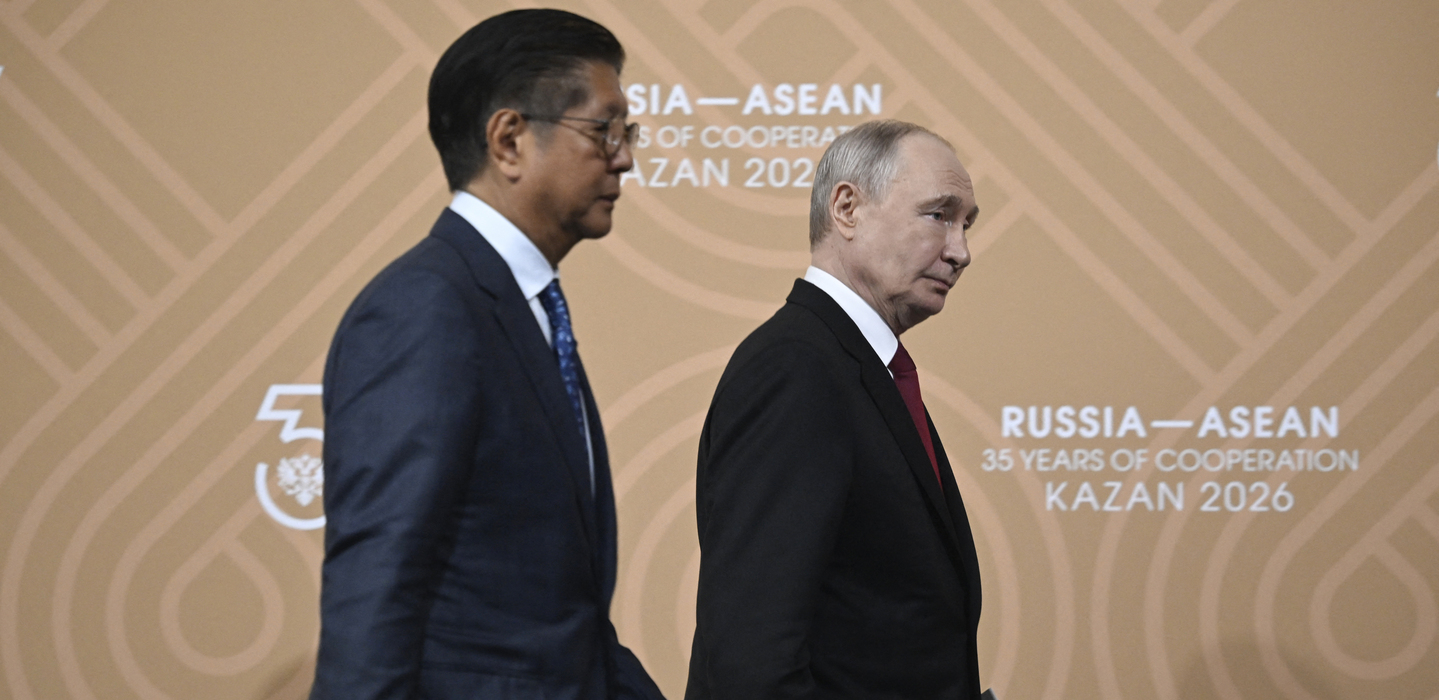
Russia looks set to reap economic benefits from closer ties with Southeast Asian countries that are keen to find reliable energy suppliers and diversify trade ties.

Alexander Gabuev

If it proves impossible for the Russian authorities to avoid a gasoline deficit, the question then becomes how they will organize the distribution of a scarce resource.

Sergey Vakulenko
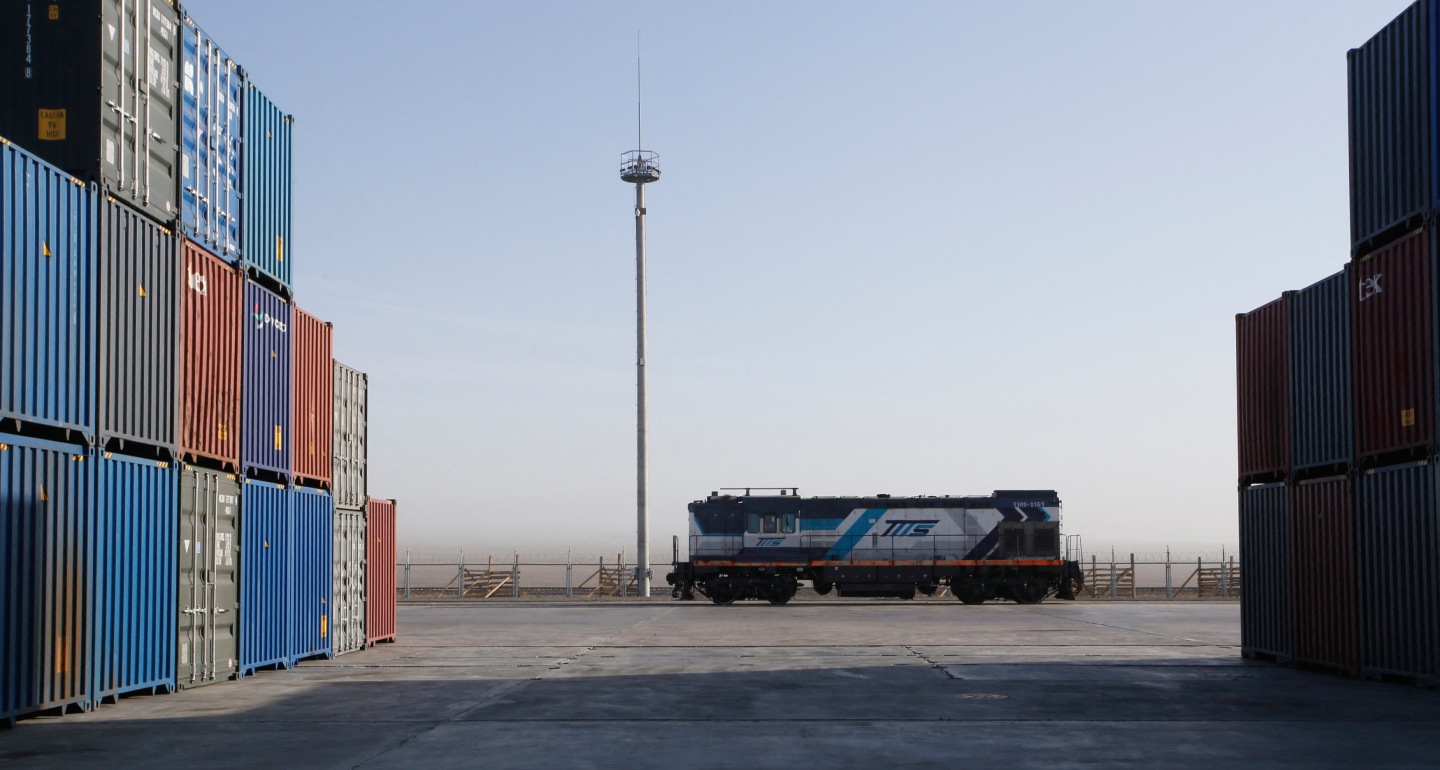
This year’s wars have made alternative routes to transit through Russia no less risky for Central Asian countries.

Galiya Ibragimova

A much-discussed disagreement over internet restrictions in Russia was never an existential threat for Putin: It was about elite groups protecting their interests.

Alexandra Prokopenko

The demands of the Kremlin’s war in Ukraine, demographic problems, and public hostility toward Central Asians mean Russia does not have enough workers.

Salavat Abylkalikov