

Commentary
Not only does the fighting jeopardize regional security, it undermines Russian attempts to promote alternatives to the Western-dominated world order.
Ruslan Suleymanov
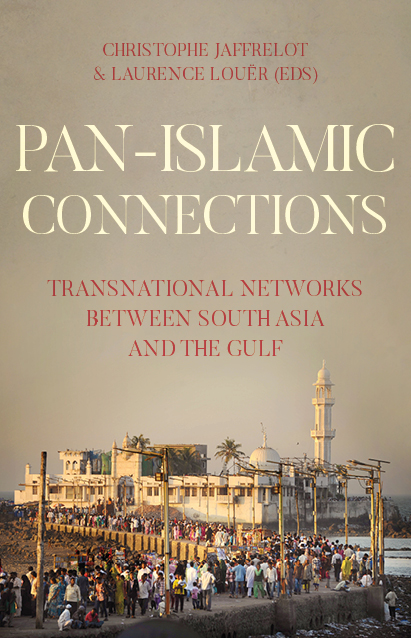
A comparison of Islam in Arabia and in South Asia and how these versions of the religion interact through the vectors of trade, politics, and migration.
Source: Oxford University Press
South Asia is today the region inhabited by the largest number of Muslims—roughly 500 million. In the course of its Islamisation process, which began in the eighth century, it developed a distinct Indo-Islamic civilisation that culminated in the Mughal Empire. While paying lip service to the power centres of Islam in the Gulf, including Mecca and Medina, this civilisation has cultivated its own variety of Islam, based on Sufism.
Over the last fifty years, pan-Islamic ties have intensified between these two regions. Gathering together some of the best specialists on the subject, this volume explores these ideological, educational and spiritual networks, which have gained momentum due to political strategies, migration flows and increased communications.
At stake are both the resilience of the civilisation that imbued South Asia with a specific identity, and the relations between Sunnis and Shias in a region where Saudi Arabia and Iran are fighting a cultural proxy war, as evident in the foreign ramifications of sectarianism in Pakistan.
“The Indian Ocean, linking Arabia to South Asia, looms as the testcase for Muslim networks, yet the profile of Indo-Islamic civilization remains contested between Saudi Salafis, Pakistani Sufis and also Iranian Shi’ites. This pioneering volume provides a welcome transregional, comparative analysis of multiple case studies, at once historical and contemporary.”
—Bruce Bennett Lawrence, Professor Emeritus of Religion, Duke University
“Connections of trade, family, learning and faith have existed between South Asia and the Gulf for hundreds of years. This book focuses on their workings in the modern period with especial emphasis on Islam. It demonstrates the significant and complex interactions which take place across the region, some of which are of strategic potential.”
—Francis Robinson, Professor of the History of South Asia, Royal Holloway, University of London
Former Nonresident Scholar, South Asia Program
Jaffrelot’s core research focuses on theories of nationalism and democracy, mobilization of the lower castes and Dalits (ex-untouchables) in India, the Hindu nationalist movement, and ethnic conflicts in Pakistan.
Laurence Louër
Laurence Louër is Associate Professor at the Centre for International Studies (CERI), Sciences.
Carnegie does not take institutional positions on public policy issues; the views represented herein are those of the author(s) and do not necessarily reflect the views of Carnegie, its staff, or its trustees.
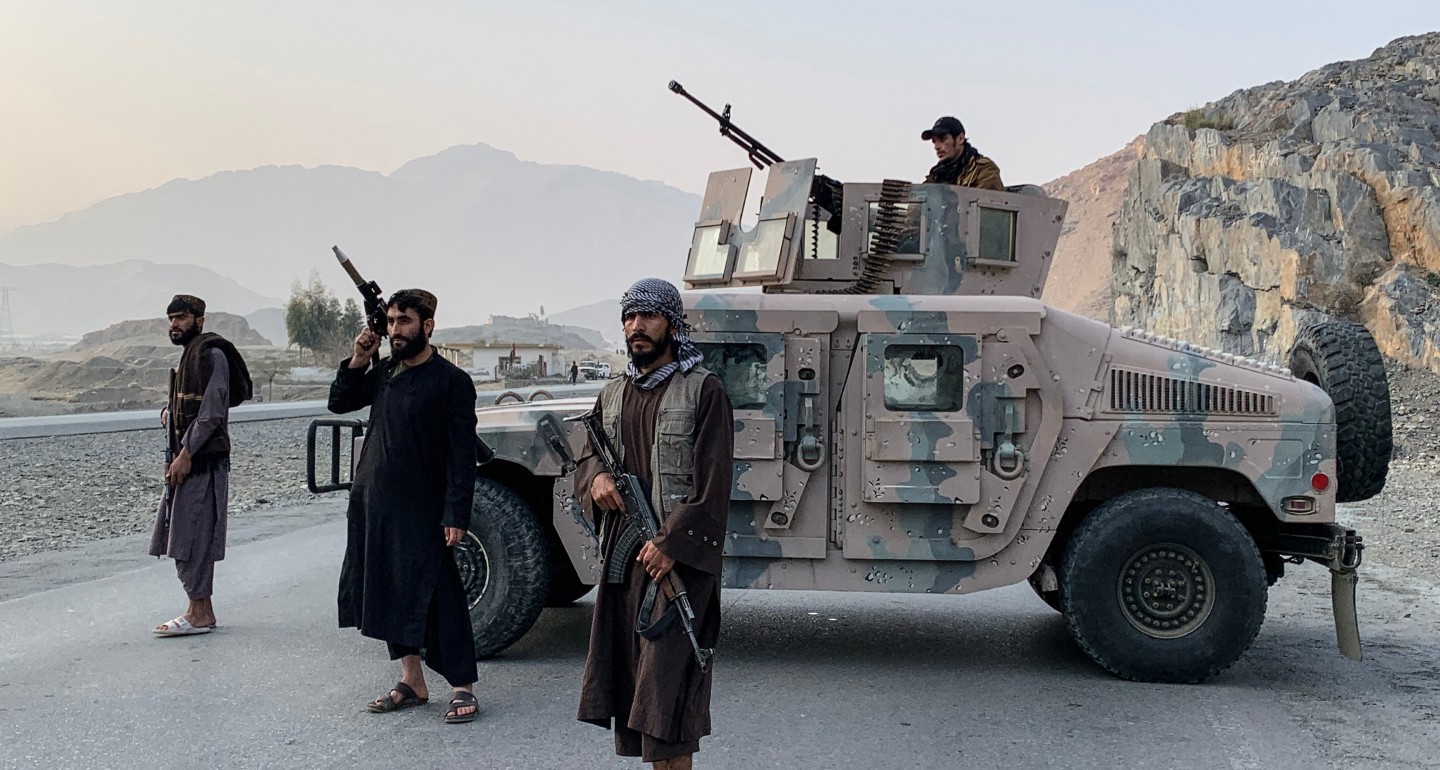
Not only does the fighting jeopardize regional security, it undermines Russian attempts to promote alternatives to the Western-dominated world order.
Ruslan Suleymanov
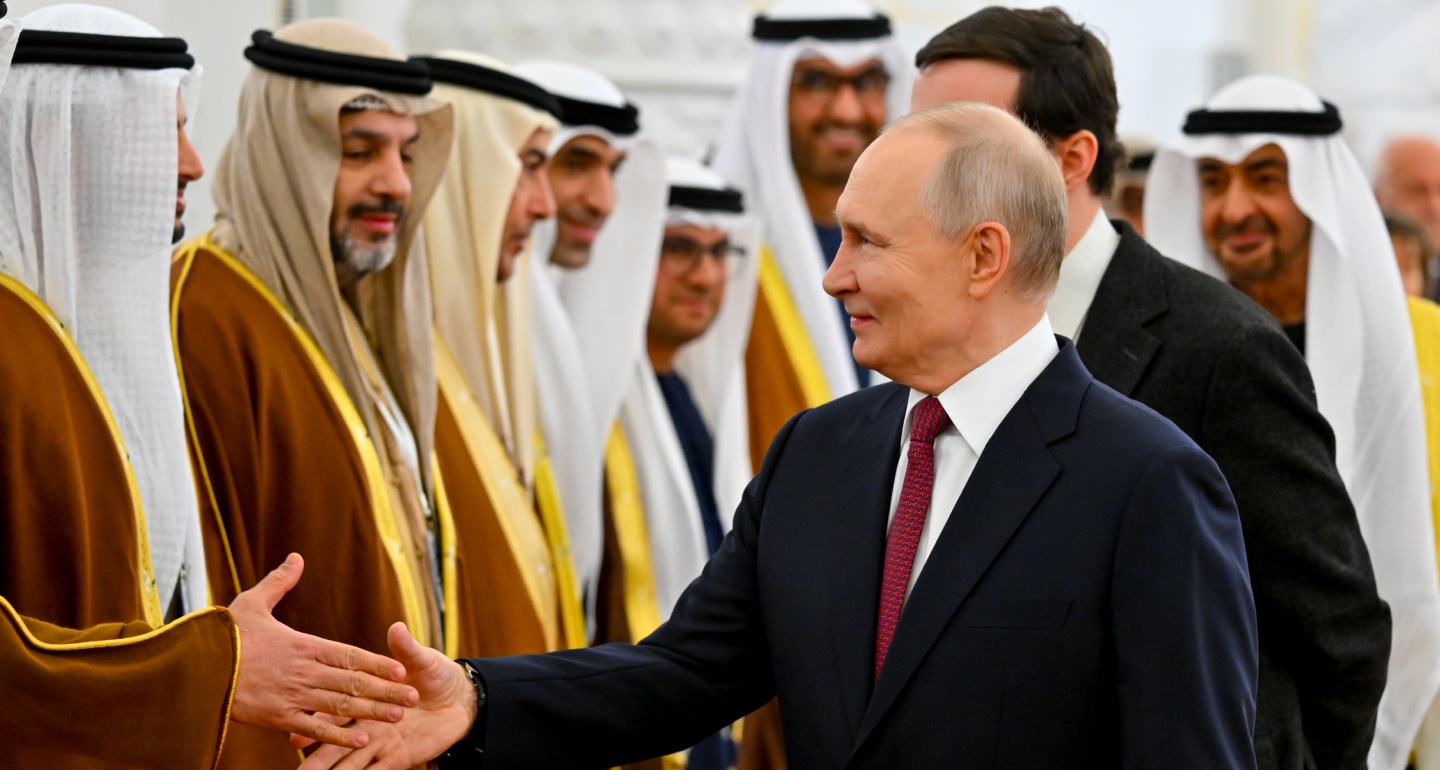
Disillusioned with the West over Gaza, Arab countries are not only trading more with Russia; they are also more willing to criticize Kyiv.
Ruslan Suleymanov

Baku may allow radical nationalists to publicly discuss “reunification” with Azeri Iranians, but the president and key officials prefer not to comment publicly on the protests in Iran.

Bashir Kitachaev
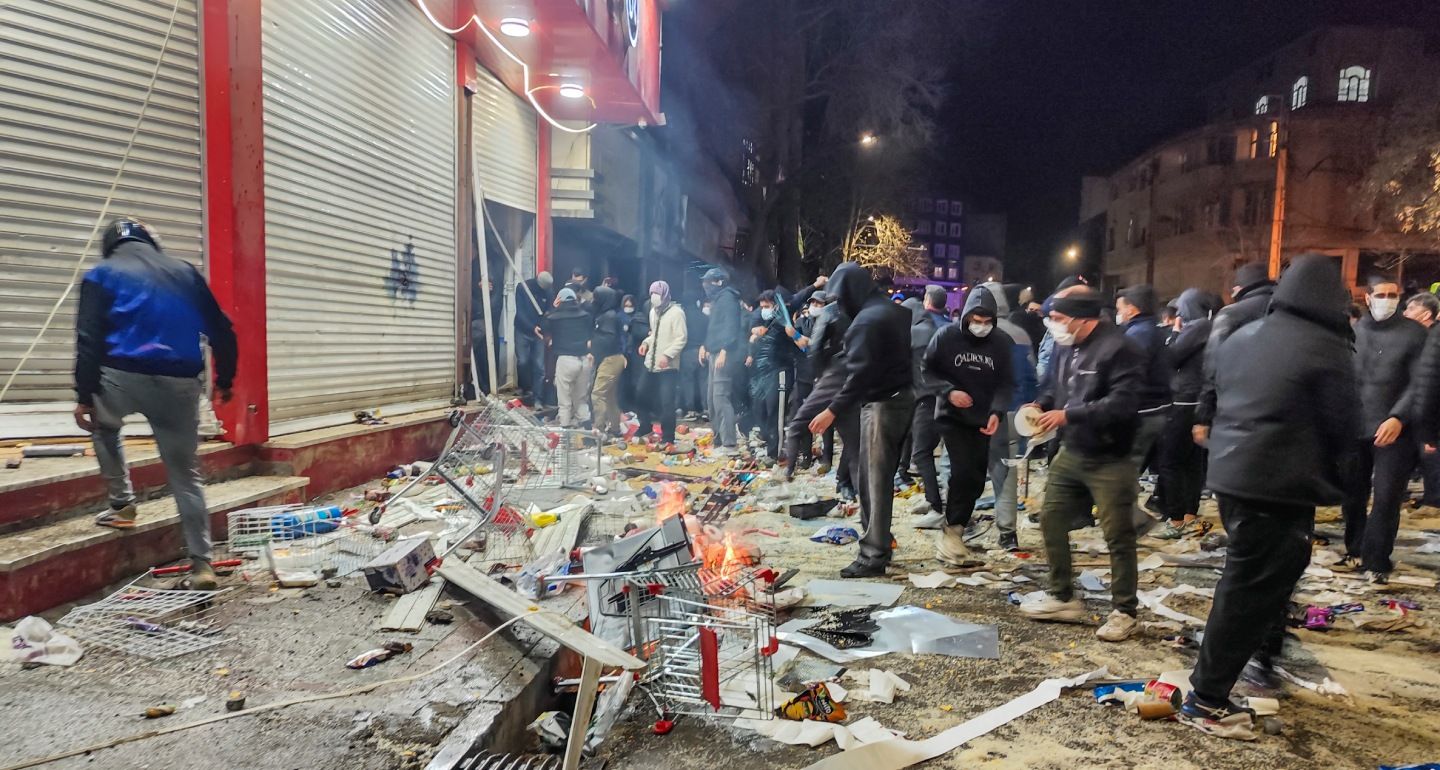
It’s one thing to export Russian helicopters to Iran to fight the insurgency, and it’s easy to imagine Moscow becoming a haven for fleeing Iranian leaders. But it’s very difficult to imagine Russian troops defending the Iranian regime on the ground.

Nikita Smagin
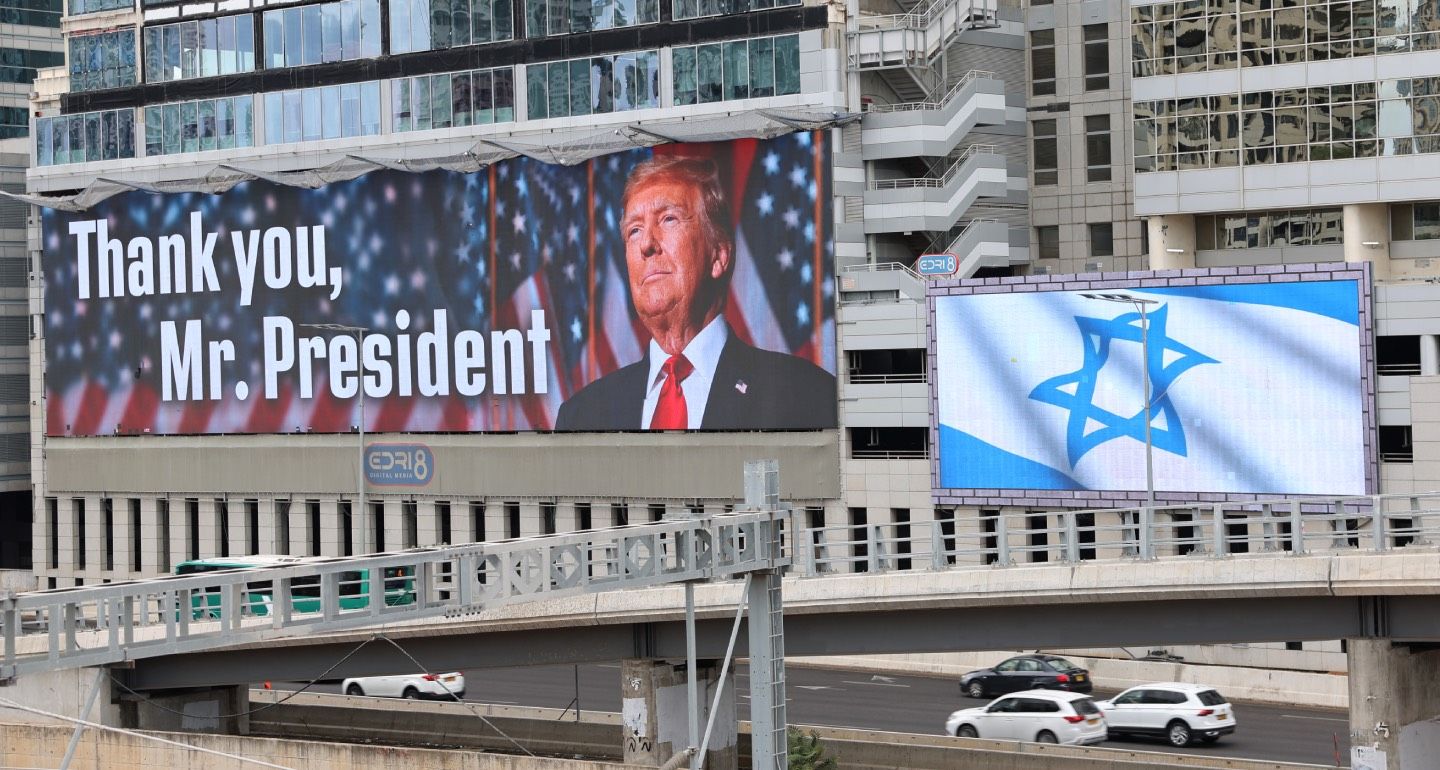
The U.S. president’s successful imposition of a ceasefire on notorious sworn enemies who have both agreed to make concessions only highlights Putin’s intransigence and his lack of competence and reason.

Alexander Baunov