

Commentary
John Kerry

A revealing memoir by a witness to some of the most important events of recent U.S. history.
John Kerry tells the story of his remarkable American life—from son of a diplomat to decorated Vietnam veteran, five-term United States senator, 2004 Democratic presidential nominee, and Secretary of State for four years—a revealing memoir by a witness to some of the most important events of our recent history.
Every Day Is Extra is John Kerry’s candid personal story. A Yale graduate, Kerry enlisted in the US Navy in 1966, and served in Vietnam. He returned home highly decorated but disillusioned, and testified powerfully before Congress as a young veteran opposed to the war.
Kerry served as a prosecutor in Massachusetts, then as lieutenant governor, and was elected to the Senate in 1984, eventually serving five terms. In 2004 he was the Democratic presidential nominee and came within one state—Ohio—of winning. Kerry returned to the Senate, chaired the important Foreign Relations Committee, and succeeded Hillary Clinton as Secretary of State in 2013. In that position he tried to find peace in the Middle East; dealt with the Syrian civil war while combatting ISIS; and negotiated the Iran nuclear deal and the Paris climate agreement.
Every Day Is Extra is Kerry’s passionate, insightful, sometimes funny, always moving account of his life. Kerry tells wonderful stories about colleagues Ted Kennedy and John McCain, as well as President Obama and other major figures. He writes movingly of recovering his faith while in the Senate, and deplores the hyper-partisanship that has infected Washington.
Few books convey as convincingly as this one the life of public service like that which John Kerry has lived for fifty years. Every Day Is Extra shows Kerry for the dedicated, witty, and authentic man that he is, and provides forceful testimony for the importance of diplomacy and American leadership to address the increasingly complex challenges of a more globalized world.
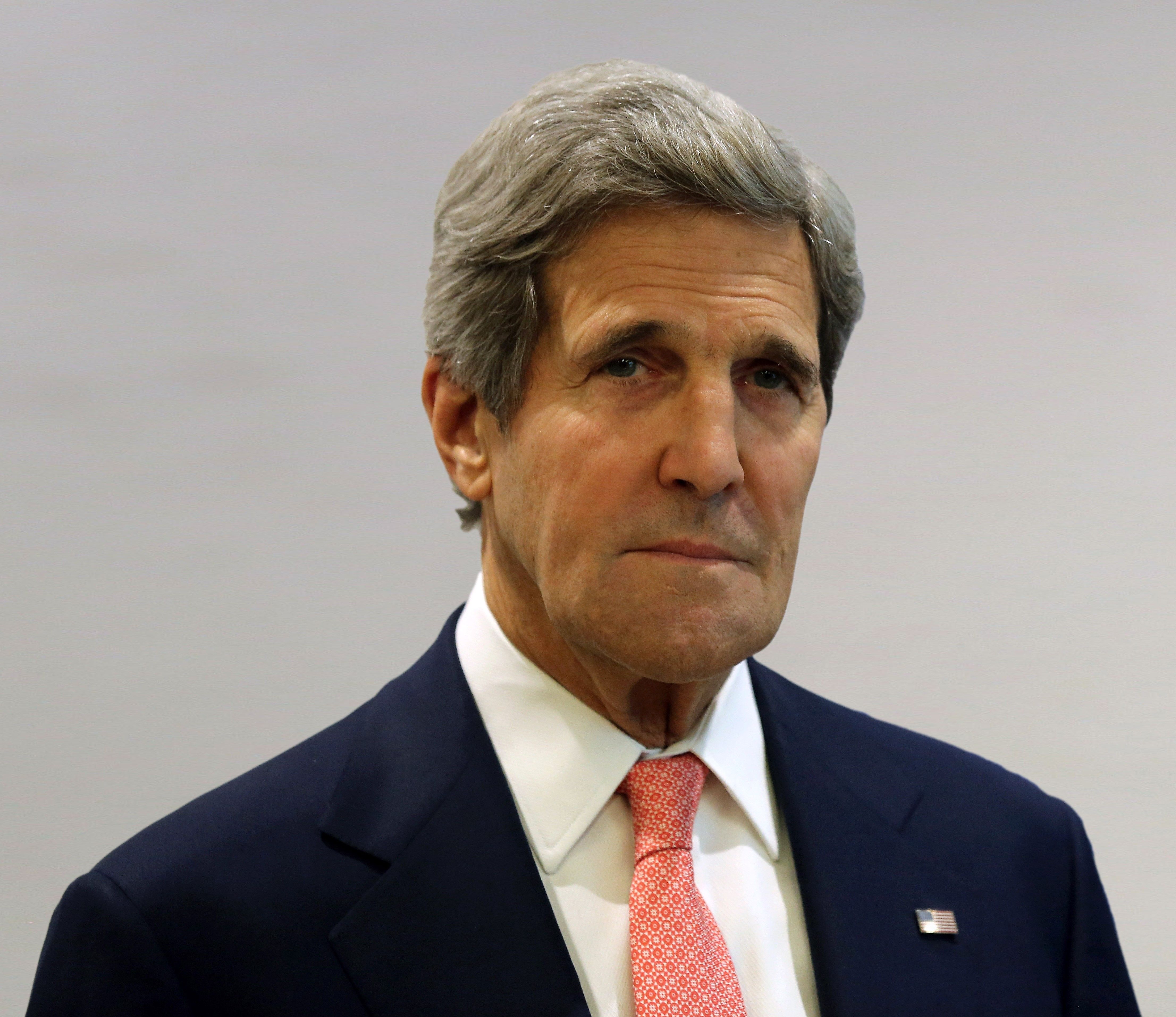
Nonresident Scholar, Sustainability, Climate, and Geopolitics Program
John Kerry is a nonresident scholar the Carnegie Endowment for International Peace.
Recent Work
John Kerry
John Kerry
Carnegie does not take institutional positions on public policy issues; the views represented herein are those of the author(s) and do not necessarily reflect the views of Carnegie, its staff, or its trustees.
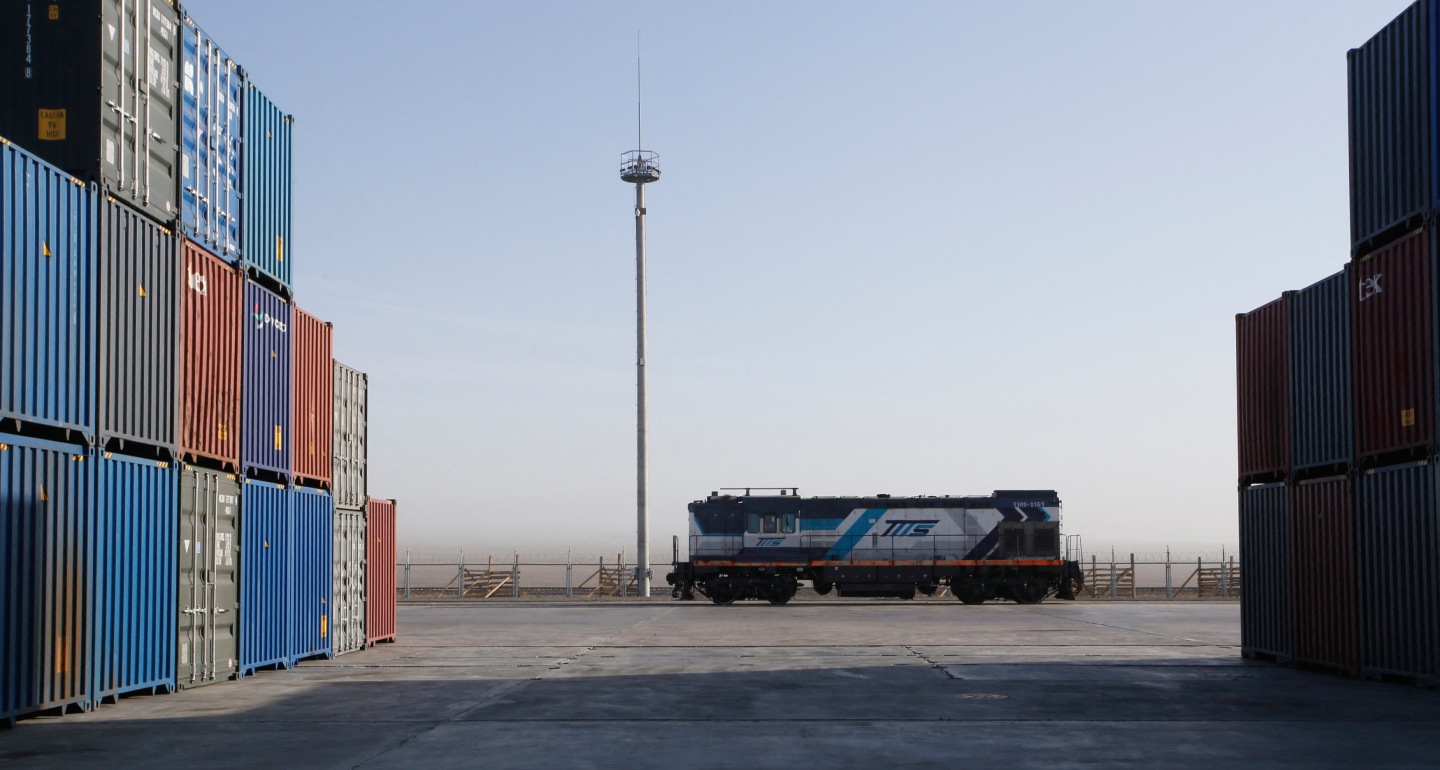
This year’s wars have made alternative routes to transit through Russia no less risky for Central Asian countries.

Galiya Ibragimova
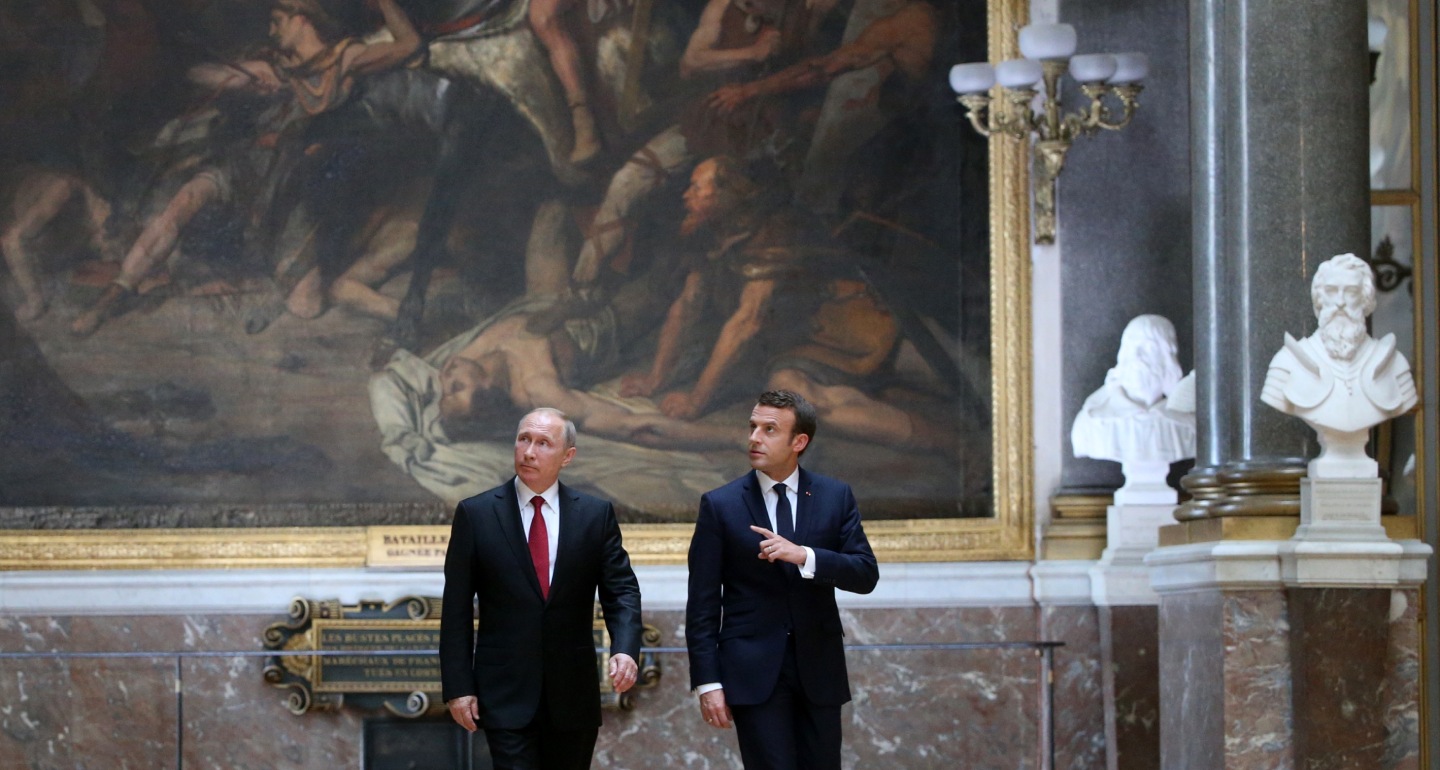
Reestablishing a dialogue with Moscow is not a goal in its own right. The goal is to guarantee the independence of Ukraine and the peace and security of Europe.
Arkady Moshes
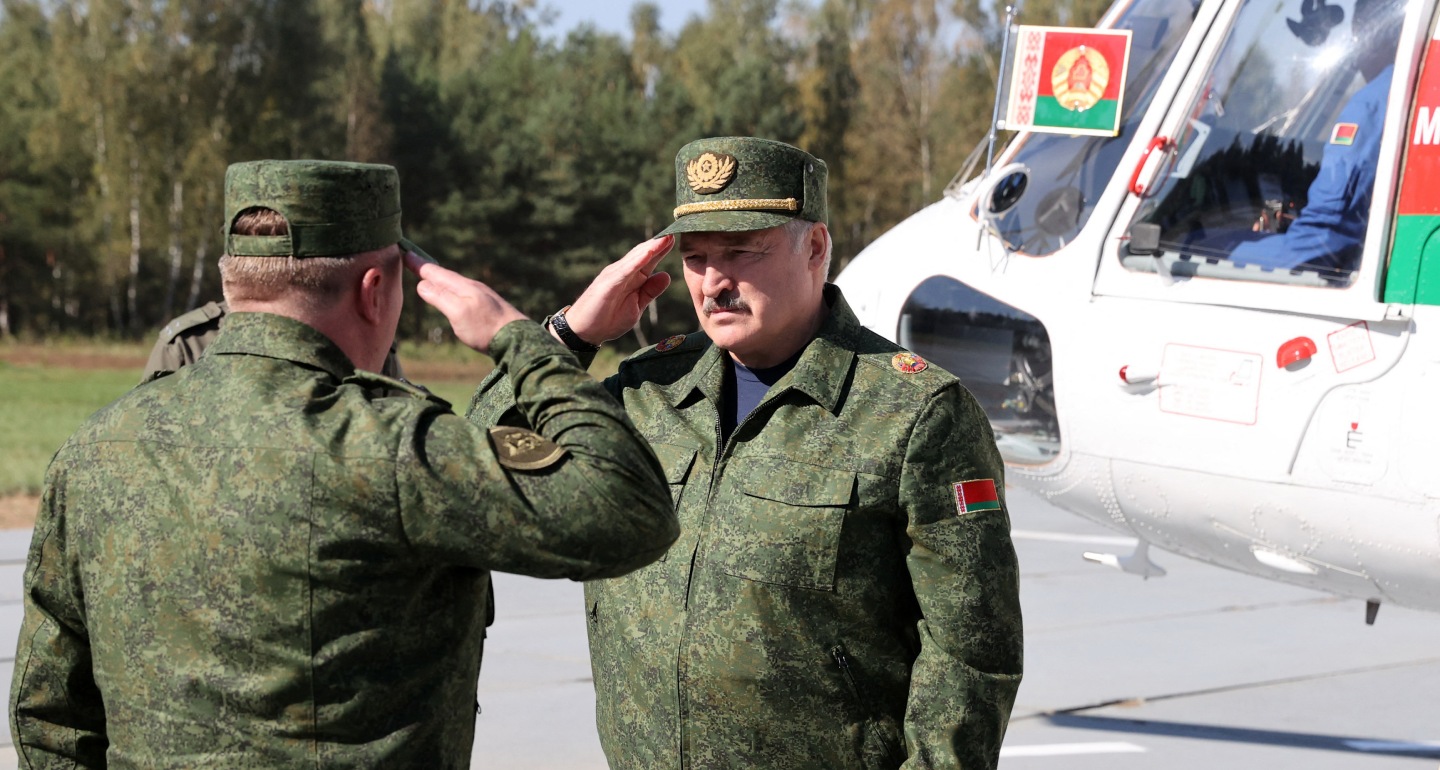
Ukraine’s increasingly confrontational posture on Belarus reflects Kyiv’s effort to shape the emerging regional order in Eastern Europe. Kyiv wants to limit European normalization with Minsk—and any future rapprochement with Russia.

Balázs Jarábik
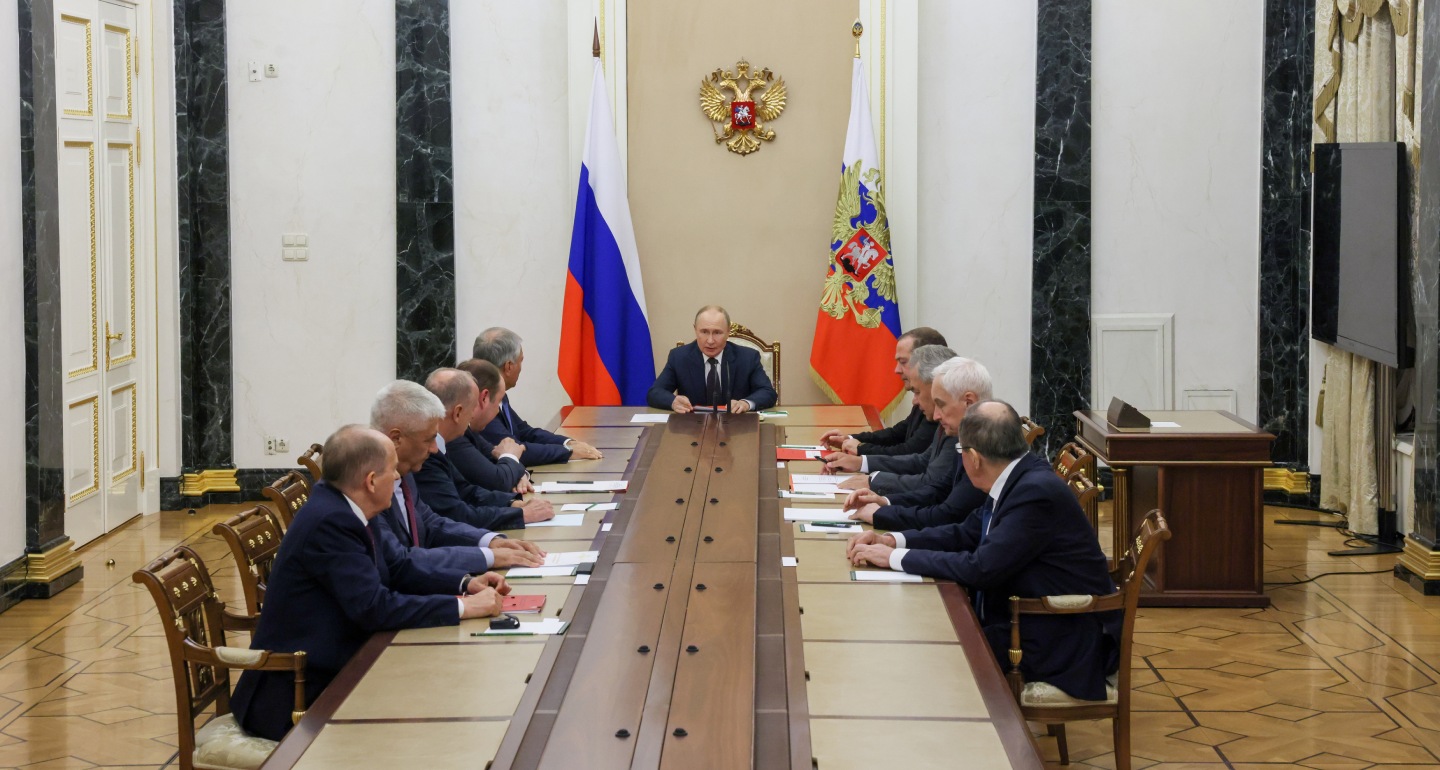
The ruling elites in contemporary Russia are not a political class, but a community of managers who are not subject to competition or public accountability. The state is becoming an operating apparatus without any internal autonomy.

Alexandra Prokopenko

Pashinyan’s pro-European party has been re-elected with a decisive victory. But the pro-Russian opposition could still slow Armenia’s progress toward peace with Azerbaijan and rapprochement with Europe.
Mikayel Zolyan