• Research
  • Politika
  • About
Carnegie Russia Eurasia center logoCarnegie lettermark logo
  • Donate
Beyond Historical Memory: South Korean Domestic Polarization and U.S.-ROK-Japan Trilateral Cooperation
Research

Beyond Historical Memory: South Korean Domestic Polarization and U.S.-ROK-Japan Trilateral Cooperation

While the trilateral alignment between the United States, Japan, and South Korea has made substantial progress in recent years, domestic polarization in South Korea presents a critical barrier to successful trilateral strategic cooperation among Washington, Tokyo, and Seoul.

Link Copied
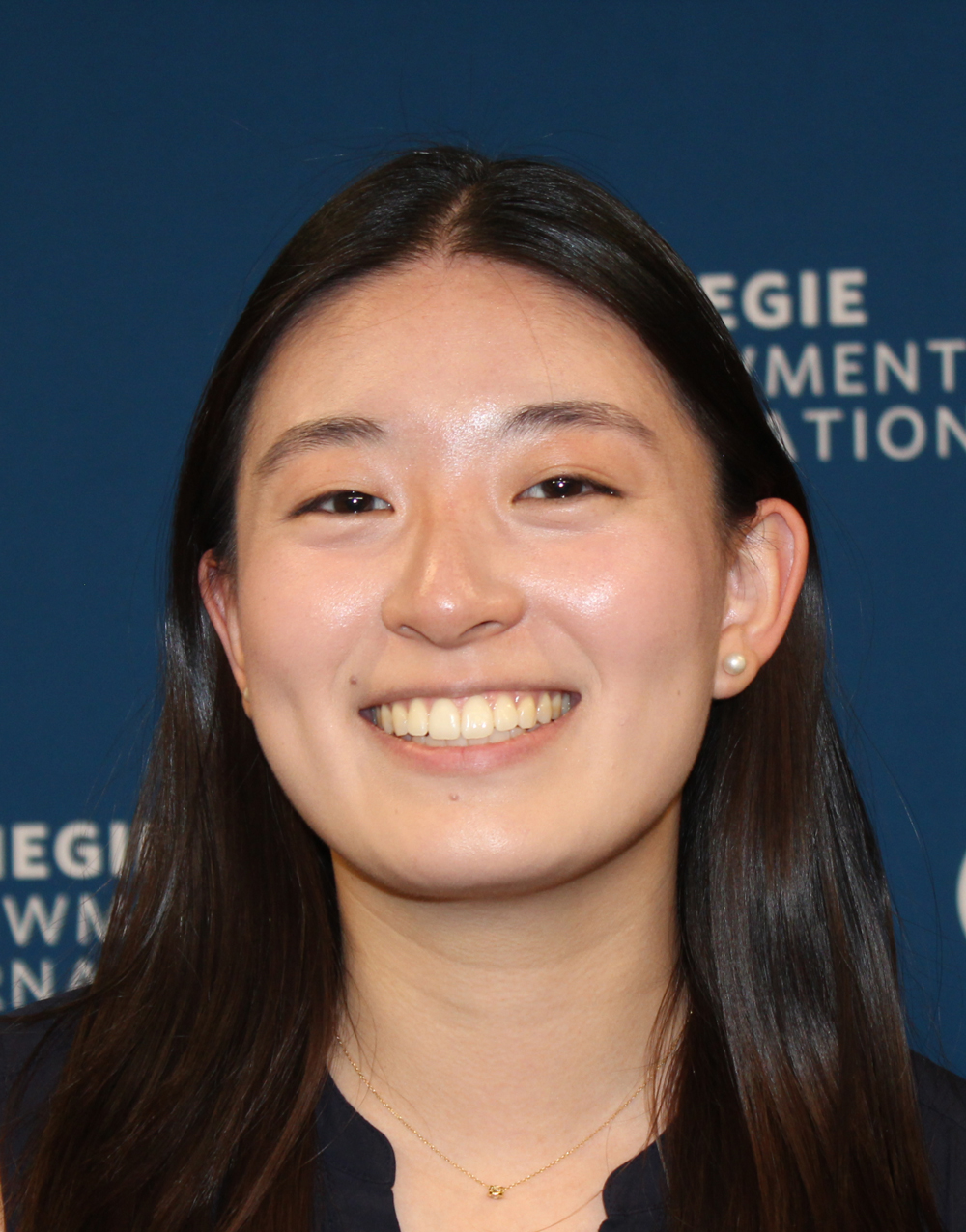
By Darcie Draudt-Véjares
Published on Jan 23, 2025
Read the publication

About the Author

Darcie Draudt-Véjares

Fellow, Asia Program

Darcie Draudt-Véjares is a fellow in the Carnegie Asia Program.

    Recent Work
  • Article
    From Labor Scarcity to AI Society: Governing Productivity in East Asia
      • Sophie Zhuang

      Darcie Draudt-Véjares, Sophie Zhuang

  • Article
    Governing AI in the Shadow of Giants: Korea’s Strategic Response to Great Power AI Competition

      Darcie Draudt-Véjares, Seungjoo Lee

Darcie Draudt-Véjares
Fellow, Asia Program
Darcie Draudt-Véjares
South KoreaJapanEast AsiaAsiaForeign PolicyDomestic Politics

Carnegie does not take institutional positions on public policy issues; the views represented herein are those of the author(s) and do not necessarily reflect the views of Carnegie, its staff, or its trustees.
More Work from Carnegie Russia Eurasia Center

  • Commentary
    Carnegie Politika
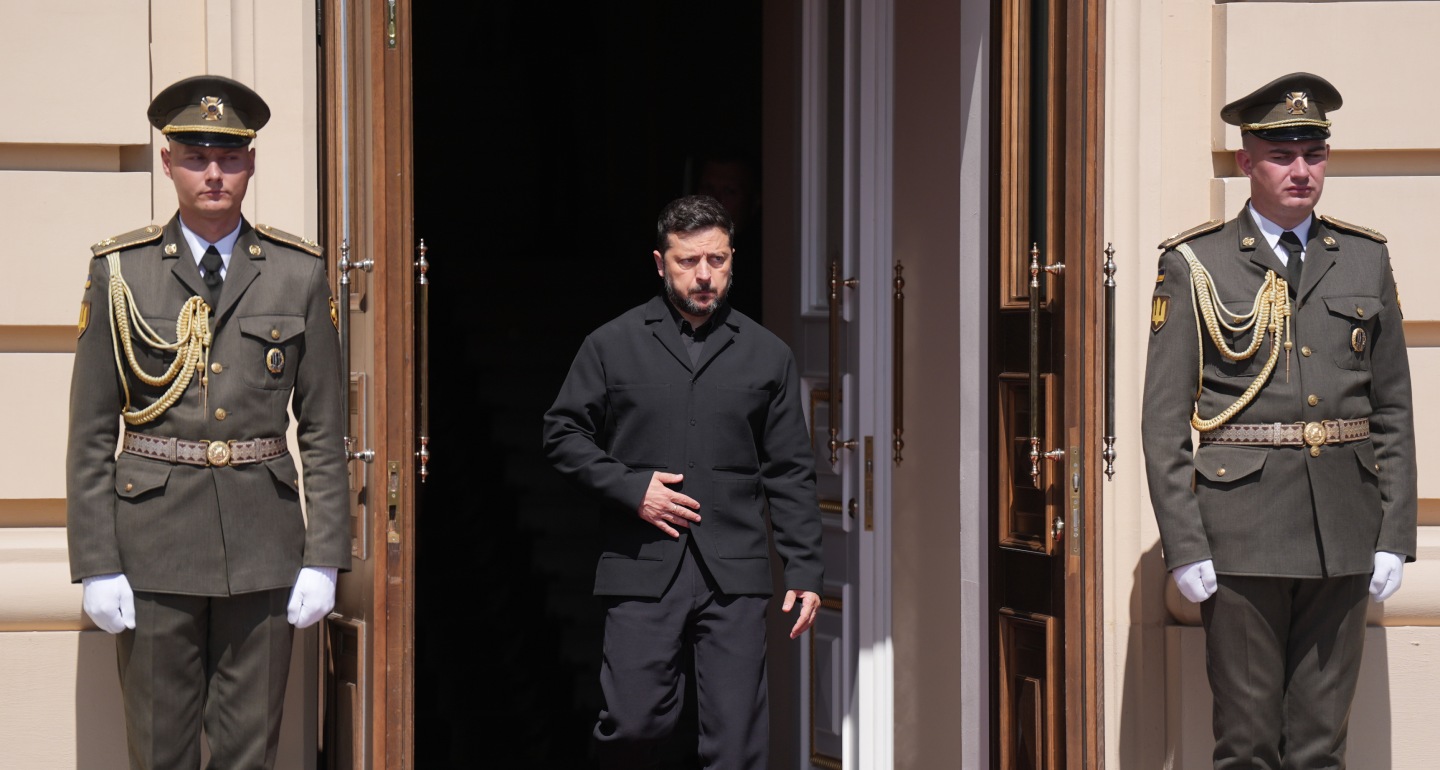
    Control Above Reform: What’s Behind Ukraine’s Government and Security Reshuffle?

    Ultimately, Zelensky sided neither with the reform camp nor with the military establishment as such, but with political control.

      Balázs Jarábik
  • Commentary
    Carnegie Politika
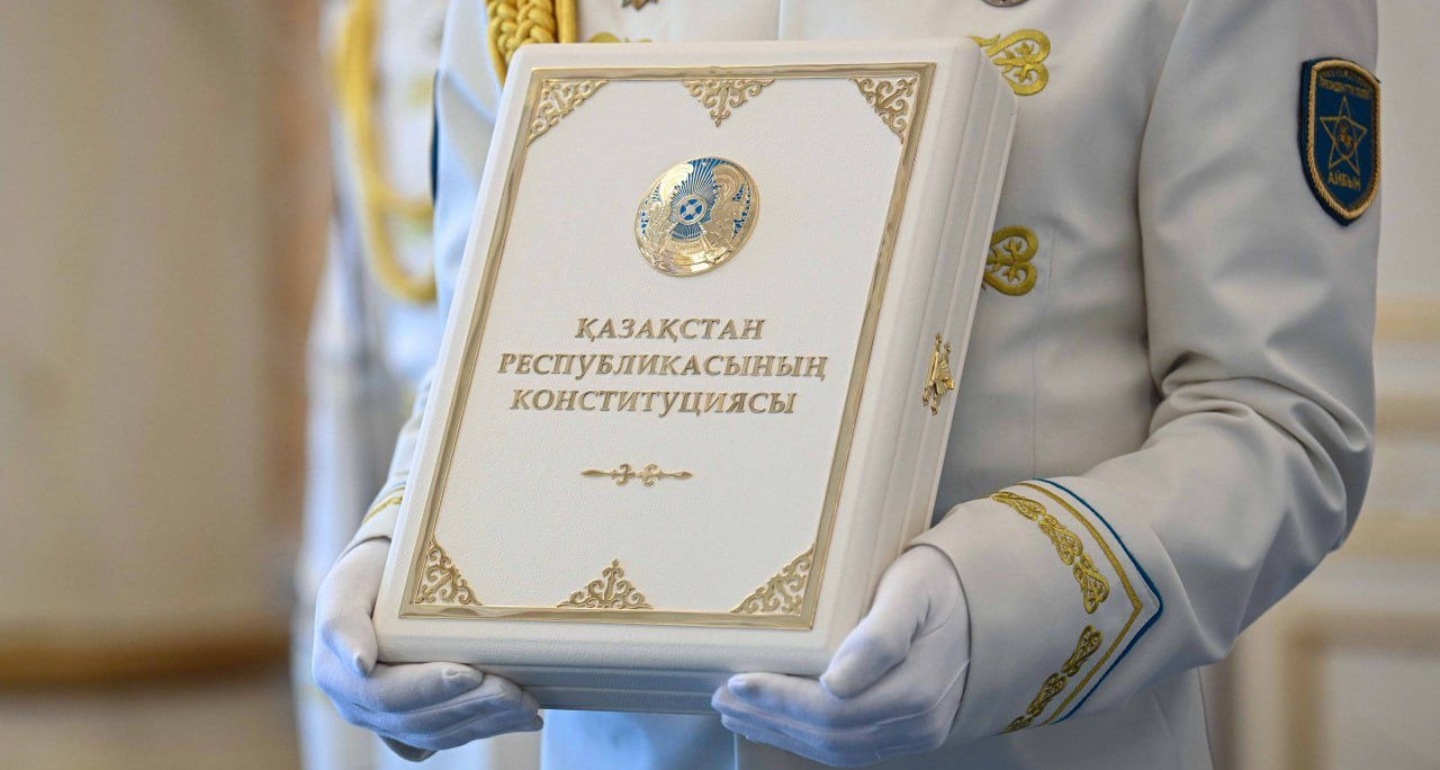
    Where Are President Tokayev’s Political Reforms Leading Kazakhstan?

    Tokayev’s predecessor, Nursultan Nazarbayev, outlined arrangements for a power transition too soon and in too much detail, ultimately losing control over the process. Tokayev is determined not to meet the same fate.

      Temur Umarov
  • Commentary
    Carnegie Politika
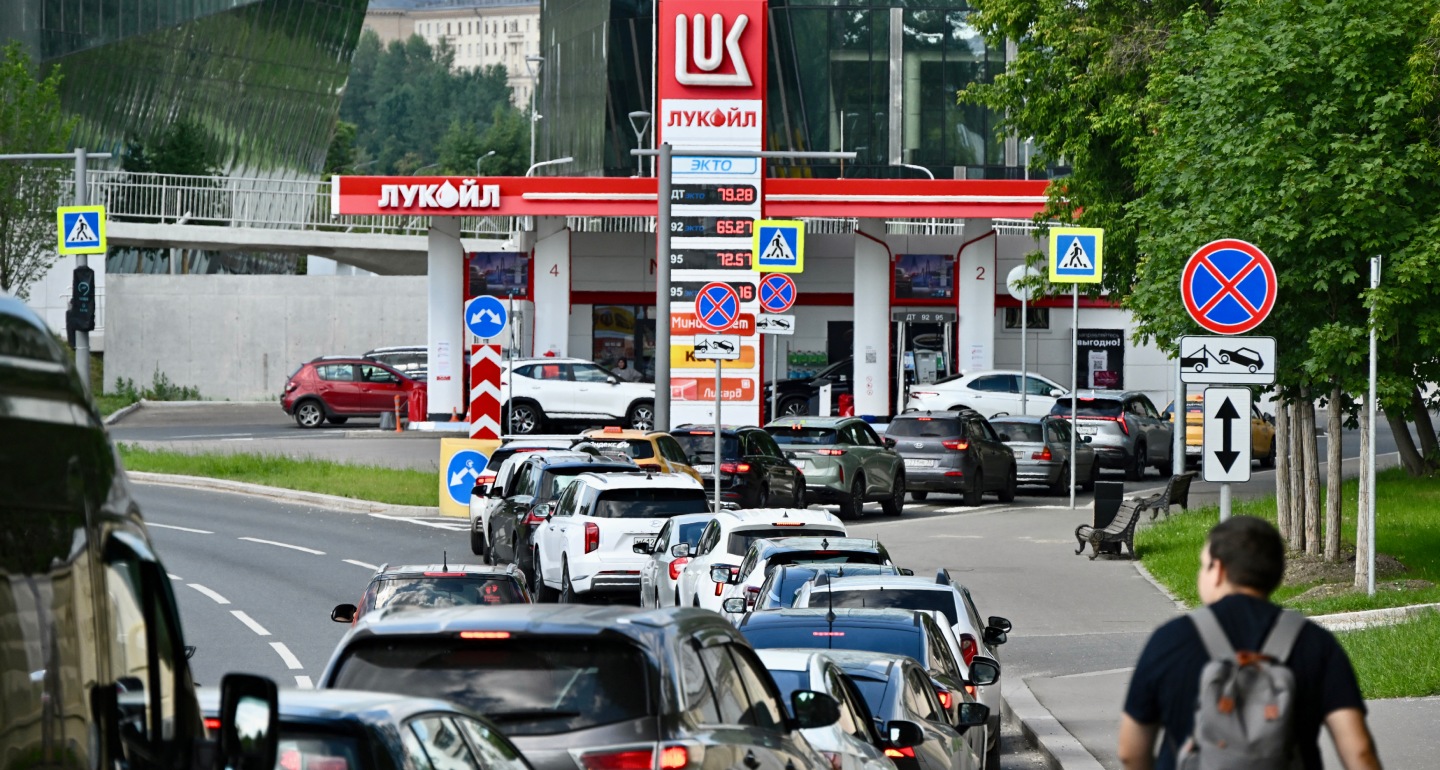
    Building Mini-Refineries Will Not Solve Russia’s Gasoline Crisis

    Official discussions about mini oil refineries are unlikely to come to anything—but the mere fact they’re happening reveals the regime is failing to deliver a functioning economy.  

      • Sergey Vakulenko

      Sergey Vakulenko

  • Commentary
    Carnegie Politika
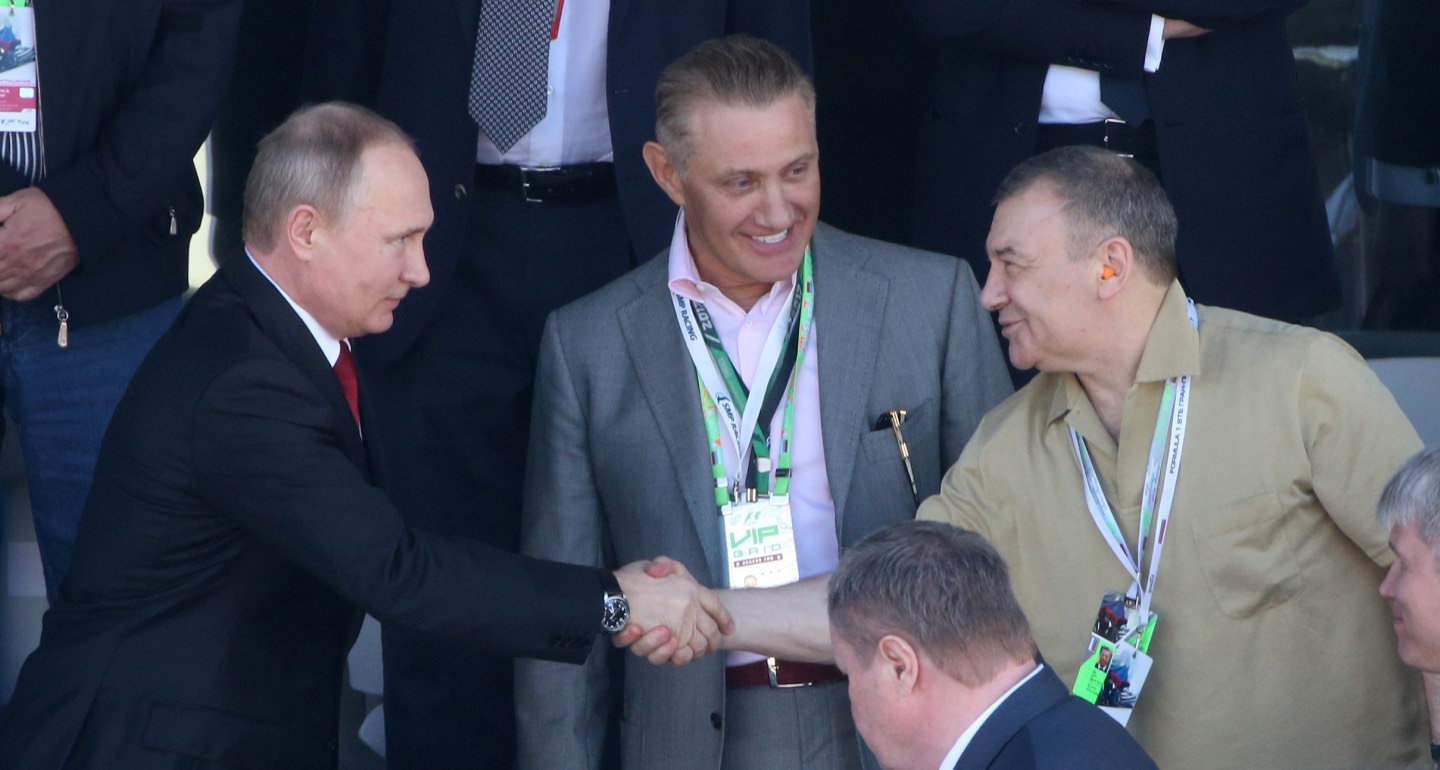
    Are Russia’s Influential Rotenberg Brothers Headed for a Fall?

    The security forces are targeting Arkady and Boris Rotenberg’s patronage network—and in Putin’s Russia, it’s extremely hard to stop a purge once it’s under way.

      Mikhail Komin

  • Commentary
    Carnegie Politika
    What Should We Take From Andrey Melnichenko’s Essay in the Economist?

    Andrey Melnichenko’s essay offers no answer to the fundamental question of how, under any kind of negotiated settlement, Europe can protect itself from the Russian ressentiment that is inevitable in all scenarios except for an outright victory for Putin.

      Leonid Bershidsky

Get more news and analysis from
Carnegie Russia Eurasia Center
Carnegie Russia Eurasia logo, white
  • Research
  • Politika
  • About
  • Experts
  • Events
  • Contact
  • Privacy
  • For Media
Get more news and analysis from
Carnegie Russia Eurasia Center
© 2026 Carnegie Endowment for International Peace. All rights reserved.