

Commentary
With its scattershot approach to enforcing internet censorship, the Russian regime risks losing a battle against the many Russians who have learned to evade online restrictions.
Maria Kolomychenko

The United Arab Emirates is placing enormous bets on artificial intelligence to diversify its economy and become the world’s next technological hub. As the United States develops its strategy for global AI leadership, the UAE presents a critical test case for engaging with technologically ambitious countries seeking to balance relations with both the United States and China.
Gregory C. Allen
Georgia Adamson
Lennart Heim
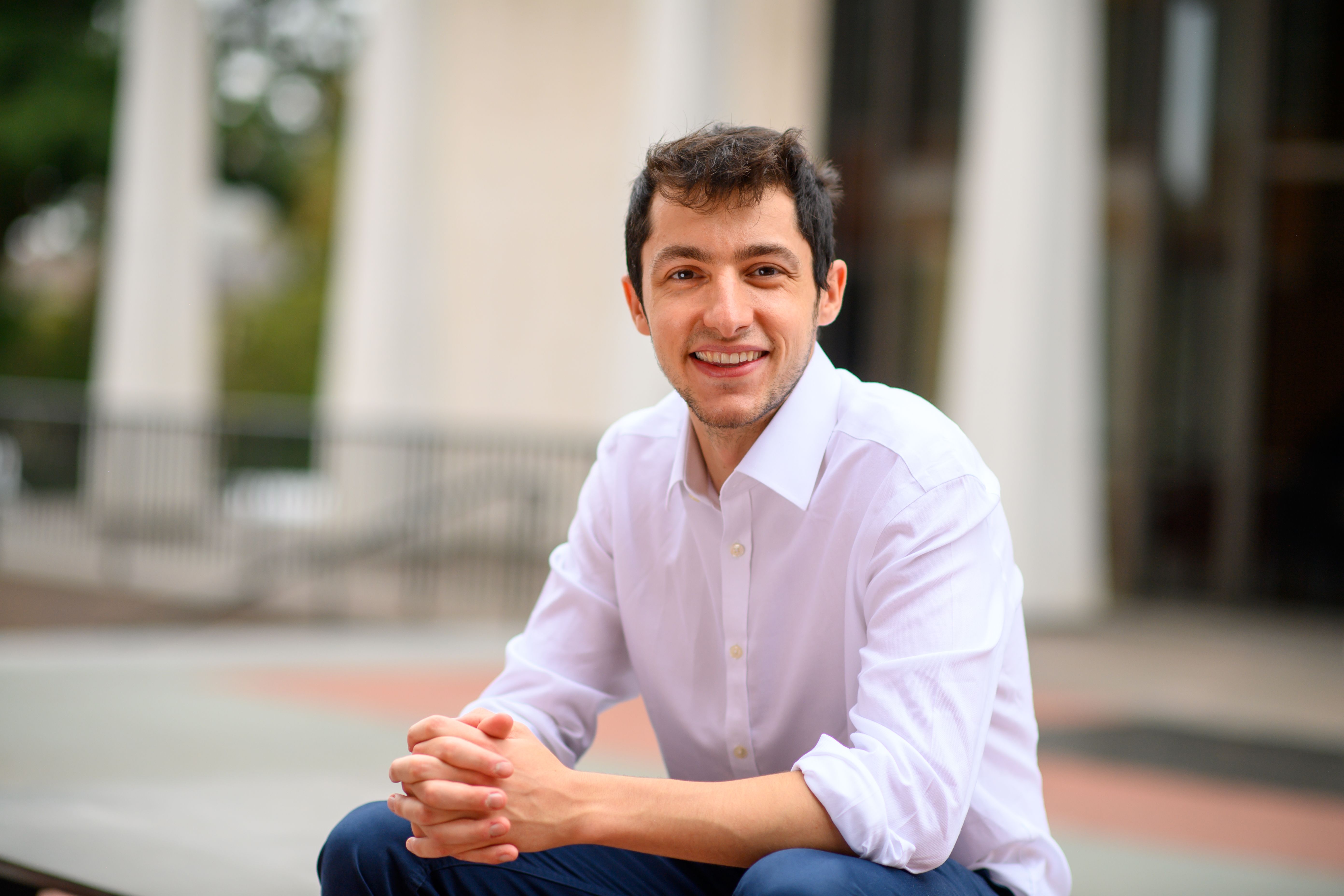
Senior Fellow, Technology and International Affairs
Sam Winter-Levy is a senior fellow in the Technology and International Affairs Program at the Carnegie Endowment for International Peace, where his research covers emerging technology and national security, with a focus on the geopolitics of AI.
Carnegie does not take institutional positions on public policy issues; the views represented herein are those of the author(s) and do not necessarily reflect the views of Carnegie, its staff, or its trustees.

With its scattershot approach to enforcing internet censorship, the Russian regime risks losing a battle against the many Russians who have learned to evade online restrictions.

Maria Kolomychenko

This year’s wars have made alternative routes to transit through Russia no less risky for Central Asian countries.

Galiya Ibragimova

A much-discussed disagreement over internet restrictions in Russia was never an existential threat for Putin: It was about elite groups protecting their interests.

Alexandra Prokopenko

For Lukashenko, abandoning Western internet services and embracing Russian equivalents would mean tying himself even closer to Moscow.

Artyom Shraibman

The Russian state has opted for complete ideological control of the internet and is prepared to bear the associated costs.
Maria Kolomychenko