

Report
Mr. Husain Haqqani, Ashley J. Tellis
{
  "authors": [
    "Husain Haqqani"
  ],
  "type": "legacyinthemedia",
  "centerAffiliationAll": "dc",
  "centers": [
    "Carnegie Endowment for International Peace"
  ],
  "collections": [],
  "englishNewsletterAll": "democracy",
  "nonEnglishNewsletterAll": "",
  "primaryCenter": "Carnegie Endowment for International Peace",
  "programAffiliation": "DCG",
  "programs": [
    "Democracy, Conflict, and Governance"
  ],
  "projects": [],
  "regions": [
    "Middle East",
    "Iraq"
  ],
  "topics": []
}
REQUIRED IMAGE
Source: Carnegie
Originally published in the International Herald Triburne, May 25, 2004
The fall from grace of Ahmad Chalabi,
known until recently as America's best friend in Iraq, is being described as
an error of judgment belatedly corrected. But this is not an isolated incident
of the United States making a mistake in its choice of overseas friend, nor of
deserting him.
The United States has embraced numerous characters of dubious integrity,
from President Ferdinand Marcos of the Philippines to the shah of Iran, only
to be accused by these erstwhile allies of abandoning them when the going
gets rough. While they are friends, the United States claims they are "good guys." When
it dumps them, it feels compelled to blame them for some evil action.
Pakistan's late dictator, Field Marshal Ayub Khan, suggested that the United
States was unable to give assistance to people in developing countries "on the
basis of mutual respect"; Americans, he said, did not know how to be "friends,
not masters." Perhaps the Chalabi affair will prompt some thinking in Washington
about how not to choose a "bad" friend in the first place, and how to avoid
giving the impression that its allies have duped the United States. Washington
also needs to figure out a way of cutting ties with undesirable allies
without deepening the impression that America does not stand by its friends.
The shah of Iran, restored to the throne in 1953 as absolute monarch in a CIA-backed
coup, complained in his last days that he was overthrown through American machinations.
Marcos, backed for long years by the United States despite his corrupt and authoritarian
regime, felt the same way when his regime collapsed in 1986. Panama's dictator,
Manuel Noriega, went from being a paid U.S. intelligence asset to an outlaw -
he is currently serving a prison term in Florida for drug trafficking. The Bush
administration supported and defended Ahmad Chalabi, no questions asked, right
up to the recent decision to cut off his funding, followed by accusations of
secret links with Iran.
In an imperfect world, America has to support some leaders who do not meet its
criteria for honest, democratic leadership. Chalabi, however, was not the unsavory
ruler of a strategically important country. He was an exile adopted as a friend
by a U.S. faction because he provided it with arguments that advanced their strategic
vision. But even if the intention behind the neoconservative vision for war in
Iraq - the creation of an Arab democracy - was noble, its Iraqi architect, Chalabi,
was far from an above-board ally. A nation like the United States, which claims
a moral purpose in the world, cannot afford to let ends justify the means.
When allegations about Chalabi's integrity first surfaced, his backers should
have at least qualified their support for him. While insisting on seeing a world
of gray in terms of black and white, they chose to whitewash Chalabi's record.
His lack of support among Iraqis was glossed over. The inability to verify his
intelligence was ignored. And no one in the U.S. government or the U.S. media
adequately questioned Chalabi's past financial dealings.
This unqualified support for Chalabi until the recent break with him reflects
a major problem in American relations with the world. The United States does
not have sufficient nuance in its friendships, nor does it seem to know how to
distance itself from friends it no longer needs.
Ideally, America's friends abroad should share America's proclaimed values. But
when the United States is forced to join hands with unsavory characters for strategic
reasons, it should not become their unquestioning advocate. In international
relations, there are many categories between friend and rogue.
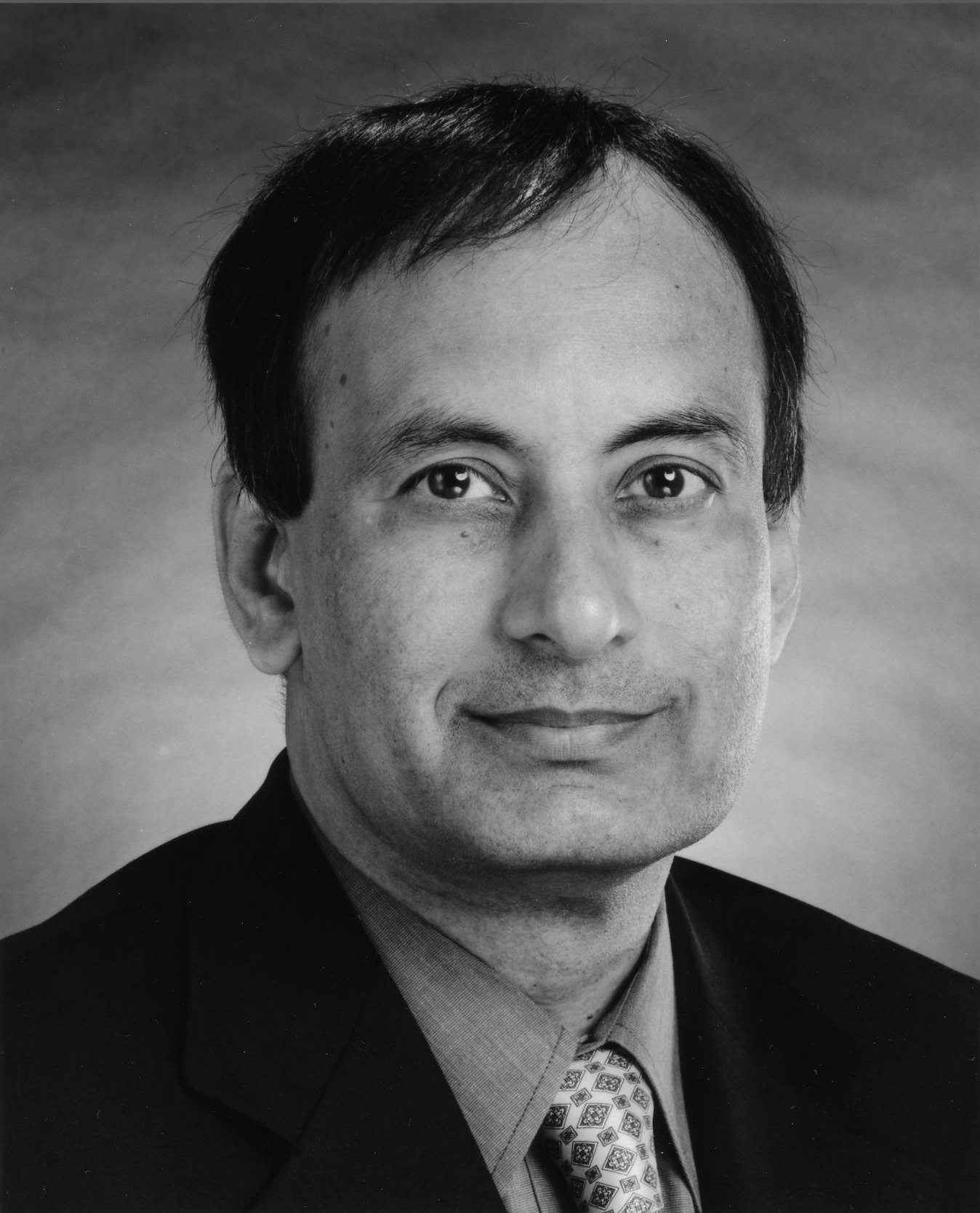
Husain Haqqani is a visiting scholar at the Carnegie Endowment for International
Peace in Washington. He served as adviser to Prime Ministers Benazir Bhutto and
Nawaz Sharif of Pakistan and as Pakistan's ambassador to Sri Lanka.
Former Visiting Scholar
Recent Work
Mr. Husain Haqqani, Ashley J. Tellis
Mr. Husain Haqqani
Carnegie does not take institutional positions on public policy issues; the views represented herein are those of the author(s) and do not necessarily reflect the views of Carnegie, its staff, or its trustees.
The advantage that China has over other global powers, especially America, is that its foreign policy is closely aligned with those of many of the Middle Eastern countries.



Jin Liangxiang, Maha Yahya, Hesham Alghannam

It’s about managing oil prices, bread prices, and strategic partnerships.



Amr Hamzawy, Karim Sadjadpour, Aaron David Miller, …
Fundamentally, it seems irrational to leave an agreement that’s working today out of a fixation on potential growth of Iran’s nuclear program more than a decade from now, when such growth could happen tomorrow if we unravel the agreement.
John Kerry
The smart way to get tough on Iran would be to commit to the nuclear deal, enforce it to the hilt, and work with global partners on a long-term strategy to deal with Iran’s challenge.
William J. Burns, Jake Sullivan
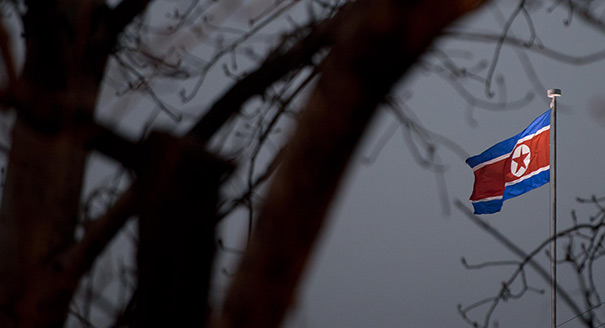
Increased tensions between the United States and Iran over the last couple days, along with U.S. President Donald Trump’s calls to end the Iran Nuclear Deal, could put Iran on the same path as North Korea as an imminent threat potentially needing military consideration.
Jake Sullivan