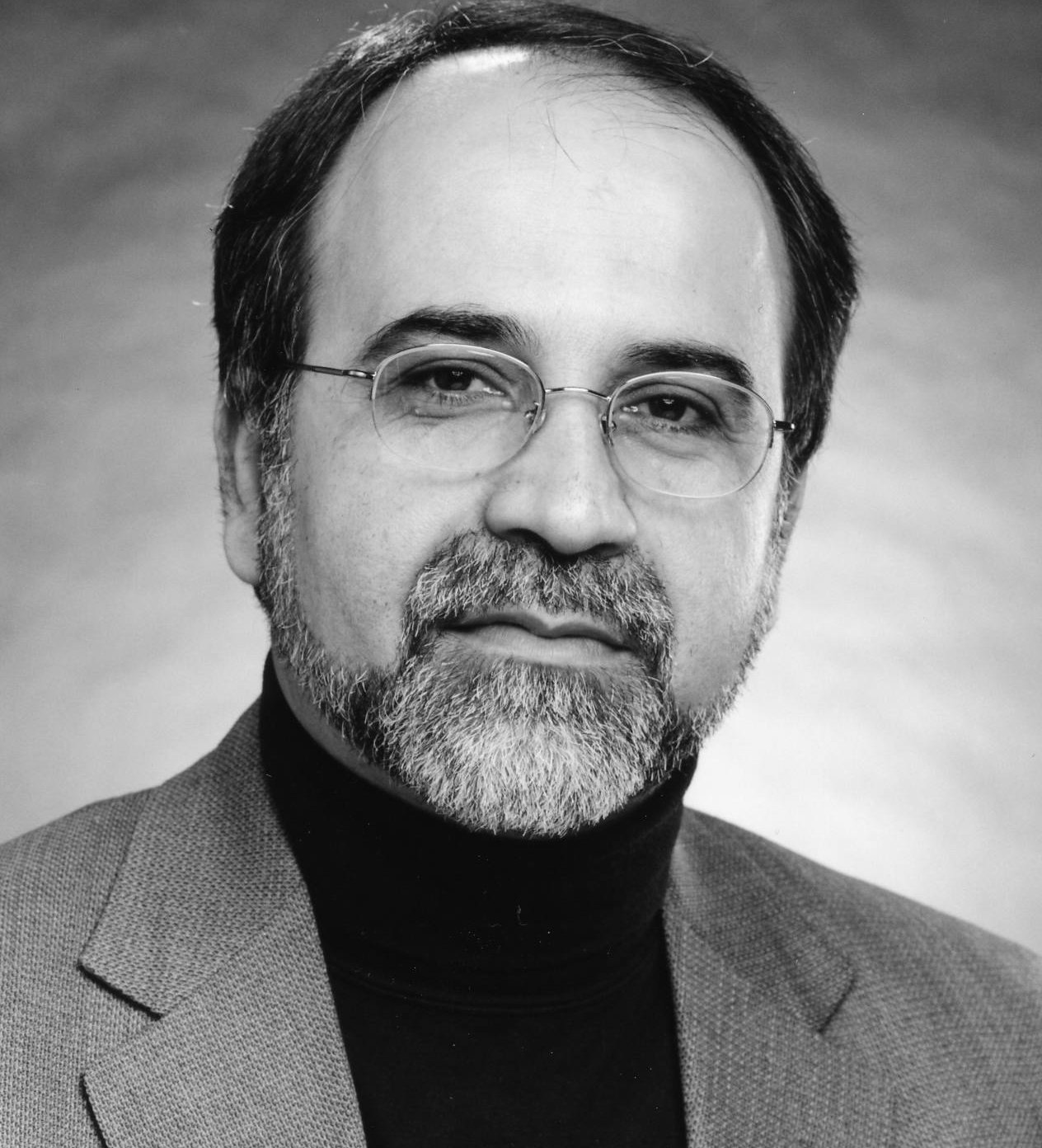
Source: Los Angeles Times
The Bush administration hoped that regime change in Iraq would stimulate democratic change throughout the Middle East but, in fact, the opposite is taking place.
Reform movements, despite the promises of the Bush administration, are in retreat across the region, at least for now. Given the enormous antipathy currently felt toward the United States, even to be associated with the U.S. agenda of democratic transformation in the Middle East means the end of legitimacy for many of these groups.
Consider the plight of the reformers in Iran. Seven years after the landslide election of moderate reformer Mohammad Khatami as president, the conservative establishment of the Islamic government (which still controls the vast power of the state) has neutralized him and has successfully aborted the most dynamic and intellectually rich reform movement in the entire Middle East.
There's no way around the fact that this was made possible, in part, by the incredible violence and instability that accompanied the American "democracy-building" project in Iraq. The invasion and its aftermath shocked the Iranian public, which is deeply worried by the idea of radical change and, at the same time, exhausted by unfulfilled promises of rapid reform.
It is no wonder that Iranians in recent months have slowed their calls for reform, that they have indicated that they want change from within and that they have quietly and hesitantly submitted to the rule of a more monolithic conservative polity. For a lot of people, both among the ordinary public and the elite, the level of instability in Iraq is an unacceptable cost to pay for political reform.
The invasion of Afghanistan and Iraq, both of which border Iran, offered the perfect opportunity for the conservative Iranian clerics to further depoliticize and demobilize the Iranian population. That's how they were able to "win" the parliamentary elections earlier this year. By appropriating an array of reformist slogans, they ran a campaign on ending factional politics and revamping the economy. Now they are in almost total control, and they are confident that they will take the presidency in the summer of 2005.
What should the United States do? For the last 2 1/2 decades, the U.S. has adopted a containment policy against Iran — one that has not worked to date and will not work in the future. It does not have any effect on Iran's internal policies, nor does it promote democracy. The policy rests on the very dubious assumption that coercive diplomacy and endless railing against "the axis of evil" can force change.
But, in fact, most changes in Iranian domestic policies have resulted from regime evolution or demographic pressure from within. Castigating Iran constantly as the source of all perils in the region has stopped Washington from developing an effective policy and has given some elements in Tehran strength in exploiting Iranian nationalism.
An expanding middle class and a well-educated society more integrated into the global economy — the signs of which are already visible — are the ultimate guarantor of peaceful social and political transformation. But these will not be encouraged by isolation or bullying.
The truth is that political reform and civil society do not come about by invading countries and toppling regimes. Economic cooperation and cultural and other exchanges between the U.S. and Iran would be more efficient instruments for promoting democracy and establishing lasting security.
The United States should come to terms with the reality that the Islamic Republic is here to stay for the foreseeable future, whether one likes the regime or not. It is a major regional actor, and without it, long-term stability cannot be established in the Middle East.
If the U.S. wants help fighting terrorism and nuclear proliferation, its policies would be more efficient and more fruitful if it engaged Iran, rather than ostracizing it.
Fifty-one years ago the United States actively supported a coup in Iran that toppled the then-nationalist government and changed the course of Iranian history, destroying Iran's nascent experiment with democracy. The result was the autocratic police state of the shah, which in turn led directly to the Iranian revolution.
Once again the drums of regime change are being heard from influential policy circles in the U.S. The lessons of 50 years ago should be loud and clear: Washington should let Iranians take care of their own dreams and aspirations. Democracy is not something that can be built overnight from outside.