

Paper
The nuclear relationship between China and the United States is increasingly shaped by widening perception gaps rather than deliberate strategic design.
Tong Zhao
{
  "authors": [
    "James F. Collins",
    "Dimitri Simes"
  ],
  "type": "legacyinthemedia",
  "centerAffiliationAll": "dc",
  "centers": [
    "Carnegie Endowment for International Peace",
    "Carnegie Russia Eurasia Center"
  ],
  "collections": [],
  "englishNewsletterAll": "ctw",
  "nonEnglishNewsletterAll": "",
  "primaryCenter": "Carnegie Endowment for International Peace",
  "programAffiliation": "russia",
  "programs": [
    "Russia and Eurasia"
  ],
  "projects": [],
  "regions": [
    "North America",
    "United States",
    "Middle East",
    "Iran",
    "South Asia",
    "Afghanistan",
    "Caucasus",
    "Russia"
  ],
  "topics": [
    "Security",
    "Foreign Policy",
    "Nuclear Policy"
  ]
}
REQUIRED IMAGE
Russia and the United States are not likely to come to agreement on the best way to approach Iran’s nuclear ambitions any time soon. This issue is likely to be at the top of Secretary Clinton’s agenda during her time in Moscow.
Source: Bloggingheads.tv
When Secretary Clinton arrives in Moscow on October 13 to speak with President Medvedev and Foreign Minister Lavrov, her priorities will include addressing the situation in Afghanistan, strategic arms reductions, missile defense, nonproliferation and strengthening U.S.-Russian relations. One of her most important concerns, however, will engaging her Russian counterparts in a discussion of Iran and possible sanctions against it.
Ambassador Collins states that, "I think we still have a great deal of ground to cover before we’re going to be of one mind on Iran and how to approach it. But I do think that the meeting in Geneva recently and the apparent opening to have better inspections of Iranian facilities may also provide some basis for Washington and Moscow to look at this, to find a way to agree on at least some next steps, where they can say if nothing else, we all have to ensure that Iran is abiding by its commitments. I would hope that at a minimum we’ll see some work on that score. But we have a long way to go before we’re going to see the American and Russian sides agree on sanctions: I think it’s a tough issue.”
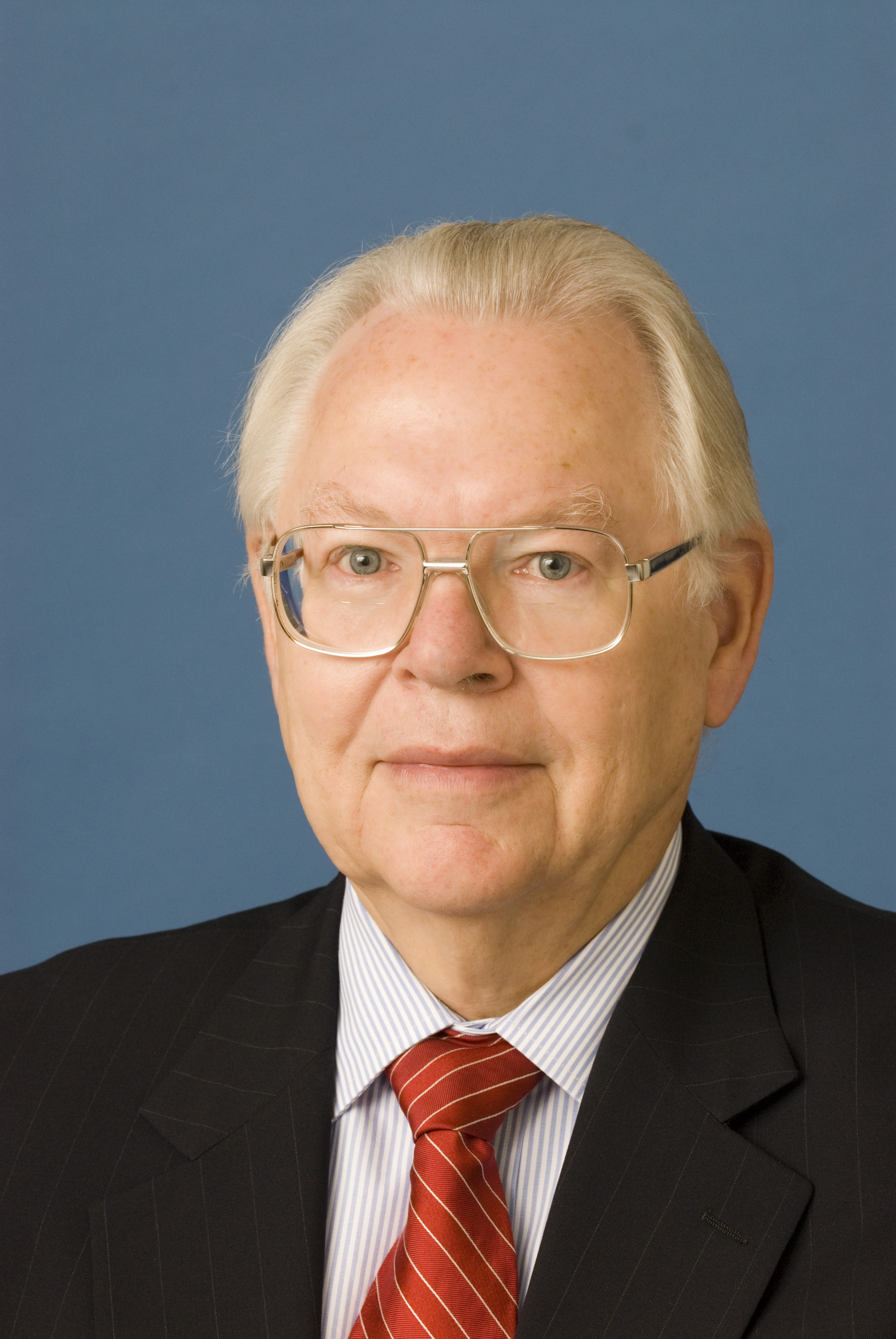
Nonresident Senior Fellow, Russia and Eurasia Program; Diplomat in Residence
Ambassador Collins was the U.S. ambassador to the Russian Federation from 1997 to 2001 and is an expert on the former Soviet Union, its successor states, and the Middle East.
Dimitri Simes
Dimitri Simes is President of the Center for the National Interest.
Carnegie does not take institutional positions on public policy issues; the views represented herein are those of the author(s) and do not necessarily reflect the views of Carnegie, its staff, or its trustees.

The nuclear relationship between China and the United States is increasingly shaped by widening perception gaps rather than deliberate strategic design.

Tong Zhao

But their "principal to principal" model will only be as effective as the political strength of each leader back home.

Damien Ma

U.S. unpredictability has allowed China to capitalize on its positioning as the “responsible great power”. Paradoxically, the more China wins the perception game, the more likely expectations will rise for Beijing to deliver not just words but to demonstrate with its deeds.

Chong Ja Ian

Hanoi and Beijing have long treated each other as distant cousins rather than comrades in arms. That might be changing as both sides draw closer to hedge against uncertainty and America’s erratic behavior.

Nguyễn Khắc Giang

Across Asia, China is better positioned to withstand energy shocks from the fallout of the Iran war. Its abundant coal capacity can ensure stability in the near term. Yet at the same time, the country’s energy transition away from coal will make it even less vulnerable during the next shock.
Damien Ma