

Q&A
Christopher Boucek
{
  "authors": [
    "Christopher Boucek"
  ],
  "type": "legacyinthemedia",
  "centerAffiliationAll": "dc",
  "centers": [
    "Carnegie Endowment for International Peace"
  ],
  "collections": [],
  "englishNewsletterAll": "menaTransitions",
  "nonEnglishNewsletterAll": "",
  "primaryCenter": "Carnegie Endowment for International Peace",
  "programAffiliation": "MEP",
  "programs": [
    "Middle East"
  ],
  "projects": [],
  "regions": [
    "Middle East",
    "Yemen"
  ],
  "topics": [
    "Political Reform",
    "Security",
    "Foreign Policy"
  ]
}
Source: Getty
Yemen’s mounting security and economic issues require an international approach. Ultimately, aid to Yemen must address the long term stability issues the country is facing, not just American or regional security concerns.
Source: C-SPAN's Washington Journal
Yemen faces a unique set of problems that are set to converge at the same time. The country is quickly running out of money, oil (which provides 80% of its income), and water. Sana’a, the capital of Yemen, may be the first modern capital to run out of water. The population is set to double in 20 years and unemployment is at 35 percent, on par with Great Depression numbers. All of these economic issues are exacerbated by rampant corruption and inflation. Moreover, Yemen faces major security challenges from a civil war in the north, a secessionist movement in the south, and a resurgent al-Qaeda.
The weak central government in Yemen does not have full control over all the territory in the country and it is in these under governed places that al-Qaeda has taken refuge, according to Christopher Boucek. Although al-Qaeda has recently become resurgent in the troubled country, ultimately these “long term economic issues will sink Yemen, not al-Qaeda,” notes Boucek. Boucek suggests that “Yemen’s problems need an international solution, there is not a solely American or regional solution” to the multiple problems the country faces.

Former Associate, Middle East Program
Boucek was an associate in the Carnegie Middle East Program where his research focused on security challenges in the Arabian Peninsula and Northern Africa.
Recent Work
Christopher Boucek
Christopher Boucek, Karim Sadjadpour
Carnegie does not take institutional positions on public policy issues; the views represented herein are those of the author(s) and do not necessarily reflect the views of Carnegie, its staff, or its trustees.

China’s political future will be shaped between now and next October. As the Communist Party enters its intense “campaign season” to prepare for a major political transition in 2027, reading Beijing's actions and responses may become more difficult as domestic politics weigh on its behavior more than usual.

Damien Ma
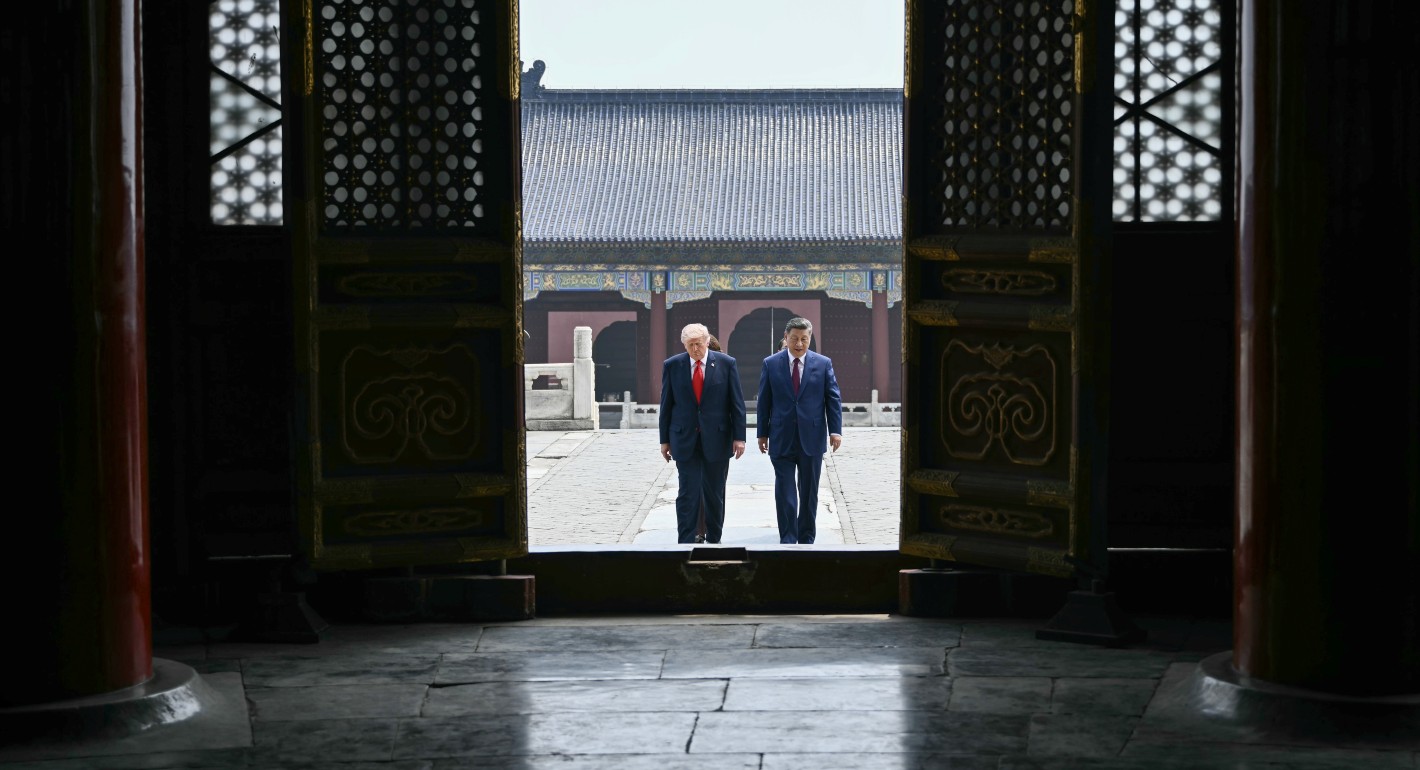
But their "principal to principal" model will only be as effective as the political strength of each leader back home.
Damien Ma
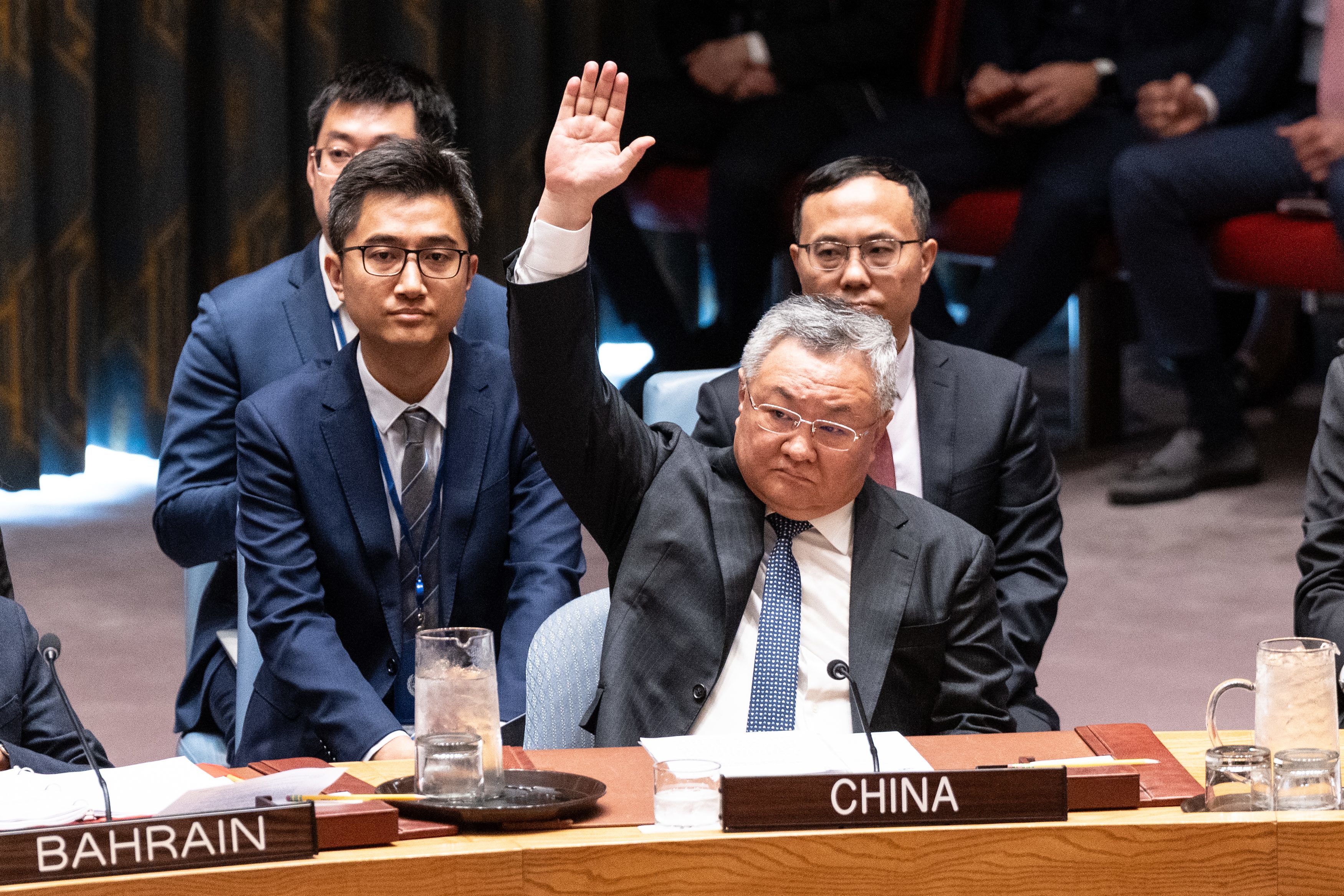
U.S. unpredictability has allowed China to capitalize on its positioning as the “responsible great power”. Paradoxically, the more China wins the perception game, the more likely expectations will rise for Beijing to deliver not just words but to demonstrate with its deeds.

Chong Ja Ian
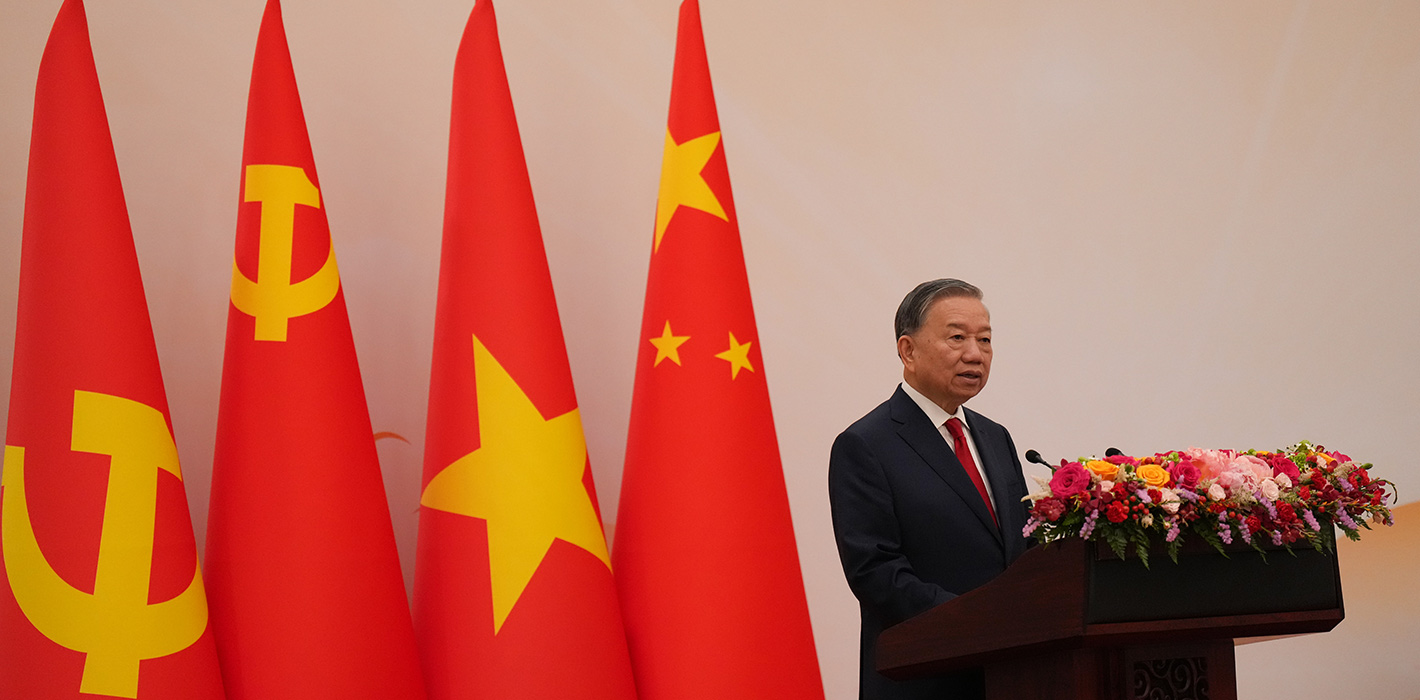
Hanoi and Beijing have long treated each other as distant cousins rather than comrades in arms. That might be changing as both sides draw closer to hedge against uncertainty and America’s erratic behavior.
Nguyễn Khắc Giang
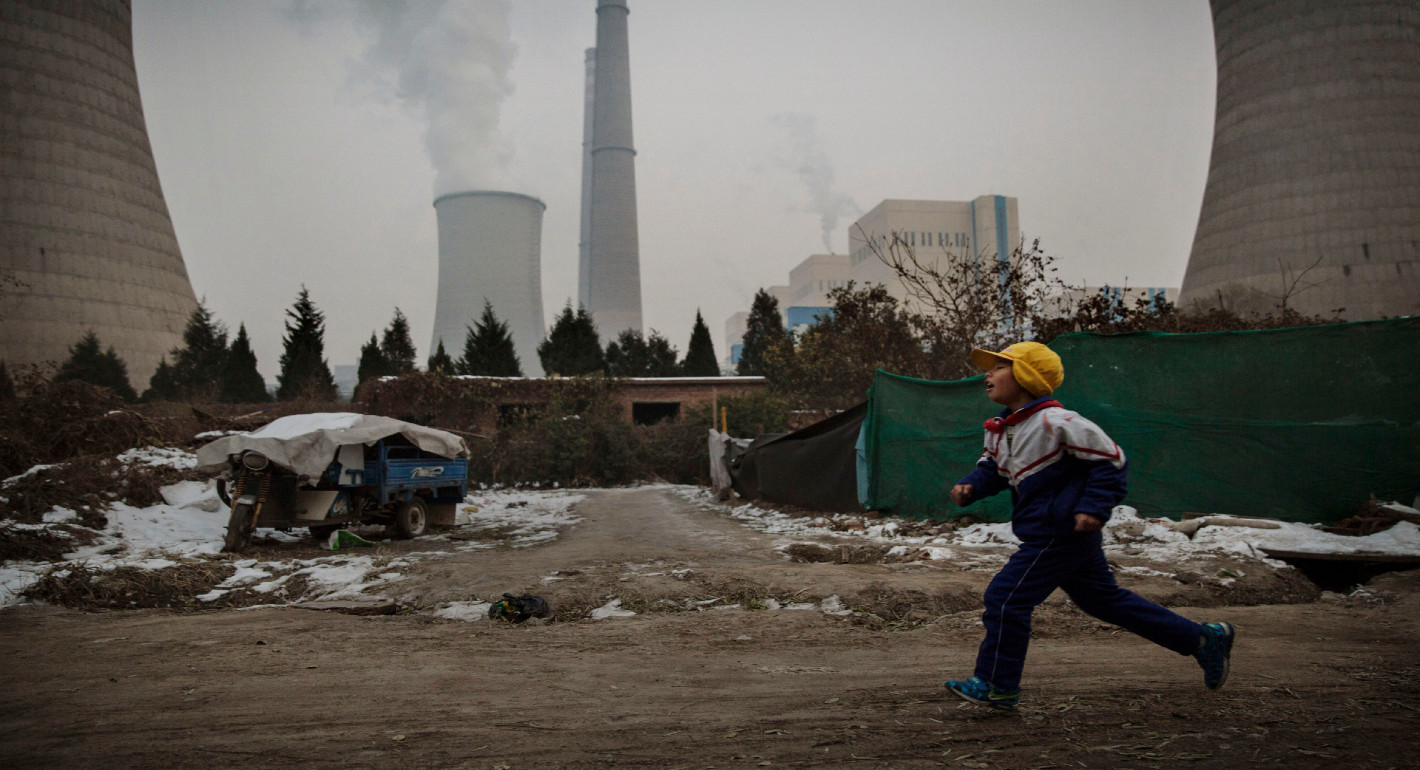
Across Asia, China is better positioned to withstand energy shocks from the fallout of the Iran war. Its abundant coal capacity can ensure stability in the near term. Yet at the same time, the country’s energy transition away from coal will make it even less vulnerable during the next shock.
Damien Ma