

Paper
Paul Salem
{
  "authors": [
    "Paul Salem"
  ],
  "type": "legacyinthemedia",
  "centerAffiliationAll": "",
  "centers": [
    "Carnegie Endowment for International Peace",
    "Carnegie Europe",
    "Malcolm H. Kerr Carnegie Middle East Center"
  ],
  "collections": [
    "Arab Awakening"
  ],
  "englishNewsletterAll": "",
  "nonEnglishNewsletterAll": "",
  "primaryCenter": "Malcolm H. Kerr Carnegie Middle East Center",
  "programAffiliation": "",
  "programs": [],
  "projects": [],
  "regions": [
    "Egypt",
    "Gulf",
    "Levant",
    "Maghreb",
    "Yemen",
    "Lebanon",
    "Syria",
    "Iraq",
    "Tunisia",
    "Morocco",
    "Libya",
    "Middle East",
    "North Africa"
  ],
  "topics": [
    "Political Reform",
    "Democracy"
  ]
}
Source: Getty
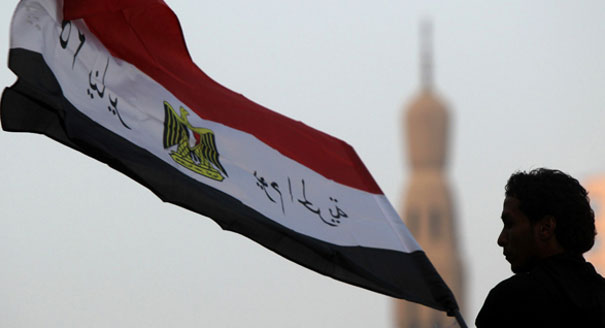
Six months after the outbreak of protest in Tunisia, the Arab world has already been transformed. If Egypt succeeds in building a stable and open democracy, its example will have a significant impact on the rest of the region.
Source: Ahram Online

Egypt, as the largest and most central country in the Arab world, might be the bellwether for the future: if it succeeds in building a stable and open democracy, that example will cast a long shadow in the rest of the Arab world. If Egypt falters and fails, the wave of democratisation might be reversed in the face of conservative and authoritarian forces. Some have compared the case of Egypt to that of Poland in the late 1980s. The success of Poland eventually facilitated the democratic turn of most of Central and Eastern Europe. Had the Polish solidarity uprising failed, Central and Eastern Europe might be a different place today.
After a recent visit to Egypt I came away reassured that despite numerous challenges and obstacles, the country appears on course to holding credible parliamentary and presidential elections and drafting a new constitution. Of course, elections and constitutions do not represent the sum total of democratisation, but they are critical elements. The level of pride and commitment to the democratic goals expressed in Tahrir Square has become part of the national identity in present day Egypt, and is likely to have a strong effect for years to come. The army will continue to have strong influence in the new Egypt, as will political and business figures linked to the old regime, and the Muslim Brotherhood, but these will have to compete for influence in a more open, pluralist and accountable political system.
In Tunisia, the transition to democracy also appears on course despite disagreement over the date of upcoming elections and tension among some of the country’s political forces. But the elections will go ahead and will lead to the drafting of a new constitution before holding fresh parliamentary and presidential elections and the establishment of a new political order in Tunisia.
In Egypt and Tunisia, the main challenges might actually be more economic than political. Both countries are facing the problems of drops in tourism and investment while government spending to respond to social needs is rising. New economic policies and significant economic recovery might take up to a couple of years to begin; in the meantime, these governments face large budget deficits and large demands for jobs and economic growth. Hence, the pledges of support from the international and Arab community have been timely and important. The G8 has promised $20 billion in loans. The International Monetary Fund will make available up to $35 billion in new loans to the oil-importing countries of the region; the World Bank will offer $6 billion in budget support and project aid to Egypt and Tunisia, with some additional funding from the African Development Bank; the European Bank for Reconstruction and Development hopes to begin investing up to $3.5 billion a year in the region; Qatar has promised $10 billion in aid to Egypt, and Saudi Arabia has promised $4 billion. With proper leadership, both Egypt and Tunisia might be able to balance a political transition with reasonable economic growth, thus reinforcing the power of their example to other countries.
In Libya, Yemen and Syria, the winds of change are blowing hard. Colonel Gaddafi might hold on for a few months longer, but the new Libya will eventually be formed without him. It will be based on the agreement of its people who, despite regional and tribal pluralism, will only accept a democratic framework for their new political system. In Yemen, the framework for transition has already been negotiated, and Saleh’s medical evacuation might have provided the scenario for such a transition. In Syria, the attempt to put down protests by force has failed, and parts of the country appear to be drifting outside of the regime’s control. Even Syria’s closest friends are telling it that it has to enter into political negotiations with the opposition about a serious transition away from authoritarian dictatorship towards a more democratic and open political system, or face the risk of civil war or state collapse.
Of the authoritarian republics, only Algeria with its large oil and gas revenues has been able to manage the wave of protests with a combination of public outlays and minor reform, although even there protests might erupt again after the Libyan situation calms down. Sudan is mired in its own conflicts between the north and south over oil resources in the run up to the actual independence of the south, and seems little affected by the wave of change.
Unfortunately, the Arab countries that already had a measure of democracy, Iraq and Lebanon, are mired in sectarian and ethnic divisions and have not even been able to put together effective governments. In a way, they have given democracy a bad name, and one hopes that Egypt and Tunisia, having less divided populations, will be more successful.
The wave of change has had a massive, although negative, impact on the region’s monarchies. The Gulf Cooperation Council (GCC) moved quickly to quell protest movements in Bahrain, and has offered Jordan and Morocco membership in the GCC in an attempt to prevent a drift towards constitutional monarchy. Jordan will certainly strengthen its ties with the GCC, with consequences on the pace and extent of reform there; but Morocco is likely to continue along its own path, given its distance from the Arab Gulf, and its ties to Europe and other North African countries. The king in Morocco has promised significant constitutional reforms that will take Morocco a step closer to constitutional monarchy.
By next year, we will likely have a very different North Africa, with two new democracies taking root in Egypt and Tunisia; a possible transition toward unity and democracy in Libya; and constitutional change in Morocco. In the Arab east, the GCC will have strengthened its ties to Jordan, but Yemen and Syria might be transitioning towards post-authoritarian systems, thus joining Iraq, Turkey and Lebanon as countries that have moved beyond authoritarian government.
The GCC is a strong economic force for the region, but so far has regarded citizens’ calls for more participation in a negative light. But the GCC has its own problems as well, with many still living under the poverty line, a shrinking middle class, high levels of corruption, and a massive young population that is thoroughly engaged in the aspirations of the Arab Spring. Allowing wider liberties and more political participation will strengthen not weaken the stability of GCC states, and allowing more transparency and accountability will lead to more robust economic growth. The political and socio-economic pressures might eventually prove to be strongest in Saudi Arabia.
Six months after his act of martyrdom, Mohammad Bouazizi can be satisfied that his sacrifice has borne fruit. The spirit of change has animated citizens throughout the entire region. Let us hope that more leaders choose a path towards positive change and reform, and avoid the dangers of denying the need for it.
Senior Fellow at the Middle East Institute
Paul Salem is a senior fellow at the Middle East Institute.
Recent Work
Paul Salem
Paul Salem
Carnegie does not take institutional positions on public policy issues; the views represented herein are those of the author(s) and do not necessarily reflect the views of Carnegie, its staff, or its trustees.
The advantage that China has over other global powers, especially America, is that its foreign policy is closely aligned with those of many of the Middle Eastern countries.


Jin Liangxiang, Maha Yahya, Hesham Alghannam

Transactional relationships are stable but can be shallow.


Paul Haenle, Maha Yahya, Benjamin Ho, …
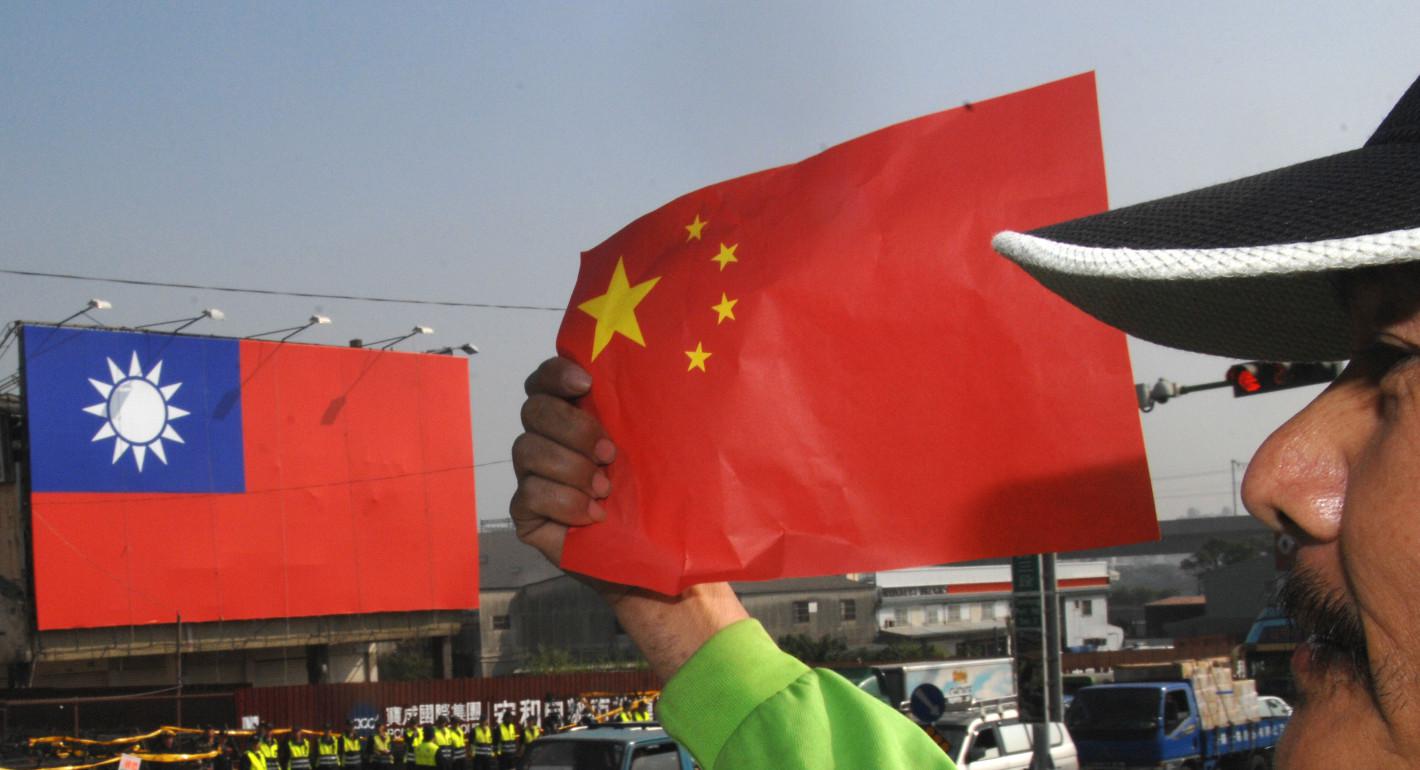
Beijing says that over 180 countries accept its “one China principle” regarding Taiwan, but the reality is more complicated.

Chong Ja Ian
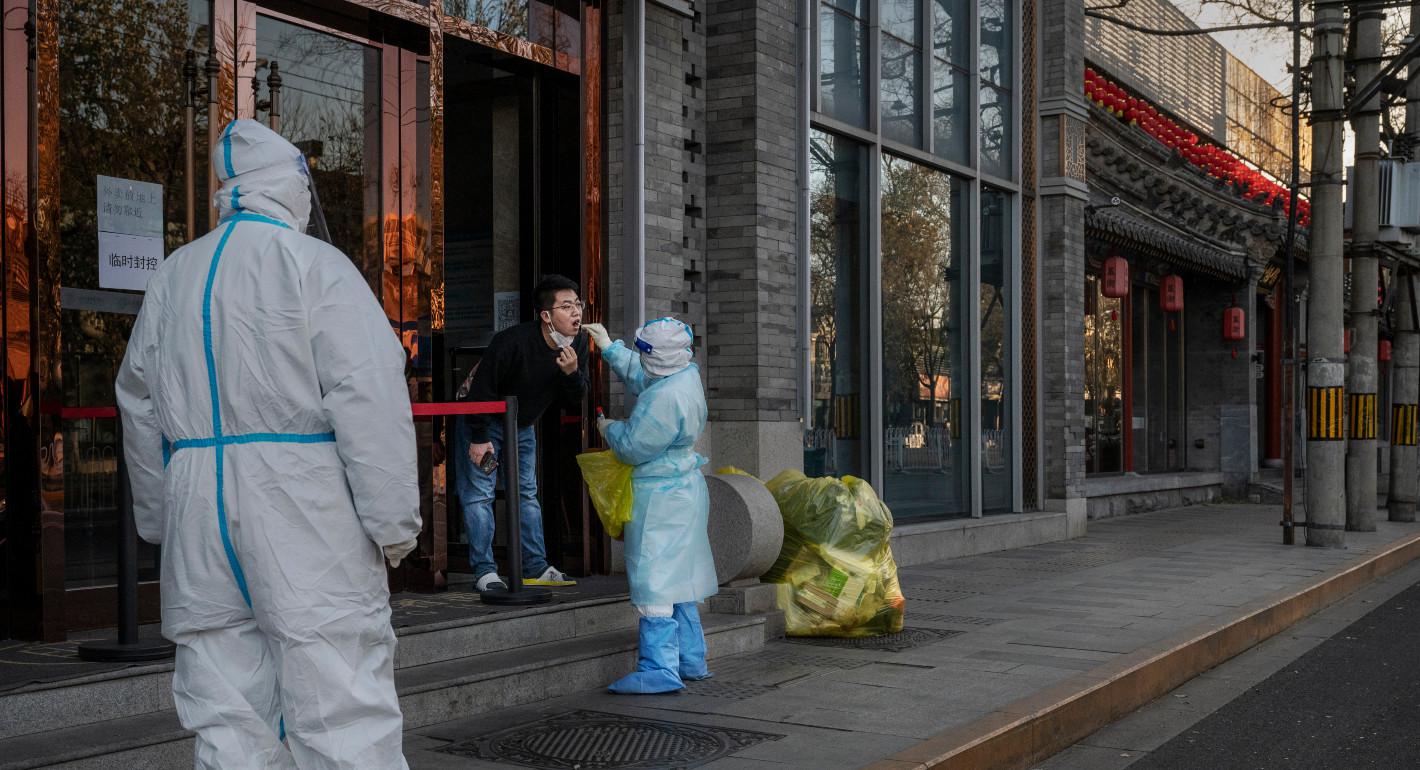
Beijing must choose between preserving its pandemic narrative or facing more unrest.
Paul Haenle

It’s about managing oil prices, bread prices, and strategic partnerships.



Amr Hamzawy, Karim Sadjadpour, Aaron David Miller, …