

Commentary
Judy Dempsey
{
  "authors": [
    "Judy Dempsey"
  ],
  "type": "legacyinthemedia",
  "centerAffiliationAll": "dc",
  "centers": [
    "Carnegie Endowment for International Peace",
    "Carnegie Europe"
  ],
  "collections": [
    "EU Integration and Enlargement"
  ],
  "englishNewsletterAll": "ctw",
  "nonEnglishNewsletterAll": "",
  "primaryCenter": "Carnegie Europe",
  "programAffiliation": "EP",
  "programs": [
    "Europe"
  ],
  "projects": [],
  "regions": [
    "Europe",
    "Western Europe",
    "Germany",
    "Iran"
  ],
  "topics": [
    "EU"
  ]
}
Source: Getty
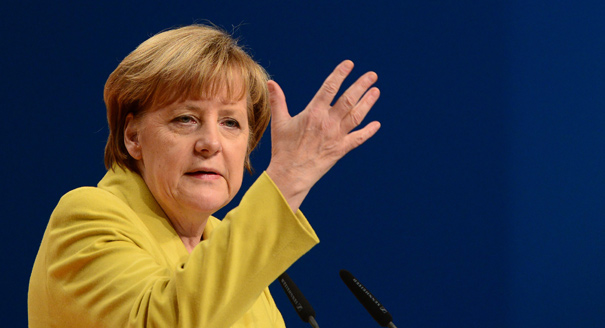
If Germany gets too strong, it will be isolated. But if it is not strong enough, it can’t lead.
Source: Deutsche Welle
Europe is facing unprecedented challenges: the financial crisis, the refugee crisis, and the Ukraine crisis. To overcome those challenges, Europe needs leadership. Some are looking to Germany. Others, though, are worried that Berlin is becoming too powerful.
Speaking to Deutsche Welle’s Quadriga, Judy Dempsey was asked to comment on Germany’s role in Europe. She was joined by Alan Posener, commentator at Die Welt, and Ursula Weidenfield, business journalist.

Nonresident Senior Fellow, Carnegie Europe
Judy Dempsey is a nonresident senior fellow at Carnegie Europe
Recent Work
Judy Dempsey
Judy Dempsey
Carnegie does not take institutional positions on public policy issues; the views represented herein are those of the author(s) and do not necessarily reflect the views of Carnegie, its staff, or its trustees.
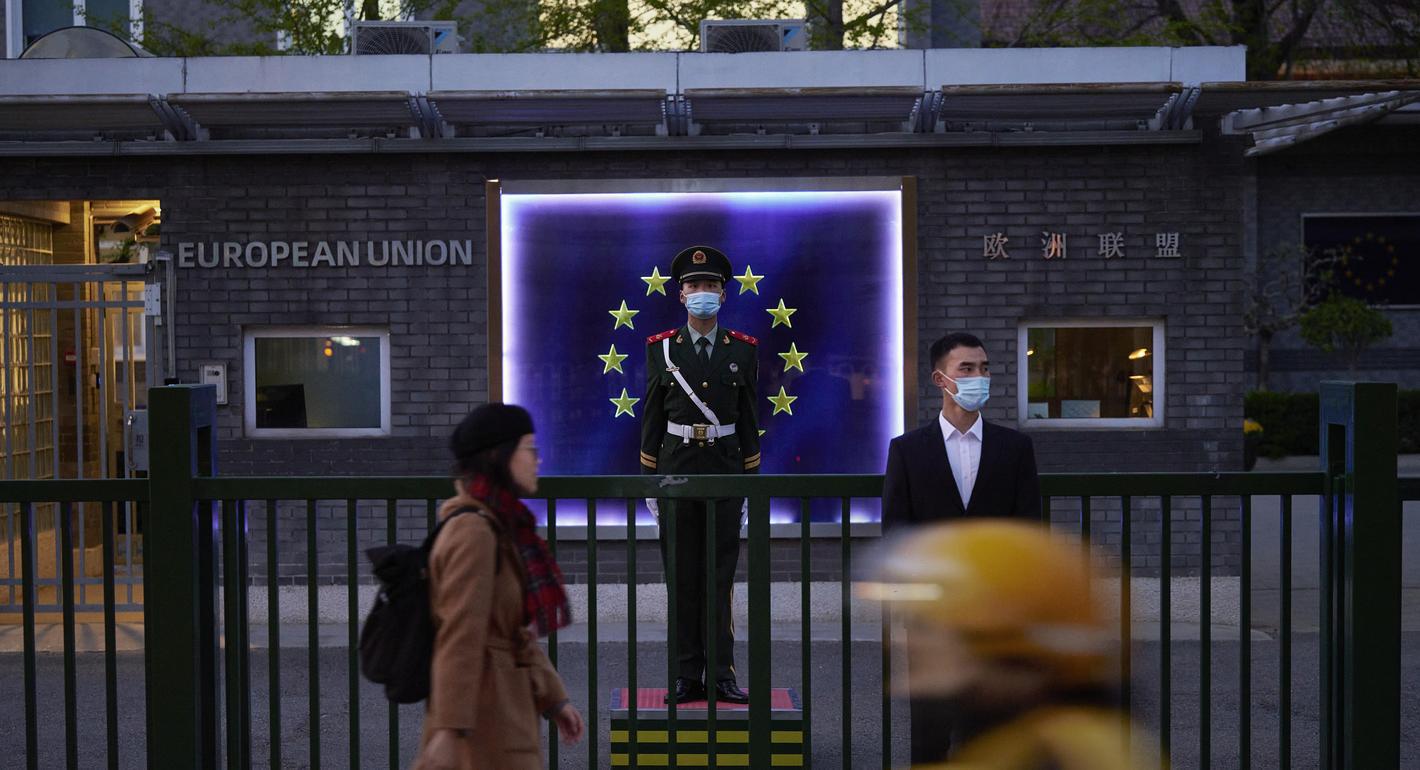
The Russian invasion of Ukraine is a turning point in the EU-China relationship, and evolution of the China-Russia relationship will continue to impact EU-China relations.

Yifan Ding, Alice Ekman
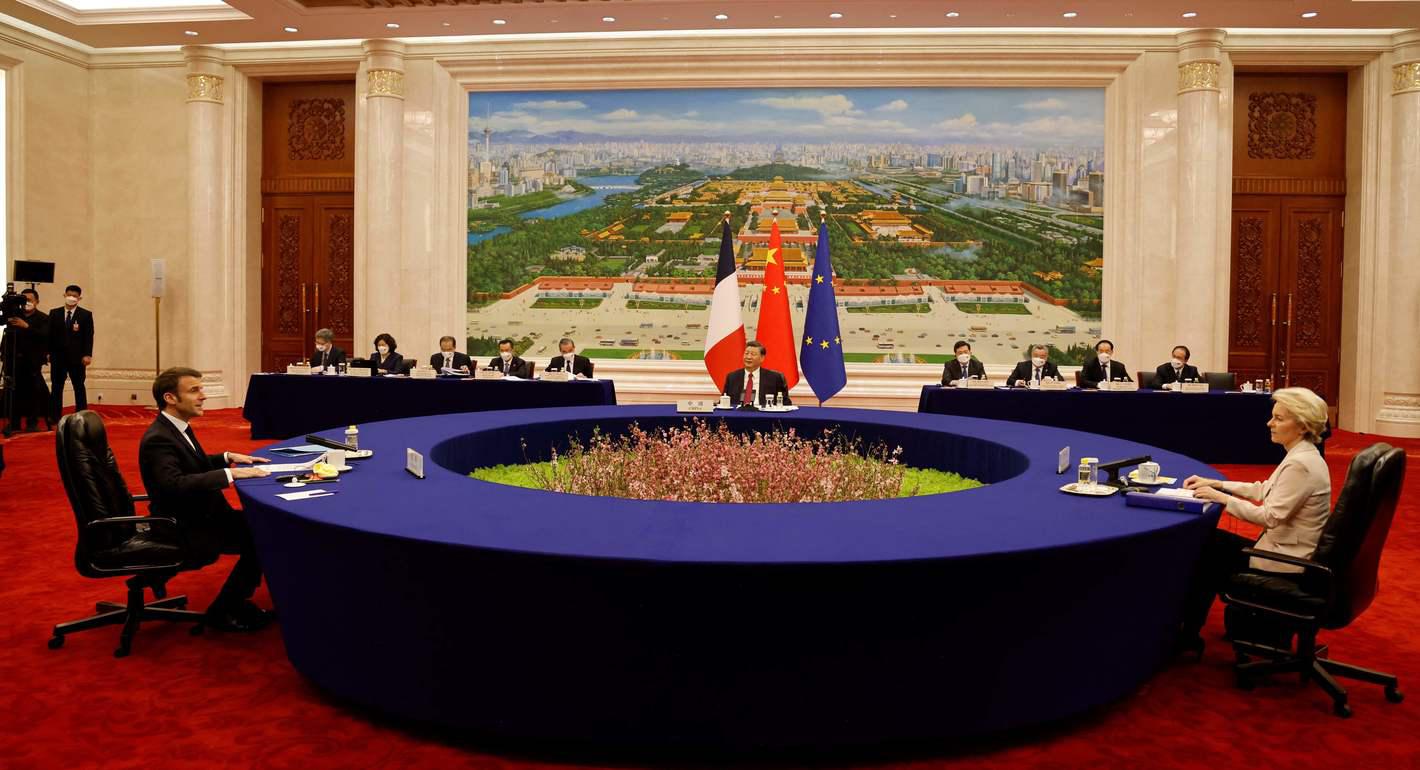
Recent visits by European officials highlight the EU’s lack of internal cohesion.



Paul Haenle, Chan Heng Chee, Liu Yawei, …
“It’s not so clear how we’re going to get out of this.”
Paul Haenle, Philippe Le Corre

It’s about managing oil prices, bread prices, and strategic partnerships.



Amr Hamzawy, Karim Sadjadpour, Aaron David Miller, …

With the potential of enabling not only significant economic growth but also the innovation of critical technologies in various fields, both the United States and China view 5G as one of the key influencing factors in the “great power competition.”
Lyu Jinghua