

Commentary
Maha Yahya
{
  "authors": [
    "Maha Yahya"
  ],
  "type": "legacyinthemedia",
  "centerAffiliationAll": "dc",
  "centers": [
    "Carnegie Endowment for International Peace",
    "Malcolm H. Kerr Carnegie Middle East Center"
  ],
  "collections": [],
  "englishNewsletterAll": "menaTransitions",
  "nonEnglishNewsletterAll": "",
  "primaryCenter": "Malcolm H. Kerr Carnegie Middle East Center",
  "programAffiliation": "MEP",
  "programs": [
    "Middle East"
  ],
  "projects": [],
  "regions": [
    "Iran",
    "Levant",
    "Syria",
    "Iraq",
    "Middle East"
  ],
  "topics": [
    "Political Reform"
  ]
}
Source: Getty
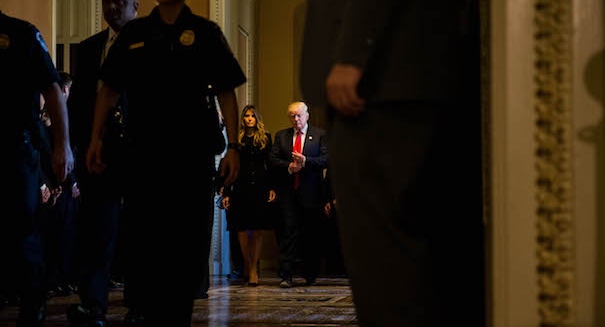
Trump's proposed heavy handed foreign policy could lead to a rise in radicalization globally.
Source: Al Jazeera
Carnegie Middle East Center's Director Maha Yahya joined Al Jazeera's Inside Story with Martine Dennis, alongside J.D. Gordon, national security and foreign policy adviser to Donald Trump, and Samer Shehata, associate professor of politics and international relations at the Doha Institute for Graduate Studies, to discuss US president-elect Donald Trump's stances on Syria, ISIL, and Iran. Yahya argued that Trump's proposed strategy of increased bombing of ISIL targets without regards to civilian lives is severely misguided and will only increase the threat of radicalization and terrorism globally. Yahya stated that eliminating ISIL means looking at the root causes of the group and working with the Iraqi government and US allies.
According to Yahya, rivalries between and the radicalization of Sunni and Shia communities and polarization between Saudi Arabia and Iran did not happen because strongmen in the region were removed but because how these strongmen ruled the region. She also noted that the US and its allies do have boots on the ground fighting ISIS. Maintaining Assad is not a viable solution for peace and could be fodder for more radicalization. Also Yahya pointed out that US-Russian cooperation should focus on local governance in Syria. On the topic of the Arab-Israeli conflict, Yahya argued that Trump's proposition to move the US embassy in Israel from Tel Aviv to Jerusalem and declare Jerusalem as the capital of Israel could spur a third intifada.

Director, Malcolm H. Kerr Carnegie Middle East Center
Maha Yahya is director of the Malcolm H. Kerr Carnegie Middle East Center, where her research focuses on citizenship, pluralism, and social justice in the aftermath of the Arab uprisings.
Recent Work
Maha Yahya
Maha Yahya
Carnegie does not take institutional positions on public policy issues; the views represented herein are those of the author(s) and do not necessarily reflect the views of Carnegie, its staff, or its trustees.
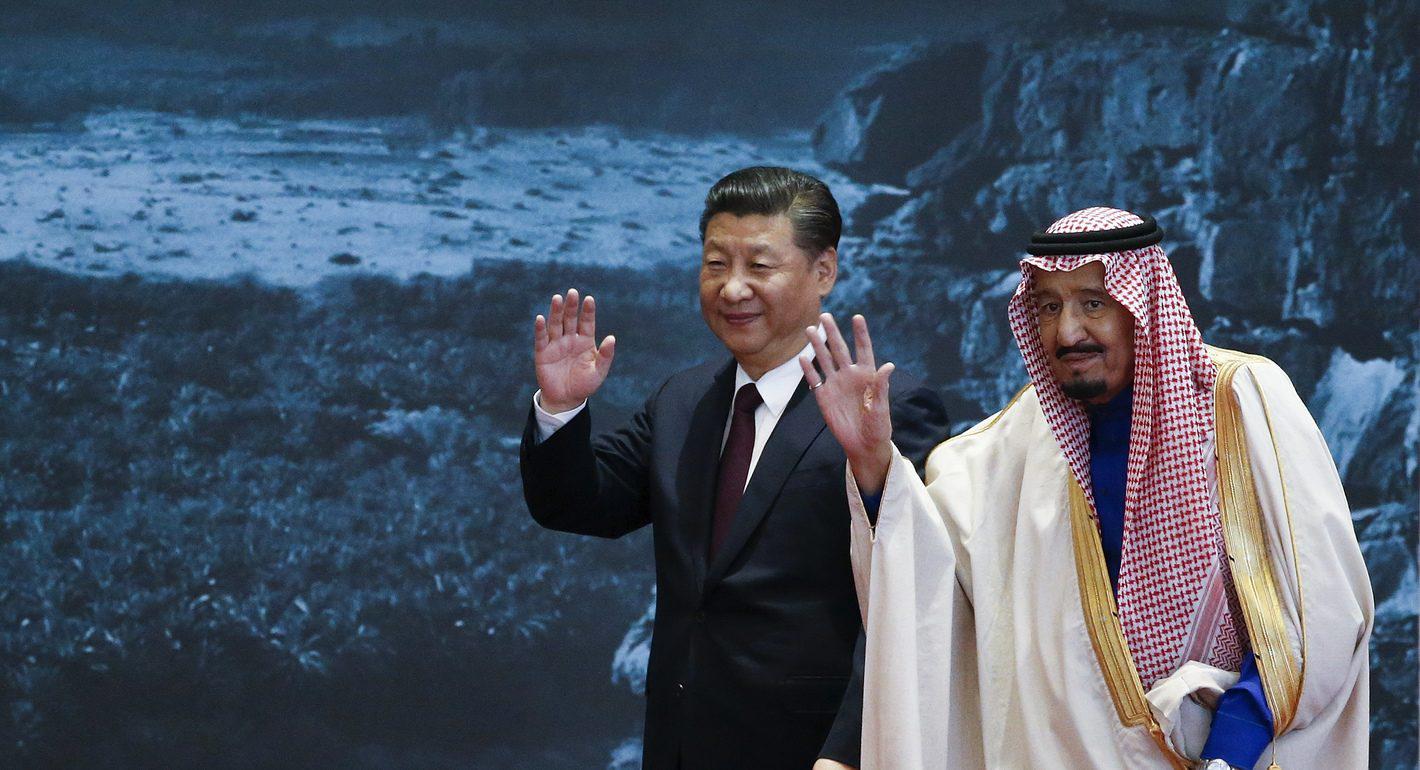
The advantage that China has over other global powers, especially America, is that its foreign policy is closely aligned with those of many of the Middle Eastern countries.

Jin Liangxiang, Maha Yahya, Hesham Alghannam
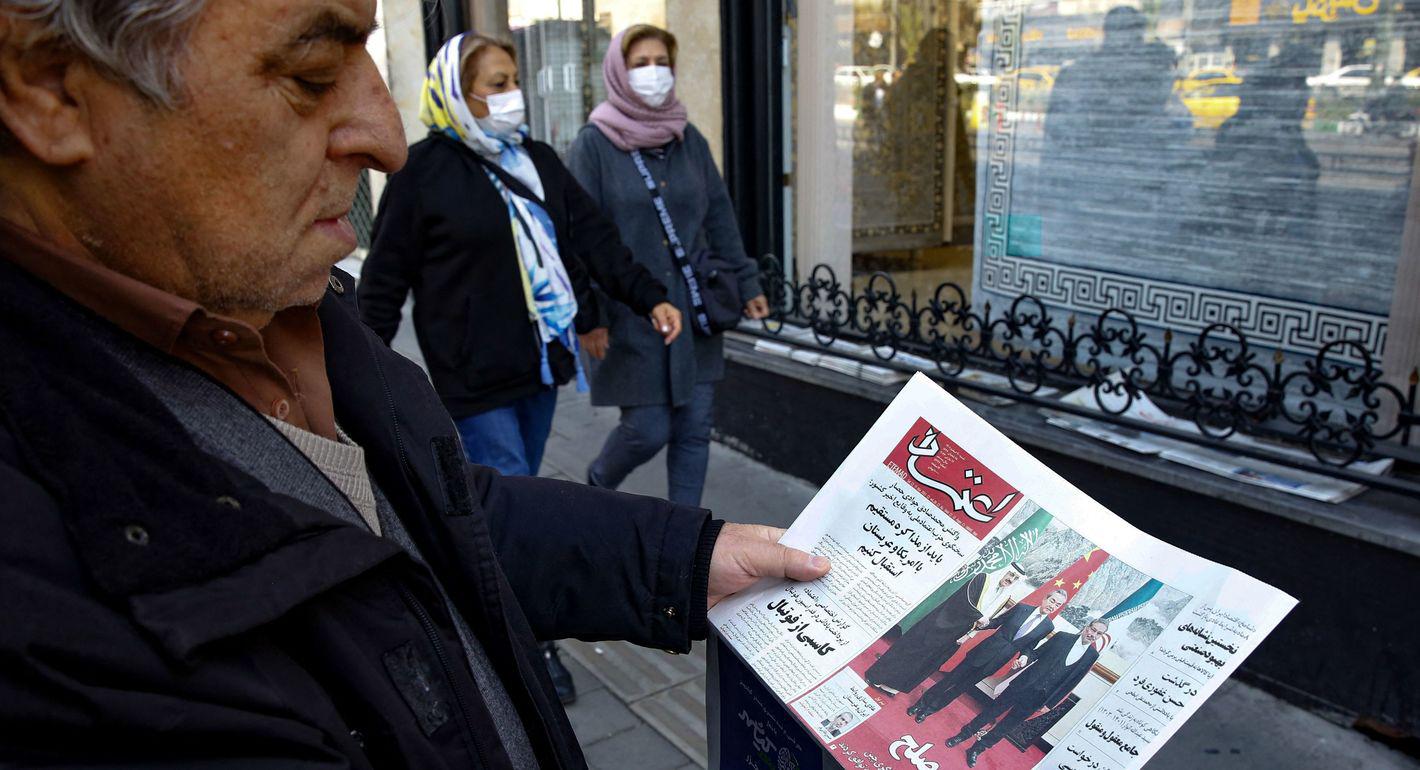
Transactional relationships are stable but can be shallow.

Paul Haenle, Maha Yahya, Benjamin Ho, …
“It’s not so clear how we’re going to get out of this.”
Paul Haenle, Philippe Le Corre
It’s about managing oil prices, bread prices, and strategic partnerships.



Amr Hamzawy, Karim Sadjadpour, Aaron David Miller, …

With the potential of enabling not only significant economic growth but also the innovation of critical technologies in various fields, both the United States and China view 5G as one of the key influencing factors in the “great power competition.”
Lyu Jinghua