

Commentary
The Thai-Cambodian conflict highlights the limits to China's peacemaker ambition and the significance of this role on Southeast Asia’s balance of power.
Pongphisoot (Paul) Busbarat
{
  "authors": [
    "Yezid Sayigh",
    "Eleonora Ardemagni"
  ],
  "type": "other",
  "centerAffiliationAll": "dc",
  "centers": [
    "Carnegie Endowment for International Peace",
    "Malcolm H. Kerr Carnegie Middle East Center"
  ],
  "collections": [
    "Civil-Military Relations in Arab States"
  ],
  "englishNewsletterAll": "menaTransitions",
  "nonEnglishNewsletterAll": "",
  "primaryCenter": "Malcolm H. Kerr Carnegie Middle East Center",
  "programAffiliation": "MEP",
  "programs": [
    "Middle East"
  ],
  "projects": [],
  "regions": [
    "Gulf",
    "Levant",
    "Yemen",
    "Lebanon",
    "Syria",
    "Iraq",
    "Middle East"
  ],
  "topics": [
    "Political Reform",
    "Security"
  ]
}
Source: Getty
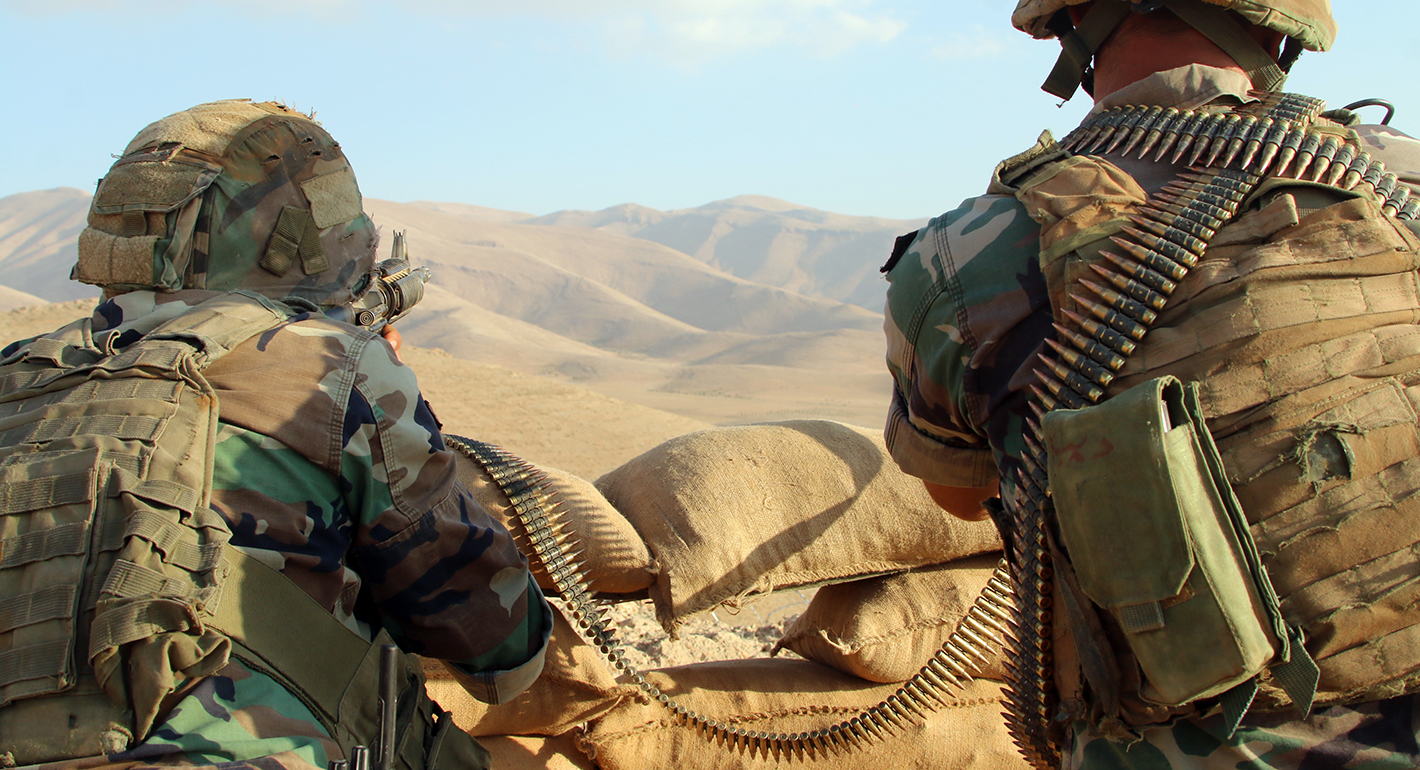
The hybridization of security governance in Lebanon, Syria, Iraq and Yemen leaves them with forms of sovereignty that are both constrained and constantly contested.
Source: Italian Institute for International Political Studies
Defense and security sectors in the Arab states have been undergoing significant, and sometimes radical, transformation as a result of local rebellions and civil wars, state crisis and fracturing, and external intervention since the start of the 21st century. In Lebanon, Syria, Iraq and Yemen, unfamiliar and fluid coalitions of national armed forces (or their remnants) and armed non-state actors are increasingly engaged in complex patterns of de-confliction, coexistence, and cooperation embedded within a wider context of persistent competition among them and of geopolitical rivalry between an array of external backers. A joint effort of the Italian Institute for International Political Studies (ISPI) and the Program on Civil-Military Relations in Arab States (CMRAS) of the Carnegie Middle East Center, this dossier explores how the resulting hybridization of security governance in these countries leaves them with forms of sovereignty that are both constrained and constantly contested.
Hybridizing Security: Armies, Militias and Constrained Sovereignty, Yezid Sayigh, Carnegie Middle East Center
The Lebanese Armed Forces and Hezbollah: Military Dualism in Post-War Lebanon, Aram Nerguizian, Carnegie Middle East Center
Legacies of Survival: Syria's Uncomfortable Security Hybridity, Abdulla M. Erfan, Geneva Centre for Security Policy
The Osmotic Path: The PMU and The Iraqi State, Riccardo Redaelli, Catholic University of Milan
Patchwork Security: The New Face of Yemen’s Hybridity, Eleonora Ardemagni, ISPI
Armies, Militias and (Re)-Integration in Fractured States, Frederic Wehrey, Carnegie Endowment for International Peace

Senior Fellow, Malcolm H. Kerr Carnegie Middle East Center
Yezid Sayigh is a senior fellow at the Malcolm H. Kerr Carnegie Middle East Center in Beirut, where he leads the program on Civil-Military Relations in Arab States (CMRAS). His work focuses on the comparative political and economic roles of Arab armed forces, the impact of war on states and societies, the politics of postconflict reconstruction and security sector transformation in Arab transitions, and authoritarian resurgence.
Eleonora Ardemagni
Carnegie does not take institutional positions on public policy issues; the views represented herein are those of the author(s) and do not necessarily reflect the views of Carnegie, its staff, or its trustees.
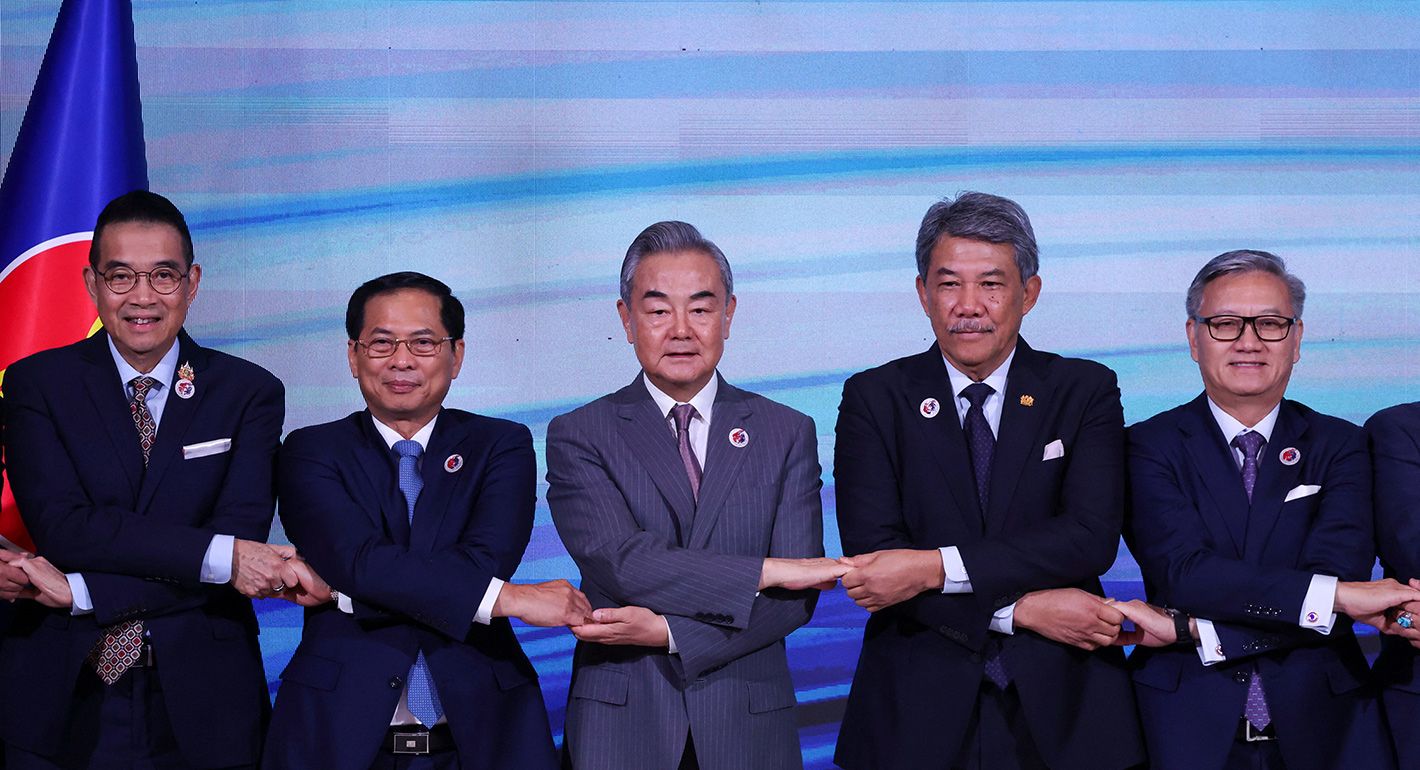
The Thai-Cambodian conflict highlights the limits to China's peacemaker ambition and the significance of this role on Southeast Asia’s balance of power.

Pongphisoot (Paul) Busbarat
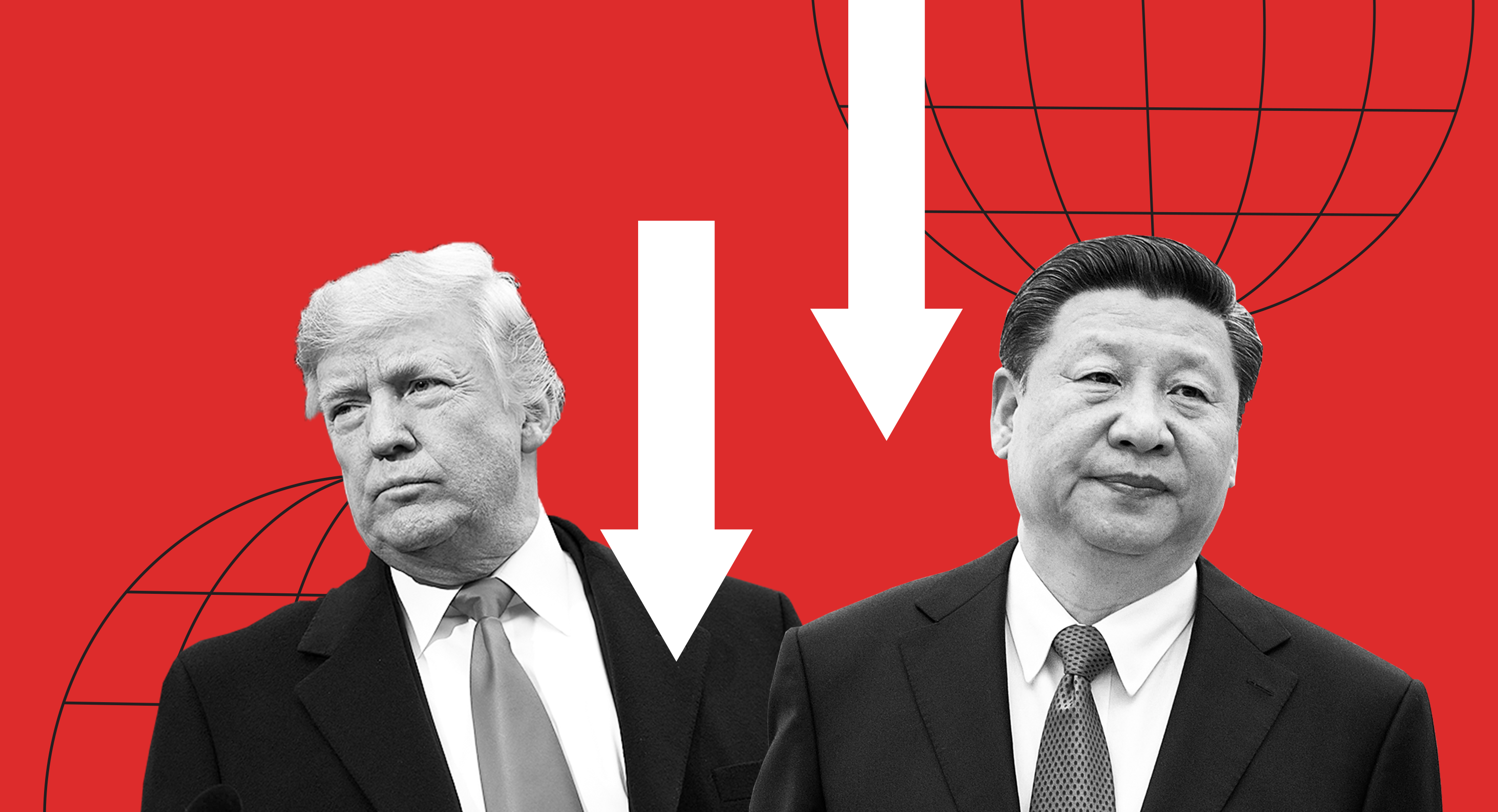
Beijing believes that Washington is overestimating its own leverage and its ability to handle the trade war’s impacts.


Rick Waters, Sheena Chestnut Greitens
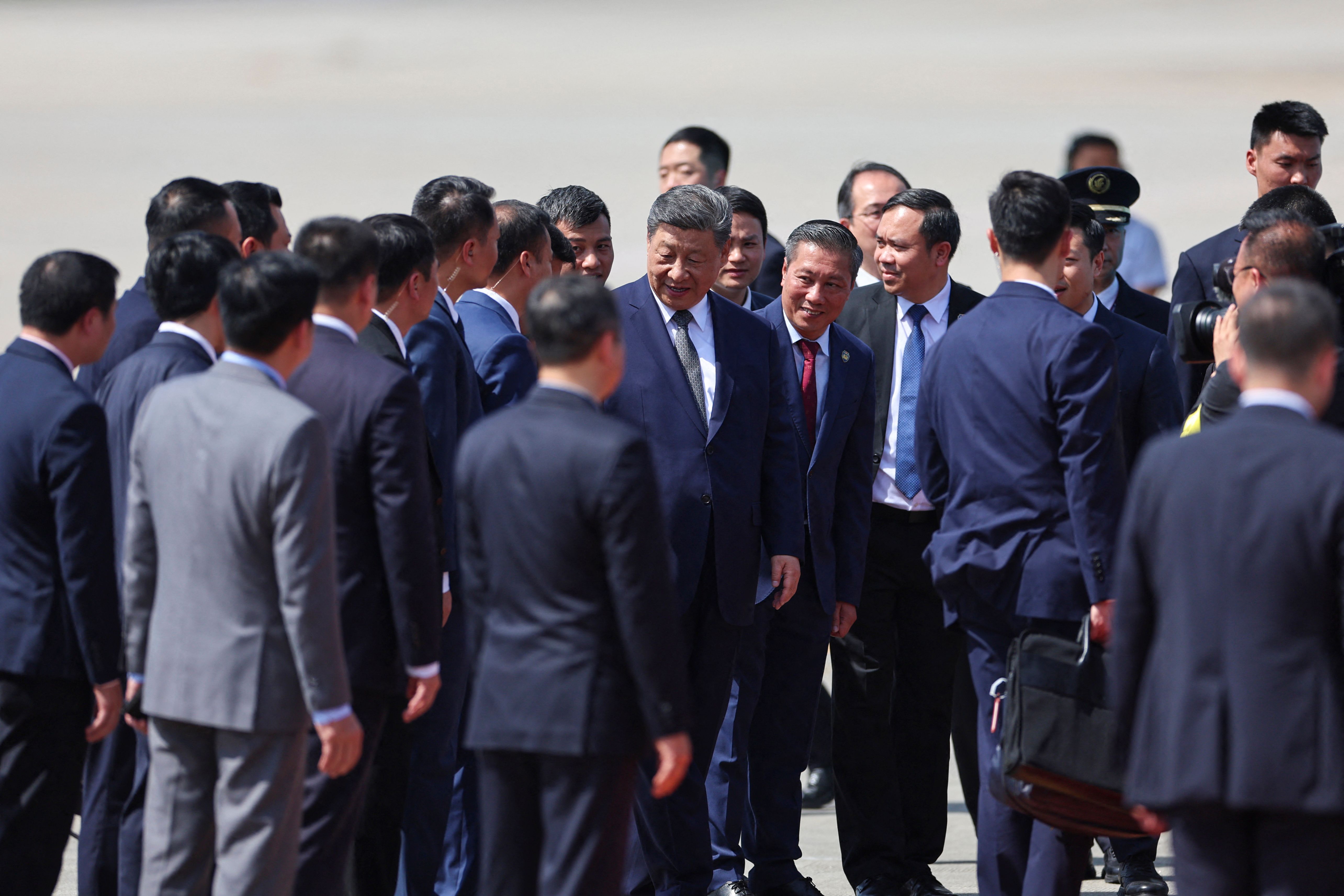
Tapping our network of China experts in the region, Carnegie China offers this latest “China Through a Southeast Asian Lens” report to offer preliminary assessments of whether the U.S. effort to reshape the global trading order will lead countries in the region to tilt toward Beijing.



Selina Ho, Khin Khin Kyaw Kyee, Joseph Ching Velasco, …
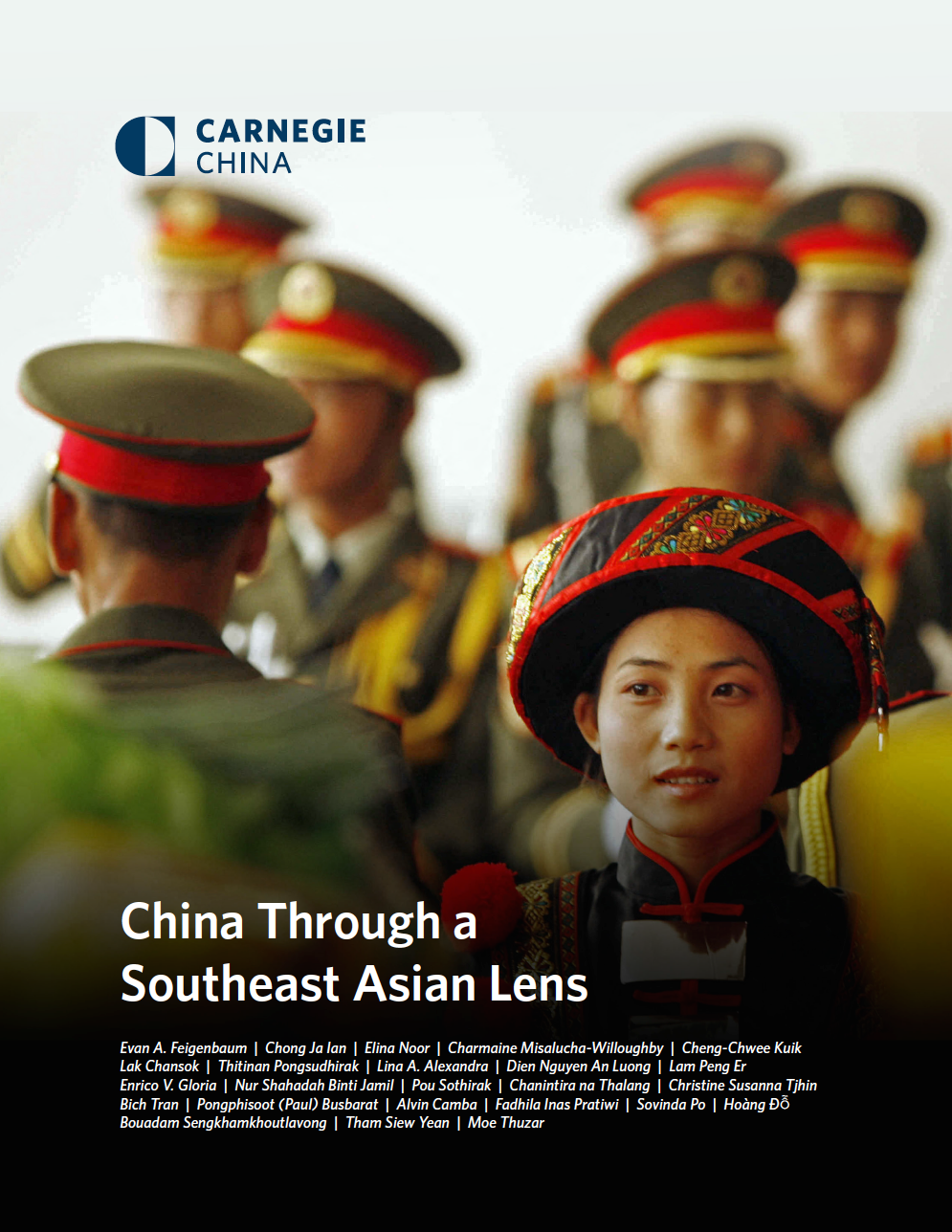
Because strategic, economic, and ideological perceptions of China contain multiple, sometimes contradictory facets in Southeast Asia, receptions of and responses to Beijing diverge across and within state lines.



Evan A. Feigenbaum, Chong Ja Ian, Elina Noor

Most Southeast Asian states behave as if the actions of their Northeast Asian neighbors and the Philippines will be sufficient to maintain a regional status quo from which they can benefit.
Chong Ja Ian