

Commentary
Judy Dempsey
{
  "authors": [
    "Judy Dempsey"
  ],
  "type": "legacyinthemedia",
  "centerAffiliationAll": "dc",
  "centers": [
    "Carnegie Endowment for International Peace",
    "Carnegie Europe"
  ],
  "collections": [],
  "englishNewsletterAll": "ctw",
  "nonEnglishNewsletterAll": "",
  "primaryCenter": "Carnegie Europe",
  "programAffiliation": "EP",
  "programs": [
    "Europe"
  ],
  "projects": [],
  "regions": [
    "Europe",
    "Western Europe",
    "Germany",
    "Iran"
  ],
  "topics": [
    "EU"
  ]
}
Source: Getty
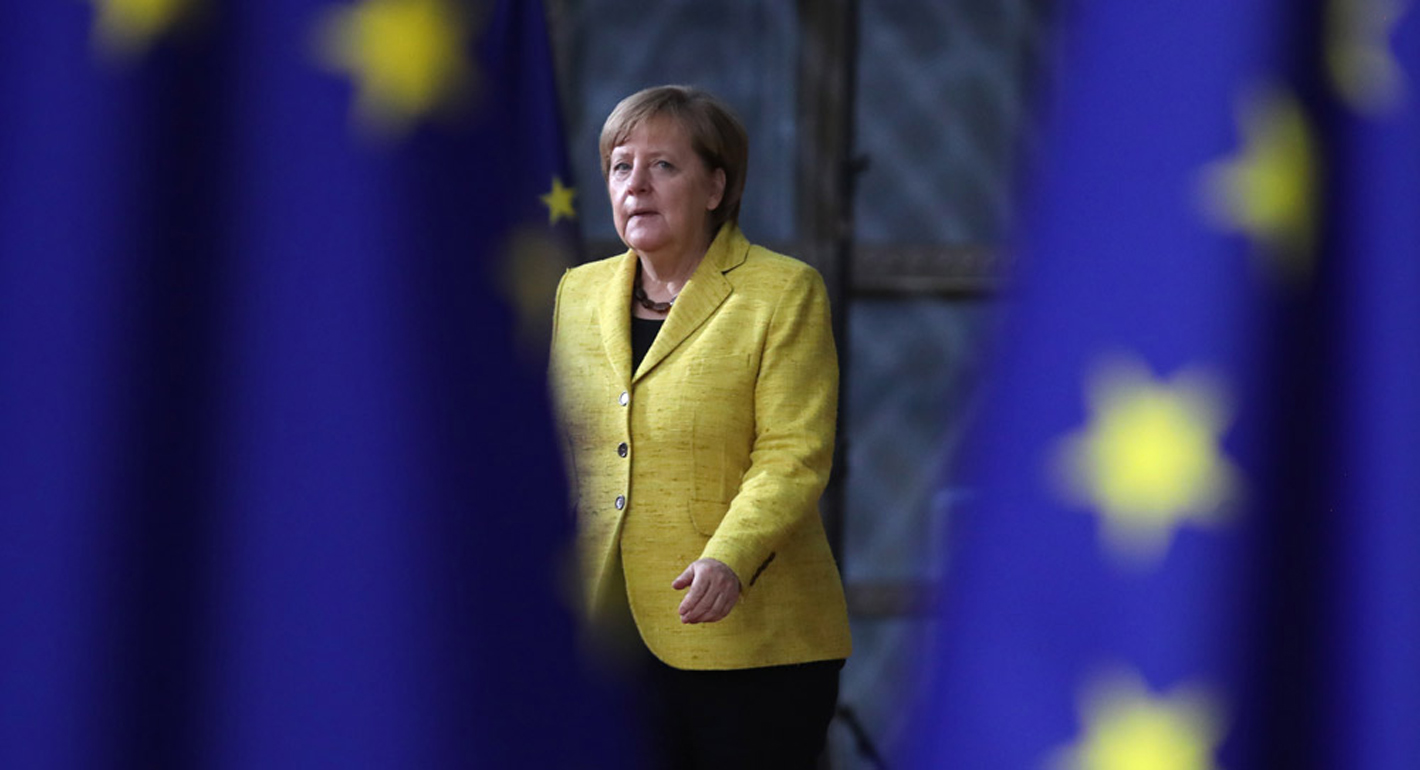
Merkel’s decisions to step down as leader of her party and to not run for reelection in 2021 will have repercussions for Germany, Europe, and the transatlantic relationship.
Source: Axios
German Chancellor Angela Merkel’s decisions to step down as leader of the Christian Democratic Union (CDU) party in December and to not run for re-election in 2021 will have repercussions for Germany, Europe and the transatlantic relationship.
The big picture: Merkel’s leadership has been marked by her commitments to decency, multilateralism and diplomacy. Even in the face of the far-right-wing Alternative für Deutschland (AfD), Germany's center will still hold, but her replacement will probably shift the CDU rightward.
Domestic politics will dominate Germany in the coming months.The CDU has been thrown into a leadership struggle to be settled in December.
Merkel has been a linchpin for the EU, keeping it united during the euro crisis and pushing all 28 member states to impose sanctions on Russia after its illegal 2014 annexation of Crimea and invasion of eastern Ukraine.
The transatlantic alliance will also be tested. There are two trends running throughout Europe:
What’s next: Unless Merkel feels liberated from the daily management of the CDU to make bold moves for Europe’s future, don’t expect any major EU integration or security initiatives from Berlin — at least not before European parliamentary elections are held next spring and a new European Commission has been chosen.

Nonresident Senior Fellow, Carnegie Europe
Judy Dempsey is a nonresident senior fellow at Carnegie Europe
Recent Work
Judy Dempsey
Judy Dempsey
Carnegie does not take institutional positions on public policy issues; the views represented herein are those of the author(s) and do not necessarily reflect the views of Carnegie, its staff, or its trustees.
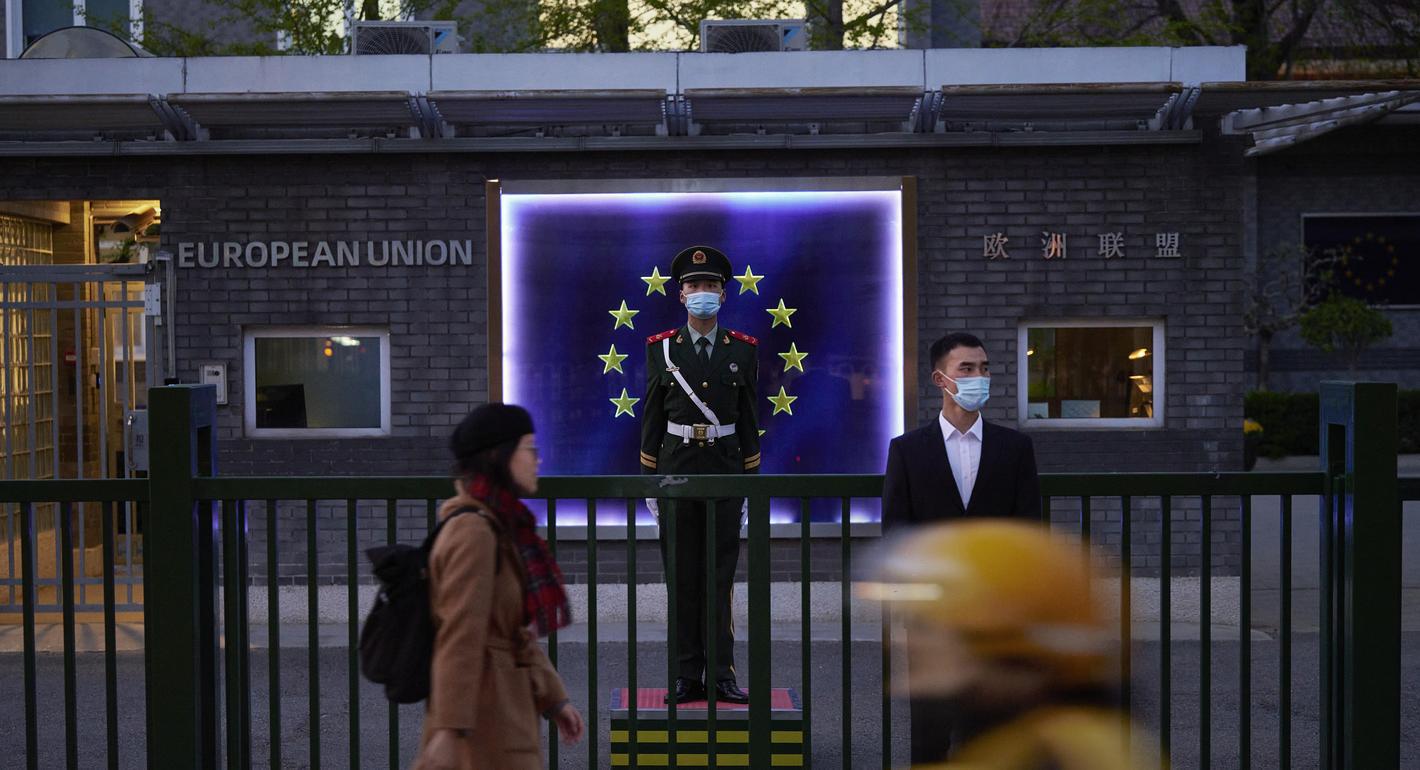
The Russian invasion of Ukraine is a turning point in the EU-China relationship, and evolution of the China-Russia relationship will continue to impact EU-China relations.


Yifan Ding, Alice Ekman
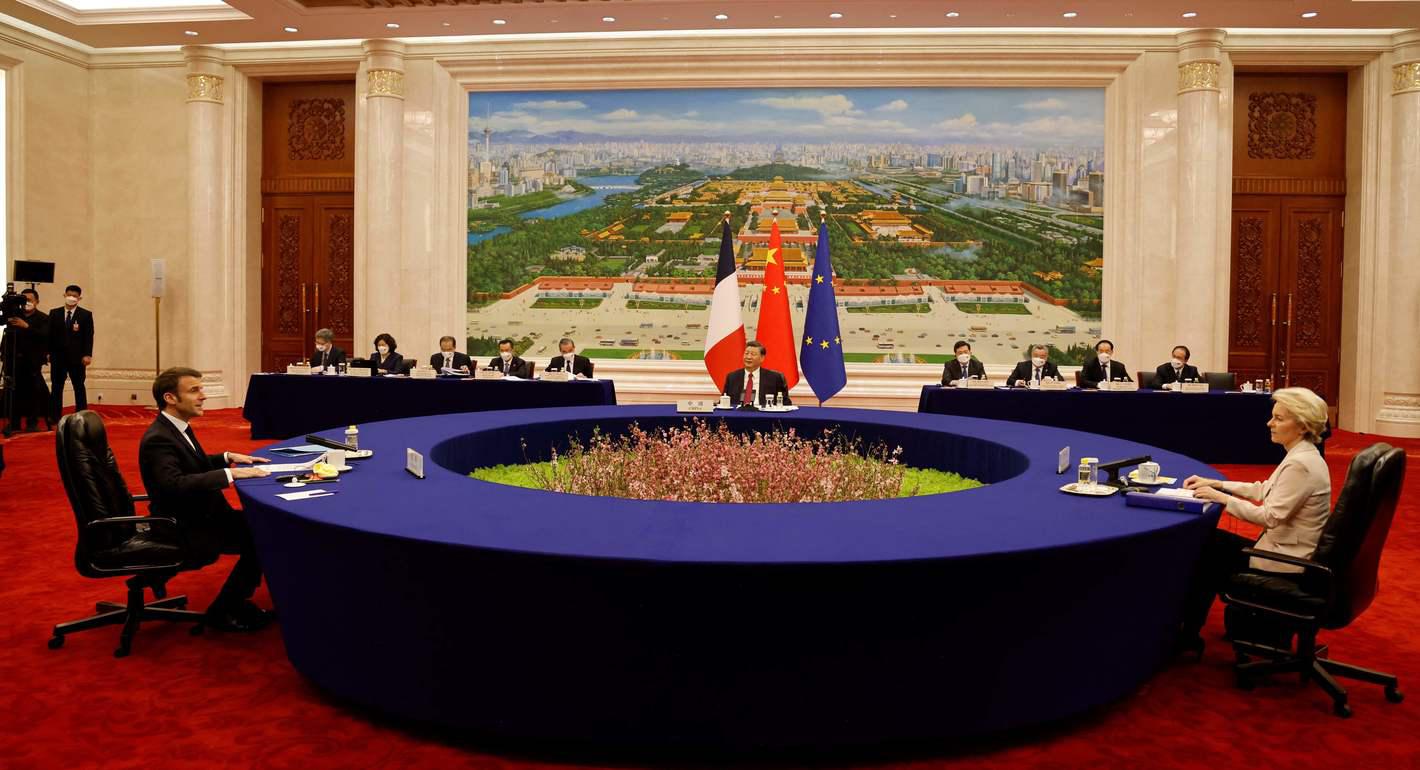
Recent visits by European officials highlight the EU’s lack of internal cohesion.



Paul Haenle, Chan Heng Chee, Liu Yawei, …
“It’s not so clear how we’re going to get out of this.”
Paul Haenle, Philippe Le Corre

It’s about managing oil prices, bread prices, and strategic partnerships.



Amr Hamzawy, Karim Sadjadpour, Aaron David Miller, …

With the potential of enabling not only significant economic growth but also the innovation of critical technologies in various fields, both the United States and China view 5G as one of the key influencing factors in the “great power competition.”
Lyu Jinghua