

Article
Suyash Rai, Anirudh Burman
{
  "authors": [
    "Suyash Rai"
  ],
  "type": "legacyinthemedia",
  "centerAffiliationAll": "",
  "centers": [
    "Carnegie Endowment for International Peace",
    "Carnegie India"
  ],
  "collections": [],
  "englishNewsletterAll": "",
  "nonEnglishNewsletterAll": "",
  "primaryCenter": "Carnegie India",
  "programAffiliation": "",
  "programs": [],
  "projects": [
    "Political Economy"
  ],
  "regions": [
    "India"
  ],
  "topics": [
    "Economy"
  ]
}
Source: Getty
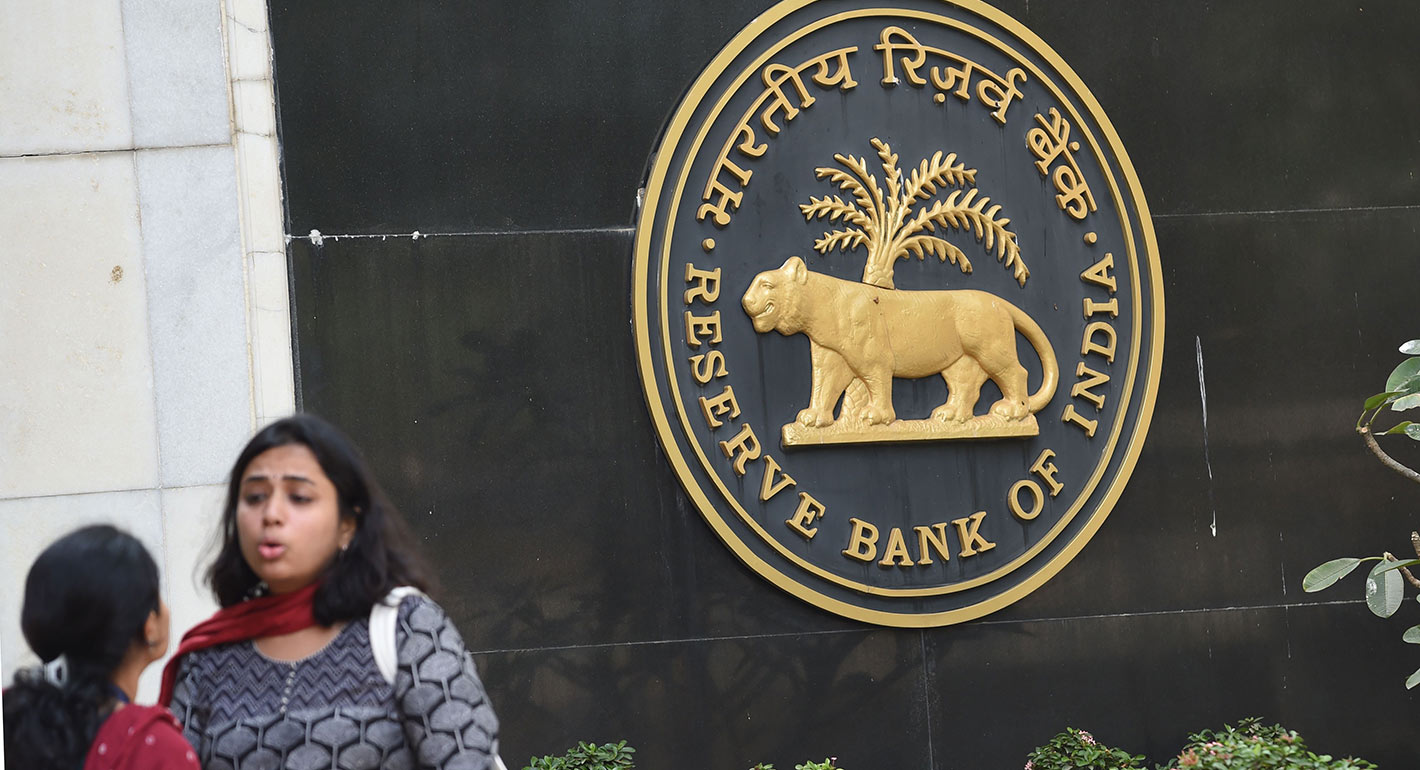
Due to its expansive role, the Reserve Bank of India (RBI) is a site of many conflicts.
Source: Print
Philosopher John Anderson once suggested that for a public institution, instead of asking “what end or purpose does it serve?”, we should ask, “of what conflicts is it the scene?”
Due to its expansive role, the Reserve Bank of India (RBI) is a site of many conflicts.
A conflict that has recently come to the fore is about the RBI’s surplus income. The main source of this income is the sovereign power to issue currency. The RBI purchases securities with currency, and after accounting for the cost of producing and distributing currency, this generates a huge surplus. Before giving dividend to the government, the RBI sets aside money for operational expenditure and for reserves to cover losses in the future.

Former Fellow, Carnegie India
Suyash Rai was a fellow at Carnegie India. His research focuses on the political economy of economic reforms, and the performance of public institutions in India.
Recent Work

Suyash Rai, Anirudh Burman


Shruti Sharma, Suyash Rai, Konark Bhandari, …

China’s banking crisis in the 2000s was resolved by transferring the costs to households through financial repression—a decision that recapitalized the banks while exacerbating the structural imbalances that continue to shape the Chinese economy today.

Michael Pettis

In the latest Five-Year Plan, the Chinese president cements the shift to an innovation-driven economy over a consumption-driven one.

Damien Ma
Rather than climate ambitions, compatibility with investment and exports is why China supports both green and high-emission technologies.

Mathias Larsen
“Involution” is a new word for an old problem, and without a very different set of policies to rein it in, it is a problem that is likely to persist.
Michael Pettis

While China's investment story seems contradictory from the outside, the real answers to Beijing's high-quality growth ambitions are hiding in plain sight across the nation's cities.
Yuhan Zhang