
• Commentary
  • Research
  • Experts
  • Events
Carnegie China logoCarnegie lettermark logo
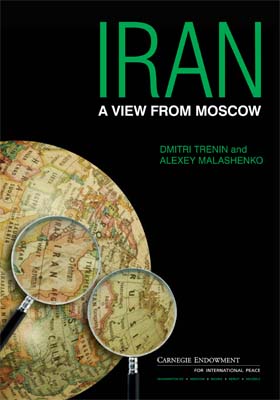
Iran: A View From Moscow
Report
Carnegie Russia Eurasia Center

Iran: A View From Moscow

Although Iran and Russia have substantial economic and military ties, Moscow is increasingly wary of Tehran’s growing nuclear ambitions, which have the potential to threaten Russia.

Link Copied
By Dmitri Trenin and Alexey Malashenko
Published on Oct 25, 2010

Additional Links

Full Text

Although Iran and Russia have substantial economic and military ties, Moscow is increasingly wary of Tehran’s growing ambitions. Dmitri Trenin and Alexey Malashenko offer a view from Moscow and detail how Iran’s desire to develop nuclear weapons and long-range missiles—while refusing to compromise with the international community—threaten Russia.

Key Policy Recommendations:

  • Russia should lead. Using its business and security links with Tehran, Moscow can help lead international efforts to dissuade Iran from acquiring nuclear weapons.
     
  • Appeal to moderates. By working with moderate pragmatists in Tehran, Russia can encourage constructive dialogue with Iran and help spur a compromise with the West on the nuclear issue.
     
  • Avoid a military strike. A military attack against Iran would divide the international community, destabilize the Middle East, and virtually ensure that hardliners turn Iran into a nuclear weapons state.

“Moscow does not have enough sway to directly alter Tehran’s policies and it does not want to be an intermediary between Iran and the United States,” the authors write. “But as Iran’s neighbor, economic and military partner, and as a permanent member of the Security Council, Russia can encourage moderate forces in Iran to compromise with the West on the nuclear issue instead of confronting Washington.”

About the Authors

Dmitri Trenin

Former Director, Carnegie Moscow Center

Trenin was director of the Carnegie Moscow Center from 2008 to early 2022.

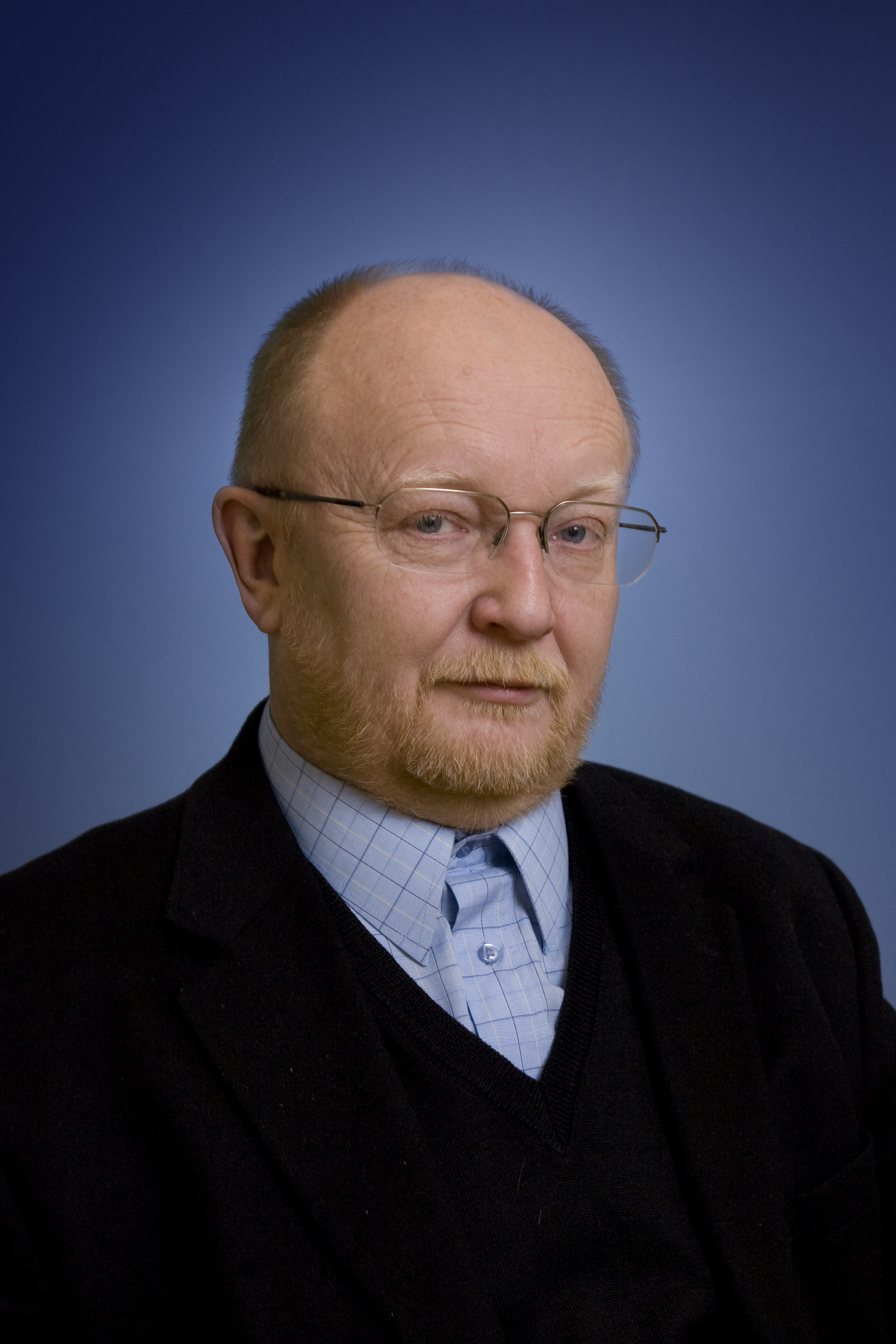
Alexey Malashenko

Former Scholar in Residence, Religion, Society, and Security Program

Malashenko is a former chair of the Carnegie Moscow Center’s Religion, Society, and Security Program.

Authors

Dmitri Trenin
Former Director, Carnegie Moscow Center
Alexey Malashenko
Former Scholar in Residence, Religion, Society, and Security Program
Alexey Malashenko

Additional Links

Full Text
GulfMiddle EastIranCaucasusRussiaSecurityForeign PolicyPolitical ReformNuclear Policy

Carnegie does not take institutional positions on public policy issues; the views represented herein are those of the author(s) and do not necessarily reflect the views of Carnegie, its staff, or its trustees.

More Work from Carnegie China

  • Commentary
    Emissary
    Trump and Xi Are Angling for Three Years of Stability

    But their "principal to principal" model will only be as effective as the political strength of each leader back home.

      • Damien Ma

      Damien Ma

  • Commentary
    China Sells Stability Amid American Volatility

    U.S. unpredictability has allowed China to capitalize on its positioning as the “responsible great power”. Paradoxically, the more China wins the perception game, the more likely expectations will rise for Beijing to deliver not just words but to demonstrate with its deeds.

      Chong Ja Ian

  • Vietnam's Top Leader To Lam meets with young representatives from China and Vietnam participating in the "Red Study Tours" at the Great Hall of the People on April 15, 2026 in Beijing, China. T
    Commentary
    Why Vietnam Is Swinging in China’s Direction

    Hanoi and Beijing have long treated each other as distant cousins rather than comrades in arms. That might be changing as both sides draw closer to hedge against uncertainty and America’s erratic behavior.

      • Nguyen-khac-giang

      Nguyễn Khắc Giang

  • Commentary
    China’s Energy Security Doesn’t Run Through Hormuz but Through the Electrification of Everything

    Across Asia, China is better positioned to withstand energy shocks from the fallout of the Iran war. Its abundant coal capacity can ensure stability in the near term. Yet at the same time, the country’s energy transition away from coal will make it even less vulnerable during the next shock.


      • Damien Ma

      Damien Ma

  • Commentary
    Malaysia’s Year as ASEAN Chair: Managing Disorder

    Malaysia’s chairmanship sought to fend off short-term challenges while laying the groundwork for minimizing ASEAN’s longer-term exposure to external stresses.

      Elina Noor

Get more news and analysis from
Carnegie China
Carnegie China logo, white
Keck Seng Tower133 Cecil Street #10-01ASingapore, 069535Phone: +65 9650 7648
  • Research
  • About
  • Experts
  • Events
  • Contact
  • Careers
  • Privacy
  • For Media
Get more news and analysis from
Carnegie China
© 2026 Carnegie Endowment for International Peace. All rights reserved.






