

Commentary
Thomas de Waal
{
  "authors": [
    "Thomas de Waal"
  ],
  "type": "testimony",
  "centerAffiliationAll": "dc",
  "centers": [
    "Carnegie Endowment for International Peace",
    "Carnegie Europe"
  ],
  "collections": [],
  "englishNewsletterAll": "ctw",
  "nonEnglishNewsletterAll": "",
  "primaryCenter": "Carnegie Europe",
  "programAffiliation": "russia",
  "programs": [
    "Russia and Eurasia"
  ],
  "projects": [],
  "regions": [
    "Caucasus",
    "Azerbaijan",
    "Armenia",
    "Georgia"
  ],
  "topics": [
    "Political Reform"
  ]
}
Source: Getty
After twenty years of independence, the countries of the South Caucasus have yet to become truly democratic and pluralistic societies.
Source: U.S. Helsinki Commission
In a briefing at the U.S. Helsinki Commission, Carnegie’s Thomas de Waal commented on the upcoming elections and the state of democracy in the South Caucasus. The governments of Armenia, Azerbaijan, and Georgia, he argued, resemble the Russian model of “a one-party state with managed democracy.” He added that “Azerbaijan is the most authoritarian and Georgia the most democratic, with Armenia somewhere in between.” De Waal described elections as an important “health-check on the state of democracy in these countries” but also pointed to bigger problems in each country’s political culture.
Instead of focusing exclusively on elections, he suggested that “widening the whole political space” would help create more pluralistic societies. Given the “big gap between what happens in the capital and in the rest of the country,” different strategies for capital cities and provinces are necessary. Independent media remains underdeveloped and stifled, while state “media and in particular television, which is the overwhelmingly dominant medium of news coverage, shape the political narrative in favor of the governing administration,” de Waal concluded.

Senior Fellow, Carnegie Europe
De Waal is a senior fellow at Carnegie Europe, specializing in Eastern Europe and the Caucasus.
Recent Work
Thomas de Waal
Thomas de Waal, ed.
Carnegie does not take institutional positions on public policy issues; the views represented herein are those of the author(s) and do not necessarily reflect the views of Carnegie, its staff, or its trustees.
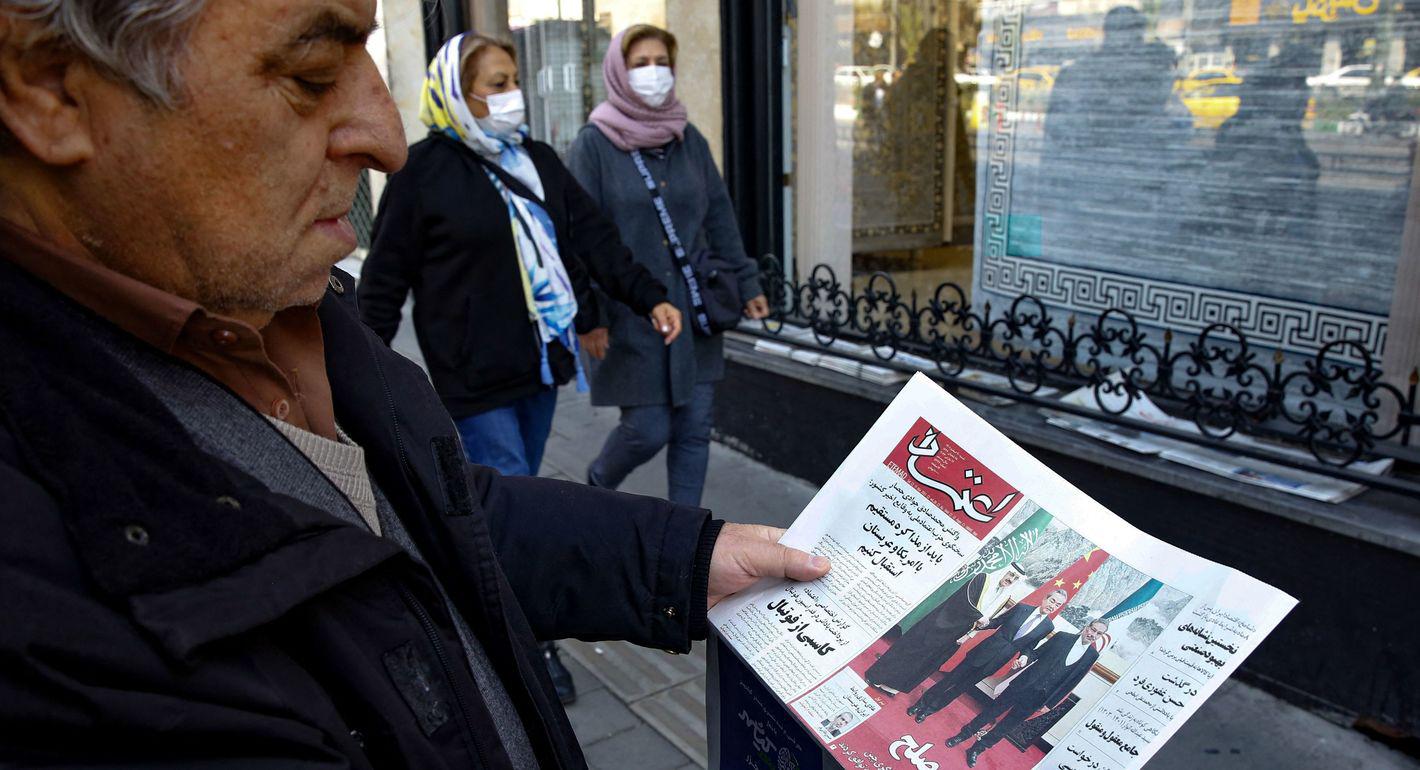
Transactional relationships are stable but can be shallow.


Paul Haenle, Maha Yahya, Benjamin Ho, …
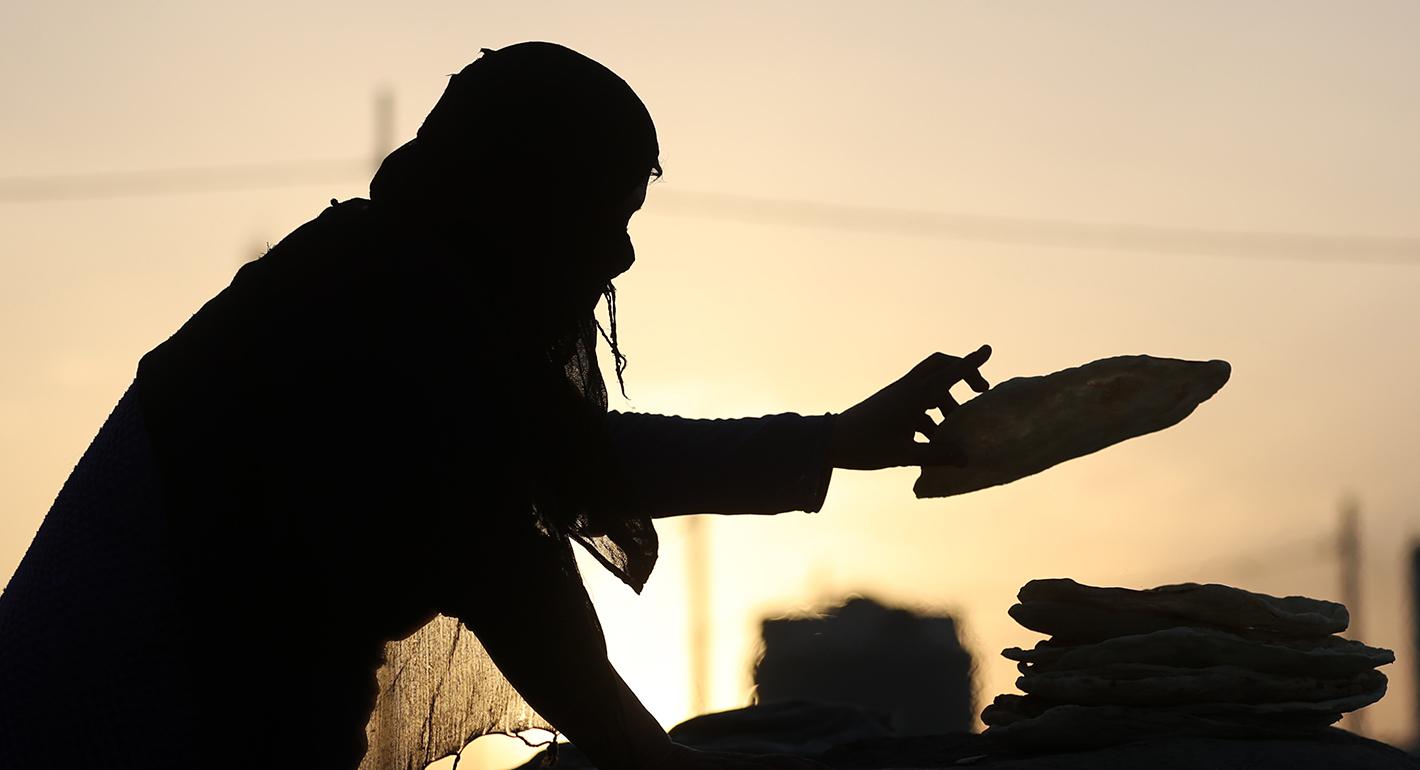
It’s about managing oil prices, bread prices, and strategic partnerships.



Amr Hamzawy, Karim Sadjadpour, Aaron David Miller, …
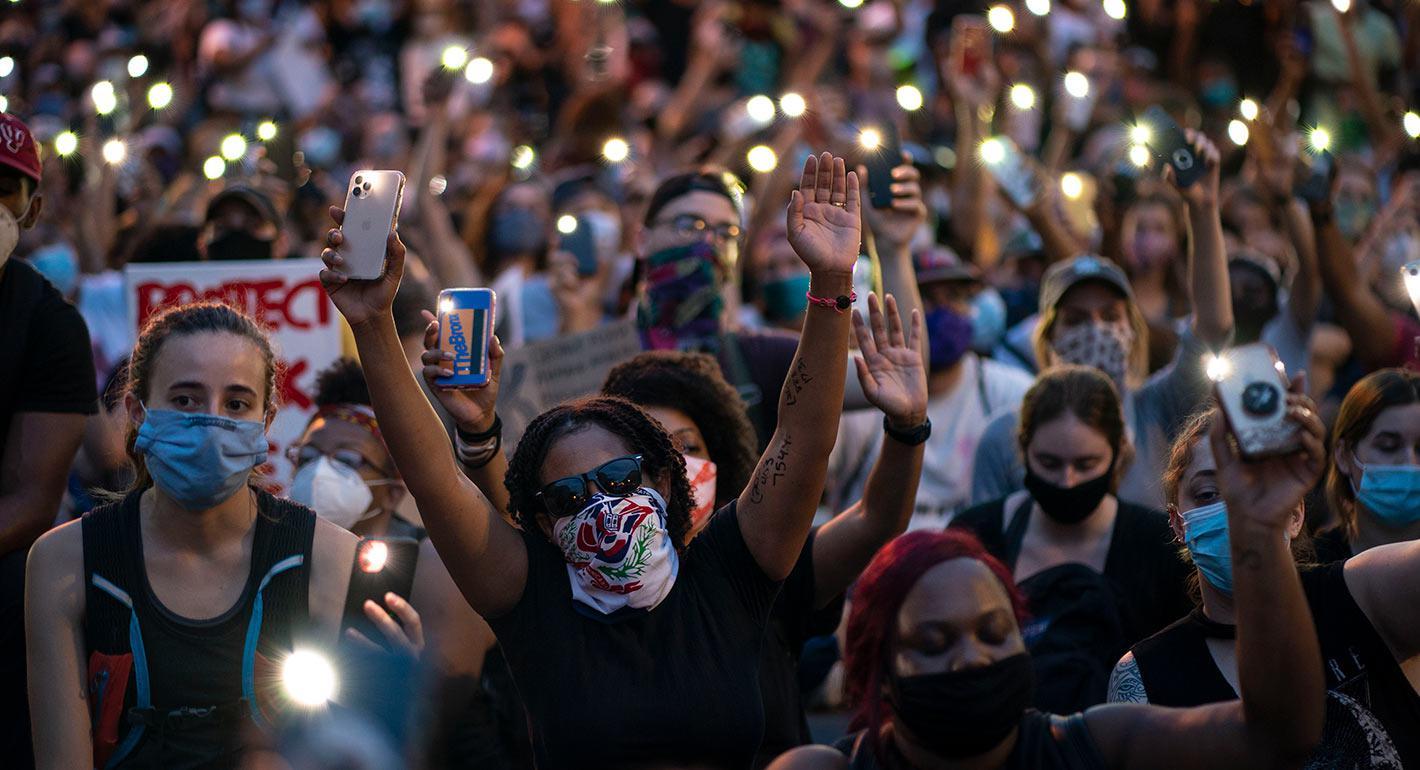
The murder of George Floyd has underscored the deep inequities that have long plagued American society. In a note to the Carnegie community, Bill Burns reflects on Carnegie’s commitment to build a more just future here at home and around the world, without which peace will remain beyond our grasp.
William J. Burns
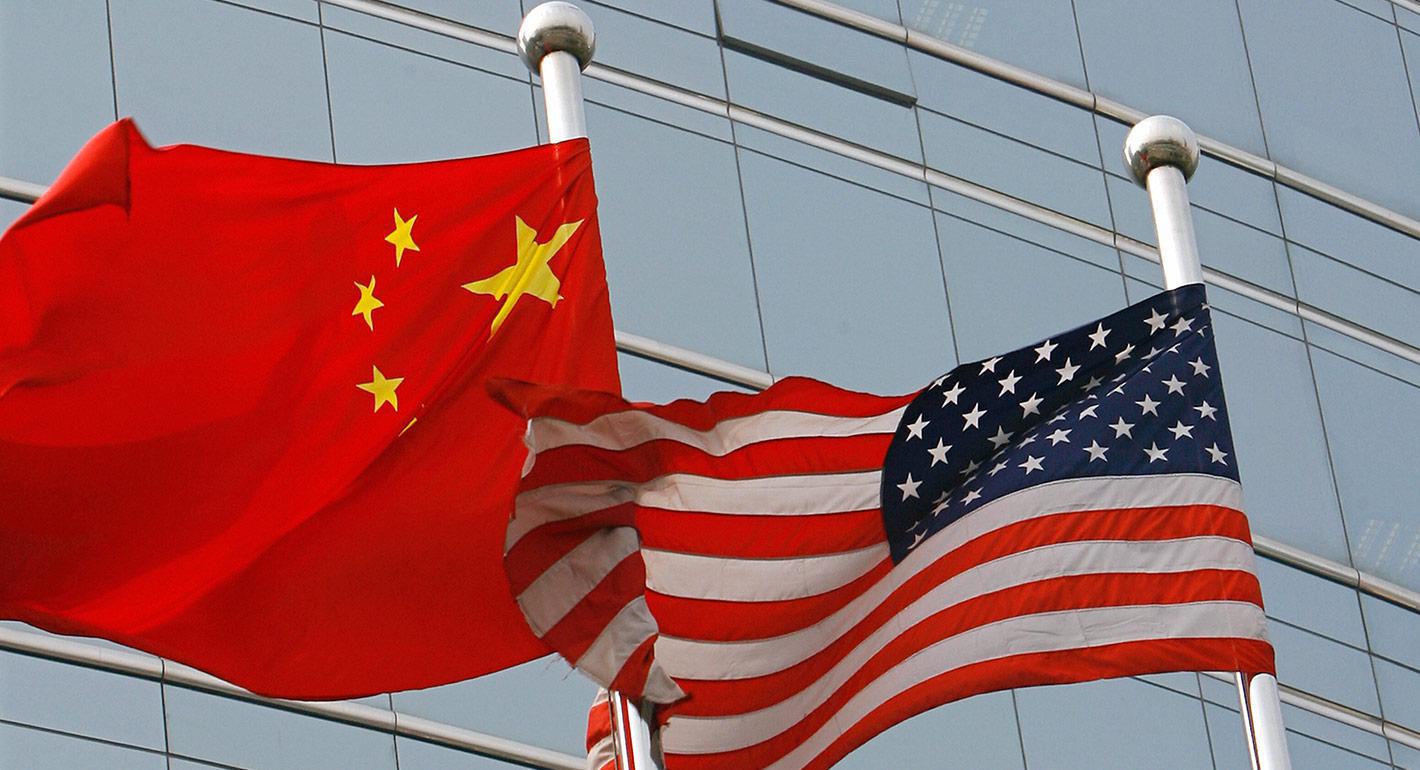
While the world hoped this pandemic might lead to more cooperation between these two great powers, American and Chinese leaders instead fell into a blame game and allowed their increasing suspicions to guide their decision-making.
Lyu Jinghua
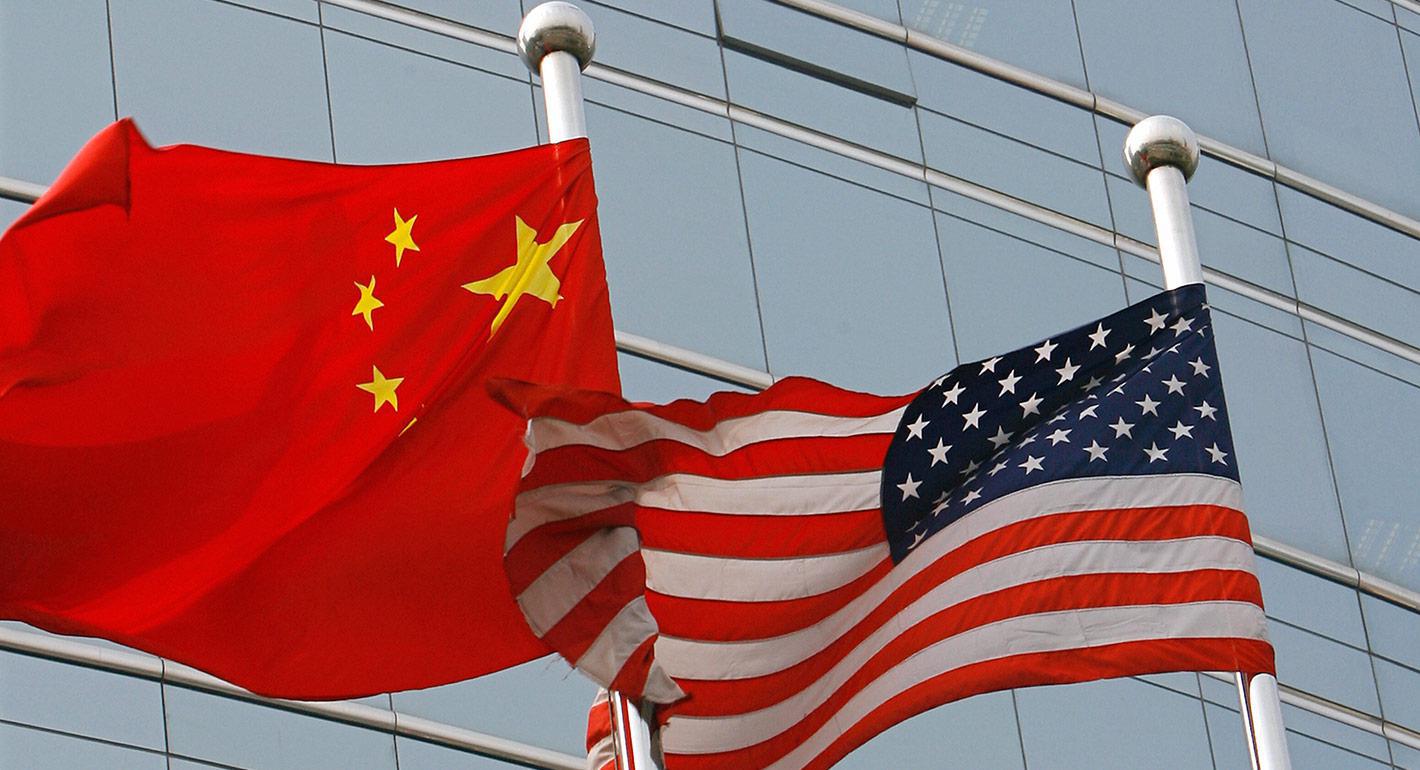
Biological viruses and computer malware differ in important respects. They have considerable potential to spread widely, invading, disrupting and destroying their targets.
Ariel (Eli) Levite, Lyu Jinghua