

Commentary
French President Emmanuel Macron has unveiled his country’s new nuclear doctrine. Are the changes he has made enough to reassure France’s European partners in the current geopolitical context?
Rym Momtaz, ed.
{
  "authors": [
    "Robert Kagan",
    "William Kristol"
  ],
  "type": "legacyinthemedia",
  "centerAffiliationAll": "",
  "centers": [
    "Carnegie Endowment for International Peace"
  ],
  "collections": [],
  "englishNewsletterAll": "",
  "nonEnglishNewsletterAll": "",
  "primaryCenter": "Carnegie Endowment for International Peace",
  "programAffiliation": "",
  "programs": [],
  "projects": [],
  "regions": [
    "Iraq"
  ],
  "topics": [
    "Security",
    "Foreign Policy"
  ]
}
REQUIRED IMAGE
Source: Carnegie
Reprinted with permission from The Weekly Standard, June 3, 2002
IS THE BUSH ADMINISTRATION going wobbly? Is the president preparing to back off the bold pledges he made to the American people four months ago in his State of the Union address? The president warned us then that the clock was ticking in Iraq. Saddam Hussein was working hard to acquire weapons of mass destruction. Bin Laden, al Qaeda, and other terrorists were eager to get their hands on such weapons. And it was only a matter of time before the ultimate horror of terrorists armed with nuclear, biological, or chemical weapons confronted us all. Bush proclaimed that he was determined to confront and eliminate this threat, and he called on Americans to gird themselves for the difficult struggle that lay ahead. And he told us time was not on our side. In the weeks and months that followed, Bush repeatedly let it be known, publicly and privately, that he was committed to removing Saddam Hussein from power, and by military force if necessary, which he presumed it would be.
Was it all hot air? On Friday, the Washington Post published a credible report by the respected journalist Tom Ricks that the administration has put off the idea of an invasion of Iraq. Indeed, a military attack on Saddam may never happen at all. It seems that the Joint Chiefs of Staff have recommended against a military operation to remove Saddam, on the grounds that it would be difficult and would require some 200,000 troops. They have also recommended against an operation that combined airstrikes with special operations forces on the ground. In fact, they apparently have argued that the continued "containment" of Saddam--the continuation of the Clinton policy, that is--is sufficient.
There are signs that President Bush and his team may be inclined to accept this recommendation. On Thursday, in Berlin, the president said, "I have no war plans on my desk" and "we've got to use all means at our disposal to deal with Saddam Hussein." An official "familiar with Defense Secretary Donald Rumsfeld's thinking" told Ricks that "there are many ways in which [regime change] could come about, only one of which is a military campaign in Iraq."
In other words, the administration may be returning to the idea of containment plus covert operations against Saddam--attempted coups, hoped-for assassination by people close to Saddam, hoped-for spontaneous combustion of his dictatorship, hoped-for serious U.N. inspections. In short, dreamland. This is the policy of the Clinton administration, the one Bush, Cheney, Rumsfeld, and a host of Republicans criticized so vociferously during the 2000 campaign: Keep Saddam "in his box" and pray for a miracle.
That is what Clinton did for eight years. The CIA tried to foment coups, to support plots against Saddam, and they all failed. Plotters were caught and executed. American agents were rounded up and executed. And at the end of Clinton's term, Saddam was alive and kicking.
And posing the grave peril that Bush so astutely identified in his State of the Union address. But now, apparently, the Bush administration may be seeing wisdom in Clinton's approach. In fact, the administration recently made life even easier for Saddam, winning U.N. approval for a significant easing of the sanctions against Iraq. Saddam will now grow richer, and he will have new cash to spend on his weapons programs.
Did President Bush really not understand what he was saying when he pronounced the Bush Doctrine? Did he think an invasion of Iraq would be easy? Was it really a surprise to Bush, Cheney, and Rumsfeld when the Joint Chiefs told them 200,000 troops would be needed to take out Saddam? Perhaps it was. And there are other, worrying signs of non-seriousness about war in the highest reaches of the Bush administration: An unwillingness to substantially increase the defense budget. A lack of preparation of the American public for the fact that the war on terror is going to get bigger, not smaller. A lack of public (and private, so far as we can tell) diplomacy with respect to our allies. A lack of serious planning with Iraqi opposition groups. A lack of a strategy for how to avoid the trap of renewed U.N. inspections.
We could go on.
Surely the president will step in and save the day. His presidency is on the line. As is the credibility of the United States and the whole security structure--or lack thereof--of the post-9/11 world. But time is not on the president's side. He has lost considerable momentum in the war against terror and weapons of mass destruction. More drift and indecision would be disastrous. The president returns from Europe this week. He needs to take control of his administration, and remind them, as he said in Berlin on Thursday, that "we're still at war." If we're really at war, let's be serious about doing what we have to do to win it.

Former Senior Associate
Kagan, author of the recent book, The Return of History and the End of Dreams (Knopf 2008), writes a monthly column on world affairs for the Washington Post and is a contributing editor at both the Weekly Standard and the New Republic.
William Kristol
Carnegie does not take institutional positions on public policy issues; the views represented herein are those of the author(s) and do not necessarily reflect the views of Carnegie, its staff, or its trustees.
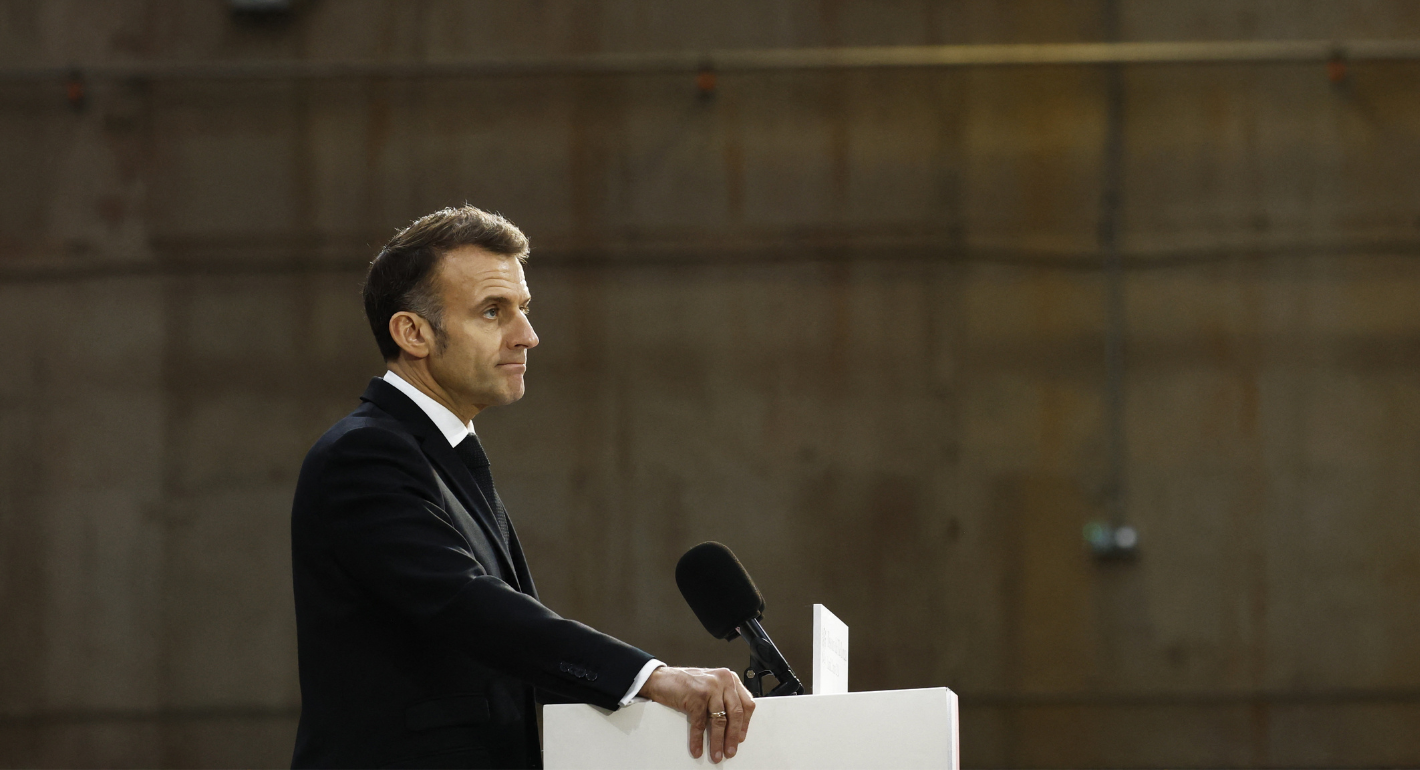
French President Emmanuel Macron has unveiled his country’s new nuclear doctrine. Are the changes he has made enough to reassure France’s European partners in the current geopolitical context?

Rym Momtaz, ed.
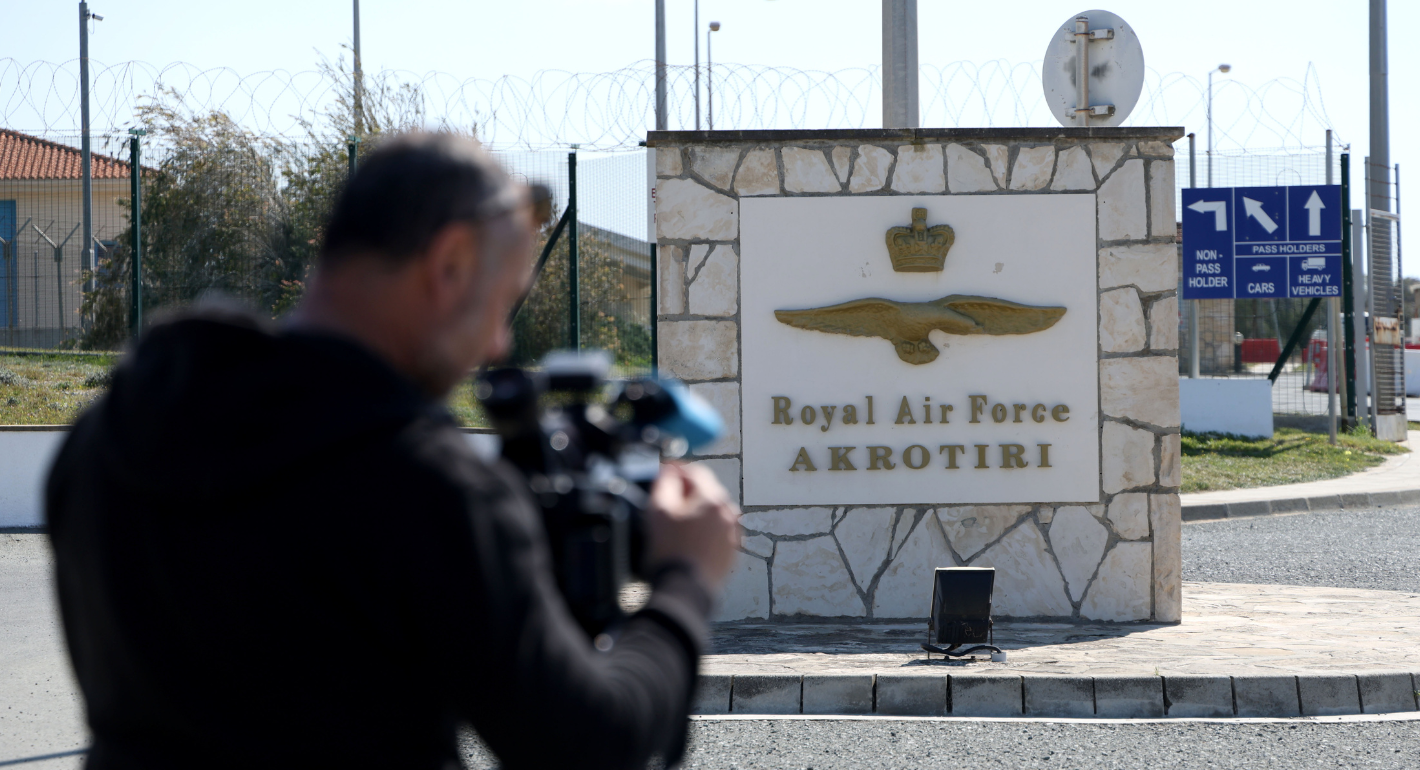
The drone strike on the British air base in Akrotiri brings Europe’s proximity to the conflict in Iran into sharp relief. In the fog of war, old tensions in the Eastern Mediterranean risk being reignited, and regional stakeholders must avoid escalation.

Marc Pierini
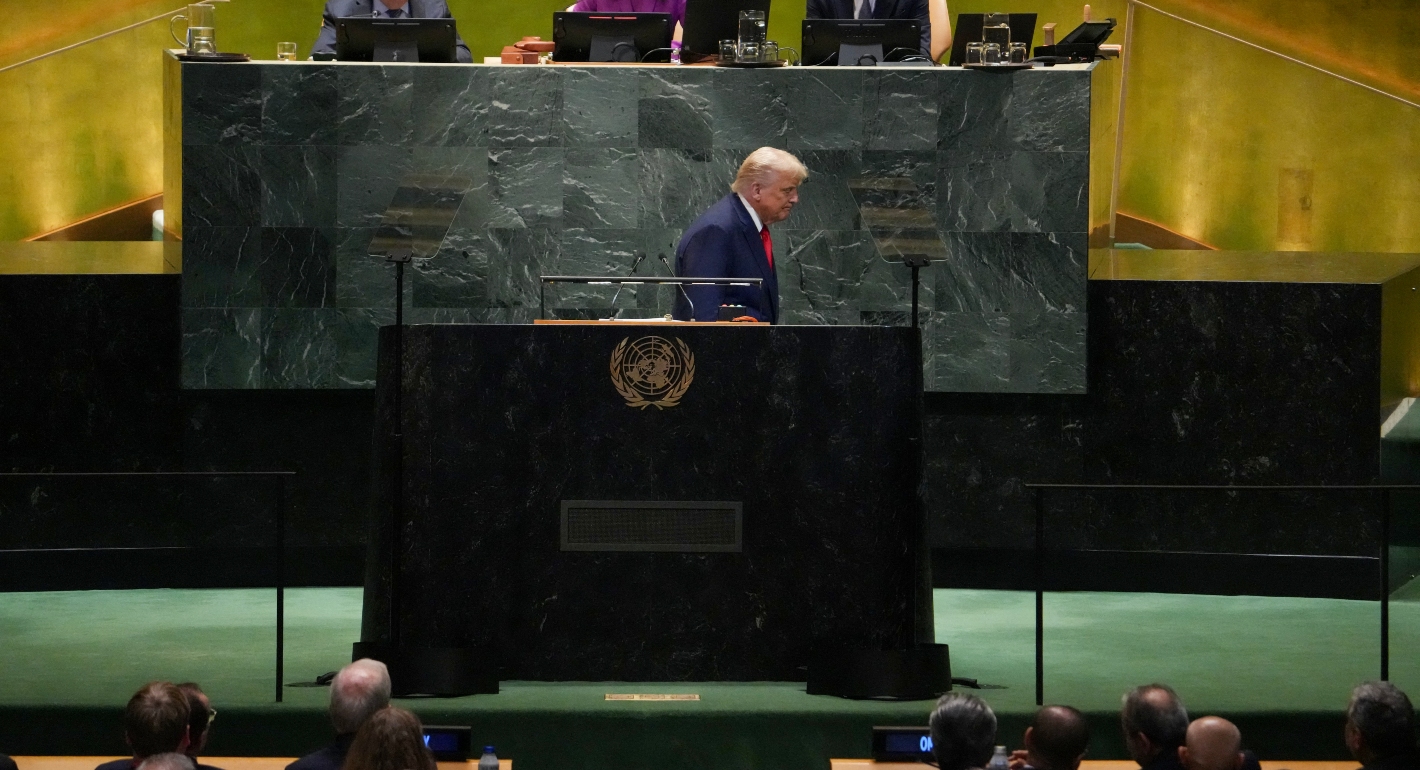
For years, the United States anchored global cyber diplomacy. As Washington rethinks its leadership role, the launch of the UN’s Cyber Global Mechanism may test how allies adjust their engagement.

Patryk Pawlak, Chris Painter
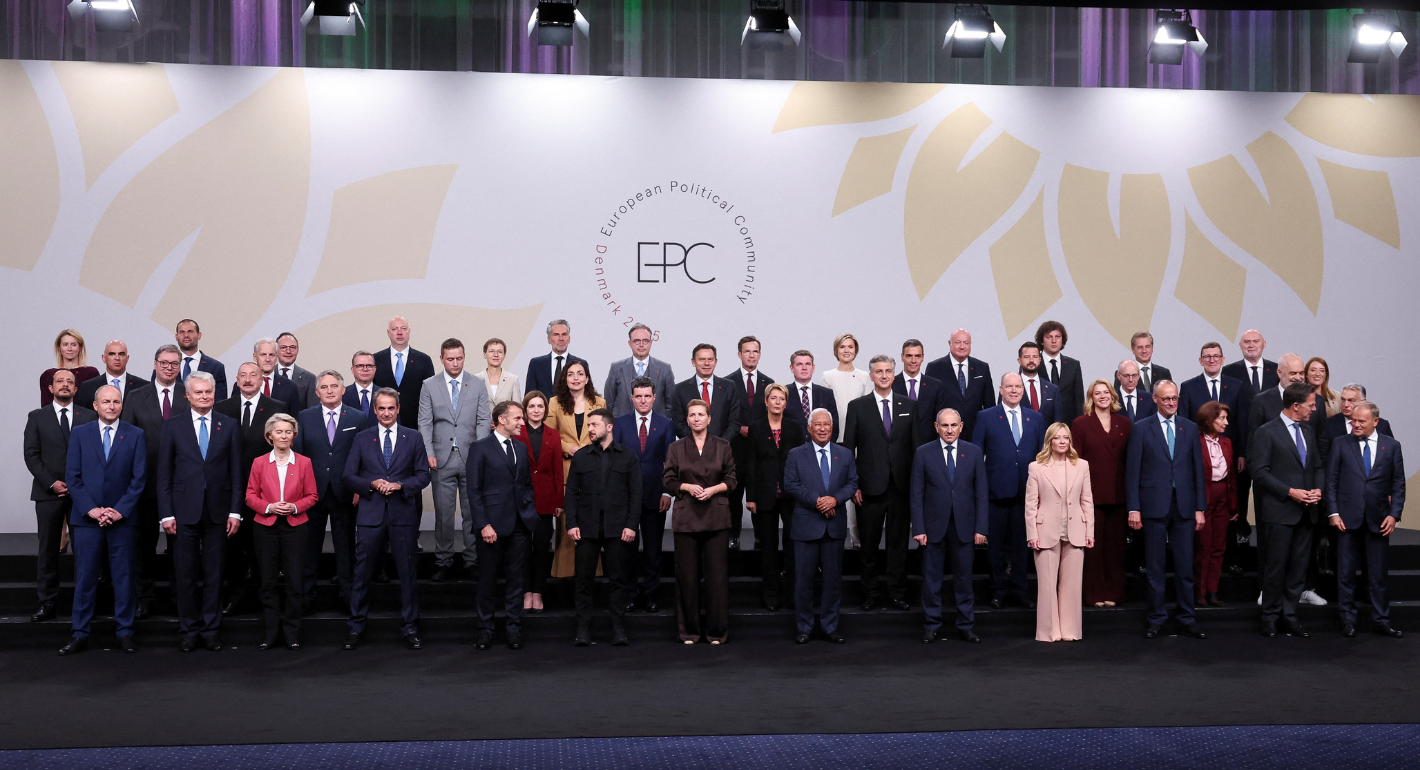
Europe isn’t as weak in the new geopolitics of power as many would believe. But to leverage its assets and claim a sphere of influence, Brussels must stop undercutting itself.

Dimitar Bechev
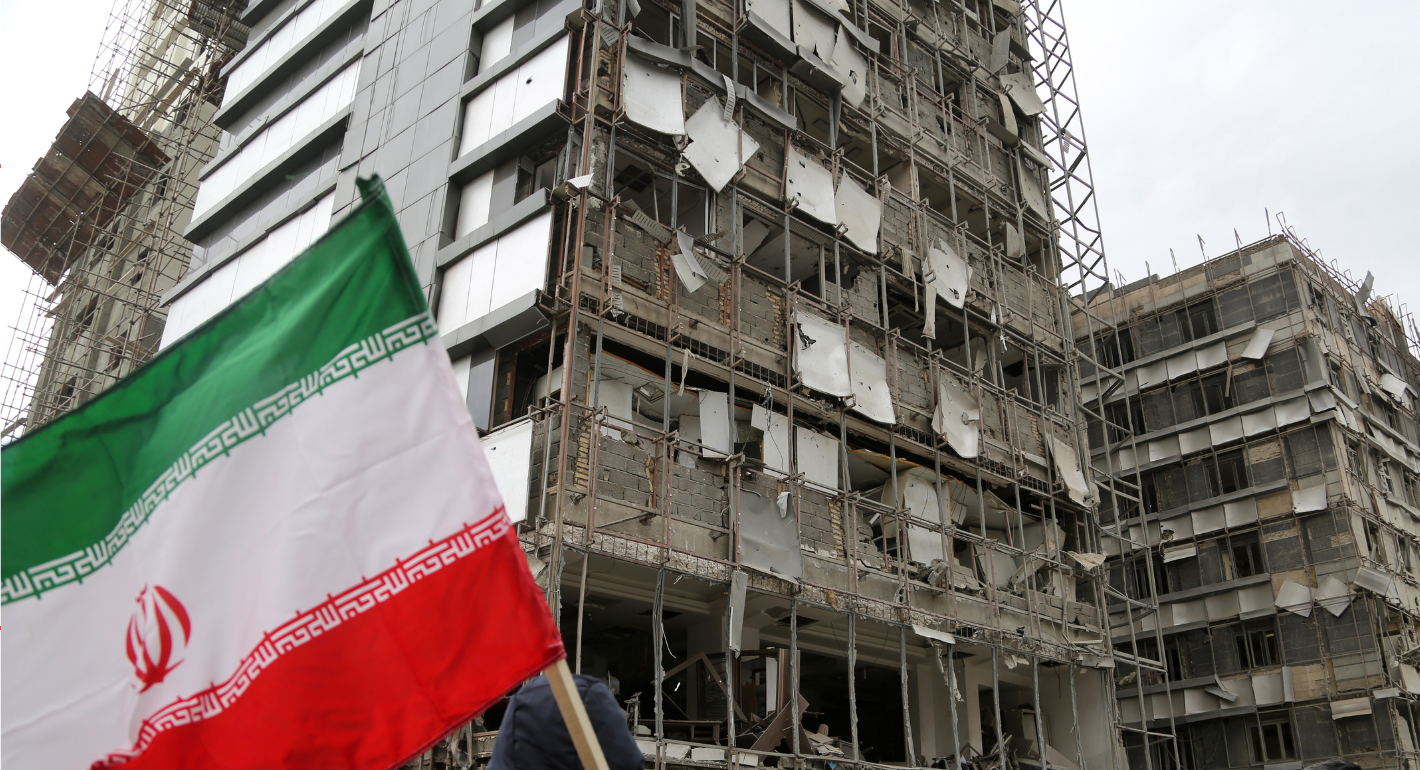
Europe’s reaction to the war in Iran has been disunited and meek, a far cry from its previously leading role in diplomacy with Tehran. To avoid being condemned to the sidelines while escalation continues, Brussels needs to stand up for international law.

Pierre Vimont