

Commentary
As European leadership prepares for the sixteenth EU-India Summit, both sides must reckon with trade-offs in order to secure a mutually beneficial Free Trade Agreement.
Dinakar Peri
{
  "authors": [
    "Anders Aslund"
  ],
  "type": "legacyinthemedia",
  "centerAffiliationAll": "",
  "centers": [
    "Carnegie Endowment for International Peace"
  ],
  "collections": [],
  "englishNewsletterAll": "",
  "nonEnglishNewsletterAll": "",
  "primaryCenter": "Carnegie Endowment for International Peace",
  "programAffiliation": "",
  "programs": [
    "Russia and Eurasia"
  ],
  "projects": [],
  "regions": [
    "Ukraine"
  ],
  "topics": [
    "Economy",
    "Trade"
  ]
}
Source: Originally published in the Financial Times

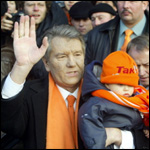
The move closed a chapter in Ukraine's history but the accomplishments of that "revolution" remain palpable. Ukraine has become a real democracy with free and lively media, and its foreign policy has become western-oriented.
For the past eight months, however, Ukraine's economic policy has been nothing short of disastrous. Economic growth has plummeted from an annual 12 per cent last year to 2.8 per cent so far this year, driven by a fall in investment.
The blame for this startling deterioration must lie with the government's economic policies. By agitating for widespread nationalisation and renewed sales of privatised companies, the government undermined property rights. In addition, it raised the tax burden sharply to finance huge increases in welfare spending and public wages.
Very publicly, Ms Tymoshenko interfered in pricing and property disputes, criticising individual businessmen. Chaos and uncertainty prevailed. This populist policy had little in common with the electoral promises of Viktor Yushchenko, the president, about liberal market reforms.
Therefore, it was a great relief for the business community and economists to see the revolutionary firebrands leave the government.
Simultaneously, Mr Yushchenko dismissed several big businessmen from official posts who were accused of having confused high government office with their private business.
It was a welcome sign that the newly born Ukrainian democracy was strong enough to be able to oust them after only seven months. Ukraine could no longer afford their extravagant public quarrels.
Today, Ukraine needs a competent government that can pursue a sensible economic policy. For this task, Mr Yekhanurov appears almost ideal.
He is one of Ukraine's most experienced economic politicians, having carried out an earlier programme of mass privatisation and served as then prime minister Yushchenko's first deputy from 1999 to 2001.
He has a clean reputation and few enemies and is known as an effective administrator. He keeps a low public profile but that is exactly what post-revolutionary Ukraine needs. Mr Yushchenko appears to have kept this loyal man in reserve.
The composition of the new government will be announced any day now but its contours are already clear. About one-third of the incumbents will stay; one-third of the ministers will be able and untainted technocrats from the previous Kuchma regime; and one- third will be newcomer professionals. As this government is supported by nine of the parliament's 14 party factions, it has a sound majority.
Thus there are hopes the new government will be quite productive, although it will serve for only half a year until parliamentary elections next March. Its first task will be to stop the destabilising re-privatisation campaign, which is likely to lead to only one or two re-privatisations, and declare a big amnesty for other privatisations.
A long-promised major deregulation, eliminating thousands of harmful legal acts, will finally be promulgated. The last laws needed for Ukraine's accession to the World Trade Organisation can now be swiftly adopted. The budget for next year, which contains some tax cuts, needs to be enacted.
The crucial political battle, however, is the elections next March. The confirmation vote for Mr Yekhanurov suggests a new dividing line in Ukrainian politics. Most of the rightwing and centrist party factions supported Mr Yekhanurov, while Ms Tymoshenko's bloc, the communists, and two oligarchic parties opposed him.
From now on, the big antagonists in Ukrainian politics are likely to be Mr Yushchenko and Ms Tymoshenko. Their individual popularity remains roughly equal. A consolidation around these two figures is possible, especially as the next elections will be proportional.
Ideally, a US-type Republican party could be formed around Mr Yushchenko and a more leftwing, populist Democratic party around Ms Tymoshenko, but it is also possible that the old fragmentation will persist.
Each side has "orange revolutionaries" as well as oligarchs from the Kuchma period. The big question is whether Ms Tymoshenko's revolutionary fire has burnt out or whether Mr Yushchenko's bold attempt at post-revolutionary stabilisation is premature.
The writer is director of the Russian and Eurasian programme at the Carnegie Endowment for International Peace (CEIP), Washington, D.C.
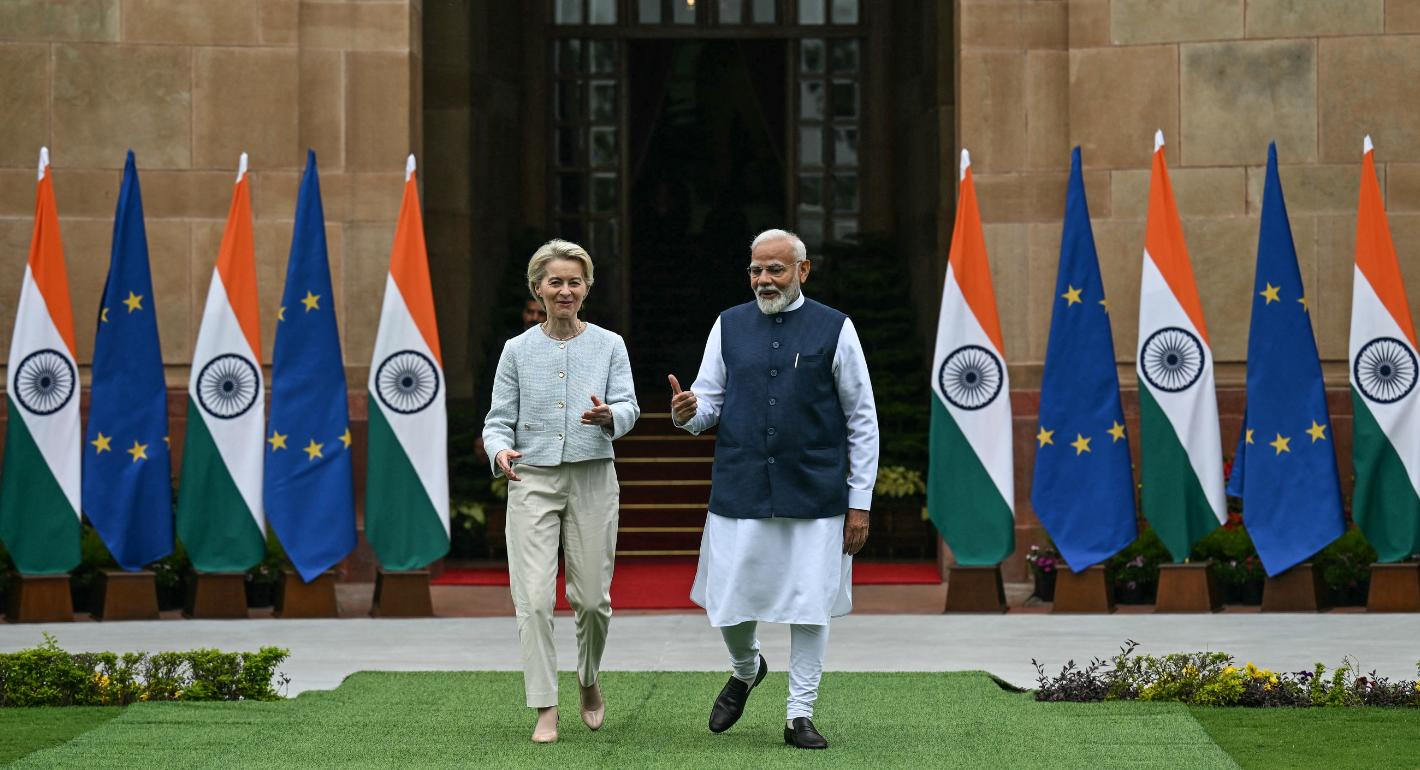
As European leadership prepares for the sixteenth EU-India Summit, both sides must reckon with trade-offs in order to secure a mutually beneficial Free Trade Agreement.

Dinakar Peri
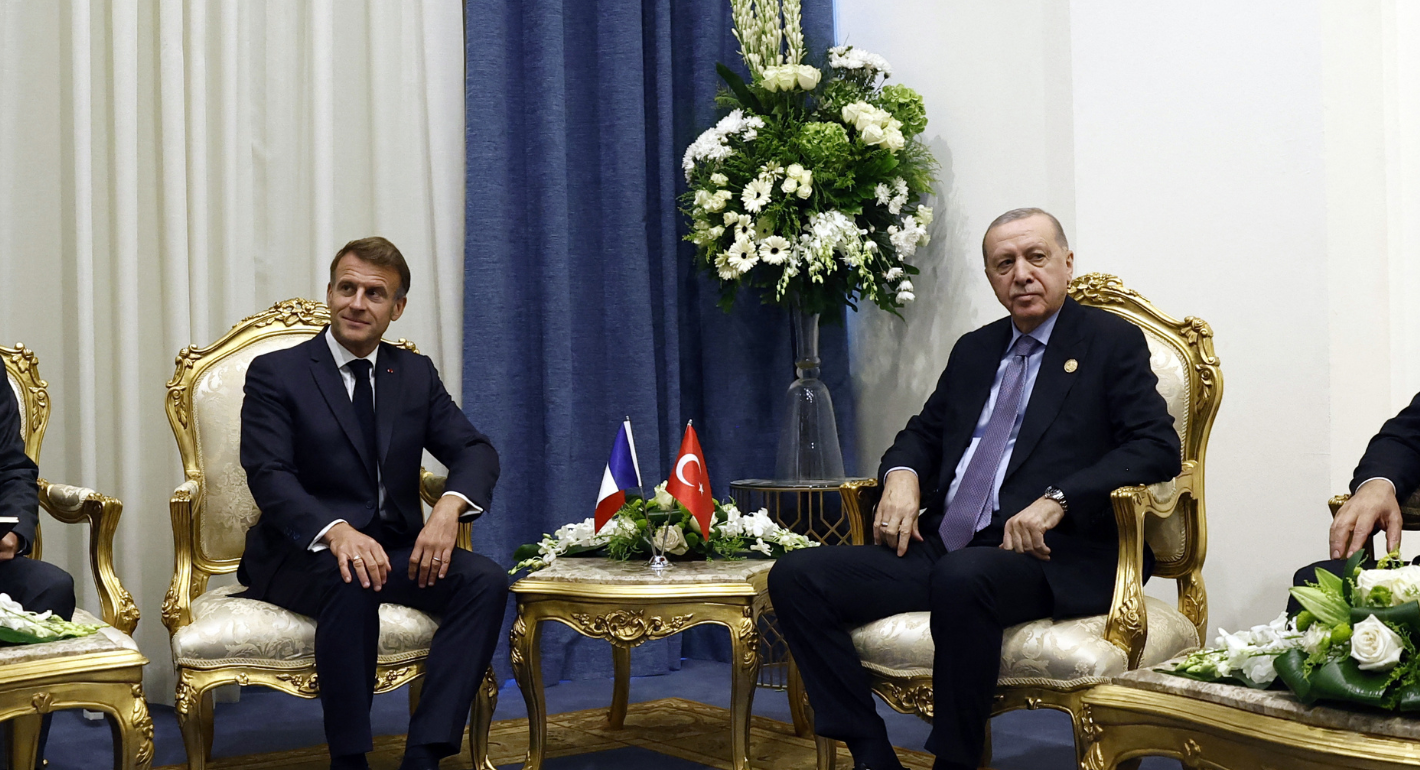
A renewal of relations between France and Turkey is vital to strengthen European strategic autonomy. To make this détente a reality, Paris and Ankara should move beyond personal friction and jointly engage with questions of Black Sea security.
Romain Le Quiniou
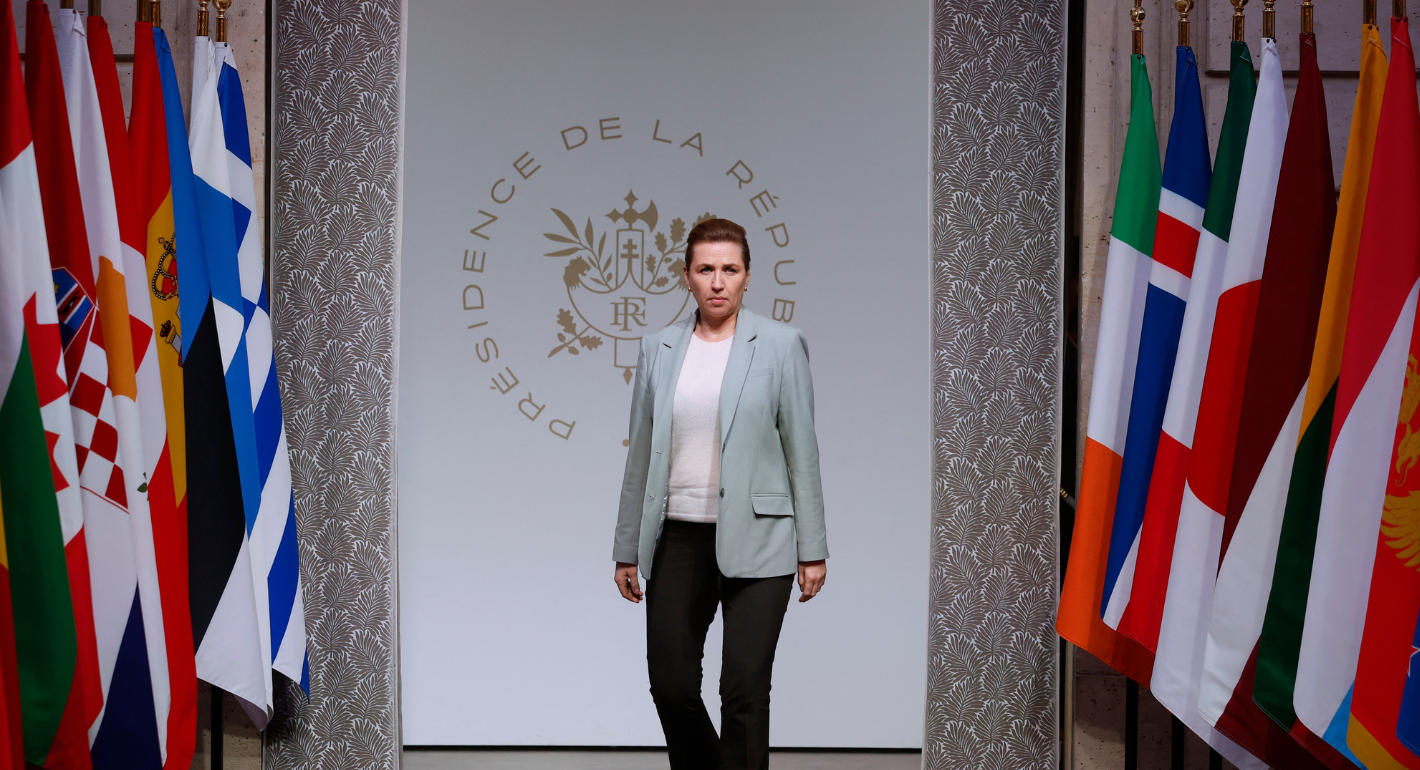
Europe is designing a new model of collective security that no longer relies on the United States. For this effort to succeed, solidarity between member states that have different threat perceptions is vital.
Erik Jones
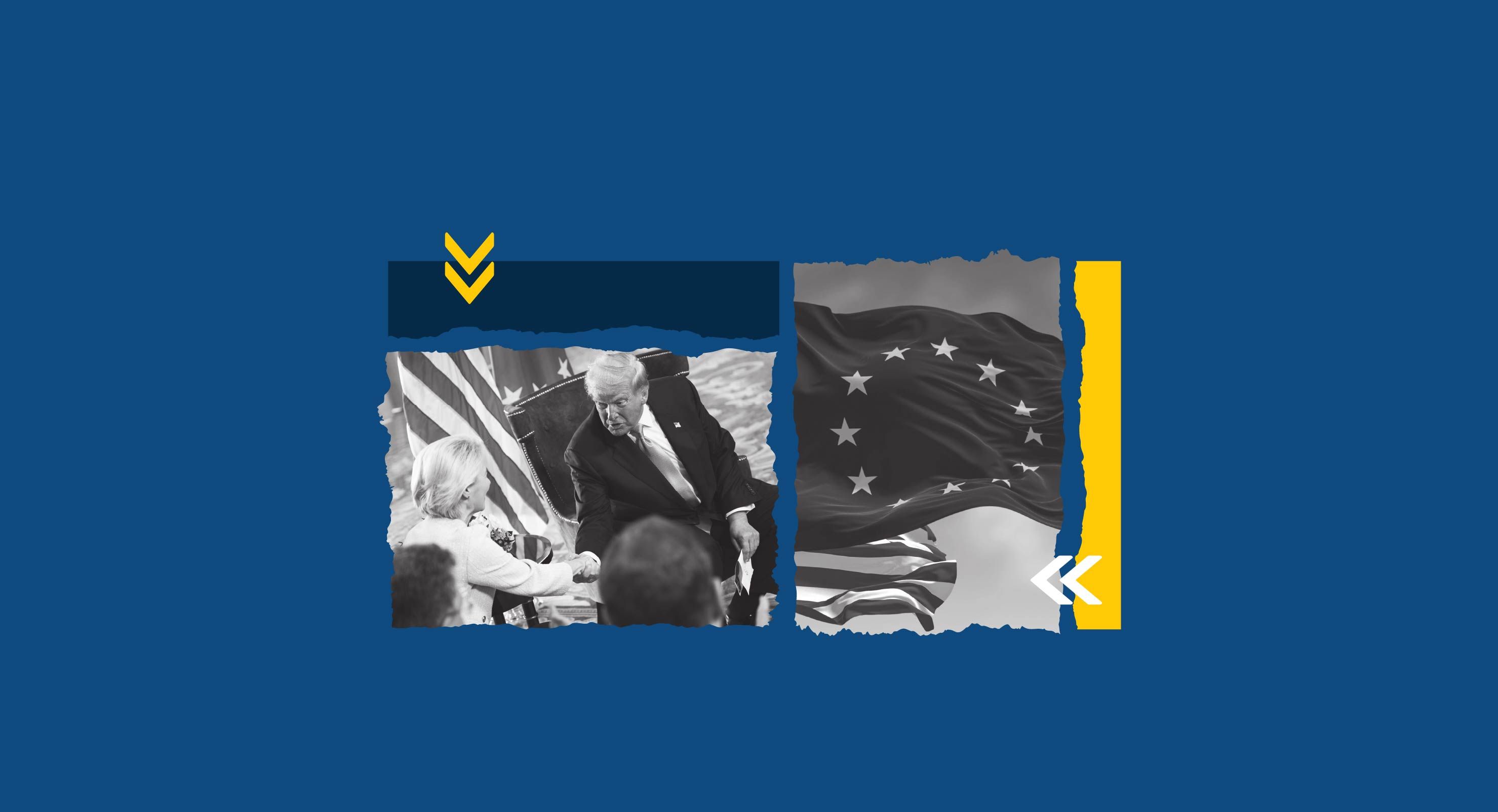
In Donald Trump’s second term in office, the transatlantic relationship that helped define the postwar European project and global order appears broken. Is it time for Brussels to chart its own path?
Nathalie Tocci, Jan Techau
Beset by an increasingly hostile United States, internal divisions, and the threat of Russian aggression, the EU finds itself in a make-or-break moment. U.S. President Donald Trump calls it a decaying group of nations headed by weak leaders. Is Europe able to prove him wrong?
Thomas de Waal